
The Challenges of Updating Plumbing in Historic Old Northside Homes
Historic Old Northside homes in Indianapolis offer unmatched architectural charm but come with plumbing systems that can be over a century old. Many of these homes still contain lead service lines, galvanized steel pipes, and clay sewer laterals that were state-of-the-art in the early 1900s but now pose serious risks. Homeowners often face low water pressure, frequent leaks, and contamination concerns that modern building codes would never allow. Updating these systems requires specialized knowledge of both vintage materials and current Indianapolis Historic Preservation Commission (IHPC) regulations to preserve the home’s character while ensuring safety. Indianapolis Historic Preservation Commission.
The unique challenges start with identifying what’s actually behind your walls. Unlike newer homes with standardized PEX or copper piping, Old Northside properties may contain a mix of materials including lead solder joints, cast iron soil stacks, and even Orangeburg sewer pipes from the mid-20th century. These materials degrade differently and require specific diagnostic approaches. A visual inspection alone won’t reveal the full extent of deterioration, which is why professional camera inspections and material testing have become essential first steps in any historic plumbing update project. Trenchless Sewer Line Replacement in Greenwood without Digging Up Your Yard.

Common Plumbing Materials Found in Old Northside Homes
Understanding what you’re working with is half the battle when updating historic plumbing. Many Old Northside homes built before 1940 contain galvanized steel pipes that have corroded from the inside out, creating severe flow restrictions and potential lead contamination. These pipes appear fine from the outside but can be nearly completely blocked internally. Cast iron drain stacks, while durable, often develop cracks and corrosion at the joints, leading to sewer gas leaks and structural damage to surrounding wood framing. Sewer Camera Inspections in Pike Township to Find the Root of Your Problem.
Lead service lines were commonly installed in Indianapolis until the 1960s, and many Old Northside homes still have these dangerous pipes bringing water from the street. The EPA’s Lead and Copper Rule requires replacement of these lines, but the process must be handled carefully to avoid contaminating the entire system during removal. Clay sewer laterals, another common feature, are particularly vulnerable to tree root intrusion and ground shifting common in Indianapolis’s clay soil. These pipes can collapse completely, causing sewage backups that damage historic foundations. EPA lead safety guidelines.
Navigating Indianapolis Historic Preservation Commission Requirements
Any significant plumbing work in the Old Northside requires approval from the Indianapolis Historic Preservation Commission. The IHPC’s mission is to preserve the historic character of designated districts, which means visible plumbing upgrades must maintain the home’s original appearance. This creates unique challenges for homeowners who need to replace visible fixtures or exterior components. For example, replacing a vintage clawfoot tub requires finding period-appropriate reproductions or carefully restoring the original, as modern replacements would violate preservation guidelines.. Read more about Common Plumbing Mistakes Made During DIY Renovations in Bates-Hendricks.
The IHPC review process typically takes 30-45 days and requires detailed plans showing how proposed changes will affect the home’s historic character. Exterior modifications, including new vent stacks or sewer cleanouts, must be designed to blend with the existing architecture. Some homeowners have successfully used decorative covers or strategic landscaping to hide necessary modern additions. Working with contractors who have experience with IHPC approvals can significantly streamline this process and prevent costly redesigns later.
Modern Solutions for Vintage Plumbing Challenges
Today’s plumbing technology offers several solutions that can update historic systems without destroying their character. Trenchless sewer repair technology allows technicians to reline damaged clay pipes from within, eliminating the need to dig up historic landscaping or disrupt century-old foundations. This process involves inserting a flexible liner coated with epoxy resin into the existing pipe, then inflating it to create a new, seamless pipe within the old one. The entire process typically takes one to two days and preserves the home’s exterior appearance.. Read more about Dealing with Sweating Pipes and High Humidity in Your Lebanon Basement.
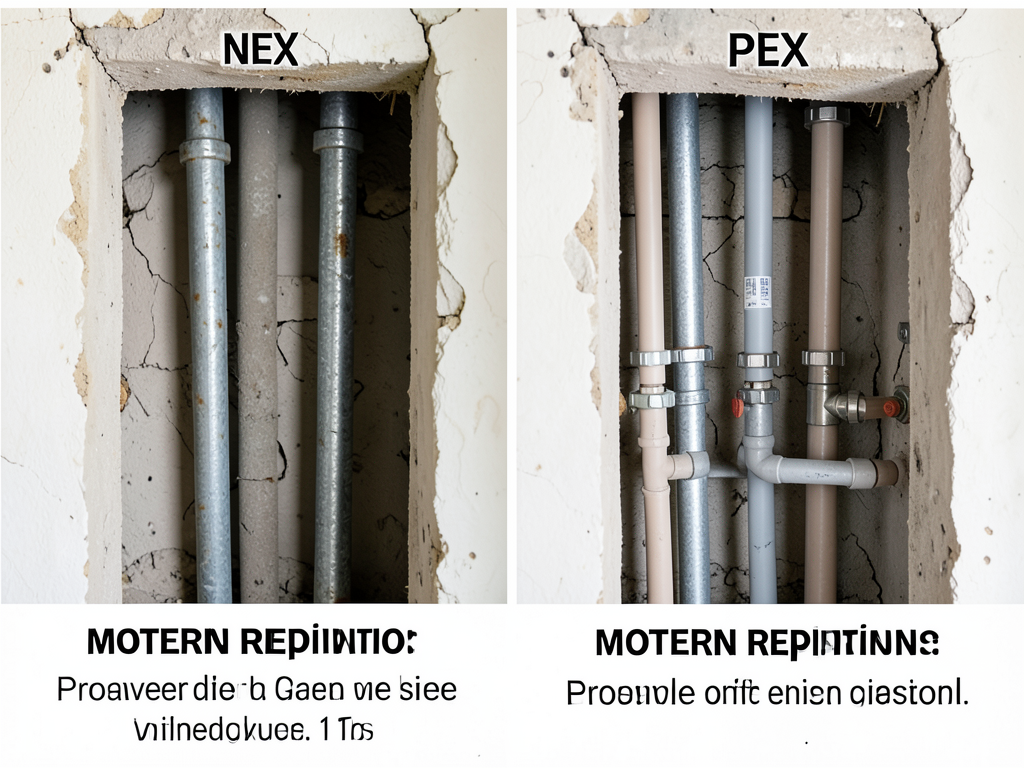
For whole-home repiping projects, PEX piping has become the material of choice for historic homes because it’s flexible enough to route through existing wall cavities without extensive demolition. Unlike rigid copper, PEX can bend around obstacles and fit through small openings, minimizing damage to plaster walls and original woodwork. Modern water filtration systems can also address lead contamination concerns without requiring complete pipe replacement in some cases. Point-of-use filters installed at kitchen taps can provide safe drinking water while more extensive replacement projects are planned. Benefits of Water Softeners.
Diagnostic Testing and Inspection Protocols
Before any work begins on a historic Old Northside home, comprehensive diagnostic testing is essential. Professional plumbers use specialized equipment including sewer cameras that can navigate through 100-year-old pipes to identify blockages, cracks, and material deterioration. These cameras provide real-time video feed showing the exact condition of underground pipes, allowing homeowners to make informed decisions about repair versus replacement. Water quality testing is equally important, as many historic homes have elevated lead levels that require immediate attention.. Read more about How a Hot Water Recirculating Pump Can Give You Instant Heat in Your Traders Point Home.
Pressure testing helps identify hidden leaks in galvanized systems that might not be visible during a standard inspection. This involves isolating sections of the plumbing system and monitoring pressure drops over time. Thermal imaging cameras can detect temperature variations that indicate water leaks behind walls or under floors, which is particularly useful in homes with radiant heating systems or complex pipe routing. These diagnostic tools help create accurate project scopes and prevent unexpected discoveries during renovation work.. Read more about Standard vs Wall-Mounted Toilets for Modern Downtown Indianapolis Bathrooms.
Cost Considerations and Financing Options
Updating plumbing in a historic Old Northside home typically costs 30-50% more than similar work in a modern home due to the specialized knowledge required and the need to preserve historic elements. A complete whole-home repipe in a 2,000-square-foot historic home can range from $8,000 to $15,000, while sewer line replacement using trenchless methods typically costs $3,000 to $6,000. These costs don’t include potential IHPC application fees or the expense of sourcing period-appropriate fixtures and materials.
However, several financing options can make these projects more manageable. The City of Indianapolis offers low-interest loans for lead service line replacement through the Citizens Energy Group program. Some homeowners may qualify for historic preservation tax credits if the work meets specific criteria for maintaining the home’s historic character. Additionally, many plumbing contractors now offer financing plans that allow homeowners to spread costs over several years, making essential safety upgrades more accessible without requiring large upfront payments.
Choosing the Right Contractor for Historic Plumbing Work
Not all plumbers have the expertise needed for historic Old Northside homes. Look for contractors who specifically mention experience with historic preservation, lead-safe certification, and knowledge of local building codes. Ask potential contractors about their experience with IHPC projects and request references from other historic homeowners in the area. A qualified contractor should be able to explain the differences between various pipe materials and recommend solutions that balance modern performance with historic preservation requirements.
Insurance and licensing requirements are particularly important for historic home work. Contractors should carry liability insurance that covers potential damage to historic materials and should be familiar with EPA lead-safe work practices. Ask about their cleanup procedures and how they plan to protect your home’s original features during the renovation process. The right contractor will view your historic home as a unique project requiring specialized care rather than just another plumbing job.
Preventative Maintenance for Vintage Systems
Even after updating your historic home’s plumbing, ongoing maintenance is crucial for preventing future problems. Annual drain cleaning can prevent the buildup of sediment in older pipes that are more prone to clogging. Regular water quality testing helps monitor for lead contamination, especially if any original lead components remain in the system. Homeowners should also be aware of signs that indicate potential problems, such as discolored water, unusual odors, or changes in water pressure.. Read more about Is Liquid Drain Cleaner Actually Safe for the Older Plumbing in Your Little Flower Home?.
Seasonal maintenance is particularly important in Indianapolis due to freeze-thaw cycles that can stress older plumbing systems. Insulating exposed pipes in crawl spaces and basements helps prevent freezing during winter months. Checking for leaks around toilets and under sinks can catch small problems before they cause major damage to historic woodwork or plaster. Creating a maintenance schedule with your plumbing contractor ensures that your updated system continues to function properly for years to come.. Read more about Why You Have Blue or Green Stains in Your Sinks and Tubs in McCordsville.
Environmental and Health Considerations
Beyond the immediate plumbing concerns, updating historic systems has significant environmental and health benefits. Lead service lines pose serious health risks, particularly for children and pregnant women, as lead exposure can cause developmental delays and other serious health problems. Replacing these lines not only improves your family’s health but also increases your home’s value and marketability. Modern plumbing systems are also more water-efficient, which helps conserve resources and reduce utility bills.. Read more about Identifying and Replacing Hazardous Polybutylene Pipes in Wanamaker.
The disposal of old plumbing materials requires special consideration in historic renovations. Lead pipes and contaminated soil must be handled according to EPA regulations to prevent environmental contamination. Many contractors now partner with recycling facilities that can properly process old metal pipes and fixtures. Some homeowners choose to salvage and repurpose vintage fixtures that are in good condition, either for use in their own home or for sale to other preservation-minded buyers.
Future-Proofing Your Historic Plumbing System
When updating plumbing in a historic Old Northside home, consider incorporating features that will make future maintenance easier. Installing cleanout access points in strategic locations allows for easier drain cleaning and inspection without requiring wall demolition. Using color-coded PEX piping helps future technicians quickly identify different system components. Consider installing smart water monitors that can detect leaks and alert homeowners to potential problems before they cause significant damage. Quick Garbage Disposal Repair in Lawrence to Get Your Kitchen Back in Order.
Documentation is also crucial for future-proofing your investment. Keep detailed records of all plumbing updates, including photographs of exposed walls before they’re closed up, material specifications, and warranty information. Share this documentation with future homeowners if you sell the property. Some homeowners create digital archives with QR codes placed near access panels that link to system diagrams and maintenance histories. This level of documentation can be invaluable for preserving your home’s historic integrity while ensuring its modern functionality.
Frequently Asked Questions
How do I know if my Old Northside home has lead pipes?
Lead pipes are typically dull gray and very soft – you can scratch them with a screwdriver. They were commonly used for service lines until the 1960s in Indianapolis. A professional plumber can perform a camera inspection to identify lead pipes and test your water for lead content.. Read more about Safe Water Heater Venting Inspections for Older Homes in SoBro.
Will updating my plumbing affect my home’s historic designation?
Properly executed plumbing updates should not affect your home’s historic designation. The key is working with contractors who understand IHPC requirements and using materials and methods that preserve the home’s historic character. Always consult with the IHPC before beginning major plumbing work.
How long does a whole-home repipe typically take in a historic home?
A complete repipe in a historic Old Northside home usually takes 3-5 days, depending on the home’s size and the complexity of the existing system. PEX repiping is generally faster than copper because it requires less demolition and can be routed through existing wall cavities.
Are there financial assistance programs for lead pipe replacement?
Yes, Citizens Energy Group offers low-interest loans for lead service line replacement in Indianapolis. Some homeowners may also qualify for federal tax credits or local historic preservation grants. Check with your plumber about current programs and eligibility requirements.
What’s the difference between trenchless and traditional sewer repair?
Trenchless sewer repair involves accessing the pipe through existing openings and inserting a new liner, while traditional methods require digging trenches to access and replace pipes. Trenchless is typically less invasive and better for preserving historic landscaping and foundations.
Can I keep any of my original fixtures during a plumbing update?
Many original fixtures can be restored and reused if they’re in good condition. Clawfoot tubs, pedestal sinks, and some faucets can be professionally refinished. However, lead-contaminated fixtures should be replaced for health reasons. Your contractor can help determine what’s safe to keep.
How often should I have my historic home’s plumbing inspected?
Annual inspections are recommended for historic homes, with more frequent checks for systems over 50 years old. Professional camera inspections every 2-3 years can identify developing problems before they cause major damage. Regular maintenance helps preserve both the plumbing system and your home’s historic value.
- Schedule Professional Inspection
Have a licensed plumber with historic home experience perform a comprehensive inspection using cameras and diagnostic testing to identify all existing materials and problems.
- Consult with IHPC
Meet with Indianapolis Historic Preservation Commission representatives to discuss your plans and understand what modifications require approval and what preservation guidelines apply.
- Develop Detailed Plan
Create a comprehensive plan that addresses both immediate safety concerns and long-term functionality while preserving historic character and meeting modern building codes.
- Obtain Necessary Permits
Secure all required permits from the City of Indianapolis and IHPC approval before beginning any work. This process typically takes 30-45 days.
- Execute Work with Specialist
Hire contractors experienced in historic preservation to complete the work using appropriate materials and techniques that protect your home’s historic integrity.
Updating plumbing in your historic Old Northside home doesn’t have to mean sacrificing its character or breaking the bank. With proper planning, the right expertise, and modern solutions designed for vintage homes, you can enjoy safe, reliable plumbing while preserving the architectural details that make your home special. The key is finding contractors who understand both the technical requirements of modern plumbing and the preservation standards that protect Indianapolis’s historic neighborhoods. Reliable Sump Pump Installation in Fishers to Keep Your Basement Dry.
Don’t wait until a small leak becomes a major disaster. Call (317) 688-8848 today to schedule your historic home plumbing inspection and take the first step toward modernizing your system while preserving your home’s irreplaceable character.
You may also find this helpful. Why Your New Palestine House Makes a Loud Banging Sound When the Water Shuts Off.
You may also find this helpful. Commercial Grease Trap Cleaning and Maintenance for Downtown Indianapolis Restaurants.
You may also find this helpful. The Best High-Efficiency Toilet Installation for Your Butler-Tarkington Home.
{
“@context”: “https://schema.org”,
“@type”: “BlogPosting”,
“headline”: “The Challenges of Updating Plumbing in Historic Old Northside Homes”,
“description”: “Discover the unique plumbing challenges in Indianapolis’s Old Northside historic district. Learn about lead pipes, cast iron stacks, and IHPC compliance for your vintage home.”,
“wordCount”: 2291,
“datePublished”: “2026-03-31T10:43:00.000Z”,
“dateModified”: “2026-03-31T10:43:00.000Z”,
“inLanguage”: “en-US”,
“mainEntityOfPage”: {
“@type”: “WebPage”,
“@id”: “https://keystoneplumbingindianapolis.com”
},
“publisher”: {
“@type”: “LocalBusiness”,
“name”: “Keystone Plumbing Indianapolis”,
“url”: “https://keystoneplumbingindianapolis.com”
},
“author”: {
“@type”: “Organization”,
“name”: “Keystone Plumbing Indianapolis”,
“url”: “https://keystoneplumbingindianapolis.com”
},
“image”: {
“@type”: “ImageObject”,
“url”: “https://keystoneplumbingindianapolis.com/wp-content/uploads/2026/03/the-challenges-of-updating-plumbing-in-historic-ol-1.png”
}
}
{
“@context”: “https://schema.org”,
“@type”: “Plumber”,
“name”: “Keystone Plumbing Indianapolis”,
“url”: “https://keystoneplumbingindianapolis.com”,
“address”: {
“@type”: “PostalAddress”,
“addressLocality”: “Indianapolis”
},
“areaServed”: {
“@type”: “City”,
“name”: “Indianapolis”
}
}
{
“@context”: “https://schema.org”,
“@type”: “FAQPage”,
“mainEntity”: [
{
“@type”: “Question”,
“name”: “How do I know if my Old Northside home has lead pipes?”,
“acceptedAnswer”: {
“@type”: “Answer”,
“text”: “Lead pipes are typically dull gray and very soft – you can scratch them with a screwdriver. They were commonly used for service lines until the 1960s in Indianapolis. A professional plumber can perform a camera inspection to identify lead pipes and test your water for lead content.”
}
},
{
“@type”: “Question”,
“name”: “Will updating my plumbing affect my home’s historic designation?”,
“acceptedAnswer”: {
“@type”: “Answer”,
“text”: “Properly executed plumbing updates should not affect your home’s historic designation. The key is working with contractors who understand IHPC requirements and using materials and methods that preserve the home’s historic character. Always consult with the IHPC before beginning major plumbing work.”
}
},
{
“@type”: “Question”,
“name”: “How long does a whole-home repipe typically take in a historic home?”,
“acceptedAnswer”: {
“@type”: “Answer”,
“text”: “A complete repipe in a historic Old Northside home usually takes 3-5 days, depending on the home’s size and the complexity of the existing system. PEX repiping is generally faster than copper because it requires less demolition and can be routed through existing wall cavities.”
}
},
{
“@type”: “Question”,
“name”: “Are there financial assistance programs for lead pipe replacement?”,
“acceptedAnswer”: {
“@type”: “Answer”,
“text”: “Yes, Citizens Energy Group offers low-interest loans for lead service line replacement in Indianapolis. Some homeowners may also qualify for federal tax credits or local historic preservation grants. Check with your plumber about current programs and eligibility requirements.”
}
},
{
“@type”: “Question”,
“name”: “What’s the difference between trenchless and traditional sewer repair?”,
“acceptedAnswer”: {
“@type”: “Answer”,
“text”: “Trenchless sewer repair involves accessing the pipe through existing openings and inserting a new liner, while traditional methods require digging trenches to access and replace pipes. Trenchless is typically less invasive and better for preserving historic landscaping and foundations.”
}
},
{
“@type”: “Question”,
“name”: “Can I keep any of my original fixtures during a plumbing update?”,
“acceptedAnswer”: {
“@type”: “Answer”,
“text”: “Many original fixtures can be restored and reused if they’re in good condition. Clawfoot tubs, pedestal sinks, and some faucets can be professionally refinished. However, lead-contaminated fixtures should be replaced for health reasons. Your contractor can help determine what’s safe to keep.”
}
},
{
“@type”: “Question”,
“name”: “How often should I have my historic home’s plumbing inspected?”,
“acceptedAnswer”: {
“@type”: “Answer”,
“text”: “Annual inspections are recommended for historic homes, with more frequent checks for systems over 50 years old. Professional camera inspections every 2-3 years can identify developing problems before they cause major damage. Regular maintenance helps preserve both the plumbing system and your home’s historic value.”
}
}
]
}
{
“@context”: “https://schema.org”,
“@type”: “HowTo”,
“name”: “How to Update Plumbing in a Historic Home”,
“step”: [
{
“@type”: “HowToStep”,
“position”: 1,
“name”: “Schedule Professional Inspection”,
“text”: “Have a licensed plumber with historic home experience perform a comprehensive inspection using cameras and diagnostic testing to identify all existing materials and problems.”
},
{
“@type”: “HowToStep”,
“position”: 2,
“name”: “Consult with IHPC”,
“text”: “Meet with Indianapolis Historic Preservation Commission representatives to discuss your plans and understand what modifications require approval and what preservation guidelines apply.”
},
{
“@type”: “HowToStep”,
“position”: 3,
“name”: “Develop Detailed Plan”,
“text”: “Create a comprehensive plan that addresses both immediate safety concerns and long-term functionality while preserving historic character and meeting modern building codes.”
},
{
“@type”: “HowToStep”,
“position”: 4,
“name”: “Obtain Necessary Permits”,
“text”: “Secure all required permits from the City of Indianapolis and IHPC approval before beginning any work. This process typically takes 30-45 days.”
},
{
“@type”: “HowToStep”,
“position”: 5,
“name”: “Execute Work with Specialist”,
“text”: “Hire contractors experienced in historic preservation to complete the work using appropriate materials and techniques that protect your home’s historic integrity.”
}
],
“image”: “https://keystoneplumbingindianapolis.com/wp-content/uploads/2026/03/the-challenges-of-updating-plumbing-in-historic-ol-1.png”
}
{
“@context”: “https://schema.org”,
“@type”: “BreadcrumbList”,
“itemListElement”: [
{
“@type”: “ListItem”,
“position”: 1,
“name”: “Home”,
“item”: “https://keystoneplumbingindianapolis.com”
},
{
“@type”: “ListItem”,
“position”: 2,
“name”: “Blog”,
“item”: “https://keystoneplumbingindianapolis.com/blog”
},
{
“@type”: “ListItem”,
“position”: 3,
“name”: “The Challenges of Updating Plumbing in Historic Old Northside Homes”
}
]
}
{
“@context”: “https://schema.org”,
“@type”: “Service”,
“serviceType”: “Plumbing”,
“provider”: {
“@type”: “LocalBusiness”,
“name”: “Keystone Plumbing Indianapolis”,
“url”: “https://keystoneplumbingindianapolis.com”
},
“areaServed”: {
“@type”: “City”,
“name”: “Indianapolis”
},
“description”: “Discover the unique plumbing challenges in Indianapolis’s Old Northside historic district. Learn about lead pipes, cast iron stacks, and IHPC compliance for your vintage home.”
}