Menu

Commercial Repiping Services in Indianapolis | Minimize Downtime and Maintain Business Operations

Indianapolis businesses rely on industrial-grade commercial pipe replacement and building repiping solutions that prioritize continuity. We deliver scheduled commercial plumbing repipe projects designed around your operational hours, reducing revenue loss and maintaining compliance with local codes.

Slider Image 1
Slider Image 2
Slider Image 3
Slider Image 4
Slider Image 5
Slider Image 7
Slider Image 8
Slider Image 9
Slider Image 10
Slider Image 11

Why Indianapolis Commercial Properties Face Accelerated Pipe Degradation

Indianapolis water carries elevated mineral content due to limestone aquifers throughout Marion County. This mineral concentration accelerates corrosion in galvanized steel and iron pipes common in older commercial buildings, particularly those constructed before 1985 in the Circle City's downtown core and industrial corridors along the White River.

Commercial buildings in Indianapolis experience unique stress factors. Freeze-thaw cycles create expansion and contraction that weakens pipe joints. The city's high water table in low-lying areas near Fall Creek and Pleasant Run adds hydrostatic pressure on foundation piping. Buildings in the Mass Ave Arts District and Fountain Square neighborhoods built during the city's manufacturing boom often contain original cast iron drainage systems now failing after decades of heavy use.

When your business plumbing system begins showing signs of failure, operational disruption follows quickly. Brown water discoloration indicates advanced corrosion. Pressure drops signal blockages from mineral buildup. Recurring leaks point to systemic degradation requiring comprehensive commercial building repiping rather than temporary patches.

Industrial facilities face additional complications. Food processing operations near the Indianapolis stockyards district require NSF-certified piping. Manufacturing plants need systems that handle chemical exposure. Multi-tenant office buildings in Meridian-Kessler require phased industrial repiping services that address one floor at a time without forcing total building closure.

Delaying business pipe replacement increases liability exposure. Water damage claims, mold remediation costs, and potential code violations compound the longer deteriorating pipes remain in service. Indianapolis commercial property owners who act proactively control timing and costs rather than responding to emergency failures during peak business hours.

Why Indianapolis Commercial Properties Face Accelerated Pipe Degradation
How We Execute Commercial Repiping Without Halting Your Operations

How We Execute Commercial Repiping Without Halting Your Operations

Commercial pipe replacement demands precision planning that residential work does not require. We begin with comprehensive pressure testing and video inspection of your entire system, mapping failure points and identifying which sections require immediate attention versus scheduled replacement.

Our approach to commercial building repiping prioritizes business continuity. We develop phased installation schedules that work around your operating hours. For 24-hour operations, we section off areas using temporary bypass lines that maintain water service to critical zones while we replace deteriorating piping in isolated sections.

Material selection varies by application. High-rise office buildings often require Type L copper for vertical risers due to pressure demands. Industrial facilities handling aggressive chemicals need CPVC or stainless steel. We specify materials that meet International Plumbing Code requirements enforced by Indianapolis Marion County Building Department while matching your operational demands.

The physical work involves strategic access points that minimize wall demolition. We use horizontal boring for underground sections rather than excavating your entire parking lot. For multi-story buildings, we route new supply lines through existing chases and create minimal access panels rather than opening every wall cavity.

Pressure balancing matters in commercial applications. When we install new distribution manifolds, we calculate friction loss across all branches to ensure consistent pressure at every fixture. Manufacturing facilities get dedicated supply lines for equipment that cannot tolerate pressure fluctuations when other fixtures operate.

We handle permit acquisition and inspection scheduling with Marion County authorities. This includes coordinating with fire marshals when commercial plumbing repipe projects affect sprinkler systems. Our documentation provides the asset management records your facility requires for compliance audits and insurance purposes.

What Happens During Your Commercial Repiping Project

Commercial Repiping Services in Indianapolis | Minimize Downtime and Maintain Business Operations
01

System Assessment and Planning

We conduct after-hours facility walks to document your existing system without disrupting operations. Our team photographs pipe routing, measures pressure at test points, and identifies fixture locations. We review building plans from Indianapolis Department of Business and Neighborhood Services to verify original installation details. You receive a written scope defining which pipe sections require replacement, material specifications, and a phased timeline that aligns with your business calendar. This planning phase typically requires two site visits and produces the documentation your property management team needs for budget approval.
02

Staged Pipe Installation

Installation occurs in defined sections with temporary water service maintained to unaffected areas. We establish bypass lines before shutting off water to any zone. Our crews arrive at scheduled times, complete defined work sections, and restore service before your business hours resume. For restaurants and healthcare facilities requiring continuous water access, we coordinate installations during closed hours or use temporary hose connections to critical fixtures. Each completed section undergoes pressure testing before we move to the next zone. This staged approach prevents the total facility shutdowns that halt revenue generation.
03

Testing and Documentation

After completing installation, we conduct whole-system pressure tests at 150 PSI for one hour, exceeding code minimums to verify integrity. We flush all lines to remove installation debris and test water quality at fixture endpoints. Our final deliverable includes as-built drawings showing new pipe routing, material specifications, and valve locations. You receive copies of all inspection approvals from Marion County building officials. We document warranty coverage for materials and installation. This documentation becomes part of your building's permanent maintenance records and proves compliance during property transactions or insurance reviews.

Why Indianapolis Businesses Choose Local Commercial Plumbing Expertise

Commercial property managers in Indianapolis face specific challenges that require local knowledge. Buildings constructed during the city's manufacturing expansion between 1950 and 1980 often contain galvanized steel piping now reaching end of service life. Properties in Broad Ripple and Butler-Tarkington neighborhoods built on fill dirt experience settling that stresses rigid pipe connections. Understanding these local construction patterns prevents misdiagnosis and unnecessary work.

Indianapolis operates under Indiana Plumbing Code with Marion County amendments that affect commercial installations. Fire-rated wall penetrations require specific firestop systems. Backflow prevention requirements vary based on your connection to Citizens Energy Group water mains. We maintain current knowledge of these requirements and existing relationships with local inspectors who review commercial permits.

Response capacity matters when your business faces plumbing failures. Companies serving Indianapolis from distant suburbs cannot mobilize crews quickly when your restaurant loses hot water during dinner service or your medical office experiences a pipe failure between patient appointments. Local presence means we reach your facility within the hour, not the next day.

Our experience spans Indianapolis commercial sectors. We have repiped manufacturing facilities in the Midtown industrial corridor, office buildings downtown, hospitality properties near the Convention Center, and healthcare clinics throughout Marion County. This breadth means we understand the operational constraints unique to your business type.

Keystone Plumbing Indianapolis maintains dedicated commercial crews trained in large-scale industrial repiping services. We own equipment sized for commercial applications including pipe threading machines that handle 4-inch steel pipe and hydraulic crimping tools for large-diameter copper. Many residential plumbing companies lack this equipment and the expertise to engineer commercial systems properly. That capability gap becomes apparent when complex projects begin.

What Your Commercial Repiping Project Includes

Project Timeline and Scheduling

Small commercial repiping projects affecting single restrooms or break rooms typically complete in one to three days. Whole-building commercial pipe replacement in multi-story structures requires two to six weeks depending on square footage and complexity. We provide detailed schedules showing which areas undergo work on which dates, allowing you to plan around disruptions. For businesses that cannot tolerate any service interruption, we schedule work during closed hours, weekends, or seasonal slow periods. Emergency business pipe replacement following catastrophic failure can often begin within 24 hours with critical sections restored to service within 48 hours. Rush scheduling carries premium pricing but prevents extended business closure.

Pre-Installation Assessment Process

Our commercial assessment begins with system mapping using video inspection cameras to evaluate drain line condition and pressure testing to identify supply line weaknesses. We review your building's original plumbing plans if available through Indianapolis Marion County records. The evaluation includes fixture count, pipe material identification, and water quality testing that reveals corrosion indicators. You receive a written report with photographs documenting problem areas and recommending which sections require immediate replacement versus future monitoring. This diagnostic phase typically requires four to eight hours for buildings under 20,000 square feet. Larger facilities or complex industrial plumbing systems may require multiple assessment days to fully document existing conditions and engineering requirements.

Installation Quality and Materials

We install commercial-grade materials rated for your application's pressure and temperature demands. Copper piping receives brazed joints rather than soldered connections in high-pressure applications. Underground sections use Schedule 40 PVC or ductile iron depending on soil conditions and load requirements. All installations comply with Indiana Plumbing Code standards for commercial buildings. We use dielectric unions when joining dissimilar metals to prevent galvanic corrosion. Pipe hangers and supports follow engineered spacing requirements based on pipe diameter and material. Water hammer arrestors install at quick-closing valves. Expansion loops accommodate thermal movement in long horizontal runs. These details separate professional commercial building repiping from inadequate installations that create future problems.

Post-Installation Support and Documentation

Completed commercial plumbing repipe projects include comprehensive documentation showing new pipe routing, valve locations, and material specifications. We photograph work in progress before closing walls to create records of concealed piping. You receive copies of all permits and inspection approvals from Marion County building department. We provide operation instructions for any new shutoff valves or backflow preventers added during installation. Material manufacturers provide warranty coverage on piping and fixtures, typically ranging from five to twenty-five years depending on product type. Our installation carries separate coverage addressing workmanship. We remain available for questions as your maintenance staff familiarizes themselves with the new system and can return for follow-up pressure testing if you experience any concerns during the first month of operation.

Frequently Asked Questions

You Have Questions,
We Have Answers

How much does it cost to repipe a 4000 square foot house? +

Repiping a 4,000 square foot commercial building in Indianapolis depends on several factors: existing pipe material, building layout, accessibility, and whether you choose copper or PEX. Commercial structures often require larger diameter lines and more fixtures than residential properties. Multi-story buildings add vertical runs and labor costs. Older Indianapolis buildings, especially in the downtown core, may have accessibility challenges that increase labor hours. Material costs fluctuate based on market conditions. You also need to factor in permits, inspections, and potential downtime for your business operations. Request detailed scope-of-work documentation from licensed contractors to compare proposals accurately.

How to avoid getting ripped off by a plumber? +

Protect your business by verifying the plumber holds active Indiana state licensure and commercial liability insurance. Get three written estimates with itemized scope of work, not vague lump sums. Confirm the quote includes permits and disposal fees. Avoid contractors who demand large upfront deposits beyond material costs. Check references from other Indianapolis commercial clients. Request a timeline with milestones tied to payment schedules. Never pay cash or agree to handshake deals. Document everything in writing. If a contractor pressures you to decide immediately or offers suspiciously low bids, walk away. Legitimate commercial plumbers provide transparent pricing and verifiable credentials.

What does commercial plumbing mean? +

Commercial plumbing involves water supply, drainage, and waste systems for business properties like office buildings, retail spaces, restaurants, warehouses, and multi-tenant facilities. It differs from residential work in scale, complexity, and code requirements. Commercial systems handle higher demand, require larger diameter pipes, and must meet stricter Indianapolis building codes. The work includes backflow prevention devices, grease traps, commercial water heaters, pressure regulation systems, and ADA-compliant fixtures. Commercial plumbers understand business continuity needs, work around operating hours, and coordinate with property managers. The stakes are higher because system failures can shut down operations, create liability issues, and violate health codes.

Why is repiping so expensive? +

Repiping carries high costs because it involves extensive labor, material expenses, and business disruption. You are replacing an entire water distribution system, not fixing one leak. Commercial projects require licensed journeymen plumbers at higher hourly rates than apprentices. Material costs for copper or PEX add up quickly across thousands of linear feet. Access often requires opening walls, ceilings, or floors, then restoration afterward. Indianapolis projects need permits and inspections. Commercial buildings may require after-hours work to minimize downtime, which increases labor costs. You are also paying for code compliance, pressure testing, and system warranties. The investment prevents costly water damage, liability claims, and operational shutdowns.

What is the most expensive plumbing job? +

The most expensive plumbing jobs for commercial properties include full building repiping, underground sewer line replacement, and large-scale drainage system overhauls. These projects involve extensive excavation, heavy equipment, street permits, and coordination with Indianapolis utilities. Sewer line replacement under parking lots or near the White River can require trenchless technology or open-cut excavation. High-rise buildings need specialized equipment and staging. Emergency repairs during business hours, especially those requiring temporary shutdowns, drive costs higher due to expedited labor and potential revenue loss. Installing fire suppression systems or retrofitting old buildings to current code also rank among the costliest plumbing projects.

How much does it cost to plumb a 2500 square foot house? +

Plumbing a 2,500 square foot commercial space varies widely based on building use and fixture count. A basic office needs fewer fixtures than a restaurant with multiple bathrooms, kitchen equipment, and grease traps. New construction is more affordable than retrofit work in older Indianapolis buildings. You need to account for water service line sizing, drainage rough-in, vent stacks, fixture installation, and water heater capacity. Multi-tenant spaces require separate shut-offs and metering. Budget for permit fees and inspections. Get itemized quotes that specify fixture counts, pipe materials, and labor hours. Avoid contractors who provide quick ballpark numbers without site assessment.

What should you not say to a contractor? +

Never tell a contractor you have no budget limit or are in a desperate rush. Avoid mentioning you have not gotten other bids. Do not bad-mouth previous contractors, which signals you may be difficult to work with. Never suggest you will pay cash to avoid permits or inspections. Do not ask them to cut corners on code compliance to save money. Avoid saying you will handle permits yourself unless you have legitimate experience. Do not threaten to withhold payment over minor disputes before discussing resolution. Never imply the job is simple or question their expertise without basis. Maintain professional respect while holding contractors accountable to written agreements and Indianapolis building standards.

What is the 135 rule in plumbing? +

The 135 rule is not a recognized plumbing code standard in Indianapolis or Indiana. You may be thinking of specific angle requirements for drainage pipes. Plumbing codes specify slope minimums for drain lines, typically one-quarter inch per foot for horizontal runs. Vent pipes have angle restrictions to prevent trap siphoning. Some contractors reference rules of thumb for pipe sizing or fixture unit calculations. For commercial projects in Indianapolis, you must follow the Indiana Plumbing Code, which references the International Plumbing Code with state amendments. Always verify code requirements with your licensed plumber and local building department rather than relying on informal rules or internet shortcuts.

How to tell if your plumber is overcharging you? +

Compare itemized quotes from three licensed contractors serving Indianapolis. Watch for vague line items or missing details like permit fees and material specifications. Research current material costs for copper or PEX to gauge reasonableness. Question unusually high labor hour estimates for straightforward work. Verify the quoted hourly rate aligns with commercial plumbing standards in the Indianapolis metro. Check if the estimate includes unnecessary scope creep or upgrades you did not request. Ask for explanations of any charges you do not understand. Confirm the timeline matches the quoted labor hours. Get references and verify licensing. Trust contractors who provide transparent breakdowns and answer questions directly without deflection.

How much does a commercial plumber charge? +

Commercial plumbers in Indianapolis charge between higher hourly rates than residential plumbers due to specialized expertise, licensing requirements, and commercial liability insurance. Rates vary based on project complexity, after-hours scheduling, and emergency response needs. You pay for journeyman-level skills, code knowledge, and ability to minimize business disruption. Some contractors bid projects as flat fees based on scope rather than hourly rates. Emergency service commands premium pricing. Expect higher costs for specialized work like backflow testing, grease trap installation, or medical gas systems. Always get written estimates with detailed scope of work. Verify licensing and insurance before comparing rates to ensure you are comparing qualified contractors.

How Indianapolis Water Chemistry Accelerates Commercial Pipe Failure

Indianapolis water supplied by Citizens Energy Group originates from White River sources and underground aquifers flowing through limestone formations. This geology produces water with elevated calcium carbonate levels, typically measuring 280 to 320 milligrams per liter. The mineral content creates scale buildup inside pipes that gradually restricts flow in older galvanized steel systems common in commercial buildings constructed before 1990. Buildings in Fountain Square, Fletcher Place, and the Wholesale District neighborhoods contain original piping now experiencing reduced capacity from decades of scale accumulation. The same mineral content accelerates galvanic corrosion when dissimilar metals contact each other, a common problem in buildings where copper supply lines connect to steel fittings. Understanding Indianapolis water chemistry guides material selection during industrial repiping services, ensuring new installations resist the specific corrosion patterns that destroyed your original system.

Commercial property owners in Indianapolis benefit from working with contractors familiar with Marion County permitting procedures and inspection requirements. The Indianapolis Department of Business and Neighborhood Services requires detailed engineered drawings for commercial plumbing repipe projects exceeding basic fixture replacement. Projects affecting buildings in downtown historic districts face additional review to ensure work preserves architectural elements. We maintain professional relationships with local inspectors and understand documentation expectations that prevent permit delays. Our crews carry Indianapolis business licenses and maintain the commercial liability coverage your property insurance requires before contractors access your building. This local accountability matters when problems arise months after project completion. Companies based outside Marion County often prove difficult to reach for warranty issues or follow-up questions. Local presence means we remain accessible and invested in your long-term satisfaction.
Plumbing Services in The Indianapolis Area

While we are proud to serve the entire Indianapolis area, our team is committed to providing prompt and efficient service wherever you are. Use the map below to get a better sense of our service area, or simply give us a call. We're happy to discuss your specific location and how quickly we can get an expert to your home or business to address your plumbing needs.

Address:
Keystone Plumbing Indianapolis, 600 E Ohio St, Indianapolis, IN, 46202

Additional Services We Offer

Our news updates

Latest Articles & News from The Blogs

Dealing with Heavy Sediment in the Water Supply Near Eagle Creek Residents near Eagle Creek in Indianapolis often notice gritty…

Dealing with Heavy Sediment in the Water Supply Near Eagle Creek

Dealing with Heavy Sediment in the Water Supply Near Eagle Creek Residents near Eagle Creek in Indianapolis often notice gritty…

Why a Pressure Assisted Toilet Might Be the Solution for Your Clog-Prone Bathroom in Broad Ripple

Why a Pressure Assisted Toilet Might Be the Solution for Your Clog-Prone Bathroom in Broad Ripple If your Broad Ripple…

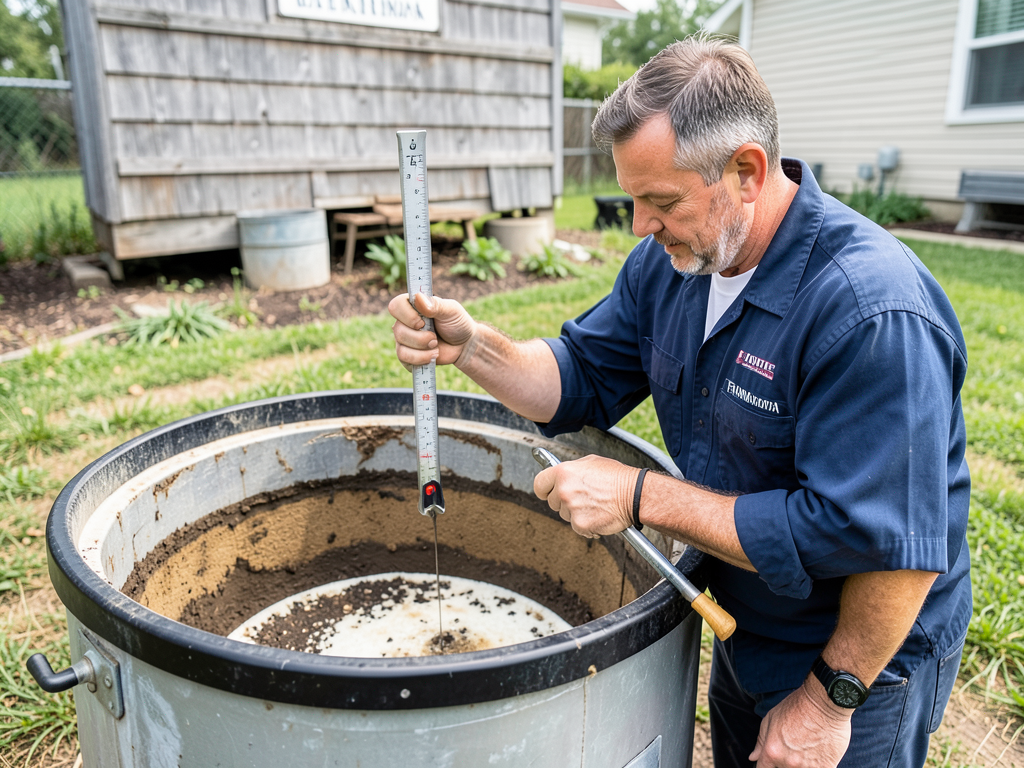
Essential Septic Tank Maintenance Tips for Rural Properties in Franklin

Essential Septic Tank Maintenance Tips for Rural Properties in Franklin Living in rural Franklin means relying on a septic system…

Contact Us

Your deteriorating pipes will fail. Control when and how by scheduling commercial repiping now rather than responding to an emergency shutdown during peak business hours. Call Keystone Plumbing Indianapolis at (317) 688-8848 for a comprehensive system assessment and project proposal tailored to your operational requirements.