Menu

Preventative Commercial Maintenance in Indianapolis | Eliminate Downtime with Scheduled Plumbing Upkeep

Protect your Indianapolis business from costly emergency shutdowns and code violations with proactive commercial plumbing maintenance plans designed to keep your operations running without interruption.

Slider Image 1
Slider Image 2
Slider Image 3
Slider Image 4
Slider Image 5
Slider Image 7
Slider Image 8
Slider Image 9
Slider Image 10
Slider Image 11

Why Indianapolis Commercial Properties Cannot Afford Reactive Plumbing Management

Indianapolis commercial buildings face plumbing challenges most property managers never anticipate until it is too late. The city's freeze-thaw cycles create expansion and contraction stress on piping systems. Temperature swings from 15 degrees in January to 90 degrees in July cause joint failures, valve seat deterioration, and fixture connections to loosen. Hard water from the White River aquifer deposits mineral scale inside pipes, water heaters, and boiler systems, reducing flow capacity by 30 to 40 percent within three years.

A ruptured supply line during business hours does not just flood your facility. It forces you to close. You lose revenue, alienate customers, and face potential liability claims. If you manage a restaurant in Broad Ripple, a hotel near the airport, or a medical facility on the north side, a single plumbing failure can cost you tens of thousands in lost business and emergency repairs.

Routine commercial plumbing inspections identify small issues before they cascade into operational disasters. Preventive commercial plumbing services replace worn components during scheduled maintenance windows, not during peak business hours. Commercial plumbing service agreements lock in your maintenance schedule and give you predictable operating costs instead of surprise capital expenditures.

Most commercial property owners in Indianapolis discover the value of scheduled commercial plumbing upkeep only after experiencing a catastrophic failure. The smarter approach is implementing commercial plumbing maintenance plans before your infrastructure dictates the timeline.

Why Indianapolis Commercial Properties Cannot Afford Reactive Plumbing Management
How Preventative Maintenance Protects Your Indianapolis Business Operations

How Preventative Maintenance Protects Your Indianapolis Business Operations

Effective commercial plumbing maintenance plans begin with baseline system mapping. Technicians document your entire plumbing infrastructure including supply lines, drainage systems, backflow preventers, pressure reducing valves, water heaters, sump pumps, grease traps, and fixture counts. This creates a maintenance roadmap specific to your facility, not a generic checklist.

Routine commercial plumbing inspections use diagnostic tools that measure system performance before failures occur. Infrared cameras detect hidden leaks behind walls. Pressure testing identifies valve degradation. Flow meter readings reveal partial blockages reducing drainage capacity. Backflow preventer testing ensures compliance with Indianapolis Department of Public Works cross-connection control requirements, which mandate annual certification for commercial properties.

Preventive commercial plumbing services focus on component replacement during planned downtime. Aging fill valves in toilets get swapped before they stick open and flood restrooms. Corroded angle stops get replaced before they seize and make simple fixture repairs impossible. Water heater anode rods get inspected and changed before tank corrosion creates leaks. Grease trap baffles and gaskets get serviced before you face health department violations.

Commercial plumbing service agreements establish fixed maintenance intervals matched to your building use patterns. High-traffic facilities need quarterly attention. Light-use properties may need only biannual service. The critical factor is creating a documented maintenance history that proves due diligence for liability protection and helps secure lower property insurance premiums.

Scheduled commercial plumbing upkeep transforms your plumbing infrastructure from a liability into a managed asset with predictable lifecycle costs.

What Happens During Your Scheduled Commercial Plumbing Service

Preventative Commercial Maintenance in Indianapolis | Eliminate Downtime with Scheduled Plumbing Upkeep
01

Comprehensive System Assessment

Technicians arrive during your specified low-traffic hours and perform a documented inspection of all accessible plumbing components. They test water pressure at multiple fixtures, inspect exposed piping for corrosion or weeping joints, verify proper drainage flow, check water heater operation and temperature settings, and test backflow prevention devices. You receive a written report identifying current condition and components approaching end of service life.
02

Scheduled Component Service

Based on inspection findings and your maintenance agreement scope, technicians perform preventive services. This includes flushing water heaters to remove sediment buildup, replacing worn fill valves and flappers, servicing or replacing pressure reducing valves, clearing drain lines using hydro-jetting equipment, lubricating and exercising shut-off valves, and replacing failed or degraded components before they cause operational disruptions. All work is documented with photos and component serial numbers.
03

Reporting and Scheduling

You receive a detailed service report documenting all completed maintenance, current system condition, and recommended future actions with priority rankings. This report includes parts replacement dates for warranty tracking and compliance documentation. Your next service visit is scheduled based on your maintenance agreement interval. You get a 48-hour advance reminder so you can coordinate building access and notify occupants if needed.

Why Indianapolis Property Managers Trust Keystone Plumbing for Commercial Maintenance

Managing commercial plumbing in Indianapolis requires specific knowledge of local conditions and regulations. Keystone Plumbing Indianapolis understands how the city's variable climate affects commercial infrastructure. We know which pipe materials fail first in buildings constructed during Indianapolis's 1980s commercial building boom. We understand Department of Public Works requirements for backflow testing and grease trap service intervals for Marion County commercial properties.

Our technicians carry commercial-grade diagnostic equipment, not residential tools. We use pipe inspection cameras that navigate 4-inch and larger drain lines common in commercial buildings. We carry pressure testing equipment calibrated for commercial system operating pressures between 60 and 80 PSI. We stock commercial-grade components including backflow preventers, pressure reducing valves, and fixture parts designed for high-cycle use.

We schedule service during your operational downtime, whether that means evening hours for restaurants, overnight shifts for hotels, or weekend access for medical facilities. Our service vehicles carry enough inventory to complete most preventive replacements without return trips. That means less disruption to your operations and faster maintenance completion.

Indianapolis commercial property owners need maintenance partners who understand business continuity requirements. A residential plumber fixes problems after they occur. A commercial maintenance provider prevents the problems that shut down your business. We document every service visit, photograph every component replaced, and maintain detailed records that prove compliance during inspections or liability claims.

Your maintenance agreement gives you priority scheduling, fixed service rates, and a single point of contact who knows your facility and its history.

What Your Commercial Maintenance Agreement Includes

Flexible Scheduling for Minimal Disruption

We schedule maintenance visits during your specified low-traffic periods. Restaurant clients typically request Sunday or Monday service before opening. Hotels prefer overnight or early morning visits. Medical facilities need weekend access. Retail properties want evening service after closing. Your maintenance agreement locks in specific time windows that match your operational needs. We send 48-hour advance confirmation and arrive within your specified window. Most preventive maintenance visits take two to four hours depending on facility size and scope of service. Emergency priority service remains available 24/7 for agreement holders who experience unexpected failures between scheduled visits.

Documented Inspections with Photographic Evidence

Every maintenance visit includes a written inspection report documenting current system condition. Technicians photograph components showing wear, corrosion, or degradation. You receive digital copies showing exactly what we found and what we serviced. Reports include fixture counts, pressure readings at multiple locations, water heater temperature verification, backflow preventer test results, and drain flow observations. Component replacement recommendations include priority rankings so you can budget capital expenditures. All documentation is date-stamped and archived for compliance verification during health department, fire marshal, or insurance inspections. This creates a defensible maintenance record proving due diligence.

Proactive Component Replacement

Preventive service focuses on replacing components before failure, not after. Fill valves showing calcium buildup get replaced before they stick and cause water waste or flooding. Pressure reducing valves approaching 10 years of service get swapped before they fail and damage fixtures. Water heater anode rods get changed before tank corrosion begins. Shut-off valves get exercised and replaced if they show signs of seizing. This approach eliminates emergency service calls, prevents water damage, and extends the lifespan of your plumbing infrastructure. You pay planned maintenance rates, not emergency after-hours premiums.

Priority Service and Fixed Agreement Rates

Maintenance agreement holders receive priority scheduling for any service needs that arise between scheduled visits. If you experience an unexpected issue, you move to the front of the dispatch queue. Your agreement locks in service rates for the contract term, protecting you from seasonal price increases. Most agreements include discounted rates on repairs or installations needed outside the standard maintenance scope. You also receive a dedicated account contact who knows your facility, understands your maintenance history, and can coordinate service without requiring you to re-explain your building layout or past issues every time you call.

Frequently Asked Questions

You Have Questions,
We Have Answers

What are the 4 types of preventive maintenance? +

The four types of preventive maintenance are time-based, usage-based, predictive, and prescriptive. Time-based maintenance occurs at scheduled intervals, like quarterly HVAC filter changes. Usage-based maintenance ties to equipment runtime hours or cycles. Predictive maintenance uses data and diagnostics to anticipate failures before they occur. Prescriptive maintenance combines real-time data with machine learning to recommend optimal timing. For Indianapolis commercial properties facing freeze-thaw cycles and high humidity, time-based and predictive approaches help address seasonal strain on roofing membranes, pipe systems, and building envelopes. Aligning your strategy to local conditions minimizes downtime and extends asset life.

What does preventative maintenance include? +

Preventative maintenance includes scheduled inspections, cleaning, lubrication, adjustments, and component replacements designed to stop equipment failure before it happens. For commercial facilities in Indianapolis, this means routine HVAC filter changes, roof membrane inspections after ice melt, drain line flushing, water heater anode rod checks, and backflow preventer testing. It also includes checking seals, gaskets, belts, and electrical connections. The goal is to catch small issues like minor leaks or worn parts before they escalate into costly emergency repairs or business interruptions. Regular maintenance reduces liability risk, maintains code compliance, and protects your bottom line through optimized system efficiency.

What are the 7 basic preventive maintenance elements? +

The seven basic preventive maintenance elements are planning, scheduling, inspection, documentation, analysis, corrective action, and continuous improvement. Planning defines what needs maintenance and when. Scheduling sets specific dates and assigns responsibility. Inspection identifies wear, corrosion, or failure signs. Documentation creates a service history for tracking trends. Analysis reviews data to spot recurring problems. Corrective action addresses findings before failure occurs. Continuous improvement refines the program using lessons learned. For Indianapolis commercial properties, documentation and analysis are critical for tracking seasonal issues like freeze damage to exterior plumbing or HVAC strain during summer humidity spikes. This cycle minimizes downtime and extends equipment lifespan.

What is considered commercial maintenance? +

Commercial maintenance refers to ongoing upkeep and repair work performed on business properties, including office buildings, retail spaces, warehouses, and multi-tenant facilities. It covers plumbing systems, HVAC equipment, roofing, electrical infrastructure, fire suppression systems, and building envelopes. The focus is on minimizing business disruption, maintaining code compliance, protecting property value, and reducing liability exposure. In Indianapolis, commercial maintenance must address freeze-thaw cycles that stress pipe systems and roof membranes, plus humidity that accelerates corrosion and mold growth. Scheduled maintenance prevents emergency failures that halt operations, ensuring business continuity and protecting tenant relationships. It is a risk management tool, not an expense.

What are the 7 types of maintenance? +

The seven types of maintenance are preventive, predictive, corrective, emergency, condition-based, predetermined, and routine. Preventive maintenance occurs on a schedule. Predictive maintenance uses diagnostics to forecast failures. Corrective maintenance fixes known issues before they worsen. Emergency maintenance responds to unexpected breakdowns. Condition-based maintenance triggers when specific thresholds are met. Predetermined maintenance follows manufacturer guidelines. Routine maintenance includes daily or weekly checks. Indianapolis commercial properties benefit most from combining preventive and predictive strategies to manage seasonal stress on plumbing and HVAC systems. This hybrid approach reduces emergency calls, extends equipment life, and keeps facilities operational during peak business periods.

What is the 10 rule of preventive maintenance? +

The 10 rule of preventive maintenance states that for every dollar spent on proactive maintenance, you save ten dollars in reactive repairs. This principle reflects the compounding cost of deferred maintenance. A small leak ignored becomes water damage, mold remediation, and tenant displacement. In Indianapolis, freeze-thaw cycles accelerate deterioration. A minor roof membrane crack caught during inspection costs hundreds to repair. Left unaddressed through winter, it becomes a structural issue costing thousands, plus lost revenue from business interruption. The rule emphasizes that scheduled maintenance is not an expense but an investment that protects cash flow, reduces liability, and extends asset life.

What is a TPM checklist? +

A TPM checklist stands for Total Productive Maintenance checklist. It is a systematic tool that guides operators and technicians through routine inspections and minor maintenance tasks to prevent equipment failure. A TPM checklist includes visual inspections, cleaning procedures, lubrication points, adjustment checks, and safety verifications. For Indianapolis commercial plumbing systems, a TPM checklist might include checking water heater pressure relief valves, inspecting exposed pipes for corrosion, testing sump pumps, flushing drain lines, and verifying backflow preventer function. The checklist creates accountability, ensures consistency, and captures data for trend analysis. It shifts maintenance from reactive to proactive, reducing downtime and extending system life.

What is an example of preventative maintenance? +

An example of preventative maintenance is scheduling bi-annual HVAC system inspections to clean coils, replace filters, check refrigerant levels, and test controls before cooling and heating seasons. For commercial properties in Indianapolis, this prevents mid-summer breakdowns when humidity spikes or winter failures during freeze events. Another example is quarterly roof inspections to check flashing, membrane seams, and drainage systems before spring storms. Plumbing examples include annual backflow testing, water heater flushing, and drain line camera inspections. Each task catches small issues like loose connections or minor leaks before they escalate into emergency repairs, tenant complaints, or code violations. Preventative maintenance protects operations and reduces total cost of ownership.

What are the 5 basic maintenance skills? +

The five basic maintenance skills are troubleshooting, mechanical aptitude, electrical knowledge, safety awareness, and documentation. Troubleshooting involves diagnosing problems through systematic elimination. Mechanical aptitude covers understanding how systems like pumps, valves, and HVAC components function. Electrical knowledge includes reading schematics and safely working with control systems. Safety awareness ensures compliance with OSHA standards and prevents injuries. Documentation creates service records for tracking trends and supporting compliance audits. For Indianapolis commercial facilities, technicians must also understand local building codes and how freeze-thaw cycles affect plumbing and roofing systems. These skills ensure quality work, minimize liability, and extend equipment life while keeping properties operational year-round.

What are the 4 P's of maintenance? +

The 4 P's of maintenance are Preserve, Predict, Prevent, and Perform. Preserve focuses on protecting existing assets through cleaning, lubrication, and minor adjustments. Predict uses data and diagnostics to forecast when components will fail. Prevent implements scheduled tasks to stop failures before they occur. Perform ensures work is executed correctly and efficiently. For Indianapolis commercial properties, this framework addresses seasonal challenges like freeze damage prevention through pipe insulation, predictive monitoring of HVAC systems during humidity spikes, and preserving roof membranes through regular inspections. The 4 P's create a disciplined approach that minimizes downtime, controls costs, and extends asset life while maintaining code compliance and operational continuity.

How Indianapolis Freeze-Thaw Cycles and Hard Water Accelerate Commercial Plumbing Degradation

Indianapolis experiences an average of 25 freeze-thaw cycles each winter, creating expansion and contraction stress that degrades pipe joints, valve seats, and fixture connections faster than in stable climates. Commercial buildings with exposed piping in unheated loading docks, exterior wall chases, or attic spaces face the highest risk. Hard water from the White River aquifer carries 12 to 15 grains per gallon of dissolved minerals, which deposit scale inside water heaters, boilers, and supply lines. Without scheduled commercial plumbing upkeep, mineral buildup reduces flow capacity and accelerates corrosion in galvanized steel piping common in pre-1990 Indianapolis commercial construction.

Indianapolis Department of Public Works requires annual backflow preventer testing for all commercial properties connected to municipal water. Marion County Health Department mandates quarterly grease trap service for food service establishments. Properties without documented compliance face fines and potential operating permit suspension. Commercial plumbing maintenance plans create the service documentation needed during inspections and provide proof of regulatory compliance. Keystone Plumbing Indianapolis understands these local requirements and ensures your maintenance schedule meets all Indianapolis and Marion County commercial plumbing codes without requiring you to track changing regulations.
Plumbing Services in The Indianapolis Area

While we are proud to serve the entire Indianapolis area, our team is committed to providing prompt and efficient service wherever you are. Use the map below to get a better sense of our service area, or simply give us a call. We're happy to discuss your specific location and how quickly we can get an expert to your home or business to address your plumbing needs.

Address:
Keystone Plumbing Indianapolis, 600 E Ohio St, Indianapolis, IN, 46202

Additional Services We Offer

Our news updates

Latest Articles & News from The Blogs

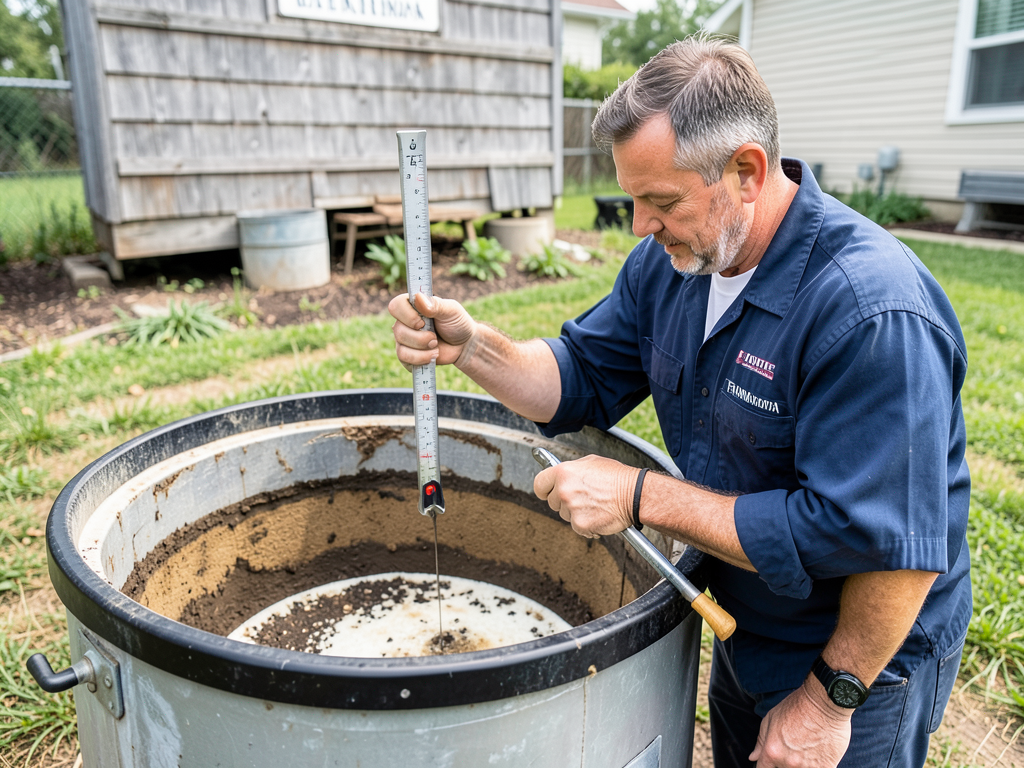
Dealing with Heavy Sediment in the Water Supply Near Eagle Creek Residents near Eagle Creek in Indianapolis often notice gritty…

Dealing with Heavy Sediment in the Water Supply Near Eagle Creek

Dealing with Heavy Sediment in the Water Supply Near Eagle Creek Residents near Eagle Creek in Indianapolis often notice gritty…

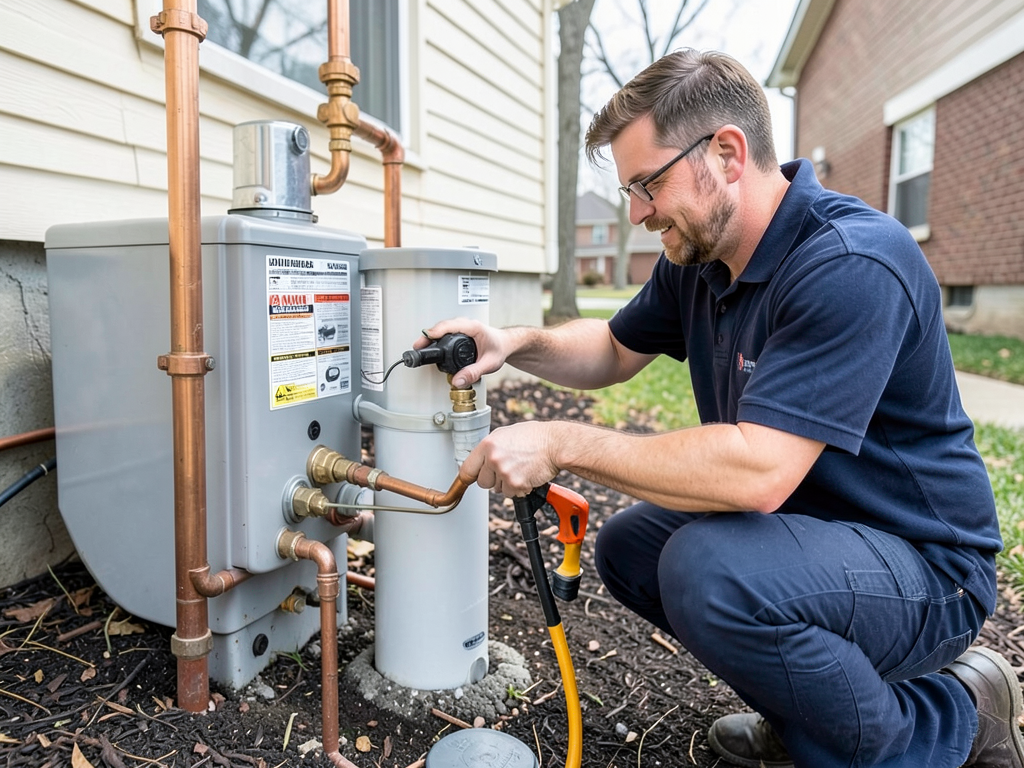
Why a Pressure Assisted Toilet Might Be the Solution for Your Clog-Prone Bathroom in Broad Ripple

Why a Pressure Assisted Toilet Might Be the Solution for Your Clog-Prone Bathroom in Broad Ripple If your Broad Ripple…

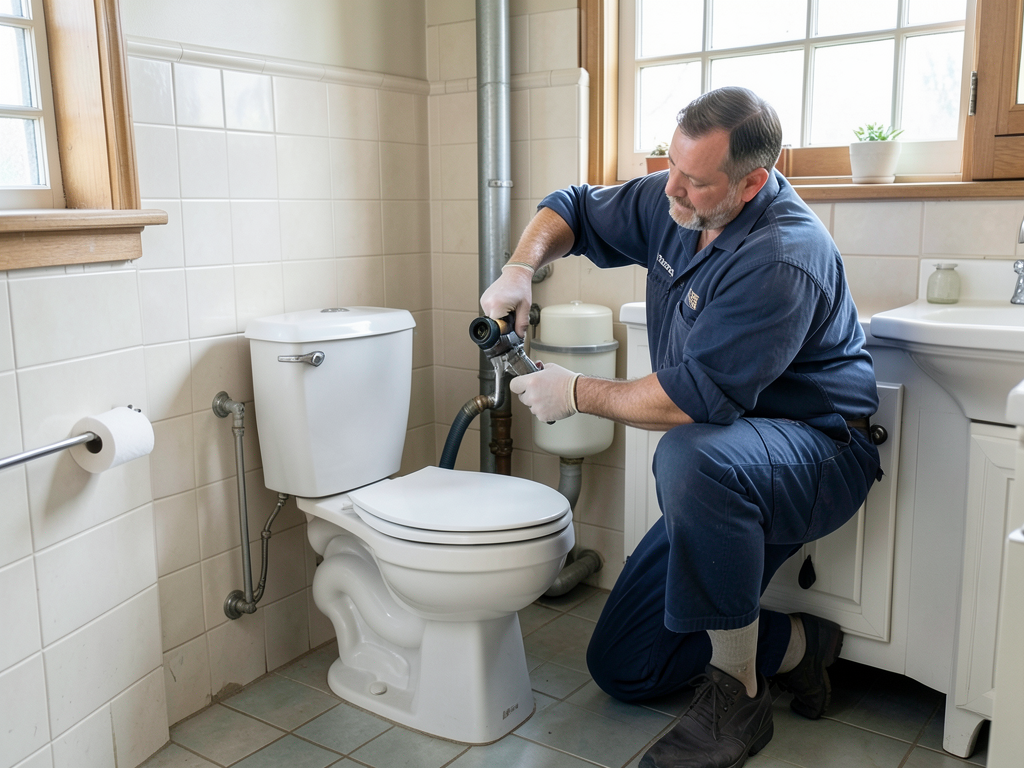
Essential Septic Tank Maintenance Tips for Rural Properties in Franklin

Essential Septic Tank Maintenance Tips for Rural Properties in Franklin Living in rural Franklin means relying on a septic system…

Contact Us

Stop reacting to plumbing failures and start preventing them. Call Keystone Plumbing Indianapolis at (317) 688-8848 to schedule your facility assessment and receive a custom commercial maintenance plan. Protect your operations before the next breakdown forces you to close.