Menu

Low Water Pressure Issues in Indianapolis – Fast Diagnosis and Permanent Fixes for Weak Water Flow

When you turn on the tap and get barely a trickle, you need answers fast. Keystone Plumbing Indianapolis specializes in diagnosing low water pressure issues, from corroded galvanized pipes to failed pressure regulators, and restoring strong, consistent flow throughout your home.

Slider Image 1
Slider Image 2
Slider Image 3
Slider Image 4
Slider Image 5
Slider Image 7
Slider Image 8
Slider Image 9
Slider Image 10
Slider Image 11

Why Indianapolis Homes Struggle With Weak Water Pressure

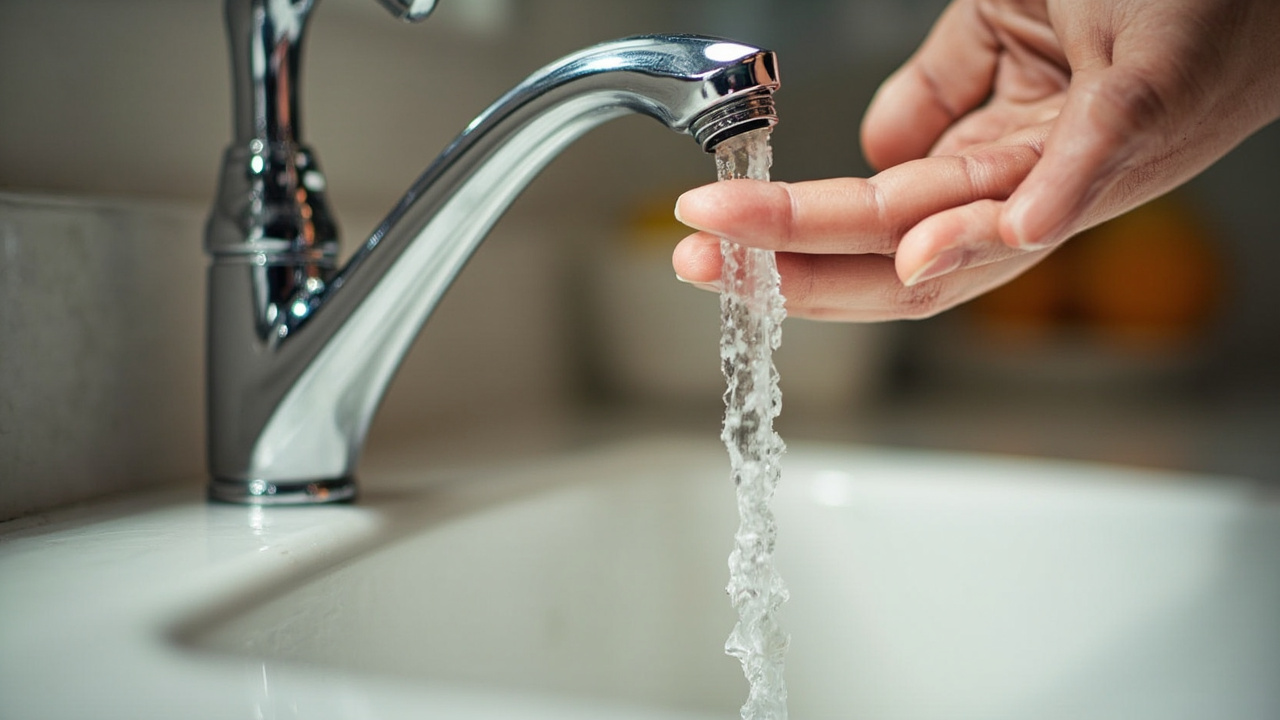
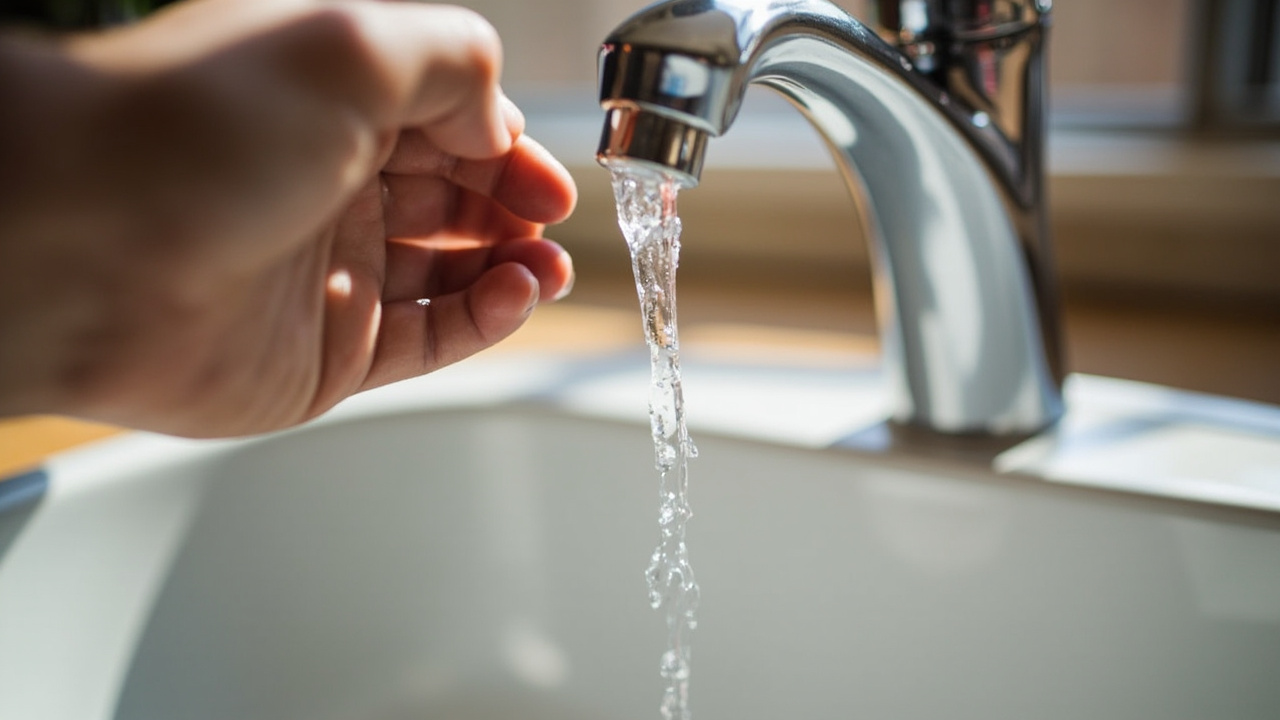
You turn on the shower and wait. The water dribbles out. You try the kitchen sink and get the same pathetic trickle. Low water pressure is not just annoying. It makes basic tasks take twice as long and leaves you wondering if something is seriously wrong with your plumbing.

Indianapolis homes face specific challenges that accelerate poor water pressure. The city's aging housing stock, particularly in neighborhoods like Irvington, Fountain Square, and Broad Ripple, was built with galvanized steel pipes. Over decades, these pipes corrode from the inside out. Mineral deposits build up. The pipe diameter shrinks. What once carried 60 PSI of water pressure now struggles to deliver 30.

Indianapolis Water treats supply with chloramine, which is gentler on pipes than chlorine, but older homes with original plumbing still suffer. The freeze-thaw cycles we experience each winter cause ground shifting and stress on underground service lines. A small crack or offset joint creates a restriction. Suddenly, your entire home experiences decreased water pressure.

Loss of water pressure also stems from failed pressure-reducing valves. Most Indianapolis homes have municipal supply pressure between 60 and 80 PSI. Your PRV steps that down to 50 PSI to protect fixtures. When the valve diaphragm tears or the spring weakens, flow drops to a crawl. You might also have sediment clogging your fixture aerators or a partially closed main shutoff valve. The cause matters because the fix changes completely depending on where the restriction lives.

Why Indianapolis Homes Struggle With Weak Water Pressure
How We Diagnose and Fix Low Water Flow Problems

How We Diagnose and Fix Low Water Flow Problems

Guessing wastes your time and money. We do not throw parts at the problem. We test, measure, and locate the exact source of your weak water pressure before we touch a wrench.

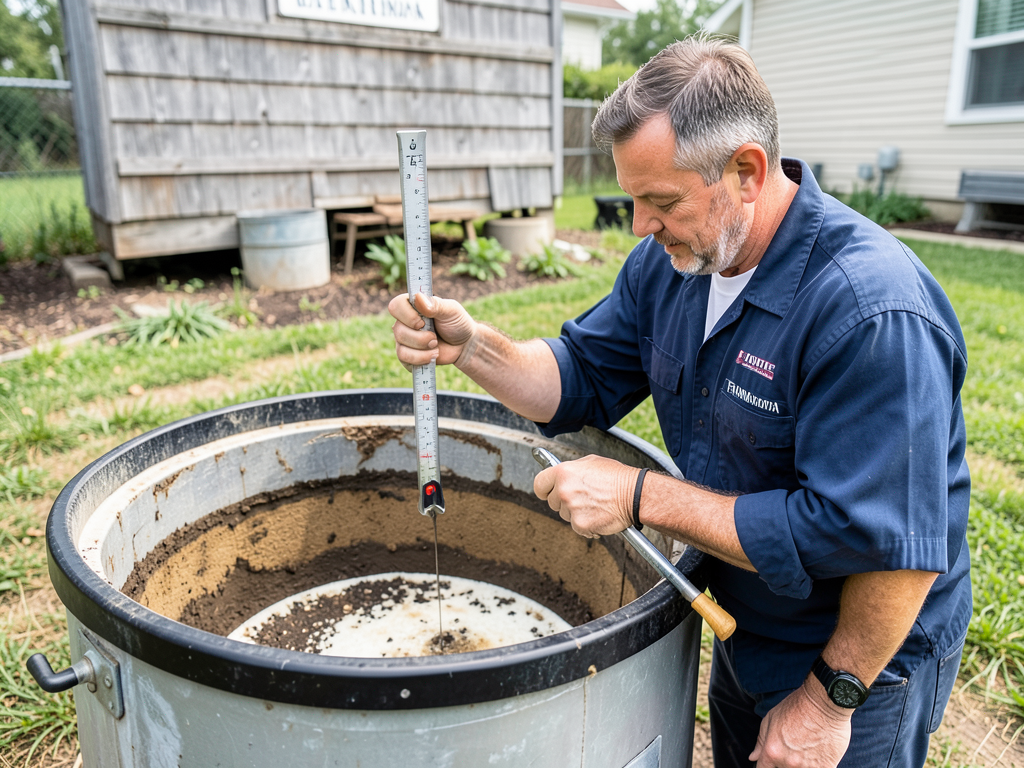
First, we measure static pressure at your hose bibs using a calibrated pressure gauge. This tells us what the municipal supply is delivering to your property line. If street pressure is adequate but your indoor fixtures suffer, the problem is on your side of the meter. We then check pressure at multiple fixture locations to map where the drop occurs. A whole-house problem points to the service line, PRV, or main shutoff. Isolated low flow at one fixture means a clogged aerator or a kinked supply line.

Next, we inspect your pressure-reducing valve. We test inlet versus outlet pressure. If the valve is stuck partially closed or the diaphragm is torn, replacement restores normal flow in under an hour. If your home lacks a PRV and street pressure fluctuates wildly, we install one to protect your fixtures and stabilize pressure.

For homes with galvanized pipe, we perform a visual inspection at exposed sections in the basement or crawlspace. Rust stains, flaking metal, and reduced interior diameter tell the story. Galvanized pipes have a lifespan of 40 to 70 years. If your home was built before 1980 and still has original plumbing, re-piping with PEX or copper eliminates the restriction permanently and improves water quality.

We also check for hidden leaks that rob pressure. A toilet flapper that runs constantly or a pinhole leak in a buried line diverts flow and drops pressure throughout the system.

What Happens During a Low Pressure Service Call

Low Water Pressure Issues in Indianapolis – Fast Diagnosis and Permanent Fixes for Weak Water Flow
01

Pressure Testing and Mapping

We arrive with calibrated gauges and test pressure at your exterior hose bib to establish baseline municipal supply. Then we move inside and check pressure at the kitchen sink, bathroom faucets, and laundry connections. This mapping process reveals whether you have a whole-house issue or an isolated problem. We document readings so you understand exactly where the restriction lives.
02

System Component Inspection

We inspect your pressure-reducing valve, main shutoff valve, and water meter for signs of failure or partial closure. We examine exposed piping for corrosion, scaling, or physical damage. If your home has galvanized pipes, we assess the level of interior buildup. We also check for running toilets or hidden leaks that steal pressure. This phase identifies the root cause, not just the symptom.
03

Repair or Replacement

Once we locate the problem, we present your options. A failed PRV gets replaced. Clogged aerators get cleaned or swapped. Corroded galvanized pipe requires re-piping, which we can phase by zone if budget is a concern. After the repair, we retest pressure at all fixtures to confirm full restoration. You walk away with strong, consistent water flow and a clear understanding of what was fixed and why.

Why Indianapolis Homeowners Trust Keystone Plumbing for Pressure Problems

Low water pressure is a diagnostic problem, not a guess-and-check situation. You need a plumber who understands the difference between a valve issue, a pipe restriction, and a municipal supply problem. Keystone Plumbing Indianapolis has been solving weak water pressure issues in neighborhoods from Butler-Tarkington to Garfield Park for years. We know the housing stock. We know which subdivisions have galvanized pipe and which have copper. We know how Indianapolis Water operates and what pressure ranges to expect from the street.

We also understand local building codes. If your home needs a pressure-reducing valve installed, we pull the permit and ensure compliance with Indianapolis building department requirements. If re-piping is necessary, we coordinate inspections and work with your schedule to minimize disruption. You will not find us ripping out walls without a clear plan or leaving your water shut off for days.

Our technicians carry diagnostic tools, not just pipe wrenches. We use pressure gauges, flow meters, and inspection cameras to locate problems accurately. That means we fix it right the first time. You do not pay for trial-and-error repairs. You do not waste money replacing parts that were never the problem.

We also communicate in plain language. If your pressure regulator is shot, we explain what it does, why it failed, and what happens if you do not replace it. If your galvanized pipes are corroded, we show you the buildup and explain your re-piping options. You make informed decisions, not panicked ones. Trust matters when you are dealing with a problem that affects your entire home.

What to Expect When You Call About Low Water Pressure

Same-Day Diagnostic Appointments

Low water pressure is frustrating, but it is rarely an emergency. That said, we do not make you wait a week for answers. We offer same-day and next-day diagnostic appointments for most calls. Our technician arrives with testing equipment and performs a full pressure assessment. Most diagnostics take 30 to 60 minutes. If the fix is simple, like a clogged aerator or a partially closed valve, we handle it on the spot. If re-piping or PRV replacement is needed, we provide a detailed estimate before we proceed.

Thorough Pressure and Flow Testing

We do not guess. We test static pressure at the street connection, measure pressure drop across your PRV, and check flow rates at multiple fixtures. We inspect your piping for corrosion, leaks, and restrictions. If you have galvanized pipes, we evaluate whether partial or full re-piping is necessary. You get a clear explanation of what is causing your decreased water pressure and what it will take to fix it. We answer your questions and walk you through the options.

Restored Flow and Consistent Pressure

After the repair, you will notice the difference immediately. Showers deliver strong spray. Faucets fill pots quickly. Your washing machine completes cycles faster. If we replaced a PRV, pressure stays stable even when neighbors are using water. If we re-piped sections of your home, you also gain cleaner water and eliminate the risk of future pipe failure. We retest pressure after the work is complete to confirm full restoration and leave you with documentation of the repair.

Maintenance Recommendations and Future Planning

If your home has aging galvanized pipe but you are not ready for a full re-pipe, we help you plan. We identify which sections are most corroded and prioritize replacement zones. If your PRV is new, we explain how to monitor it and what warning signs to watch for. We also recommend water quality testing if sediment or discoloration is present. Our goal is to give you a long-term plan, not just a quick patch. You leave with a roadmap for maintaining strong water pressure for years to come.

Frequently Asked Questions

You Have Questions,
We Have Answers

What is the most common cause of low water pressure? +

The most common cause is sediment buildup in your aerators or pipes. Indianapolis water contains minerals that accumulate over time, restricting flow. Corroded galvanized pipes are another frequent culprit in older homes throughout Marion County. A failing pressure regulator can also drop pressure system-wide. Sometimes the issue stems from the municipal supply itself, especially during peak usage hours or after water main work. Closed or partially closed shutoff valves near your water meter or fixtures can also restrict flow. Each cause requires different diagnostics to pinpoint the exact problem affecting your home.

How do I fix my low water pressure? +

Start by checking your aerators. Unscrew them from faucets and remove any visible mineral deposits. Test multiple fixtures to determine if the problem is isolated or whole-house. Check your main shutoff valve and pressure regulator for proper settings. If you have galvanized pipes common in older Indianapolis neighborhoods, the issue may require repiping. Pressure regulators typically need replacement every 10 to 15 years. For system-wide issues or if you cannot identify the source, a professional diagnostic saves time and prevents misdiagnosis. Many low pressure problems involve hidden pipe corrosion that only inspection reveals.

Should I call a plumber for low pressure? +

Yes, call a plumber when DIY checks do not solve the problem. If multiple fixtures show low pressure, you need professional diagnostics. Hidden leaks, corroded pipes behind walls, or failing pressure regulators require specialized equipment to diagnose. Indianapolis homes built before 1970 often have galvanized pipes that corrode from the inside out, which you cannot see. A plumber can perform pressure tests, inspect your regulator, and check for leaks that waste water and money. Delaying professional help often turns a simple fix into costly water damage or complete repiping.

Can I increase water pressure myself? +

You can clean aerators, check shutoff valves, and test your pressure regulator yourself. These fixes address surface-level issues. Installing a pressure booster pump is possible for handy homeowners, but improper installation can damage your plumbing system. Adjusting your pressure regulator requires knowing the correct PSI range for your home, typically 50 to 60 PSI. Most Indianapolis homes need professional assessment first to confirm the root cause. Many pressure problems stem from corroded pipes or municipal supply issues that DIY adjustments cannot fix. Misdiagnosing the problem wastes time and money.

Can I fix low pressure myself? +

You can fix minor issues like clogged aerators or closed valves yourself. Unscrew faucet aerators, rinse away sediment, and reinstall them. Verify your main water shutoff valve is fully open. These fixes work for isolated fixture problems. For whole-house low pressure, especially in older Indianapolis homes with galvanized pipes, professional help is necessary. Corroded pipes, faulty pressure regulators, and hidden leaks require diagnostic tools and expertise. Attempting repairs without proper assessment often creates bigger problems, including leaks or burst pipes. Start with simple checks, but call a plumber when issues persist.

How to unclog a p-trap? +

Place a bucket under the p-trap, then loosen the slip nuts by hand or with pliers. Remove the curved pipe section and dump trapped debris and water into the bucket. Use a bottle brush or wire to scrub away buildup inside the trap. Check the tailpiece and drainpipe for additional clogs. Rinse all parts thoroughly before reassembling. Hand-tighten slip nuts first, then snug them with pliers without overtightening. Run water to test for leaks. If the clog persists deeper in the drain line, you need professional augering or hydro-jetting to clear blockages.

Why is barely any water coming out of my faucet? +

This signals a severe blockage or restriction at that specific fixture. Check the aerator first for mineral buildup, common in Indianapolis water. If the aerator is clear, the shutoff valve under the sink may be partially closed or failing. Corroded supply lines can also choke off water flow entirely. For older homes, galvanized pipes may have narrowed from decades of rust accumulation. If other fixtures work fine, the problem is isolated to that supply line or fixture. If all fixtures show similar symptoms, your main line or pressure regulator has failed and needs immediate professional attention.

How Indianapolis Water Quality and Aging Pipes Compound Low Pressure Issues

Indianapolis Water treats supply with chloramine, which extends the life of distribution pipes but does not stop corrosion inside your home. Older neighborhoods with galvanized steel supply lines experience accelerated interior scaling due to mineral content in the aquifer. Homes built before 1980 are especially vulnerable. The combination of hard water and decades of use creates thick mineral deposits that choke off flow. What starts as slightly weak water pressure becomes unusable trickle over time. Re-piping these homes with PEX or copper eliminates the restriction and improves water clarity.

Keystone Plumbing Indianapolis works with the city's building department regularly and understands permit requirements for pressure regulator installation and re-piping projects. We also know which neighborhoods are prone to municipal pressure fluctuations and where underground service line failures are common. That local knowledge means faster diagnostics and more accurate recommendations. When you call us about poor water pressure, you are working with a team that has seen your exact problem in homes just like yours.
Plumbing Services in The Indianapolis Area

While we are proud to serve the entire Indianapolis area, our team is committed to providing prompt and efficient service wherever you are. Use the map below to get a better sense of our service area, or simply give us a call. We're happy to discuss your specific location and how quickly we can get an expert to your home or business to address your plumbing needs.

Address:
Keystone Plumbing Indianapolis, 600 E Ohio St, Indianapolis, IN, 46202

Additional Services We Offer

Our news updates

Latest Articles & News from The Blogs

Is Your High Water Pressure Actually Ruining Your Appliances in Fishers? If your dishwasher leaks during the rinse cycle or…

Is Your High Water Pressure Actually Ruining Your Appliances in Fishers?

Is Your High Water Pressure Actually Ruining Your Appliances in Fishers? If your dishwasher leaks during the rinse cycle or…

Choosing Between a Freestanding and a Built-In Tub for Your Meridian-Kessler Master Bath

Meridian-Kessler Bathroom Remodel: Freestanding vs Built-In Tub Guide Selecting the right tub for your Meridian-Kessler master bath involves more than…

Why an Under-Sink Reverse Osmosis System Is Better Than Filtered Pitchers for Indianapolis Water

Indianapolis Water Quality Makes Reverse Osmosis the Clear Choice Indianapolis tap water carries a unique profile that leaves many homeowners…

Contact Us

Stop living with weak water flow. Call Keystone Plumbing Indianapolis at (317) 688-8848 to schedule a diagnostic appointment. We will test your system, locate the problem, and restore strong, consistent pressure throughout your home.