Menu

Dripping Faucets & Leaks in Indianapolis – Expert Diagnosis and Permanent Repairs

Stop wasting water and money on temporary fixes. Our plumbers diagnose the root cause of leaky faucets and dripping taps throughout Indianapolis, delivering repairs that last.

Slider Image 1
Slider Image 2
Slider Image 3
Slider Image 4
Slider Image 5
Slider Image 7
Slider Image 8
Slider Image 9
Slider Image 10
Slider Image 11

Why Indianapolis Homes Struggle with Constant Dripping Faucets

You hear it at night. That steady drip, drip, drip coming from the bathroom or kitchen. That leaky faucet is not just annoying. It wastes gallons of water every day and drives up your utility bill.

Indianapolis homes face specific challenges that accelerate faucet wear. The hard water flowing through Marion County pipes contains high levels of calcium and magnesium. These minerals build up inside faucet cartridges, corroding washers and O-rings faster than in soft-water regions. The result is a dripping tap that starts small but worsens quickly.

Freeze-thaw cycles compound the problem. When temperatures drop below freezing in winter, water inside faucet bodies expands. This creates microfractures in valve seats and compression fittings. By spring, what was a tight seal becomes a leaking spigot.

Older homes in neighborhoods like Broad Ripple and Fountain Square often have original brass fixtures from the 1940s and 1950s. These vintage faucets develop stem corrosion and packing nut failures. The constant dripping you ignore today becomes a full stream tomorrow.

The average faucet water leak wastes 3,000 gallons per year. In Indianapolis, where water rates continue climbing, that drip costs you real money. Beyond the bill, moisture from a leaky faucet encourages mold growth under sinks and inside cabinetry. The longer you wait, the more damage accumulates in places you cannot see.

You need a plumber who understands how Indianapolis water chemistry interacts with different faucet types and knows which replacement parts hold up against local conditions.

Why Indianapolis Homes Struggle with Constant Dripping Faucets
How We Fix Dripping Faucets the Right Way

How We Fix Dripping Faucets the Right Way

Most homeowners try to stop a dripping tap by tightening the handle or replacing a washer from the hardware store. This fails because the real problem lies deeper in the valve assembly.

We start by shutting off the water supply and disassembling the faucet completely. This reveals the actual failure point, whether it is a worn cartridge, damaged valve seat, corroded stem, or failed ceramic disc. Each faucet type requires different tools and replacement components. Compression faucets use rubber washers and brass seats. Cartridge faucets use sealed plastic or brass cartridges. Ball faucets use cam assemblies and inlet seals. Ceramic disc faucets use paired ceramic plates.

For hard water damage, we inspect the valve seat for pitting and mineral buildup. If the seat is scored, we use a seat wrench to remove it and install a new one. If the cartridge shows calcium deposits, we replace it with a model designed for high-mineral water. We apply plumber's grease to all O-rings and seals to prevent premature wear.

For older fixtures with stem corrosion, we may recommend upgrading to a ceramic disc model. These faucets have fewer moving parts and resist mineral buildup better than compression designs. We match the new faucet to your existing sink configuration so you avoid costly countertop modifications.

We test the repair under full water pressure before we leave. You should hear silence. If you hear any dripping or see moisture around the base, we disassemble and reseat the components until the seal is perfect. A proper faucet repair lasts years, not months.

What Happens During Your Faucet Repair Appointment

Dripping Faucets & Leaks in Indianapolis – Expert Diagnosis and Permanent Repairs
01

Initial Leak Assessment

We inspect the leaking spigot to identify the faucet type and locate the source of the drip. We check the handle, spout base, and supply lines for visible corrosion or damage. We also test water pressure at other fixtures to rule out system-wide issues. This diagnosis determines which parts we need and whether a repair or replacement makes more sense for your situation.
02

Component Replacement

We turn off the water supply and disassemble the faucet using basin wrenches and cartridge pullers. We remove the failed washer, cartridge, or valve seat and clean mineral deposits from the faucet body. We install new components that match your faucet model and apply sealant where needed. For persistent hard water issues, we may recommend installing an inline filter to extend the life of the new parts.
03

Pressure Testing and Cleanup

We restore water pressure and run the faucet through multiple open-and-close cycles. We check for leaks at the spout, handle, and supply connections. We also inspect under the sink for any moisture that indicates a deeper supply line issue. Once we confirm the repair holds, we clean up completely and show you how to operate the faucet correctly to prevent future problems.

Why Indianapolis Homeowners Trust Keystone Plumbing for Faucet Repairs

You need a plumber who stocks the right parts for Indianapolis water conditions. We carry cartridges, washers, and valve seats designed to resist the hard water flowing through Marion County pipes. This means your repair lasts longer than generic parts from a big-box store.

We also understand local building codes. Indianapolis adopted the 2018 Indiana Plumbing Code, which sets specific standards for fixture installation and water efficiency. If your faucet repair requires supply line replacement or valve upgrades, we ensure compliance so you avoid issues during home inspections or resale.

Our plumbers have repaired faucets in homes across Broad Ripple, Fountain Square, Irvington, and Butler-Tarkington. We know which faucet brands hold up best in older homes and which modern fixtures integrate with vintage plumbing. If you have a 1920s bungalow with galvanized pipes or a 1970s ranch with polybutylene lines, we have seen it before and know how to adapt the repair.

We arrive on time with a fully stocked van. You will not wait days for a special-order part. We complete most faucet repairs in one visit, so you get back to your routine without multiple appointments.

Keystone Plumbing Indianapolis focuses on long-term solutions, not quick patches. We explain what caused the leak, what we did to fix it, and how you can prevent the same problem in other faucets. You get transparency and education, not a sales pitch for unnecessary services.

When you call us, you reach a local plumber who lives and works in Indianapolis. We answer our phones, show up when we say we will, and treat your home with respect.

What to Expect When You Schedule Faucet Leak Repair

Same-Day Service Availability

We offer same-day appointments for faucet leaks throughout Indianapolis. Most dripping faucets qualify as routine repairs, so we can fit you into our schedule quickly. If your leak occurs after hours or on a weekend, we provide emergency service with no markup for nights or weekends. You should not have to wait three days to stop wasting water. Call us in the morning, and we will likely arrive that afternoon.

Transparent Diagnosis Process

We show you the damaged component before we replace it. You will see the worn washer, corroded cartridge, or pitted valve seat that caused the constant dripping. We explain your options, including repair versus replacement, and give you upfront pricing before we start work. If we discover additional issues, like a cracked faucet body or corroded supply line, we discuss those separately. You decide what gets fixed.

Lasting Repairs That Hold Up

Our faucet repairs stop the leak permanently. We use manufacturer-approved parts or upgraded components designed for hard water conditions. You will not hear dripping the next day or next week. We test every repair under full pressure and check for leaks at all connection points. If you experience any issues after we leave, we return to make it right at no additional charge.

Maintenance Guidance and Prevention Tips

We provide specific advice for maintaining your faucets in Indianapolis water conditions. This includes recommendations for how often to clean aerators, when to replace supply lines, and whether a whole-house water softener makes sense for your situation. If you have multiple older faucets showing signs of wear, we can create a maintenance plan that spaces out replacements to fit your budget while preventing emergency failures.

Frequently Asked Questions

You Have Questions,
We Have Answers

How do I get my faucet to stop dripping? +

Turn off the water supply under the sink. Remove the faucet handle by unscrewing the cap and handle screw. Pull out the cartridge or stem assembly and inspect the rubber washer or O-ring. These components wear out from constant use and cause drips. Replace worn parts with exact matches from a local Indianapolis hardware store. Reassemble the faucet, turn the water back on, and test. If the drip continues, the valve seat may be corroded. For compression faucets common in older Indianapolis homes, replace the seat washer. Persistent drips often signal deeper valve damage requiring professional repair.

At what temperature should you drip faucets? +

When Indianapolis temperatures drop below 20 degrees Fahrenheit, set your faucets to a pencil-width stream. This keeps water moving through pipes and prevents freezing. Our freeze-thaw cycles stress pipe systems, especially in homes built on concrete slabs or with crawl spaces. Start dripping both hot and cold taps when the National Weather Service forecasts prolonged subfreezing conditions. Focus on exterior walls and unheated areas like garages. A slow, steady drip is enough. You do not need a strong flow. This small water waste prevents burst pipes that cost thousands in emergency repairs and water damage.

What is the most common cause of a dripping faucet? +

Worn rubber washers and O-rings cause most dripping faucets. Every time you turn a faucet on and off, the washer presses against the valve seat. Constant friction degrades the rubber over months and years. Indianapolis water contains minerals that accelerate this wear and create sediment buildup on valve seats. Hard water scaling is particularly common in older neighborhoods with original plumbing. Compression faucets with washers fail more often than ceramic disc or cartridge faucets. Corrosion on valve seats from our mineral-heavy water also prevents proper sealing, allowing water to seep through even with new washers installed.

Is a dripping faucet considered a leak? +

Yes. A dripping faucet is a leak. Even slow drips waste significant water and increase your Citizens Energy Group bill. One drip per second wastes over 3,000 gallons annually. That drip also signals worn internal components that will worsen without repair. The constant moisture creates conditions for mold growth under sinks and cabinets. In Indianapolis homes with basement plumbing, drips can go unnoticed for months while damaging subflooring and joists. Whether the drip comes from the spout, handle base, or supply connections, treat it as a leak requiring immediate attention to prevent waste and structural damage.

How do I stop a constant dripping tap? +

Shut off the water supply valves beneath the sink. Disassemble the faucet handle and remove the internal cartridge or stem. Inspect all rubber seals, O-rings, and washers for cracks, hardness, or mineral deposits. Replace damaged components with exact replacements. Clean the valve seat with a cloth and white vinegar to remove Indianapolis hard water buildup. Reassemble carefully, ensuring proper alignment. Turn water back on slowly and check for leaks. If the drip persists after replacing seals, the valve seat itself may be pitted or the cartridge damaged beyond repair, requiring complete faucet replacement or professional diagnosis.

What does spraying WD-40 in a faucet do? +

WD-40 temporarily lubricates moving parts and displaces water but does not fix a dripping faucet. Some homeowners spray it into cartridge mechanisms hoping to stop squeaks or ease stuck handles. This creates short-term relief but attracts dirt and grime that accelerates wear. WD-40 degrades rubber washers and O-rings, worsening leaks over time. Indianapolis plumbing codes require proper repairs with approved materials. Using WD-40 masks the real problem without addressing worn seals or corroded valve seats. For stuck handles or squeaky operation, use plumber-approved silicone grease designed for faucet components. Always replace worn parts rather than masking failures with lubricants.

Should you drip faucets all day or just at night? +

Drip faucets only during sustained freezing periods, not daily. Indianapolis experiences intermittent cold snaps rather than continuous deep freezes. Monitor National Weather Service forecasts and start dripping when temperatures will stay below 20 degrees for 6 plus hours, typically overnight. Turn off the drip when temps rise above freezing during the day. Constant dripping wastes hundreds of gallons and raises your water bill unnecessarily. Focus on faucets serving exterior walls, unheated crawl spaces, or pipes in uninsulated areas. Interior pipes in heated spaces rarely need dripping. Strategic overnight dripping during extreme cold protects vulnerable pipes without wasting water daily.

Will dripping faucet increase water bill? +

Yes. A slow drip wastes 15 to 20 gallons daily. At Indianapolis water rates from Citizens Energy Group, that adds 5 to 10 dollars monthly to your bill. Faster drips waste 30 plus gallons daily, costing 20 dollars or more each month. Over a year, one dripping faucet wastes hundreds of dollars. Homes with multiple dripping faucets see bills spike noticeably. Hard water accelerates washer wear in Indianapolis, causing more frequent drips. The wasted water also strains municipal treatment systems. Fixing drips quickly saves money immediately and prevents the need for costlier emergency repairs if internal components fail completely and flood cabinets or floors.

Can pipes still freeze with water dripping? +

Yes, but dripping reduces the risk significantly. Moving water resists freezing better than standing water. A steady drip keeps fresh, warmer water flowing from your water heater through the pipes. However, if Indianapolis temperatures drop below 10 degrees for extended periods, or wind chill is extreme, even dripping faucets may not prevent freezing in exposed pipes. Pipes in unheated crawl spaces, exterior walls without insulation, or detached garages remain vulnerable. Combine dripping with pipe insulation and cabinet door opening to allow heated air circulation. Dripping is not a guarantee, just a proven preventive measure that significantly lowers freeze risk.

Should I call a plumber for a dripping faucet? +

Call a plumber if you cannot identify the cause, lack the tools, or the drip persists after replacing washers. Corroded valve seats require specialized reseating tools. Cartridge faucets need exact replacement parts that vary by brand and age. If you see water pooling under the sink, corrosion on supply lines, or mold growth, you need professional assessment. Indianapolis homes with older plumbing may have threaded connections that strip easily during DIY repairs. A dripping faucet seems minor but signals wear that worsens fast. Professional repair prevents water damage, saves money on wasted water, and ensures code-compliant fixes that last years.

How Indianapolis Hard Water Accelerates Faucet Failures

Indianapolis receives its drinking water from White River and Fall Creek, both of which flow through limestone bedrock. This geology creates water hardness levels between 12 and 18 grains per gallon in most of Marion County. That level qualifies as hard to very hard. The calcium and magnesium dissolved in your water precipitate out when heated or when pressure drops inside a faucet valve. These mineral deposits corrode washers and clog cartridge ports faster than in soft-water cities. If you notice white buildup on your faucet spout or showerhead, you are seeing the same minerals destroying internal seals.

Local plumbers who understand Indianapolis water chemistry choose replacement parts that resist mineral buildup. We know which cartridge brands use ceramic components instead of rubber, which valve seats resist pitting, and which faucet finishes hold up to hard water spotting. This expertise matters because a generic repair using off-the-shelf parts will fail again in months. Keystone Plumbing Indianapolis has repaired thousands of faucets across Marion County. We know what works here.
Plumbing Services in The Indianapolis Area

While we are proud to serve the entire Indianapolis area, our team is committed to providing prompt and efficient service wherever you are. Use the map below to get a better sense of our service area, or simply give us a call. We're happy to discuss your specific location and how quickly we can get an expert to your home or business to address your plumbing needs.

Address:
Keystone Plumbing Indianapolis, 600 E Ohio St, Indianapolis, IN, 46202

Additional Services We Offer

Our news updates

Latest Articles & News from The Blogs

Dealing with Heavy Sediment in the Water Supply Near Eagle Creek Residents near Eagle Creek in Indianapolis often notice gritty…

Dealing with Heavy Sediment in the Water Supply Near Eagle Creek

Dealing with Heavy Sediment in the Water Supply Near Eagle Creek Residents near Eagle Creek in Indianapolis often notice gritty…

Why a Pressure Assisted Toilet Might Be the Solution for Your Clog-Prone Bathroom in Broad Ripple

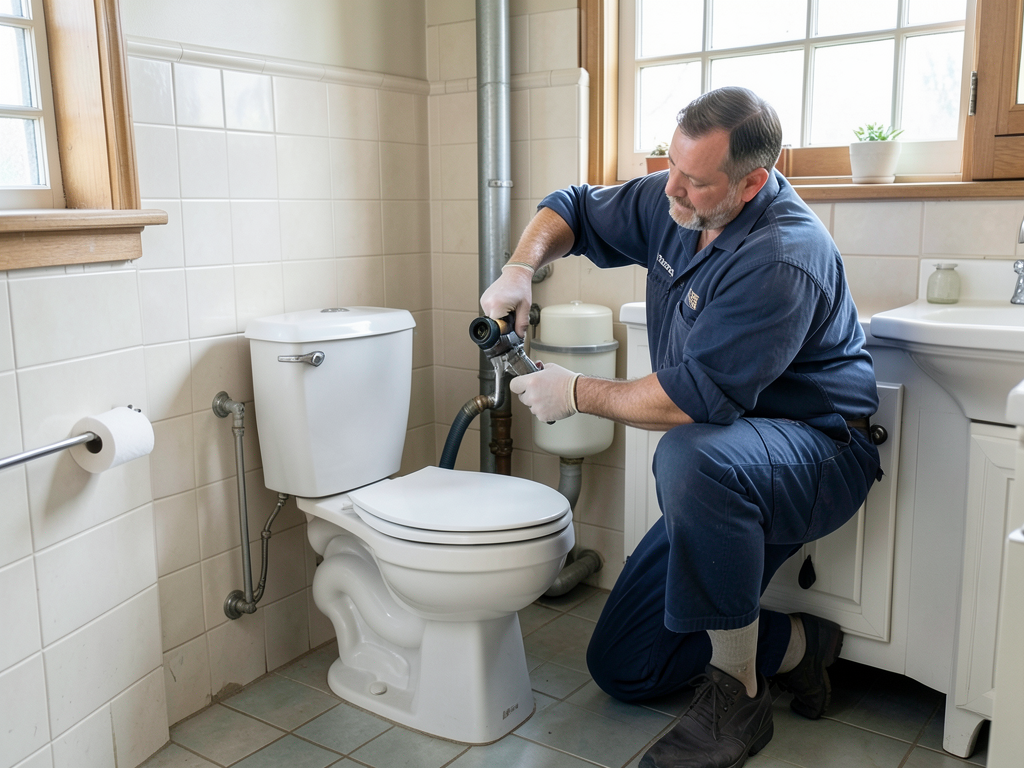
Why a Pressure Assisted Toilet Might Be the Solution for Your Clog-Prone Bathroom in Broad Ripple If your Broad Ripple…

Essential Septic Tank Maintenance Tips for Rural Properties in Franklin

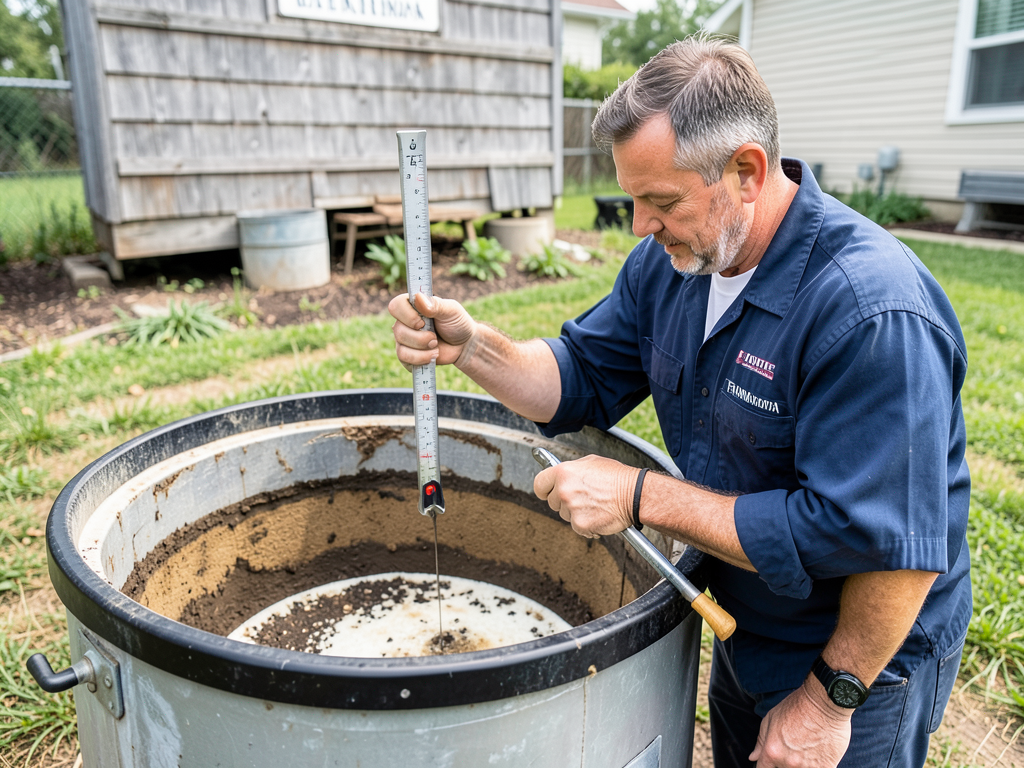
Essential Septic Tank Maintenance Tips for Rural Properties in Franklin Living in rural Franklin means relying on a septic system…

Contact Us

Call Keystone Plumbing Indianapolis at (317) 688-8848 right now. We will schedule your faucet repair, arrive on time, and fix the leak permanently. You will stop wasting water and money today.