Menu

Commercial Plumbing Contractors in Indianapolis | Minimize Downtime with Industrial-Grade Solutions

Keystone Plumbing Indianapolis delivers commercial plumbing services engineered for business continuity, handling everything from complex industrial systems to multi-tenant retrofits across the greater Indianapolis metro.

Slider Image 1
Slider Image 2
Slider Image 3
Slider Image 4
Slider Image 5
Slider Image 7
Slider Image 8
Slider Image 9
Slider Image 10
Slider Image 11

Why Indianapolis Businesses Need Specialized Commercial Plumbing Contractors

Your facility cannot afford plumbing failures. A single backflow incident in a food processing plant triggers health department shutdowns. A failed boiler in a hospital wing compromises patient safety. A sewer main collapse at a retail complex halts operations and damages your reputation.

Indianapolis's freeze-thaw cycles place unique stress on commercial plumbing infrastructure. Winter temperatures routinely drop below 20 degrees, then swing back to 50 within days. This expansion and contraction fatigues cast iron waste lines, cracks underground service laterals, and ruptures overhead sprinkler mains. Add the region's aggressive clay soil that shifts and settles beneath slab foundations, and you understand why commercial plumbing companies serving Indianapolis need geological awareness, not just pipe-fitting skills.

The city's aging commercial building stock compounds these challenges. Many warehouses and manufacturing facilities in the Fletcher Place and Fountain Square districts still rely on galvanized steel supply lines installed in the 1960s. These corroded systems reduce water pressure, leach contaminants, and fail without warning during peak demand periods.

Commercial plumbing firms must also navigate Indianapolis's strict commercial building codes. Marion County requires backflow prevention assemblies on all commercial water services, annual testing documentation, and specific fixture unit calculations for grease interceptors in food service establishments. Industrial plumbing contractors who lack familiarity with local health department protocols create compliance headaches that delay your certificate of occupancy and stall your revenue timeline.

You need commercial plumbers who understand that every hour of downtime translates directly to lost productivity, missed deadlines, and eroded customer confidence.

Why Indianapolis Businesses Need Specialized Commercial Plumbing Contractors
How Keystone Plumbing Indianapolis Approaches Commercial Projects

How Keystone Plumbing Indianapolis Approaches Commercial Projects

We engineer commercial plumbing systems for operational resilience, not just code minimums. Our methodology starts with load analysis and failure point mapping. We calculate fixture unit demand across all zones, identify single points of failure in your distribution network, and map shutoff valve locations to enable surgical repairs without building-wide shutdowns.

For new construction and tenant improvements, we design redundancy into critical systems. Hospitals and data centers receive dual domestic water services with automatic switchover capability. Manufacturing facilities get isolated zone control so maintenance on one production line does not impact others. Multi-tenant office buildings receive individual metering and shutoff capability for each suite to contain problems and allocate costs accurately.

Our rough-in and installation teams work from coordinated BIM models that prevent conflicts with HVAC ductwork, electrical conduit, and structural elements. This coordination eliminates costly field changes and schedule delays. We prefabricate complex assemblies like manifold stations and mixing valve trees in our shop, then deliver them ready for connection, cutting your on-site labor costs and minimizing disruption to occupied spaces.

We spec commercial-grade components engineered for high-cycle applications. That means brass ball valves instead of plastic gate valves, stainless steel braided supply lines instead of compression fittings, and cast iron no-hub soil pipe with stainless steel clamps instead of PVC in areas subject to impact or temperature extremes.

Commercial plumbing services extend beyond installation. We provide as-built documentation, valve tagging, and system operating manuals so your facilities team can manage the infrastructure confidently. We train your maintenance staff on shutdown procedures, troubleshooting protocols, and preventive maintenance schedules.

What Happens When You Partner with Our Commercial Plumbing Team

Commercial Plumbing Contractors in Indianapolis | Minimize Downtime with Industrial-Grade Solutions
01

Site Assessment and Load Analysis

We tour your facility to document existing conditions, measure water pressure at multiple fixtures, inspect mechanical rooms and pipe chases, and identify code violations or deferred maintenance issues. For new construction, we review architectural plans and coordinate utility connection points with Citizens Energy Group. This analysis determines system capacity requirements and identifies cost-effective routing strategies that minimize excavation and structural penetrations.
02

System Design and Permitting

Our licensed plumbing designers create detailed construction drawings showing pipe sizing, fixture schedules, riser diagrams, and backflow preventer locations. We submit permit applications to the Marion County Health Department and coordinate inspections with the Department of Business and Neighborhood Services. For industrial clients, we design process water systems, compressed air networks, and specialty gas distribution that comply with OSHA and EPA regulations specific to your industry.
03

Installation and System Commissioning

Our installation crews work from the service entrance inward, pressure testing each section before concealment and providing photographic documentation of underground rough-in. We flush all lines, balance fixture pressures, calibrate mixing valves, and test all backflow devices. You receive as-built drawings, operations manuals, warranty documentation, and a planned maintenance schedule. We conduct walk-through training with your facilities staff to ensure they understand system operation and emergency shutdown procedures.

Why Indianapolis Commercial Property Managers Choose Keystone Plumbing Indianapolis

You need a commercial plumbing contractor who understands that your building is a revenue-generating asset. Every day a retail tenant cannot open because of a sewer backup is lost rent. Every hour a medical office runs without hot water is a regulatory violation. Every week a restaurant operates with intermittent water pressure is negative online reviews and declining reservations.

Keystone Plumbing Indianapolis operates with commercial accountability. We provide detailed project schedules with milestone dates, daily progress reports for active jobs, and transparent change order processes when unforeseen conditions arise. Our project managers have direct authority to make field decisions, eliminating the communication delays that plague larger regional firms.

We maintain relationships with local building inspectors, health department plan reviewers, and utility coordination staff at Citizens Energy Group. This familiarity accelerates permit approvals and inspection scheduling. We know which inspectors require additional documentation, which code interpretations apply in Marion County versus surrounding counties, and how to expedite utility service upgrades when your project timeline is compressed.

Our service territory focuses exclusively on the Indianapolis metro area. We do not spread crews across three states. This geographic concentration means faster response times for emergency repairs, familiarity with local supplier inventories for rapid parts procurement, and intimate knowledge of which neighborhoods have cast iron sewer mains prone to root intrusion versus PVC services installed in recent decades.

We stock commercial-grade inventory that residential plumbing companies do not carry. Our warehouse maintains backflow preventers from 3/4-inch to 6-inch, commercial flush valves, sensor faucets, grease interceptors, and specialized gaskets for food-grade applications. This inventory eliminates the multi-day lead times that halt your project while competitors wait for special orders.

What to Expect When You Hire Commercial Plumbing Contractors

Project Timeline and Scheduling

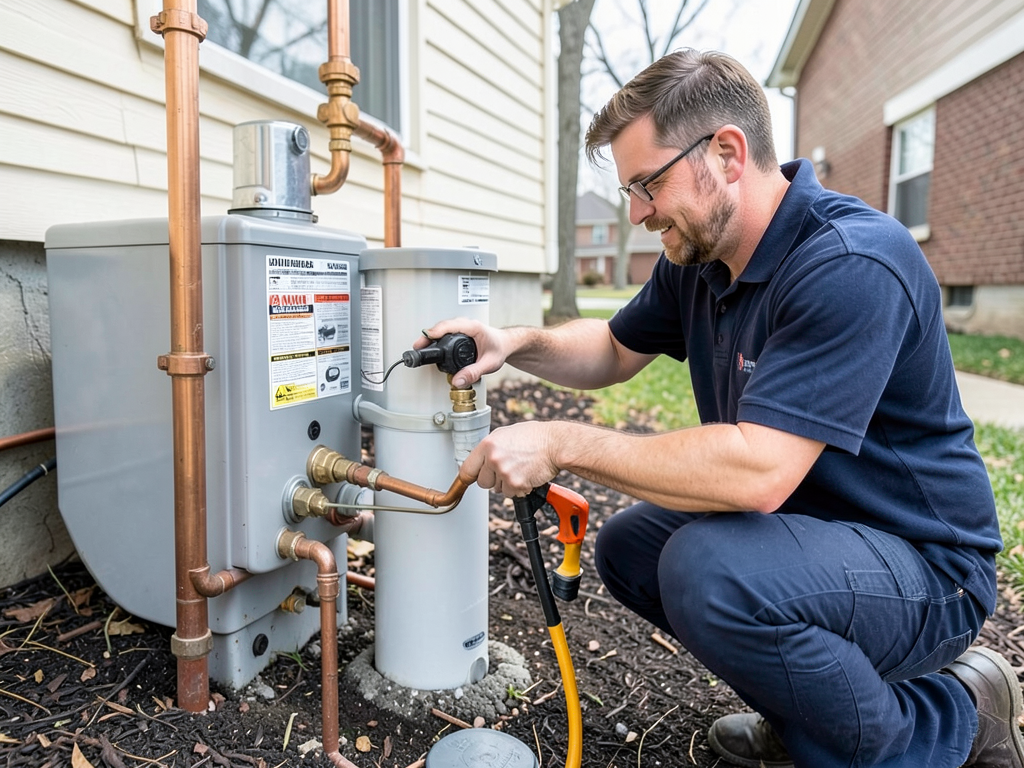
Commercial plumbing projects follow construction schedules measured in weeks or months, not hours. Rough-in installation for a 20,000-square-foot office build-out takes 10 to 15 business days depending on fixture count and coordination with other trades. Fixture installation and trim-out requires an additional week after drywall completion. We provide detailed schedules during the estimating phase and update progress weekly. For emergency repairs like main line breaks or water heater failures, we dispatch crews within two hours during business operations and provide temporary bypass solutions to maintain partial functionality while permanent repairs proceed.

Pre-Construction Planning and Coordination

Successful commercial projects require coordination before the first pipe gets installed. We attend pre-construction meetings with general contractors, architects, and mechanical engineers to review submittal schedules, material lead times, and sequencing conflicts. We identify long-lead items like custom mixing valves or specialty fixtures that require early procurement. For occupied buildings, we develop phased installation plans that maintain business operations, schedule disruptive work during off-hours, and provide temporary facilities when necessary. This planning prevents the costly schedule disruptions that occur when trades compete for the same work areas.

Quality Control and Code Compliance

Every commercial installation undergoes multi-stage inspection. We pressure test all supply lines at 150 PSI for four hours before concealment. We flood test all drain lines and verify proper slope using laser levels. We document all underground rough-in with photographs before backfill. Our installations meet Indiana Plumbing Code requirements and manufacturer specifications for warranty validation. We coordinate required inspections with local authorities, address any correction notices immediately, and do not proceed to subsequent phases until prior work receives approval. You receive copies of all inspection reports and test documentation for your building records.

Post-Installation Support and Maintenance

Commercial plumbing systems require ongoing maintenance to prevent failures. We offer preventive maintenance agreements that include quarterly inspections, annual backflow testing, water heater flushing, and drain line cleaning. These scheduled services identify minor issues before they escalate into emergency repairs. We maintain detailed service histories for each property, tracking component lifecycles and recommending proactive replacements when equipment approaches end of service life. For facilities with critical operations like hospitals or food processing plants, we provide priority emergency response with guaranteed arrival times and after-hours contact protocols.

Frequently Asked Questions

You Have Questions,
We Have Answers

How much does a commercial plumber charge? +

Commercial plumbers in Indianapolis typically charge $85 to $150 per hour for standard service calls, with rates increasing for emergency or after-hours work. Large commercial projects often use flat-rate pricing based on scope, complexity, and materials. Factors affecting cost include building size, system age, code compliance requirements, and whether work disrupts business operations. Multi-story buildings or facilities with specialized systems like grease traps or backflow preventers require higher rates. Always request detailed written estimates that break down labor, materials, and permits to protect your business and budget accordingly.

What is the 135 rule for plumbing? +

The 135-rule applies to commercial drainage systems where horizontal pipes must slope at a minimum grade to maintain proper flow velocity. Specifically, pipes should drop 1 inch vertically for every 4 feet of horizontal run, creating an optimal 2% grade. Indianapolis plumbing inspectors verify this during commercial inspections to prevent standing water, which breeds bacteria and causes blockages. For commercial kitchens, restaurants, and industrial facilities, maintaining this slope is critical for grease and waste removal. Improper grades lead to frequent backups, costly repairs, and health code violations that shut down operations.

What is the highest paid type of plumber? +

Master plumbers specializing in commercial and industrial systems earn the highest wages, often exceeding residential plumbers by 30-40%. In Indianapolis, those working on large-scale projects like hospitals, manufacturing plants, or high-rise construction command premium rates due to complex systems, stringent code requirements, and liability. Plumbers with specialized certifications in medical gas systems, backflow prevention, or industrial process piping earn top dollar. Union commercial plumbers in the Indianapolis metro area typically see stronger compensation packages with benefits. Expertise in building automation systems and hydronic heating also increases earning potential significantly.

What is a commercial plumber called? +

A commercial plumber is a licensed professional who specializes in large-scale plumbing systems for businesses, industrial facilities, and multi-unit properties. Unlike residential plumbers, they handle complex installations including commercial-grade water heaters, industrial boilers, grease interceptors, backflow assemblies, and multi-fixture restroom systems. In Indianapolis, commercial plumbers must understand local amendments to the Indiana Plumbing Code and work with commercial building inspectors. They coordinate with general contractors, engineers, and facility managers to minimize downtime. Some specialize further as industrial plumbers, pipefitters, or steamfitters depending on the facility type and system complexity.

How much does it cost to plumb a 2000 sq ft house? +

This question addresses residential scope, not commercial applications. For commercial plumbing estimates in Indianapolis, costs depend entirely on building use, fixture count, and system complexity. A 2,000-square-foot retail space requires vastly different infrastructure than a restaurant or medical office of the same size. Commercial projects factor in grease traps, commercial water heaters, ADA-compliant fixtures, backflow preventers, and increased supply line sizing. Code requirements differ significantly from residential work. Contact a licensed commercial plumber for accurate project-specific estimates based on your business needs, occupancy load, and Indianapolis building code requirements.

How much does a plumber make if he owns his own business? +

Plumbing business owners in Indianapolis see highly variable income based on client mix, overhead, and operational scale. Commercial-focused plumbing contractors typically generate higher revenue than residential-only operations due to larger project values and recurring maintenance contracts. Owner income depends on whether they actively work in the field or focus on business management. Factors include employee count, fleet size, insurance costs, and bonding capacity for commercial work. Successful commercial plumbing contractors balance operational efficiency, client retention, and strategic bidding. Profit margins vary widely based on specialization, reputation, and ability to secure municipal or industrial contracts.

How to estimate plumbing work? +

Commercial plumbing estimates require detailed site assessment, fixture counts, and material specifications. Start by reviewing architectural plans to identify all water supply points, drainage requirements, and equipment connections. Calculate linear feet of piping, fittings, hangers, and valves needed. Factor in labor hours based on accessibility, building height, and coordination with other trades. Include permit fees, inspection costs, and Indianapolis code compliance requirements. Account for commercial-grade fixtures, backflow devices, and specialized equipment like grease interceptors. Add contingency for unforeseen conditions in existing buildings. Professional estimating software helps track material costs and labor rates to ensure competitive yet profitable bids.

What is the 1.414 rule in plumbing? +

The 1.414 rule calculates offset piping distances in commercial installations where pipes must navigate around structural obstacles at 45-degree angles. When a pipe runs diagonally, the actual travel distance equals the horizontal offset multiplied by 1.414. This mathematical constant ensures accurate material ordering and proper pitch maintenance in drainage systems. Indianapolis commercial plumbers use this calculation when routing pipes around beams, ductwork, or equipment in tight mechanical rooms. Accurate offset calculations prevent installation errors, reduce material waste, and maintain code-required slopes for drainage. This rule applies to both supply and waste lines in commercial construction.

Can a drain pipe have a 90 degree elbow? +

Yes, but placement and application matter significantly in commercial systems. A 90-degree elbow in a horizontal drain line creates turbulence and potential clog points, particularly in commercial kitchens or high-volume facilities. Indianapolis plumbing code restricts their use in certain drainage applications, often requiring two 45-degree fittings instead to maintain flow velocity. Vertical-to-horizontal transitions typically allow 90-degree elbows with proper venting. Commercial installations serving multiple fixtures require careful fitting selection to prevent backups that halt business operations. Long-radius 90s reduce resistance compared to short-radius fittings. Always consult local code amendments and inspection requirements for commercial drain installations.

Can a plumber make $100,000 a year? +

Yes, experienced commercial plumbers in Indianapolis regularly exceed six-figure incomes through strategic specialization and business growth. Those focusing on industrial maintenance, new commercial construction, or municipal contracts achieve this threshold more consistently than residential-only plumbers. Factors include overtime availability, union membership, specialized certifications, and willingness to work emergency calls. Master plumbers with their own commercial contracting businesses often surpass this significantly by securing recurring service contracts with property management firms, restaurants, or manufacturing facilities. Building a reputation for minimizing downtime and maintaining code compliance creates premium pricing opportunities in the Indianapolis commercial market.

How Indianapolis Building Codes Impact Commercial Plumbing Contractors

Indianapolis enforces commercial plumbing requirements that exceed state minimums in several critical areas. Marion County mandates backflow prevention on all commercial water services, annual testing by certified technicians, and documented cross-connection control programs for facilities handling chemicals or industrial processes. The health department requires grease interceptors for all food service establishments, with sizing calculations based on fixture unit load and anticipated grease production. These interceptors need quarterly pumping and cleaning documentation. Buildings in the flood-prone areas near White River and Fall Creek face additional requirements for sump pump discharge routing and foundation drainage systems. Commercial plumbing contractors unfamiliar with these local amendments create compliance problems that delay occupancy permits and trigger reinspection fees.

Keystone Plumbing Indianapolis maintains active relationships with Marion County building officials and health department plan reviewers. We submit compliant permit applications that pass initial review without correction requests. We understand which commercial districts allow gray water systems, where storm water separation is required, and how utility easements impact service lateral routing. Our familiarity with local inspection protocols means we schedule required inspections at appropriate construction milestones, preventing the delays that occur when out-of-area industrial plumbing contractors miss inspection windows. We speak the same technical language as local inspectors, resolving field questions quickly without the back-and-forth that stalls projects.
Plumbing Services in The Indianapolis Area

While we are proud to serve the entire Indianapolis area, our team is committed to providing prompt and efficient service wherever you are. Use the map below to get a better sense of our service area, or simply give us a call. We're happy to discuss your specific location and how quickly we can get an expert to your home or business to address your plumbing needs.

Address:
Keystone Plumbing Indianapolis, 600 E Ohio St, Indianapolis, IN, 46202

Additional Services We Offer

Our news updates

Latest Articles & News from The Blogs

Dealing with Heavy Sediment in the Water Supply Near Eagle Creek Residents near Eagle Creek in Indianapolis often notice gritty…

Dealing with Heavy Sediment in the Water Supply Near Eagle Creek

Dealing with Heavy Sediment in the Water Supply Near Eagle Creek Residents near Eagle Creek in Indianapolis often notice gritty…

Why a Pressure Assisted Toilet Might Be the Solution for Your Clog-Prone Bathroom in Broad Ripple

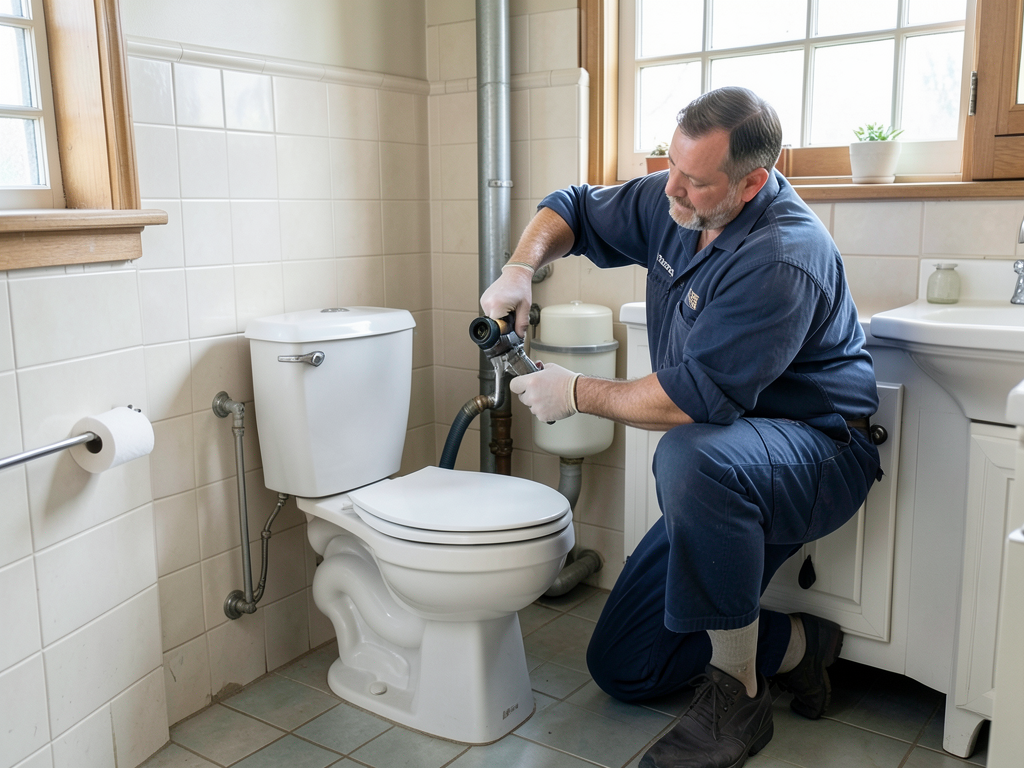
Why a Pressure Assisted Toilet Might Be the Solution for Your Clog-Prone Bathroom in Broad Ripple If your Broad Ripple…

Essential Septic Tank Maintenance Tips for Rural Properties in Franklin

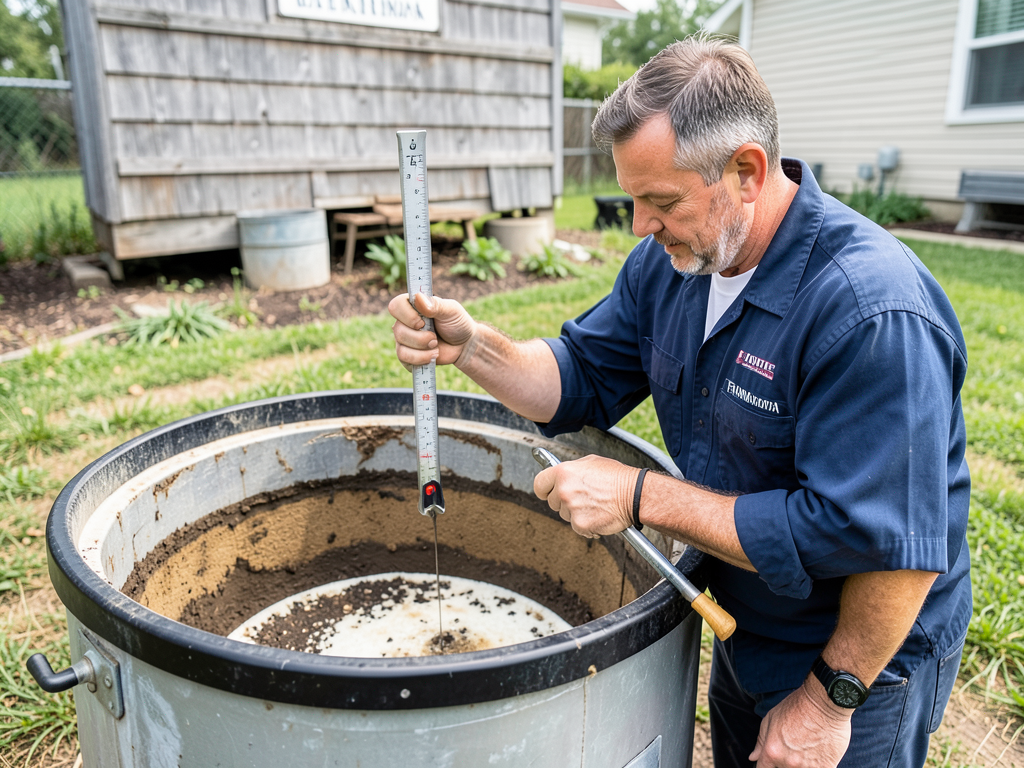
Essential Septic Tank Maintenance Tips for Rural Properties in Franklin Living in rural Franklin means relying on a septic system…

Contact Us

Stop losing revenue to plumbing problems. Call Keystone Plumbing Indianapolis at (317) 688-8848 for a detailed project assessment. We provide transparent estimates, realistic schedules, and commercial-grade solutions that protect your business continuity.