Menu

How to Shut Off Main Water Valve in Indianapolis | Step-by-Step Emergency Guide When Every Second Counts

Learn exactly where to find your main water shut off valve, how to turn it off safely, and why Indianapolis homeowners need to know this critical skill before disaster strikes.

Slider Image 1
Slider Image 2
Slider Image 3
Slider Image 4
Slider Image 5
Slider Image 7
Slider Image 8
Slider Image 9
Slider Image 10
Slider Image 11

Why Every Indianapolis Homeowner Must Know How to Shut Off Their Main Water Supply

When a pipe bursts in your basement at 2 AM or your water heater starts flooding your utility room, you have about 60 seconds to prevent thousands of dollars in water damage. Most Indianapolis homeowners freeze in panic because they have never located their main water shut off valve, much less practiced turning off house water main before an emergency hits.

Indianapolis homes face unique plumbing challenges that make knowing how to shut off water supply to home absolutely critical. Our freeze-thaw cycles cause pipe failures during winter months. The clay-rich soil throughout Marion County shifts foundations and stresses water lines. Older homes in Broad Ripple, Fountain Square, and Historic Meridian Park have galvanized pipes that corrode and fail without warning.

When water sprays from a broken supply line, it discharges 2 to 3 gallons per minute under normal pressure. That means 120 to 180 gallons flood your home every hour you wait for help. Knowing how to close main water shut off valve immediately stops the flow and limits damage to flooring, drywall, and personal belongings.

The problem is that most people cannot find their shut off valve until they desperately need it. You might know it exists somewhere, but can you walk to it in the dark? Can you turn the valve if it has not moved in 10 years? Can you identify which valve controls the whole house versus just one fixture?

This guide teaches you exactly how to turn off water to the whole house, step by step, so you are ready when seconds matter most.

Why Every Indianapolis Homeowner Must Know How to Shut Off Their Main Water Supply
Where to Find Your Main Water Shut Off Valve in Indianapolis Homes

Where to Find Your Main Water Shut Off Valve in Indianapolis Homes

Indianapolis homes built before 1980 typically have their main shut off valve in the basement near the front foundation wall, usually within 3 to 5 feet of where the water meter sits. The meter belongs to Citizens Energy Group, and your shut off valve sits on the house side of the meter. You own and maintain this valve.

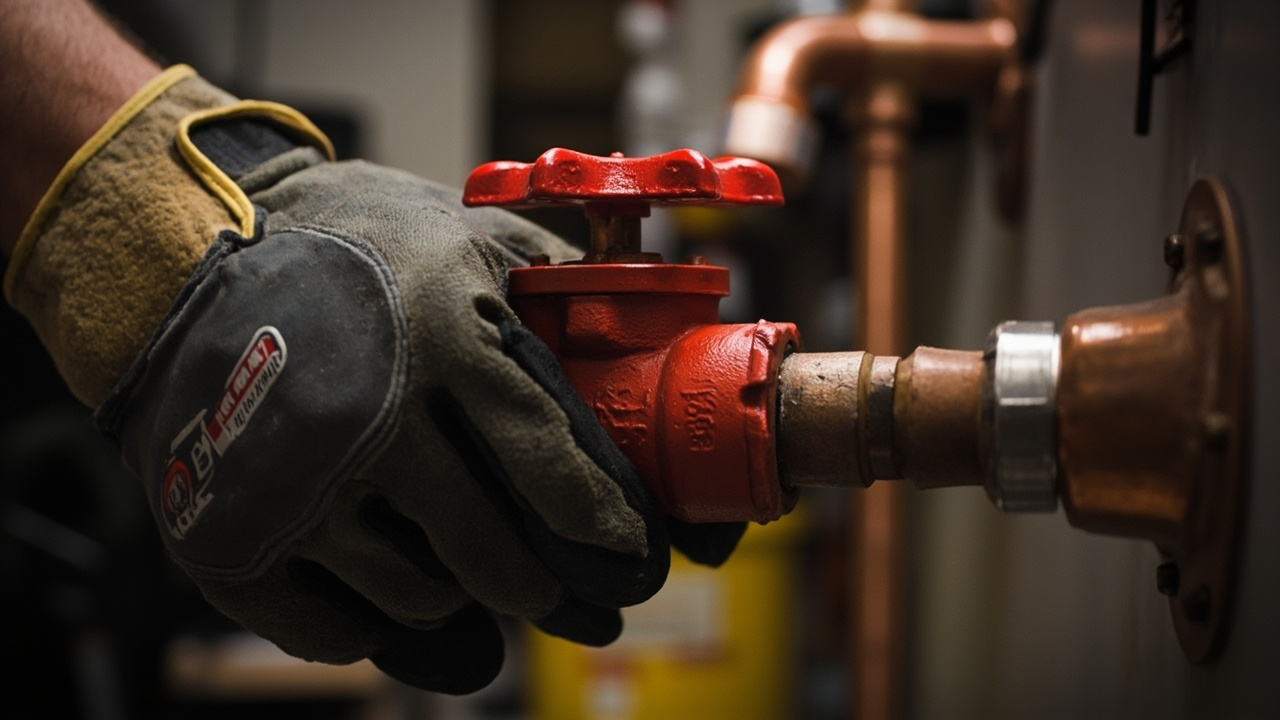
Newer construction in Carmel, Fishers, and Zionsville often places the valve in a crawl space or utility room. Slab foundation homes position the valve in a garage, utility closet, or exterior wall chase. Look for a valve with a round wheel handle or a straight lever handle attached to the main supply line entering your home.

The main water line enters through the foundation as a 3/4 inch or 1 inch copper, PEX, or galvanized steel pipe. Follow this pipe from where it enters to find your valve. In older Indianapolis neighborhoods like Irvington and Woodruff Place, the valve may hide behind stored items, insulation, or finished walls.

If you cannot locate your valve inside, check outside near the foundation. Some homes have an exterior shut off in a below-grade utility box near the street-side corner. Open the metal or plastic lid and look for a valve you can turn with a water meter key or adjustable wrench.

Once you find your valve, test it now, before you need it. Turn it clockwise slowly until it stops. Open a faucet upstairs to confirm water flow has stopped. Turn the valve counterclockwise to restore service. If the valve leaks, sticks, or will not turn completely, call a plumber to replace it before it fails during an emergency.

Document the valve location with your phone. Take a photo and text it to everyone in your household. Label the valve with a tag so anyone can identify it instantly.

The Correct Way to Shut Off Your Main Water Valve

How to Shut Off Main Water Valve in Indianapolis | Step-by-Step Emergency Guide When Every Second Counts
01

Locate and Clear Access

Before an emergency occurs, find your main shut off valve and clear the area around it. Remove storage boxes, holiday decorations, and any obstructions within 3 feet of the valve. Place a flashlight nearby in case you lose power. Keep a pipe wrench or adjustable pliers within reach if your valve uses a lever handle instead of a wheel. Mark the valve with reflective tape so you can find it in the dark.
02

Turn the Valve Slowly

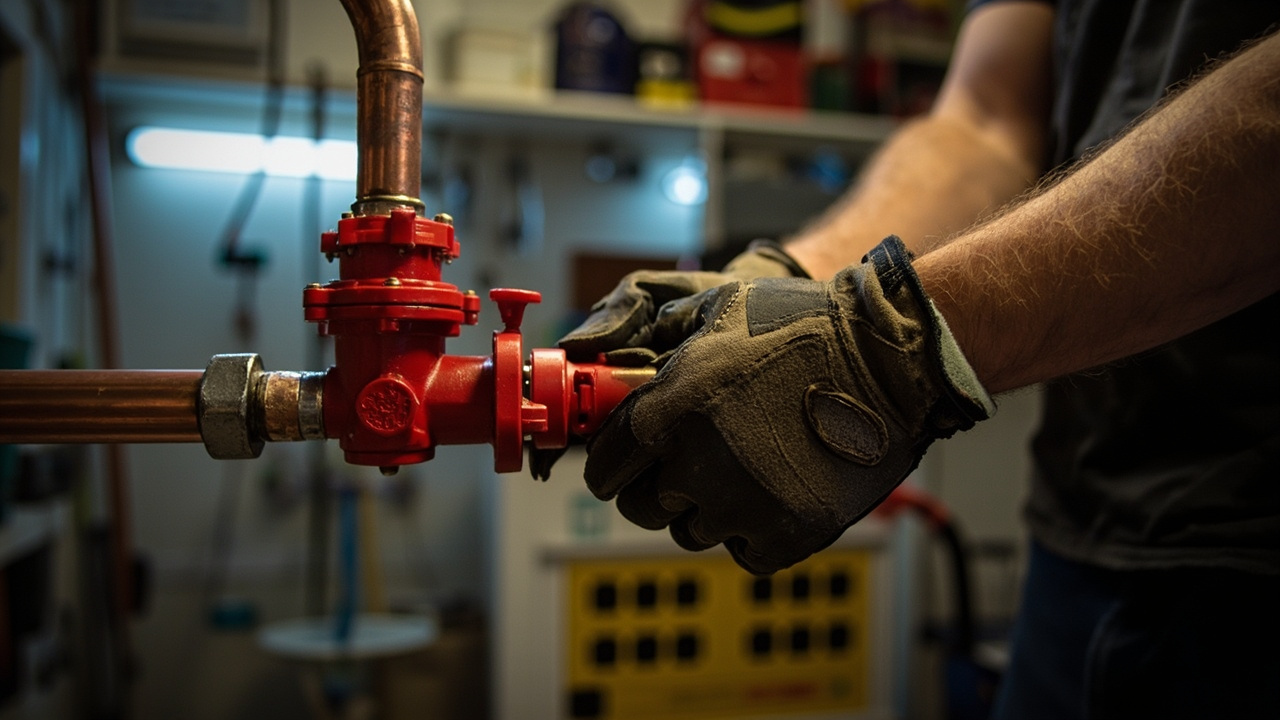
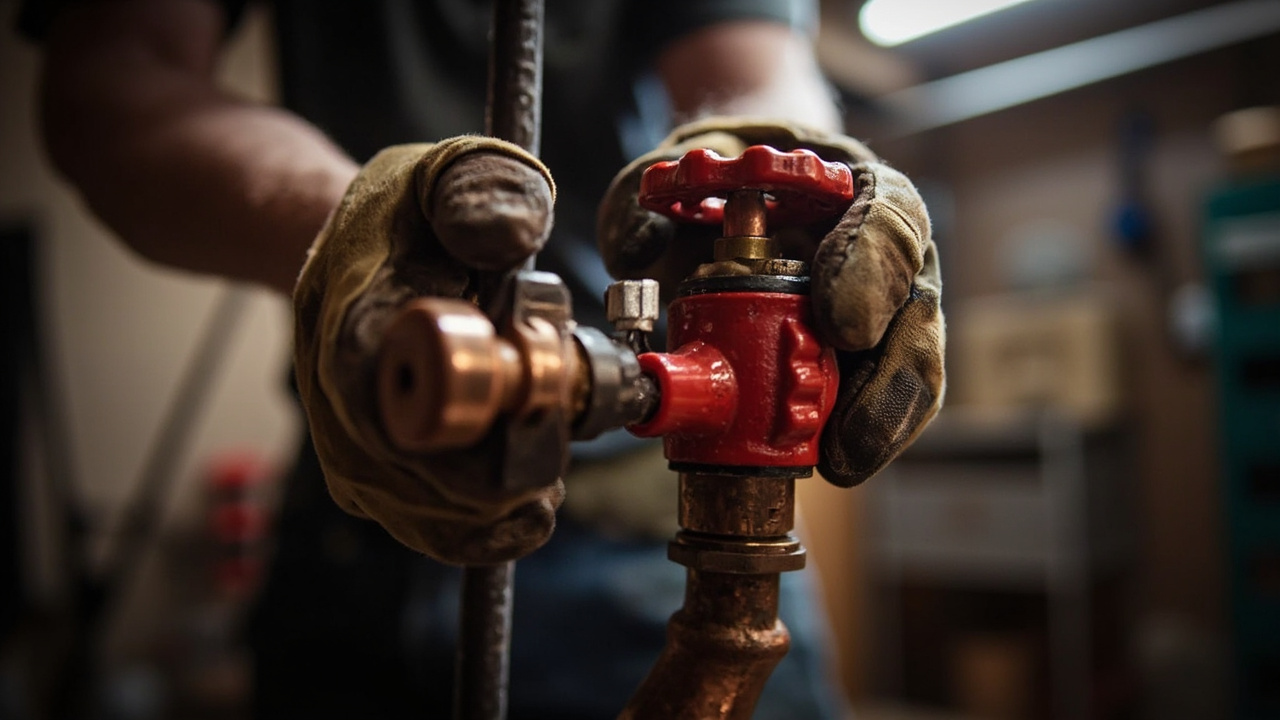
Grasp the valve handle firmly and turn it clockwise to close. Wheel valves require multiple rotations, typically 5 to 10 full turns. Lever ball valves need only a quarter turn until the handle sits perpendicular to the pipe. Turn slowly and steadily. Forcing a stiff valve can break the stem and make the leak worse. If the valve resists, apply penetrating oil and wait 10 minutes before trying again.
03

Verify Water Has Stopped

After closing the valve, open a faucet on the lowest floor of your home to release pressure and confirm water flow has stopped. Open a faucet on the highest floor to drain the supply lines and prevent additional flooding. If water continues flowing after you close the main valve, the valve has failed internally and you must contact the water utility to shut off service at the curb.

Why Keystone Plumbing Indianapolis Is Your Trusted Resource for Emergency Plumbing Guidance

Knowing how to turn off main water supply protects your home, but it does not fix the underlying problem. Once you stop the water, you need a licensed plumber who understands Indianapolis plumbing systems and can restore service quickly and correctly.

Keystone Plumbing Indianapolis has served Marion County and surrounding areas for years, and we know the specific challenges Indianapolis homes face. We work on properties from the 1920s bungalows in Holy Cross to the new construction subdivisions in Lawrence. We understand the mix of copper, galvanized steel, and PEX piping throughout the metro, and we know which systems fail first.

When you call us after turning off house water main, we respond immediately. We carry pipe stock on every truck so we can complete most repairs in one visit. We do not leave you without water longer than necessary. We diagnose the cause of the failure, not just the symptom, so you understand why the pipe burst and how to prevent it next time.

We also inspect your main shut off valve during every service call. If we see corrosion, leaking packing nuts, or a stiff stem, we recommend replacement before the valve fails when you need it most. A new ball valve costs far less than water damage from a failed shut off during an emergency.

Our technicians carry commercial-grade ball valves, gate valves, and angle stops for every application. We install them to current Indiana Plumbing Code standards and test them under pressure before we leave. You get a valve that will work when you need it, guaranteed by a team that has been serving Indianapolis homeowners for years.

We also provide education. We walk you through your plumbing system, show you where every shut off valve sits, and explain what to do before calling for help. Knowledge prevents panic, and panic causes mistakes.

What Happens After You Shut Off the Water

Immediate Response Time

Once you close main water shut off valve and call Keystone Plumbing Indianapolis, we dispatch a licensed technician immediately. We answer emergency calls 24 hours a day, 7 days a week, because plumbing disasters do not wait for business hours. Most emergency calls receive service within 90 minutes, often faster during overnight hours when traffic is light. Our trucks carry diagnostic equipment and repair materials so we can assess the problem and complete most repairs on the first visit without delays for parts runs or follow-up appointments.

Thorough Damage Assessment

Our technician inspects the failed component, traces the water line to identify the failure point, and checks surrounding pipes for corrosion or stress damage that could cause the next failure. We use moisture meters to assess water intrusion in walls and subfloors so you know the full extent of damage for insurance claims. We photograph the problem area and document the cause. We explain what failed, why it failed, and what options you have for repair or replacement. You receive a detailed written estimate before we start work.

Code-Compliant Repair Quality

Every repair meets Indiana Plumbing Code requirements for materials, jointing methods, and pressure testing. We use brass or stainless steel fittings, not cheap plastic. We install expansion loops on water heater connections. We secure pipes to framing to prevent vibration damage. We pressure test repairs to 150 PSI to confirm leak-free performance under worst-case conditions. Your repair lasts for decades, not just until the next freeze. We clean up all debris, dispose of failed components, and leave your home as clean as we found it.

Ongoing Preventive Guidance

After completing the repair, we inspect your entire plumbing system and identify potential problems before they cause emergencies. We check shut off valves throughout your home and confirm they operate smoothly. We inspect exposed pipes for corrosion, water hammer arrestors for function, and pressure regulators for proper settings. We provide a written report documenting the condition of your system and recommend a maintenance schedule based on the age and materials in your home. You receive priority scheduling for annual inspections that catch small problems before they become expensive disasters.

Frequently Asked Questions

You Have Questions,
We Have Answers

How do I turn off my house main water valve? +

Locate your main water valve, typically found near where the water line enters your home. In Indianapolis homes, this is often in the basement, crawl space, or near the water heater. Turn the valve clockwise (righty-tighty) if it's a gate valve with a wheel handle. For ball valves with a lever handle, rotate it 90 degrees perpendicular to the pipe. Test by running a faucet. If water stops flowing, you shut it off correctly. If the valve is stuck or corroded due to Indianapolis's hard water, call a plumber before forcing it.

Where is your main water shut off valve? +

Your main water shut-off valve sits where the municipal water line enters your house. In Indianapolis homes, check your basement along exterior walls, near the water meter, or in utility closets. Older homes in neighborhoods like Broad Ripple or Fountain Square may have valves in crawl spaces or near floor joists. Look for a valve on the street-side wall. If you have a slab foundation, check the garage or near the water heater. Citizens Energy Group installs meters near these valves, giving you a visual reference point to start your search.

Can I shut off my own water main? +

Yes, you can shut off your own water main. Homeowners in Indianapolis have the right to control water flow to their property. Turn the valve clockwise or rotate the lever perpendicular to the pipe. This is critical during plumbing emergencies like burst pipes during freeze-thaw cycles common in central Indiana winters. However, if the valve is corroded, leaking, or you cannot locate it, do not force it. Damaging the valve creates a bigger emergency. Call a licensed plumber who can safely operate or replace the valve without causing water line damage or flooding.

What does the main water shut off valve look like? +

The main water shut-off valve appears as either a gate valve or ball valve. Gate valves have a round wheel handle you turn multiple rotations. Ball valves feature a lever handle that moves 90 degrees. Both connect to your main water line, typically a three-quarter inch to one-inch pipe. In Indianapolis homes built before 1980, you might see older gate valves with brass or iron bodies. Newer construction uses quarter-turn ball valves. The valve sits on the house side of your water meter. Look for a valve body with directional arrows indicating water flow.

Is it safe to shut off the main water valve? +

Yes, shutting off your main water valve is safe when done correctly. Turn it slowly to avoid water hammer, which can damage pipes. This is important in Indianapolis homes with older galvanized plumbing common in historic districts. Shut off water before vacations, during plumbing repairs, or when pipes freeze. After shutting off, open a faucet to relieve pressure. Do not force stuck valves. If you hear banging, grinding, or see leaking around the valve stem, stop immediately and call a plumber. A damaged shut-off valve can flood your home faster than the original problem.

Is my main water shut off valve by my water heater? +

Not always. While some Indianapolis homes have the main shut-off valve near the water heater, this is not standard. The valve locates where the municipal line enters your house, which may be across the basement from your water heater. What you see near the water heater is likely a fixture shut-off valve controlling only hot water supply. The main valve sits on the cold water line before it splits to your heater and fixtures. Check exterior walls on the street side first. In ranch homes common throughout Indianapolis suburbs, the main valve often sits in a different room entirely.

Do all homes have a main water shut-off valve? +

Yes, all homes in Indianapolis have a main water shut-off valve. Building codes require it. However, older homes built before 1950 in areas like Irvington or Holy Cross may have valves that are hidden, painted over, or difficult to access. Some homeowners never locate theirs until an emergency. If you cannot find your valve, check your home inspection report or contact Citizens Energy Group for meter location records. The valve sits within a few feet of where your water meter is installed. Every home also has a curb stop valve at the property line controlled by the water utility.

Where can I find the main water shutoff valve? +

Find your main water shutoff valve where the water line enters your home. In Indianapolis, start your search in the basement along the foundation wall facing the street. Look near the water meter installed by Citizens Energy Group. For homes on slab foundations common in newer Indianapolis subdivisions, check the garage, utility room, or exterior wall near ground level. In crawl spaces, look for pipes entering through the foundation. The valve sits on the house side of the meter on the main supply line. If you still cannot locate it, call a plumber for a valve location service.

Where is the main water stop valve? +

The main water stop valve is located where your service line connects to your home's plumbing system. In Indianapolis residential properties, this is the same as your main shut-off valve, found near the water meter in basements, crawl spaces, or utility areas. The term "stop valve" and "shut-off valve" are used interchangeably. Look for it on interior walls closest to the street where municipal water enters. In older Indianapolis neighborhoods, valves may be in unusual locations due to home additions or renovated basements. The valve always sits upstream of all other plumbing fixtures and appliances.

What tool do I need to turn off my water? +

Most main water valves require no tools. Gate valves have wheel handles you turn by hand. Ball valves use lever handles that flip manually. However, some Indianapolis homes have valves with a flat stem requiring a water meter key or adjustable wrench. Curb stop valves at the property line need a special curb key, a long tool reaching underground valve boxes. If your valve is stuck from mineral buildup caused by Indianapolis's hard water, try penetrating oil first. Never use excessive force or pipe wrenches on valve handles. Damage requires emergency plumber service and potential water line excavation.

How Indianapolis Freeze-Thaw Cycles Make Main Water Valve Knowledge Critical for Homeowners

Indianapolis sits in USDA Hardiness Zone 6a, where winter temperatures regularly drop below 20 degrees and spring warmups push into the 60s within days. This freeze-thaw cycling stresses plumbing systems more than consistent cold. Water expands when it freezes, creating pressure inside pipes that weakens joints and fittings. When temperatures rise, the ice melts and pressure surges through weakened sections, causing catastrophic failures. Knowing how to shut off water supply to home quickly prevents flooding when these temperature swings cause pipes to burst, especially in unheated crawl spaces and exterior walls common in older Indianapolis neighborhoods.

Keystone Plumbing Indianapolis has worked in every Indianapolis neighborhood from Butler-Tarkington to Southport, and we know where pipes fail first in local construction types. We understand the plumbing configurations in Sears kit homes from the 1920s, the galvanized supply lines in post-war ranch homes, and the PEX systems in modern subdivisions. Our technicians hold Indiana plumbing licenses and complete continuing education on current code requirements for Marion County and surrounding areas. When you need help with turning off house water main or repairing the failure that caused the emergency, you work with professionals who know your home's plumbing system and the specific challenges Indianapolis weather creates.
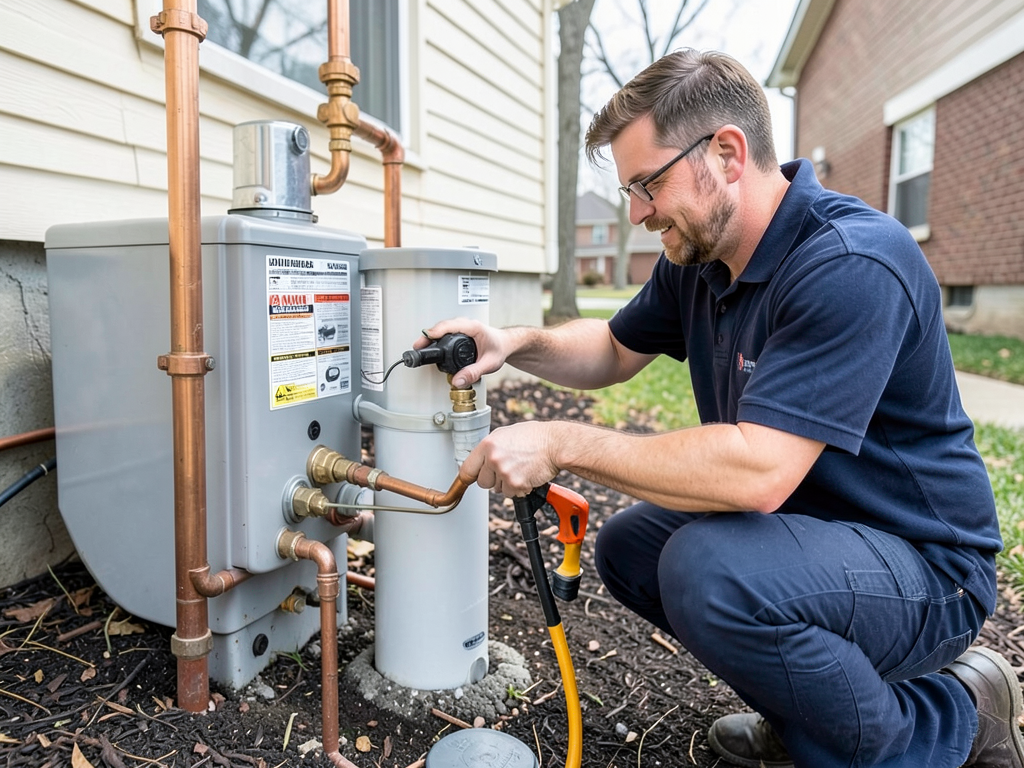
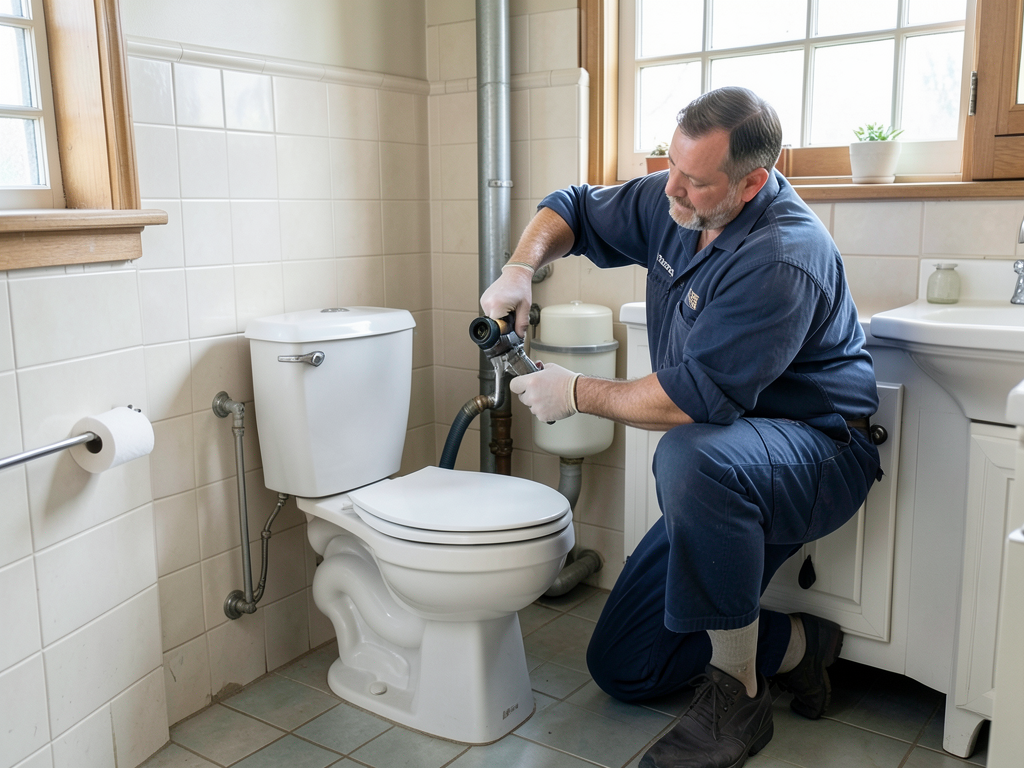
Plumbing Services in The Indianapolis Area

While we are proud to serve the entire Indianapolis area, our team is committed to providing prompt and efficient service wherever you are. Use the map below to get a better sense of our service area, or simply give us a call. We're happy to discuss your specific location and how quickly we can get an expert to your home or business to address your plumbing needs.

Address:
Keystone Plumbing Indianapolis, 600 E Ohio St, Indianapolis, IN, 46202

Additional Services We Offer

Our news updates

Latest Articles & News from The Blogs

Is Your High Water Pressure Actually Ruining Your Appliances in Fishers? If your dishwasher leaks during the rinse cycle or…

Is Your High Water Pressure Actually Ruining Your Appliances in Fishers?

Is Your High Water Pressure Actually Ruining Your Appliances in Fishers? If your dishwasher leaks during the rinse cycle or…

Choosing Between a Freestanding and a Built-In Tub for Your Meridian-Kessler Master Bath

Meridian-Kessler Bathroom Remodel: Freestanding vs Built-In Tub Guide Selecting the right tub for your Meridian-Kessler master bath involves more than…

Why an Under-Sink Reverse Osmosis System Is Better Than Filtered Pitchers for Indianapolis Water

Indianapolis Water Quality Makes Reverse Osmosis the Clear Choice Indianapolis tap water carries a unique profile that leaves many homeowners…

Contact Us

You stopped the water, but you still need a repair. Call Keystone Plumbing Indianapolis now at (317) 688-8848 for immediate emergency service. Our licensed technicians respond 24/7 with the parts and expertise to restore your plumbing quickly and correctly.