Menu

Tank vs. Tankless Water Heaters in Indianapolis – Expert Guidance for Hard Water Regions

Indianapolis homeowners face unique water heater decisions due to high mineral content and freeze-thaw cycles. Get unbiased comparisons between storage and instantaneous water heaters to make the right choice for your home's hot water demands.

Slider Image 1
Slider Image 2
Slider Image 3
Slider Image 4
Slider Image 5
Slider Image 7
Slider Image 8
Slider Image 9
Slider Image 10
Slider Image 11

Why Water Heater Choice Matters More in Indianapolis

Indianapolis sits in a hard water zone, with mineral deposits that shorten water heater lifespans faster than in soft water areas. The average municipal water here contains 12-15 grains per gallon of calcium and magnesium. This matters when you compare traditional vs on-demand water heaters.

Conventional tank systems hold 40-80 gallons of water continuously heated to 120-140 degrees. In Indianapolis, that standing water accelerates sediment buildup. You hear it as popping or rumbling when the burner fires. The calcium forms a barrier between the flame and water, forcing your system to work harder. Most storage water heaters here fail between years 8-10, not the advertised 12-15.

Instantaneous systems heat water only when you open a tap. No storage means no sediment accumulation in a holding tank. But hard water still affects heat exchangers in tankless units. Scale buildup reduces flow rates and efficiency. The standard vs tankless water heater comparison shifts when you factor in Indianapolis water quality.

Freeze-thaw cycles add another layer. January temperatures drop to 20 degrees, then February spikes to 50. Pipes expand and contract. Tank water heater comparison must account for thermal stress on connections and relief valves. Older homes in Broad Ripple and Irvington often have undersized gas lines, which affects tankless installation feasibility.

The conventional vs tankless water heaters debate is not just about efficiency ratings. It is about matching technology to local conditions. You need to understand capacity demands, fuel type limitations, and maintenance requirements specific to central Indiana water chemistry.

Why Water Heater Choice Matters More in Indianapolis
How Storage and Instantaneous Systems Actually Work

How Storage and Instantaneous Systems Actually Work

Storage water heaters use a simple mechanism. Cold water enters through a dip tube at the bottom of the tank. A gas burner or electric element heats the water. Hot water rises and exits through a pipe at the top. A thermostat cycles the heat source on and off to maintain temperature. An anode rod sacrifices itself to prevent tank corrosion.

In Indianapolis hard water, that anode rod dissolves faster. Once gone, the tank rusts through. Sediment settles at the bottom, insulating the water from the heat source. Recovery time increases. Your morning shower runs cold because the system cannot reheat fast enough after multiple uses.

Instantaneous water heaters operate on demand. When you open a hot water tap, flow sensors detect movement. The gas valve opens. Burners ignite in a combustion chamber. Water flows through a copper or stainless steel heat exchanger. Coils transfer thermal energy rapidly. Water exits at your set temperature, typically 120 degrees.

A tankless unit rated at 8 gallons per minute can supply two showers simultaneously if your incoming groundwater is 55 degrees. But January groundwater in Indianapolis drops to 38 degrees. That same unit now delivers 6 gallons per minute. The temperature rise calculation changes seasonally.

Gas tankless systems require specific venting. Category III stainless steel or PVC depending on condensing vs non-condensing models. They pull more BTUs than tank heaters during operation, so gas line sizing matters. Many Indianapolis homes built before 1990 have half-inch gas lines insufficient for tankless demands.

Electric tankless units need 150-200 amp service panels. Most Indianapolis homes have 100-150 amp panels. Upgrading electrical service adds substantial installation complexity. Keystone Plumbing Indianapolis evaluates existing infrastructure before recommending either system type.

What Happens During Your Water Heater Consultation

Tank vs. Tankless Water Heaters in Indianapolis – Expert Guidance for Hard Water Regions
01

System Evaluation and Usage Analysis

We measure your current water heater capacity, recovery rate, and age. We test incoming water temperature and hardness levels using a TDS meter. You tell us about usage patterns: simultaneous showers, laundry schedules, dishwasher timing. We inspect gas line diameter, electrical panel capacity, and venting paths. This data determines whether your home can physically support a tankless system or if a high-efficiency storage unit better matches your infrastructure and budget.
02

Cost and Efficiency Projections

We calculate your current energy consumption using utility bills if available. We project operating costs for both system types based on your household size and water usage. Tankless units cost more upfront but use 24-34% less energy annually. Storage heaters cost less to install but have standby heat loss. We factor in Indianapolis gas and electric rates, maintenance frequency, and expected lifespan. You get real numbers, not generic efficiency ratings that ignore local variables.
03

Recommendation and Installation Timeline

We present equipment options with transparent pricing for both standard and tankless water heaters. You see manufacturer specifications, warranty terms, and installation requirements. We explain any necessary upgrades like gas line replacement or electrical panel expansion. If you choose to proceed, we schedule installation within your timeline. We pull permits through Marion County, ensuring code compliance. You receive written documentation of system specifications and maintenance schedules for future reference.

Why Indianapolis Homeowners Choose Keystone Plumbing for Water Heater Decisions

We do not push one technology over another. The tank vs tankless water heater comparison depends entirely on your situation. A family of five in Carmel with a 1980s ranch has different needs than a couple in a Fountain Square condo.

Indianapolis water chemistry demands specific maintenance protocols. We descale tankless heat exchangers using food-grade citric acid, not harsh chemicals that damage copper coils. We drain storage tanks annually to remove sediment before it hardens into a concrete-like layer. This extends equipment life by 3-5 years.

We understand Marion County permit requirements and inspection processes. Tankless installations require combustion air calculations and proper venting termination distances from windows and property lines. Many installers skip this, leading to failed inspections and carbon monoxide risks. We do it correctly the first time.

Our technicians size gas lines using the longest length method, accounting for pressure drop across fittings and elbows. We do not rely on generic charts. A 60-foot run to your water heater with four 90-degree elbows requires different sizing than a 30-foot straight run. This precision prevents low-pressure lockouts and burner cycling issues.

We work in older Indianapolis neighborhoods where homes have galvanized supply lines, cast iron drains, and outdated electrical. We know when existing infrastructure supports an upgrade and when it does not. We will tell you if a standard tank replacement makes more sense than forcing a tankless installation that requires five additional upgrades.

Keystone Plumbing Indianapolis stocks both traditional and on-demand water heaters from Rheem, Bradford White, and Navien. We install what fits your home, not what sits on our truck. You get honest assessment based on 20 years of working specifically in central Indiana homes.

What to Expect When Comparing Water Heater Options

Consultation Scheduling and Home Assessment

We schedule in-home evaluations within 48 hours of your call. The assessment takes 45-60 minutes. We measure your existing system, test water quality, inspect gas and electrical systems, and discuss usage patterns. You receive a written comparison of storage vs instantaneous water heaters tailored to your home. We answer technical questions about efficiency ratings, capacity calculations, and maintenance requirements. No pressure, no sales tactics. Just data you need to make an informed decision about your hot water system.

Installation Process and Timeline

Standard tank replacements take 3-4 hours if no modifications are needed. Tankless installations require 6-8 hours due to venting, gas line, or electrical work. We protect your floors with drop cloths and remove old equipment the same day. We test all connections for leaks, verify proper venting, and check combustion efficiency. You get operating instructions, maintenance schedules, and manufacturer warranty documentation. Marion County inspections occur within 2-3 business days. We coordinate inspection timing and handle all permit paperwork so you do not lose work time.

System Performance and Energy Savings

Tankless systems deliver endless hot water at consistent temperatures once properly sized. You notice the difference immediately when running multiple fixtures. Storage tanks provide familiar performance with improved recovery times if you upgrade to a high-efficiency model. Energy bills decrease 10-15% with modern storage heaters, 24-34% with tankless systems. Performance depends on correct installation and regular maintenance. We provide startup service, ensuring optimal combustion, proper gas pressure, and correct temperature settings. You see the efficiency gains reflected in your first full utility cycle.

Maintenance Plans and Long-Term Support

Tankless units require annual descaling in Indianapolis hard water. Storage tanks need yearly flushing and anode rod inspection. We offer maintenance plans covering these services plus system inspections and priority scheduling. Plans include 20% discounts on repairs and extended labor warranties. We keep detailed service records in our system, tracking maintenance history and alerting you when service is due. If you move, maintenance records transfer with the home, adding resale value. Most homeowners recoup maintenance costs through extended equipment life and sustained efficiency ratings over 10-15 year lifecycles.

Frequently Asked Questions

You Have Questions,
We Have Answers

What is better, a tankless water heater or a tank? +

Neither is universally better. It depends on your household needs in Indianapolis. Tank water heaters cost less upfront and work well for families with predictable hot water demand. Tankless units provide endless hot water and save space, ideal for homes with limited square footage or high simultaneous usage. Consider your family size, budget, and energy goals. Indianapolis homes with hard water may face mineral buildup in both systems, requiring regular maintenance. Tank heaters recover slower during cold Indiana winters, while tankless units maintain consistent output regardless of outdoor temperature.

What is the downside of a tankless water heater? +

The main downside is upfront cost. Tankless water heaters cost two to three times more to purchase and install than tank models. They may require electrical upgrades or gas line modifications in older Indianapolis homes, adding expense. Flow rate limitations mean you might struggle running multiple showers and appliances simultaneously. Hard water common in Indianapolis causes mineral buildup that requires annual descaling. If your home loses power during winter storms, tankless units won't work without backup generators, leaving you without hot water during emergencies.

Why do plumbers not recommend tankless water heaters? +

Many plumbers do recommend tankless heaters, but some hesitate due to installation complexity and repair expertise required. Tankless units need specific venting, gas line sizing, and electrical work that takes more time and skill. In Indianapolis, hard water accelerates maintenance needs, creating more service calls. Some plumbers prefer tank systems because they're simpler to install and repair quickly. However, qualified professionals recognize tankless technology offers real benefits for the right applications. Choose a plumber experienced with both systems who can assess your specific situation objectively.

How do amish get hot water? +

This question falls outside standard plumbing guidance for Indianapolis homeowners comparing tank and tankless systems. Amish communities typically use wood-fired water heating methods, propane systems, or solar thermal collectors depending on their specific Ordnung rules. These approaches differ significantly from modern residential water heating. For Indianapolis residents choosing between tank and tankless options, focus on efficiency, household size, and budget rather than alternative heating methods. Consult a qualified plumber to determine which conventional system best fits your home's needs and local building codes.

Are tank water heaters being phased out? +

No, tank water heaters are not being phased out. They remain widely available and popular in Indianapolis homes due to lower upfront costs and simpler installation. New efficiency standards have pushed manufacturers to improve tank models with better insulation and heat pump technology. While tankless adoption grows, traditional tanks still dominate the market. Some homeowners prefer tanks for reliability during power outages, important during Indiana winter storms. Both technologies will coexist long-term. Your choice should depend on your specific needs, budget, and home infrastructure, not regulatory pressure.

Can I replace my 40 gallon water heater with a tankless water heater? +

Yes, you can replace a 40-gallon tank with a tankless unit, but it requires evaluation. A properly sized tankless heater will meet or exceed your hot water capacity. However, installation involves more than a simple swap. Your Indianapolis home may need electrical panel upgrades, new gas lines, different venting, or wall reinforcement. Older homes in historic Indianapolis neighborhoods often require significant modifications. The investment pays off through energy savings and unlimited hot water, but expect higher upfront costs. Have a qualified plumber assess your existing infrastructure before committing.

What is the most common problem with tankless water heaters? +

Mineral buildup from hard water is the most common problem, especially in Indianapolis where water hardness averages high. Calcium and magnesium deposits accumulate in the heat exchanger, reducing efficiency and flow rate. This requires annual descaling maintenance. The second common issue is flame failure or ignition problems in gas models during extreme cold snaps. Inadequate gas pressure during peak demand times can trigger error codes. Electronic controls may also fail, requiring sensor replacement. Regular professional maintenance prevents most issues. Installing a water softener helps Indianapolis homeowners extend tankless lifespan significantly.

Can you run out of hot water with a tankless water heater? +

No, tankless water heaters provide continuous hot water as long as demand stays within the unit's flow rate capacity. You won't run out like with a depleted tank. However, you can exceed the flow rate. If you run three showers plus a dishwasher simultaneously, the unit may struggle to maintain temperature across all fixtures. Indianapolis homes with multiple bathrooms need properly sized units, sometimes requiring two tankless heaters for large households. The water stays hot indefinitely, but volume per minute has limits. Calculate your peak demand before purchasing.

How much does your electric bill go up with a tankless water heater? +

Electric tankless heaters typically increase your bill compared to tank models because they require significant power during operation. However, gas tankless units often reduce overall energy costs by 20 to 30 percent since they eliminate standby heat loss. Indianapolis electricity rates and your usage patterns determine actual impact. Tankless heaters only consume energy when you need hot water, unlike tanks that constantly reheat stored water. Winter months see higher usage due to colder incoming water temperatures. Your specific savings depend on household size, water consumption, and fuel type.

Is there an IRS tax credit for a tankless water heater? +

Federal tax credits for water heaters change frequently based on legislation. Currently, some high-efficiency tankless models qualify for energy efficiency tax credits under recent federal programs, but eligibility depends on the unit's Uniform Energy Factor rating and fuel type. Indianapolis homeowners should verify current IRS guidelines before purchasing. State and local utility rebates may also apply. Check with your energy provider for Indiana-specific incentive programs. Always consult a tax professional to confirm eligibility and save documentation. The credit alone shouldn't drive your decision, but it can offset higher installation costs.

How Indianapolis Hard Water Affects Water Heater Longevity

Indianapolis municipal water averages 13 grains per gallon hardness, classified as very hard. Calcium carbonate precipitates out when water temperature exceeds 140 degrees. This forms scale inside tanks and on heating elements. A storage water heater in Indianapolis loses 1-2 gallons of usable capacity annually as sediment accumulates. Heat exchangers in tankless units develop scale buildup that restricts flow and reduces efficiency by 30% within three years without proper maintenance. The conventional vs tankless water heaters debate must account for this accelerated wear pattern unique to high-mineral regions.

Marion County requires permits for water heater replacements and inspections for fuel-burning appliances. Code requires proper venting, combustion air supply, and seismic strapping even for like-for-like replacements. We maintain active relationships with county inspectors and understand current interpretation of IRC Chapter 28 as applied locally. This expertise prevents installation delays and ensures your system operates safely. Choosing a plumber familiar with Indianapolis building officials and permitting processes saves you time and eliminates compliance risk on what should be a straightforward equipment upgrade.
Plumbing Services in The Indianapolis Area

While we are proud to serve the entire Indianapolis area, our team is committed to providing prompt and efficient service wherever you are. Use the map below to get a better sense of our service area, or simply give us a call. We're happy to discuss your specific location and how quickly we can get an expert to your home or business to address your plumbing needs.

Address:
Keystone Plumbing Indianapolis, 600 E Ohio St, Indianapolis, IN, 46202

Additional Services We Offer

Our news updates

Latest Articles & News from The Blogs

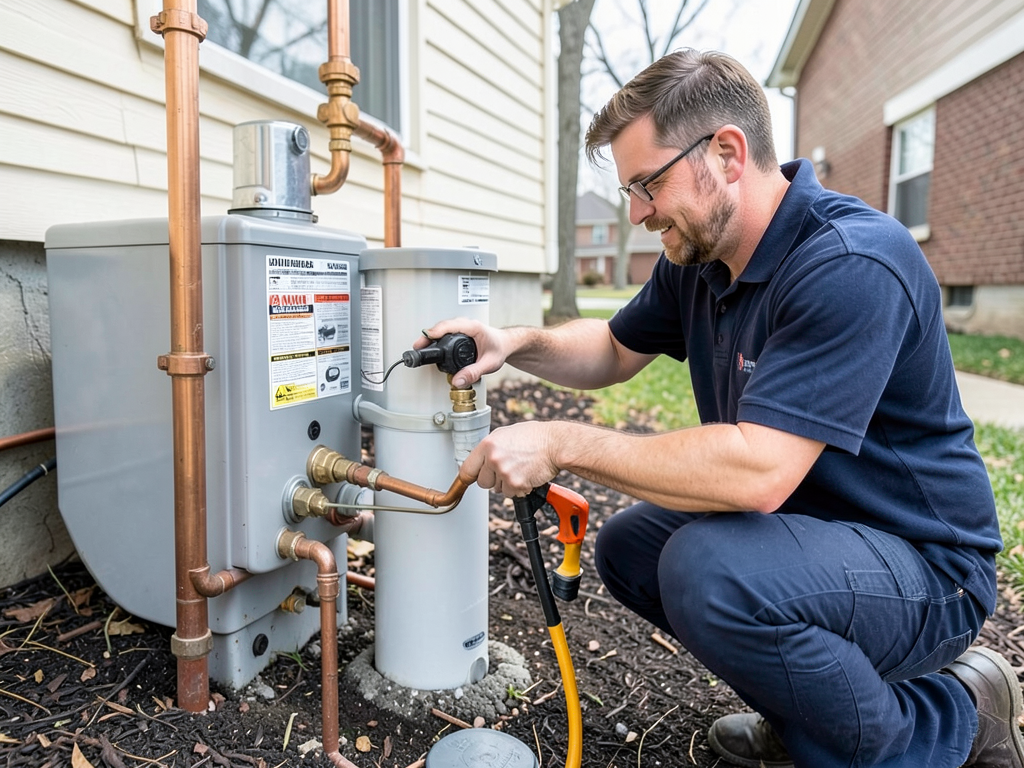
Dealing with Heavy Sediment in the Water Supply Near Eagle Creek Residents near Eagle Creek in Indianapolis often notice gritty…

Dealing with Heavy Sediment in the Water Supply Near Eagle Creek

Dealing with Heavy Sediment in the Water Supply Near Eagle Creek Residents near Eagle Creek in Indianapolis often notice gritty…

Why a Pressure Assisted Toilet Might Be the Solution for Your Clog-Prone Bathroom in Broad Ripple

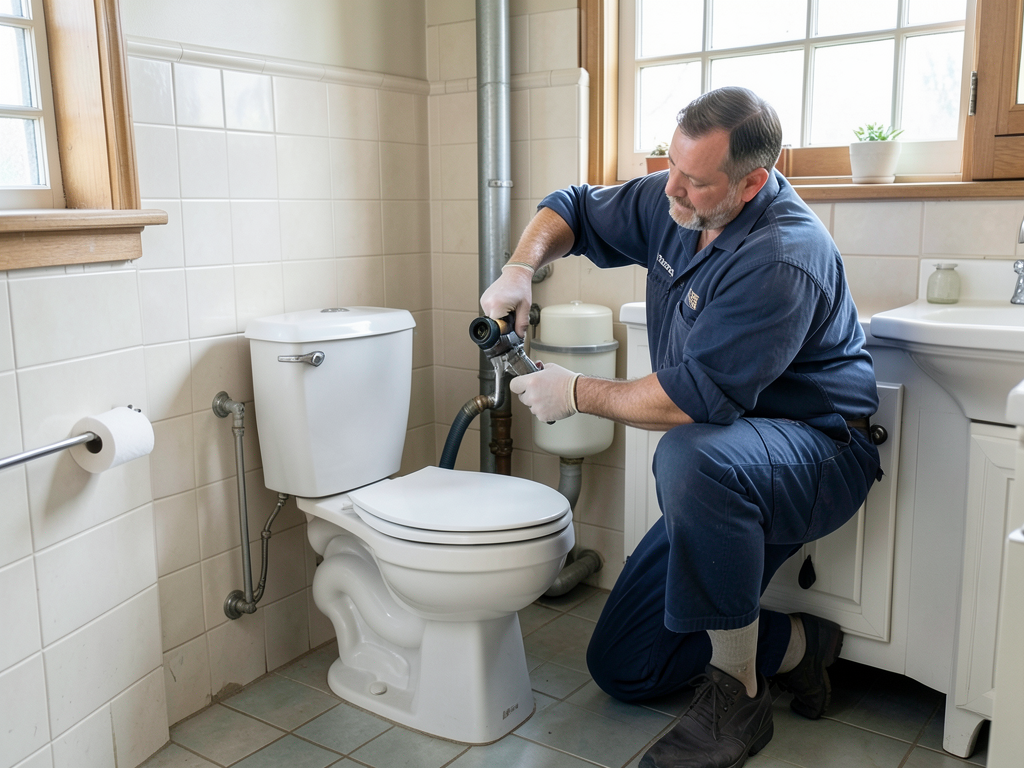
Why a Pressure Assisted Toilet Might Be the Solution for Your Clog-Prone Bathroom in Broad Ripple If your Broad Ripple…

Essential Septic Tank Maintenance Tips for Rural Properties in Franklin

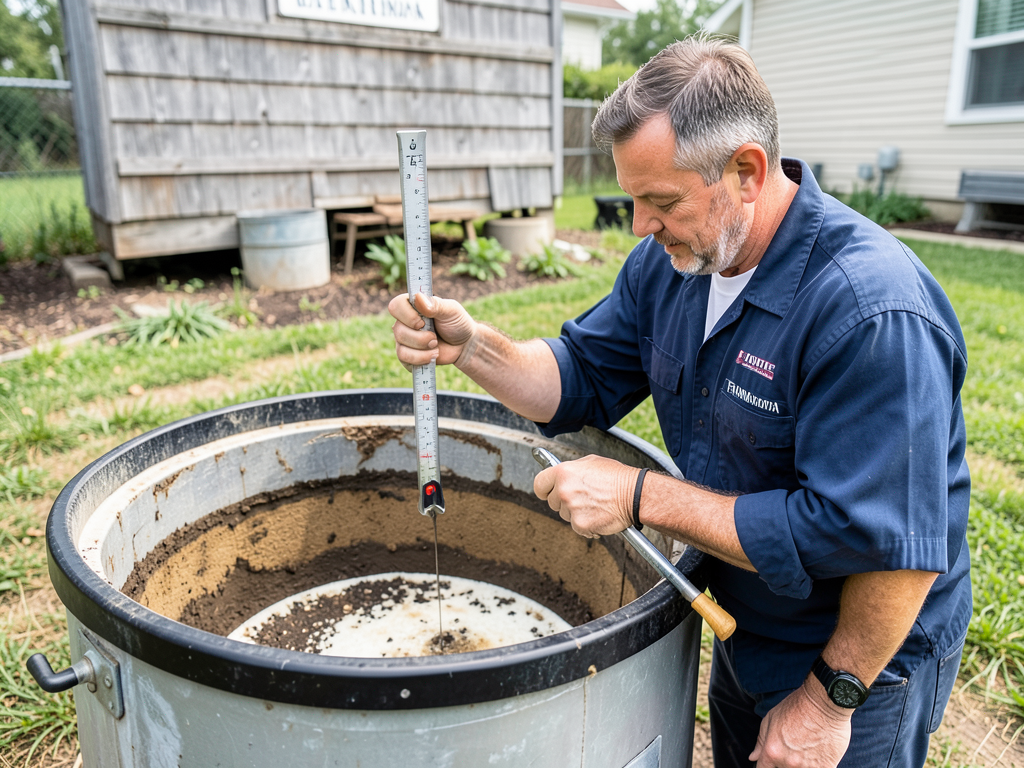
Essential Septic Tank Maintenance Tips for Rural Properties in Franklin Living in rural Franklin means relying on a septic system…

Contact Us

Stop guessing about tank versus tankless. Call (317) 688-8848 for a no-pressure consultation. We evaluate your home, test your water, and provide honest recommendations based on your actual usage and infrastructure. Schedule your assessment today.