Menu

Water Stains on Ceiling or Walls in Indianapolis | Expert Leak Source Detection and Permanent Repair

When brown spots and yellow water marks appear on your ceiling or walls, we pinpoint the hidden leak source using thermal imaging and pressure testing, then fix the problem at the root to prevent recurring damage in Indianapolis homes.

Slider Image 1
Slider Image 2
Slider Image 3
Slider Image 4
Slider Image 5
Slider Image 7
Slider Image 8
Slider Image 9
Slider Image 10
Slider Image 11

Why Indianapolis Homes Develop Ceiling and Wall Water Stains

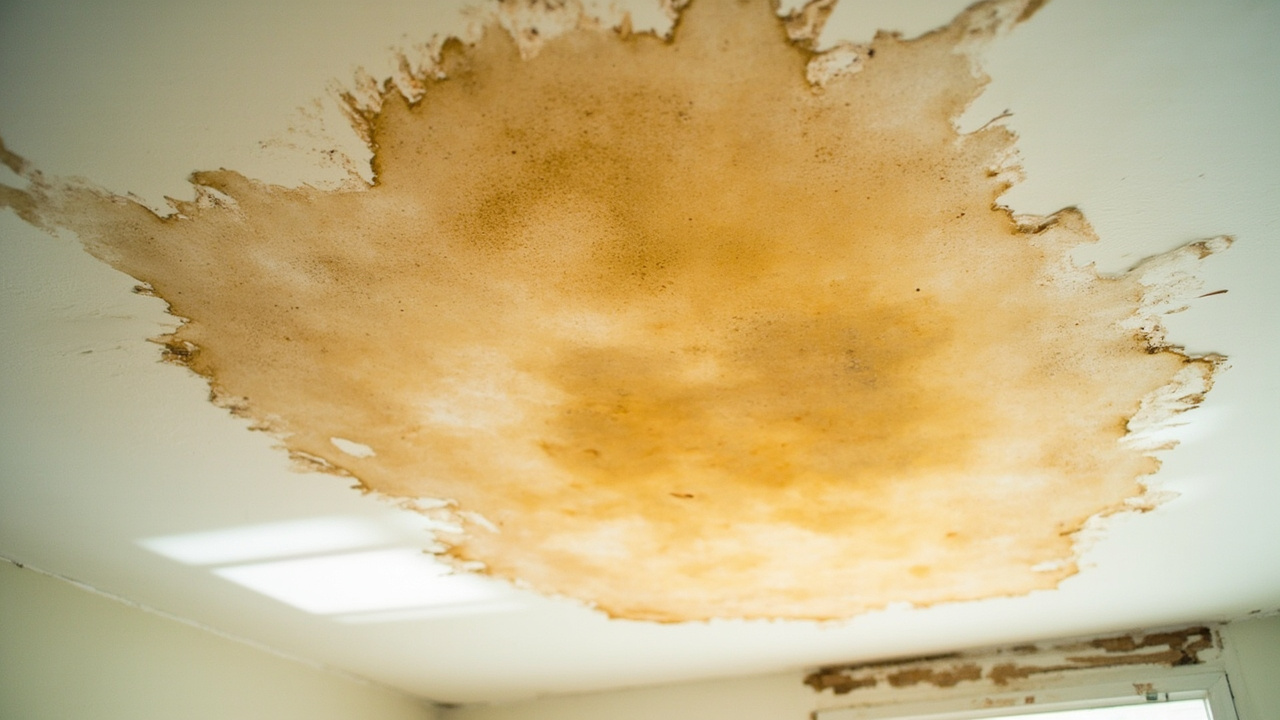
That brown spot spreading across your ceiling is not going to disappear on its own. You are looking at the visible evidence of a hidden water intrusion, and in Indianapolis, the problem is more common than you might think.

Our climate creates the perfect storm for ceiling discoloration from leaks. Indianapolis experiences dramatic temperature swings, especially during spring and fall. When your attic hits 90 degrees in the afternoon and drops to 50 degrees overnight, condensation forms on cold water supply lines. Over time, these damp patches on walls grow larger as pipes sweat or develop pinhole leaks from corrosion.

The freeze-thaw cycles we experience from December through March add another layer of risk. Water expands when it freezes. If you have a slow leak in your attic or crawlspace, that water can freeze in your insulation, then thaw and migrate through your drywall, creating those telltale yellow water marks that spread like ink on paper.

Many homes in Broad Ripple, Fountain Square, and the historic neighborhoods near downtown were built between 1920 and 1960. These properties often have galvanized steel supply lines that corrode from the inside out. You might not see any visible damage on the pipe exterior, but water is seeping through microscopic cracks and traveling along joists until it saturates your ceiling drywall.

The clay soil underneath Indianapolis also shifts with moisture content. When we get heavy spring rains, that soil swells and can crack your foundation or shift your slab. Even a hairline crack in a waste line or supply line creates moisture stains on drywall that appear weeks after the initial damage occurs.

Why Indianapolis Homes Develop Ceiling and Wall Water Stains
How We Locate and Repair Hidden Water Leaks

How We Locate and Repair Hidden Water Leaks

Finding the actual leak source is where most homeowners and handymen fail. The water stain on your ceiling is rarely located directly below the leak. Water follows the path of least resistance. It can travel along pipes, roof decking, or ceiling joists for several feet before it finally saturates the drywall enough to create a visible stain.

We use thermal imaging cameras to detect temperature differentials in your walls and ceilings. Active water leaks create cold spots that show up clearly on thermal scans. This technology allows us to trace the moisture path backward to the actual failure point without cutting unnecessary access holes in your drywall.

For supply line leaks, we perform static pressure tests. We isolate sections of your plumbing system, pressurize them to 100 PSI, and monitor for pressure drops that indicate a leak. This method pinpoints leaks in copper, PEX, or galvanized lines hidden behind finished walls.

Once we locate the source, the repair approach depends on what failed. If you have a pinhole leak in a copper supply line, we cut out the damaged section and install a new coupling or run a new line if corrosion is widespread. For drain line leaks, we replace the cracked fitting or section of pipe, then pressure test the repair to confirm it holds.

We also inspect your attic ventilation and insulation after every ceiling leak repair. Poor ventilation causes condensation buildup that mimics an actual plumbing leak. If your attic is not properly vented, we will identify that issue before you waste money repainting a ceiling that will stain again in six months.

The key is fixing the cause, not just the symptom. Anyone can patch drywall. We stop the water at its source.

What Happens During Your Leak Detection and Repair

Water Stains on Ceiling or Walls in Indianapolis | Expert Leak Source Detection and Permanent Repair
01

Initial Assessment and Imaging

We start by documenting the visible stains and asking about recent weather events, plumbing work, or changes in your water bill. Then we deploy thermal imaging and moisture meters to map the wet areas in your ceiling and walls. This non-invasive scan reveals the moisture path and helps us determine whether the source is a supply line, drain line, roof leak, or condensation issue.
02

Source Identification and Access

Once we identify the probable leak location, we create a small access point to visually confirm the problem. If the leak is in a supply line, we may perform a pressure isolation test to verify the exact pipe section that is failing. We explain what we find and provide a clear repair plan before we proceed. You will know exactly what failed and why.
03

Repair and Verification

We replace the damaged pipe section or fitting using code-compliant materials and methods. After the repair, we run water through the system and monitor for leaks. For supply lines, we pressurize the system and let it sit under pressure to confirm the fix holds. We leave the access point open for 24 hours when possible, so you can verify the stain is not spreading before we close the wall.

Why Indianapolis Homeowners Trust Us for Leak Detection

You need someone who understands how homes in Indianapolis are built. The plumbing systems in a 1940s bungalow in Irvington are completely different from a 2010 build in Fishers. We know the difference, and we know what fails in each type of construction.

Keystone Plumbing Indianapolis has worked in every neighborhood from Carmel to Greenwood. We know that homes near Fall Creek or the White River often have high water tables that create hydrostatic pressure against basement walls. We know that older homes in Butler-Tarkington and Meridian-Kessler have cast iron drain stacks that crack at the fittings. We know that newer subdivisions in Fishers and Noblesville often have PEX supply lines that fail at crimp connections if they were not installed correctly.

This local experience matters because we do not waste your time chasing the wrong diagnosis. We have seen the same problems hundreds of times in similar homes, so we know what to look for and where to look.

We also understand Indianapolis building codes and permitting requirements. If your repair requires a permit, we handle that process. If your home was built before 1986 and still has galvanized supply lines, we will recommend a full repipe before you end up with multiple ceiling stains throughout your house.

You also get honest communication. If your ceiling stain is caused by a roof leak and not a plumbing issue, we will tell you. We are not going to sell you a repair you do not need. We are plumbers, not roofers, but we know the difference between a plumbing leak and a roof leak. We will point you in the right direction even if it means we do not get the job.

That is how you build trust in a community.

What to Expect When You Call Us About Water Stains

Response Time and Scheduling

We offer same-day and next-day appointments for active leaks. If you have water actively dripping or a stain that is growing, we prioritize your call. For older stains where the leak appears to have stopped, we can usually schedule within two to three business days. When you call, we ask specific questions about the stain location, size, and how long it has been visible. This helps us bring the right diagnostic equipment and allocate enough time to properly investigate the problem without rushing.

The Diagnostic Process

Our diagnostic visit takes between one and two hours depending on how accessible the plumbing is. We use thermal imaging, moisture meters, and sometimes pressure testing to isolate the leak source. You will receive a written explanation of what we found, what needs to be repaired, and what the repair involves. We do not push you to make an immediate decision unless the leak is causing active damage. If the source is ambiguous, we may recommend a monitoring period or a second visit after a rain event to rule out roof intrusion.

Repair Quality and Materials

We use copper, PEX, or CPVC for supply line repairs depending on what is already installed in your home and what is accessible. For drain lines, we use Schedule 40 PVC or ABS. All fittings and connections meet or exceed Indianapolis plumbing code. After the repair, we verify the fix by running water through the system and checking for leaks. We do not patch your drywall, but we can refer you to trusted contractors who will properly repair and repaint the ceiling once the area is completely dry.

Follow-Up and Prevention Advice

After the repair, we provide specific recommendations to prevent future leaks. This might include insulating exposed pipes, improving attic ventilation, installing a pressure regulator if your system pressure is too high, or replacing old supply lines before they fail. We do not require you to use us for those additional services, but we want you to understand what might fail next so you can make informed decisions. If you have questions after the repair, we are available by phone to provide guidance.

Frequently Asked Questions

You Have Questions,
We Have Answers

Is a water stain on a ceiling serious? +

Yes, any water stain on a ceiling signals active or past water intrusion. The stain itself is cosmetic, but the hidden damage is not. Water saturates drywall, insulation, and framing. Mold begins growing within 24 to 48 hours in Indianapolis' humid climate. Structural wood can rot, ceiling panels can collapse, and electrical wiring can short. Even a small stain means gallons of water passed through. The leak source must be identified and repaired immediately. Ignoring it leads to exponentially higher repair costs and potential health risks from mold exposure.

How to tell if water is leaking behind a wall? +

Look for swollen or warped drywall that feels soft when pressed. Paint may bubble or peel in vertical streaks. You might notice discoloration that spreads slowly over weeks. Baseboards can warp or separate from the wall. A persistent musty smell signals hidden moisture and mold growth behind the surface. In Indianapolis homes with older galvanized pipes, listen for dripping sounds during quiet hours. Increased water bills without explanation also indicate hidden leaks. Thermal imaging cameras detect temperature differences where water travels behind walls, making diagnosis faster and less invasive.

Why am I getting wet spots on my ceiling? +

Wet spots on ceilings come from roof leaks, plumbing failures, or HVAC condensation issues. Indianapolis' freeze-thaw cycles stress roof materials, cracking shingles and flashing. Upstairs bathroom leaks from failed wax rings, cracked drain pipes, or loose supply lines are common culprits. Attic condensation from poor ventilation mimics leak symptoms during winter months. If the spot appears after rain, suspect roofing. If it grows near bathrooms or kitchens, blame plumbing. Immediate inspection prevents structural damage. Water follows joists and beams, so the visible stain is rarely directly below the actual leak source.

What do water spots on the ceiling mean? +

Water spots mean moisture penetrated your ceiling from above. The yellow or brown ring shows where water evaporated, leaving mineral deposits behind. Fresh spots appear darker and feel damp. Old spots are dry but indicate past problems that may recur. Spots near exterior walls suggest roof leaks. Spots under bathrooms point to plumbing failures. Multiple spots across a ceiling indicate widespread issues like roof damage after severe Indianapolis storms. The spot's size does not correlate to damage severity. A small spot can hide extensive hidden water damage in insulation and framing above.

How to tell if water is leaking into a ceiling? +

Look for discoloration that appears darker or yellowish compared to surrounding ceiling material. Touch the area to check for dampness or soft, sagging drywall. Fresh leaks leave visible water beads or drips. Peeling or bubbling paint indicates moisture trapped beneath. A musty odor signals hidden saturation. Check if spots expand after rainstorms or when upstairs plumbing runs. Indianapolis homes with older roofs show leak symptoms after ice dam formation in winter. Use a moisture meter to detect hidden saturation beyond the visible stain. Early detection prevents mold colonization and ceiling collapse.

Can I just paint over a water stained ceiling? +

No, painting over a water stain without fixing the source guarantees the stain will bleed through again. Water-soluble tannins and minerals penetrate paint layers. The underlying moisture problem continues damaging structure and breeding mold behind the surface. First, identify and repair the leak source. Let materials dry completely for several days. Indianapolis' humidity slows drying, so use dehumidifiers. Apply stain-blocking primer designed for water damage before painting. If drywall feels soft or sags, replace the damaged section. Cosmetic fixes without addressing the cause waste money and worsen structural problems.

Does homeowners insurance cover water leaks in walls? +

Coverage depends on your policy and the leak's cause. Sudden, accidental pipe bursts are typically covered. Gradual leaks from poor maintenance, aging pipes, or neglect are usually excluded. Indianapolis insurers scrutinize claims for evidence the problem existed before being reported. Document the damage immediately with photos and timestamps. Your policy may cover repair costs but exclude mold remediation if you delayed reporting. Review your declarations page for water damage exclusions. File claims promptly after discovery. Preventable damage from ignored warning signs often results in denied claims or reduced payouts.

What are the first signs of water damage on walls? +

Discoloration appears first, often as yellow, brown, or gray patches. Paint bubbles or peels away from the wall surface. Drywall feels soft, spongy, or crumbles when pressed. Baseboards warp, crack, or pull away. A musty, earthy smell indicates mold growth beginning behind walls. Wallpaper loosens or develops ripples. You may notice efflorescence, white chalky deposits where minerals leach out. In Indianapolis homes with clay soil foundations, settling cracks can channel groundwater into walls during heavy spring rains. Early detection prevents extensive mold colonization and structural deterioration requiring wall replacement.

How do plumbers determine behind the wall leaks? +

Licensed plumbers use multiple detection methods to pinpoint hidden leaks. Moisture meters measure saturation levels in walls and ceilings. Thermal imaging cameras show temperature anomalies where water travels through cavities. Acoustic listening devices detect the sound of water escaping under pressure. Pressure testing isolates sections of piping to identify failing segments. Video inspection cameras inserted into drain lines reveal cracks or blockages. In Indianapolis homes, older galvanized supply lines and cast iron drains are common culprits. Accurate detection minimizes demolition, cutting repair time and costs while preserving your home's structure.

Why is my ceiling wet but no leak? +

Condensation from temperature differences creates moisture without a traditional leak. Indianapolis' humid summers cause cold air from HVAC ducts to meet warm attic air, forming condensation on ceiling surfaces. Poor attic ventilation traps moisture. Bathroom exhaust fans venting into attics instead of outdoors dump humidity directly onto insulation. Roof leaks may be intermittent, drying between storms. Plumbing leaks can occur during specific water usage patterns. Ice dams in winter melt slowly into insulation. Thermal imaging and moisture testing identify the true source when visual inspection shows no obvious leak point.

How Indianapolis Humidity and Freeze Cycles Accelerate Pipe Corrosion and Ceiling Stains

Indianapolis sits at the intersection of humid continental climate patterns and dramatic seasonal temperature swings. Our summers are humid, with dew points regularly hitting 65 to 70 degrees. This moisture accelerates corrosion in galvanized steel pipes and causes copper supply lines to develop pinhole leaks at stress points. When winter arrives, we experience extended periods below freezing, sometimes for weeks at a time. Pipes in exterior walls, attics, and crawlspaces freeze, expand, and crack. The real damage shows up in spring when everything thaws and those hairline cracks become active leaks that saturate insulation and drywall. This cycle repeats every year, which is why older Indianapolis homes have higher rates of ceiling discoloration from leaks compared to homes in milder climates.

We are licensed plumbers who have worked in every Indianapolis neighborhood, from the historic homes near the canal to new construction in Hamilton County. We understand local building practices, local soil conditions, and local code requirements. When you hire a local plumber who knows Indianapolis, you get someone who has already solved your exact problem in a house just like yours. We know which subdivisions have slab leaks, which neighborhoods have cast iron drain failures, and which builders used substandard crimp fittings on PEX supply lines. That knowledge saves you time and money because we do not have to learn on your job.

Plumbing Services in The Indianapolis Area

While we are proud to serve the entire Indianapolis area, our team is committed to providing prompt and efficient service wherever you are. Use the map below to get a better sense of our service area, or simply give us a call. We're happy to discuss your specific location and how quickly we can get an expert to your home or business to address your plumbing needs.

Address:
Keystone Plumbing Indianapolis, 600 E Ohio St, Indianapolis, IN, 46202

Additional Services We Offer

Our news updates

Latest Articles & News from The Blogs

Dealing with Heavy Sediment in the Water Supply Near Eagle Creek Residents near Eagle Creek in Indianapolis often notice gritty…

Dealing with Heavy Sediment in the Water Supply Near Eagle Creek

Dealing with Heavy Sediment in the Water Supply Near Eagle Creek Residents near Eagle Creek in Indianapolis often notice gritty…

Why a Pressure Assisted Toilet Might Be the Solution for Your Clog-Prone Bathroom in Broad Ripple

Why a Pressure Assisted Toilet Might Be the Solution for Your Clog-Prone Bathroom in Broad Ripple If your Broad Ripple…

Essential Septic Tank Maintenance Tips for Rural Properties in Franklin

Essential Septic Tank Maintenance Tips for Rural Properties in Franklin Living in rural Franklin means relying on a septic system…

Contact Us

Water damage gets worse every day you wait. Call Keystone Plumbing Indianapolis at (317) 688-8848 to schedule your leak detection appointment. We will find the source, explain the repair, and fix it right the first time.