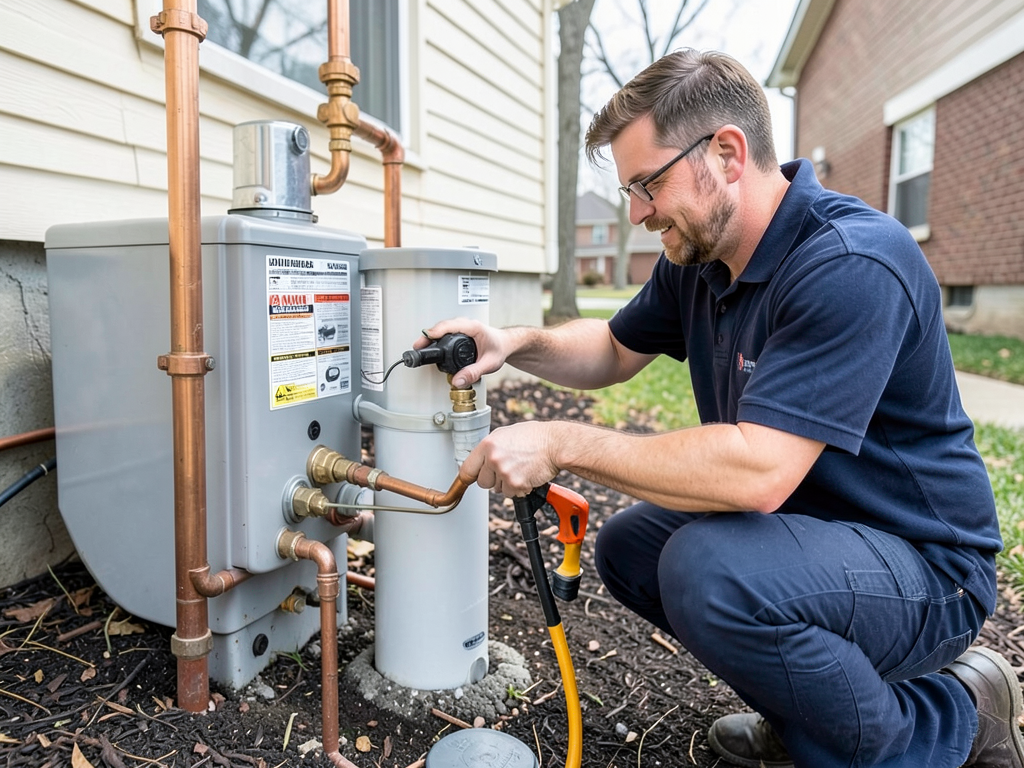
Indianapolis experiences dramatic temperature swings from November through March. A typical week can range from 15°F overnight to 45°F by afternoon. This constant freeze-thaw cycling causes water trapped in copper and PEX supply lines to expand and contract repeatedly. Each cycle weakens solder joints and stresses pipe walls. Homes built before 1980 often have supply lines routed through exterior wall cavities or uninsulated crawl spaces, where temperature fluctuations are most severe. When a cold snap hits and temperatures drop below 20°F for 48 hours straight, these compromised pipes rupture without warning. The White River valley areas and low-lying neighborhoods near Fall Creek see higher burst pipe rates due to elevated humidity and slower winter drainage.
Keystone Plumbing Indianapolis understands local building practices because we work in these homes every day. We know that Ranch-style homes in Speedway and Lawrence often have uninsulated rim joists where pipes freeze first. We recognize that Victorian homes in Fountain Square have galvanized supply lines original to 1910 that fail under modern municipal water pressure. We stock repair materials for every pipe type common to Indianapolis housing stock. Our technicians also stay current on Marion County plumbing code updates and inspection requirements, ensuring every emergency repair passes inspection if your insurance company or mortgage lender requires documentation. Choosing a plumber familiar with Indianapolis construction methods and climate risks means faster diagnosis and more durable repairs.