Menu

Grease Trap Cleaning & Pumping in Indianapolis – Keep Your Restaurant Compliant and Operating Without Interruption

Professional commercial grease trap pumping and grease interceptor cleaning that prevents health code violations, eliminates foul odors, and protects your business from costly shutdowns across Marion County.

Slider Image 1
Slider Image 2
Slider Image 3
Slider Image 4
Slider Image 5
Slider Image 7
Slider Image 8
Slider Image 9
Slider Image 10
Slider Image 11

Why Indianapolis Restaurant Owners Cannot Afford to Skip Grease Trap Maintenance

Indianapolis operates under Marion County Health Department regulations that mandate regular grease interceptor cleaning for all commercial food service establishments. A single failed inspection can result in immediate closure, revenue loss, and damage to your reputation that takes months to repair.

The city's freeze-thaw cycles create additional pressure on underground grease trap systems. When temperatures drop below freezing in winter, solidified fats and oils can crack aging concrete interceptors or block discharge lines. Summer humidity accelerates bacterial growth inside traps, leading to hydrogen sulfide buildup that corrodes metal components and creates unbearable odors that drive customers away.

Most restaurant owners in Broad Ripple, Fountain Square, and Mass Ave discover their grease trap problems only after backups flood prep areas or inspectors issue violations. The Indiana Food Code requires grease traps to be cleaned when they reach 25% capacity. If you wait until you smell problems or see slow drainage, you are already past the legal threshold.

Commercial grease trap pumping is not optional maintenance. It is a business continuity requirement. Failed traps discharge FOG (fats, oils, and grease) into Indianapolis's aging sewer infrastructure, creating blockages that the Department of Public Works traces back to your business. The resulting fines and mandatory cleanouts cost far more than scheduled restaurant grease trap service.

Every day you operate with a compromised grease trap, you risk sudden closure during your busiest service hours. Health inspectors do not schedule visits around your revenue needs.

Why Indianapolis Restaurant Owners Cannot Afford to Skip Grease Trap Maintenance
How Professional Grease Trap Cleanout Protects Your Bottom Line

How Professional Grease Trap Cleanout Protects Your Bottom Line

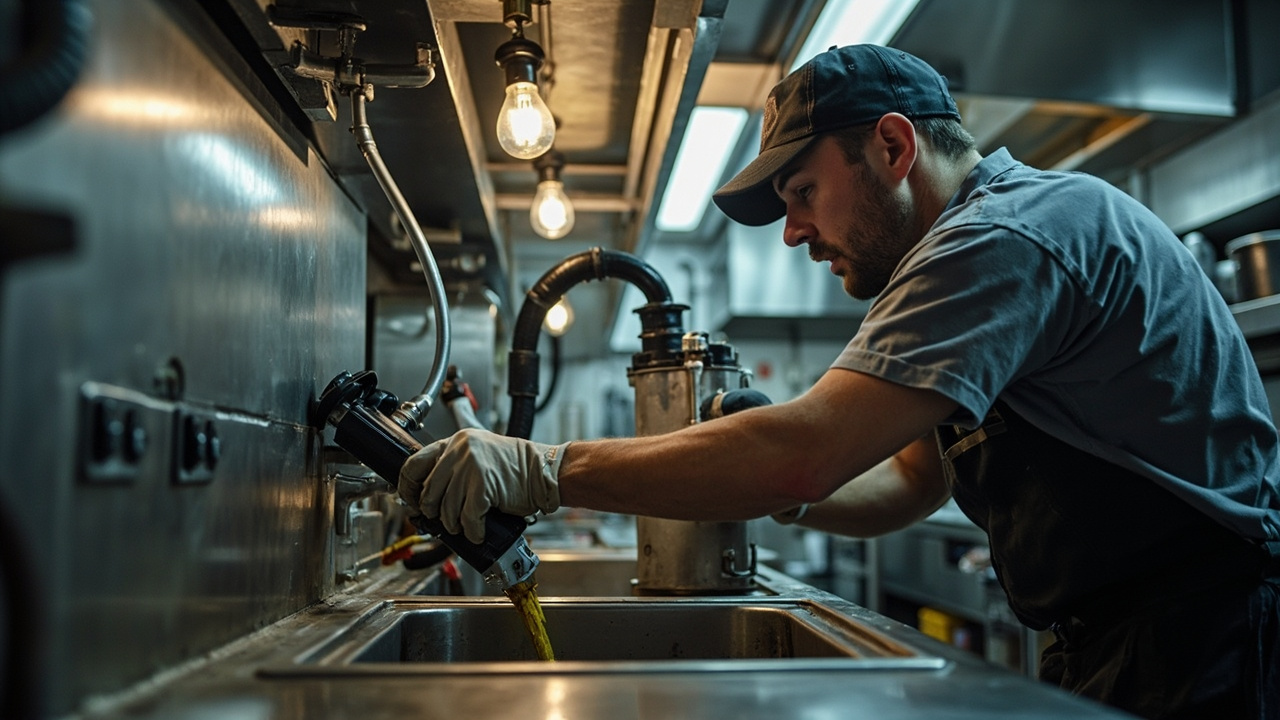
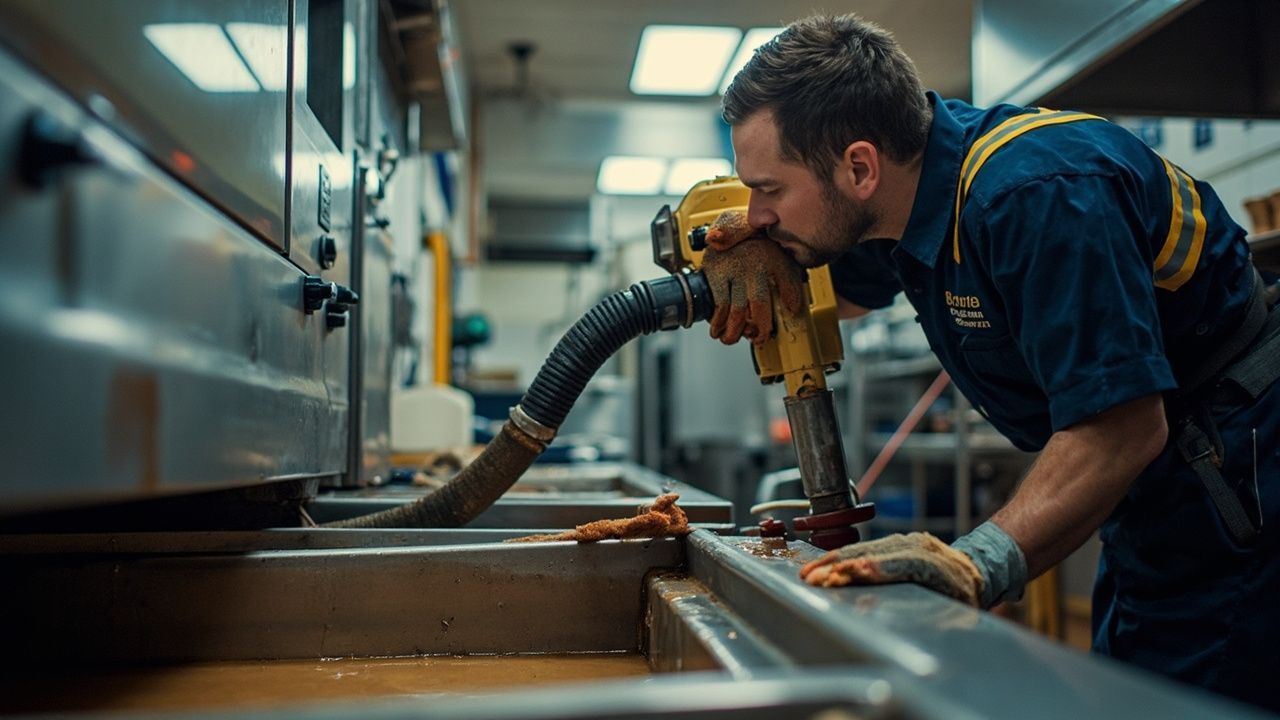
Effective grease trap waste removal requires vacuum truck equipment rated for high-volume extraction and proper FOG disposal at licensed facilities. Keystone Plumbing Indianapolis uses hydro-jetting technology to remove hardened grease buildup from baffle walls and inlet/outlet tees that standard pumping alone cannot reach.

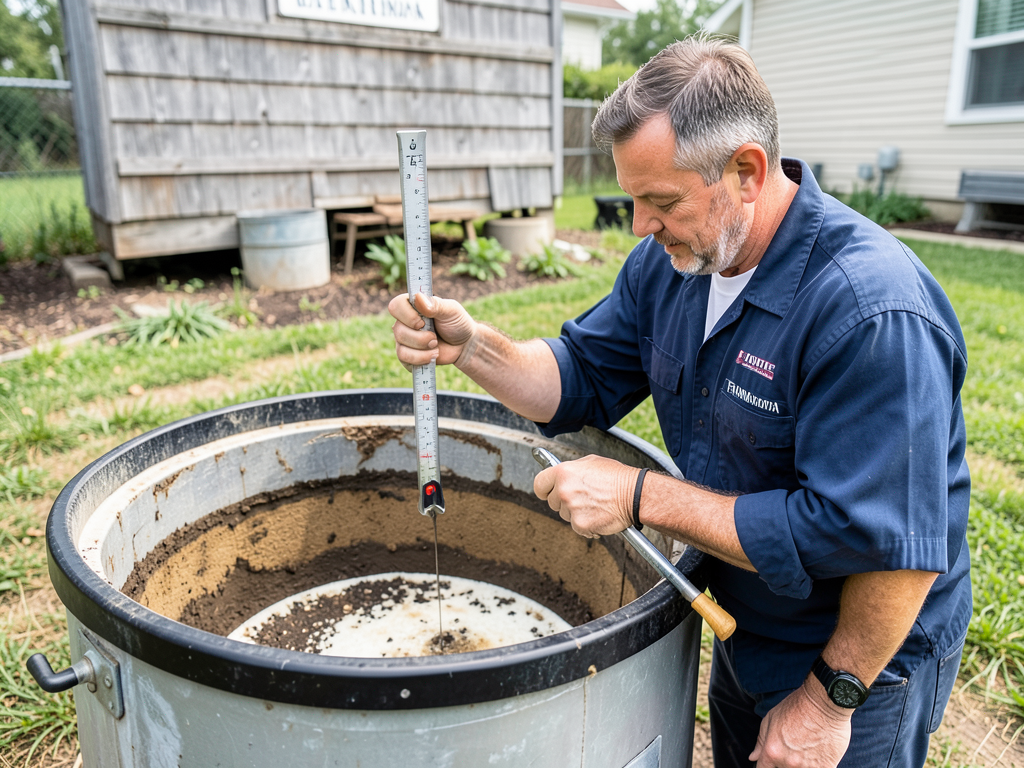
We start every service by measuring accumulation levels with a grease trap measuring stick to document compliance with the 25% rule before Marion County Health inspectors arrive. Our vacuum trucks remove all liquid and solid waste, then flush the interceptor with high-pressure water to eliminate residual fats clinging to concrete surfaces.

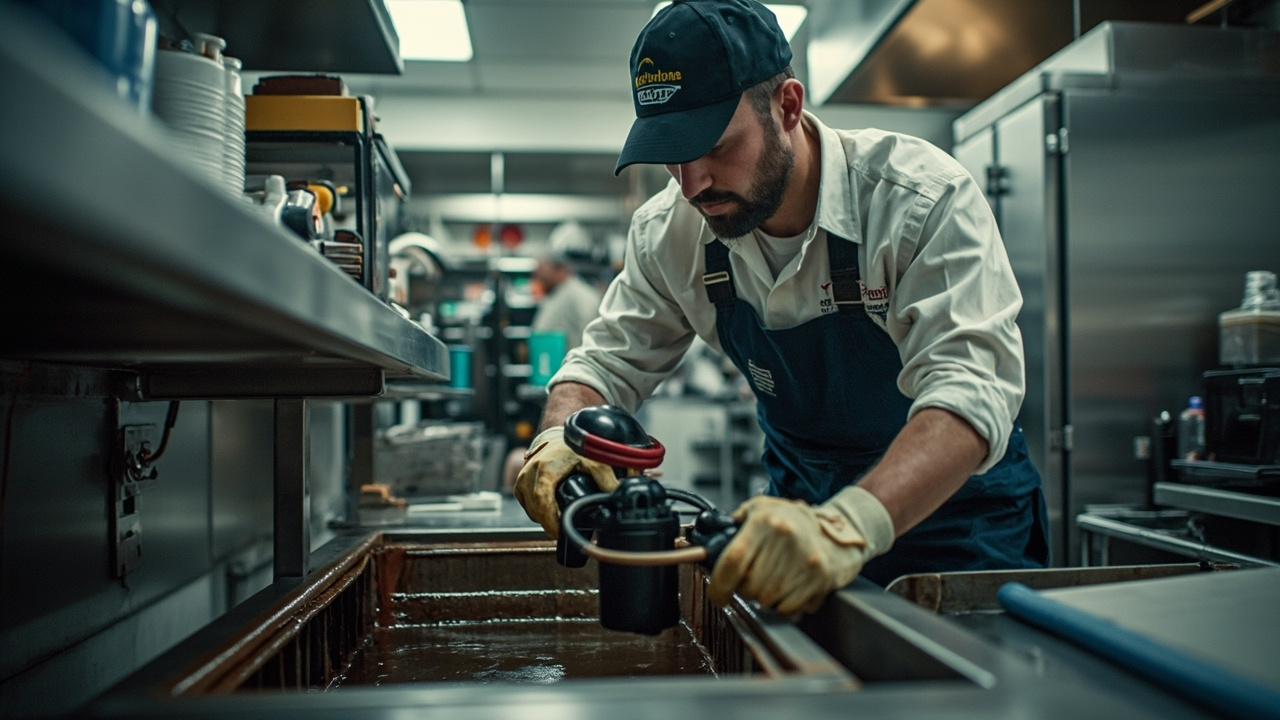
The inlet and outlet tees require individual attention. These components trap the most stubborn grease and are the first points of failure during health inspections. We disassemble and clean both tees, then inspect for cracks or corrosion that could lead to system failure between service intervals.

After pumping, we test the flow rate through your drain lines to identify any FOG accumulation in the pipes between your three-compartment sink and the interceptor. Many restaurants assume their grease trap is failing when the actual problem is a clogged drain line that standard plumbing snakes cannot clear.

We provide written documentation of waste volume removed, disposal facility receipts, and digital photos of the cleaned interceptor interior. This paperwork proves compliance during health inspections and protects you if the Department of Public Works investigates sewer line blockages in your area.

Scheduled grease interceptor cleaning costs a fraction of emergency service calls, health department fines, or the revenue you lose during forced closures. We recommend monthly service for high-volume kitchens and quarterly service for lower-volume operations.

What Happens During Your Grease Trap Service Appointment

Grease Trap Cleaning & Pumping in Indianapolis – Keep Your Restaurant Compliant and Operating Without Interruption
01

Initial System Assessment

Our technician locates your grease interceptor, removes the access cover, and measures current grease accumulation levels using calibrated depth gauges. We document the inlet and outlet tee conditions, check for structural cracks, and photograph the interior before pumping begins. This baseline assessment identifies compliance status and potential problems that could cause failures between service visits.
02

Complete Waste Extraction

Our vacuum truck removes all liquid waste, floating grease mats, and settled solids from the interceptor tank. We clean the inlet baffle, outlet baffle, and flow control devices that regulate wastewater movement through the trap. High-pressure water jets remove hardened FOG deposits from concrete walls and the tank bottom. We verify the outlet tee is clear and water flows freely to the municipal sewer connection.
03

Documentation and Disposal

After cleaning, we provide a detailed service report listing waste volume removed, disposal facility information, and interior condition notes. You receive digital photos proving the interceptor meets the 25% capacity rule required by Marion County Health Department regulations. We schedule your next service based on accumulation rates observed during this visit, preventing compliance gaps that lead to violations and fines.

Why Indianapolis Business Owners Choose Keystone Plumbing for Grease Trap Service

Marion County requires grease trap waste to be disposed of at licensed facilities that accept FOG materials. Some pumping companies cut corners by dumping waste illegally or combining it with residential septic waste to avoid disposal fees. When investigators trace illegal dumping back to your business, you face the fines and legal consequences, not the contractor who created the problem.

Keystone Plumbing Indianapolis maintains contracts with Indiana Department of Environmental Management approved disposal facilities. We provide you with dated receipts showing your waste was handled according to state and local regulations. This documentation protects your business license and proves due diligence if regulatory questions arise.

Our technicians understand Indianapolis's specific plumbing infrastructure challenges. Many buildings in Fountain Square, Holy Cross, and other historic districts have grease traps installed in the 1950s and 1960s that no longer meet current flow capacity requirements. We identify undersized interceptors during routine service and provide upgrade recommendations before health inspectors mandate costly emergency replacements.

We schedule service during your closed hours to eliminate disruption to kitchen operations. A 2,000-gallon interceptor requires 45 to 90 minutes for complete pumping and cleaning, depending on accumulation levels and access conditions. Our vacuum trucks are equipped with extended hoses that reach traps located in difficult areas without blocking your parking lot or delivery zones.

Restaurant grease trap service requires commercial-grade equipment that residential plumbing companies do not own. Our fleet includes vacuum trucks with 3,000-gallon capacity and hydro-jetting systems rated for 3,500 PSI. We handle everything from small 50-gallon under-sink traps to large outdoor interceptors serving multi-tenant food courts.

What to Expect From Your Grease Trap Cleaning Service

Service Scheduling Flexibility

We offer early morning, late evening, and overnight service appointments to accommodate your operating hours. Most grease trap pumping takes 45 to 90 minutes from arrival to completion. We provide 24-hour advance confirmation calls and text message notifications when our technician is en route. Emergency cleanouts are available for restaurants facing immediate health inspection failures or backup situations that threaten kitchen operations. Our dispatch team coordinates timing to minimize impact on your business.

Comprehensive System Evaluation

Every service appointment includes a full assessment of your grease management system, not just waste removal. Our technicians inspect inlet and outlet baffles for damage, check flow rates through drain lines, measure interceptor capacity against your current kitchen volume, and identify structural problems that could lead to system failure. You receive a written condition report with digital photos and specific recommendations for repairs or upgrades. We flag compliance issues before health inspectors discover them during routine inspections.

Regulatory Compliance Documentation

You receive detailed service records that satisfy Marion County Health Department requirements and protect your business during inspections. Our reports include pump-out volume measurements, disposal facility receipts, before-and-after photos, and dated service verification. We maintain digital copies of all service history in case you need duplicate records for inspections or legal purposes. This documentation proves you maintain your grease trap according to the 25% capacity rule mandated by the Indiana Food Code.

Preventive Maintenance Programs

Scheduled maintenance plans eliminate the compliance risks and operational disruptions caused by reactive grease trap service. We establish cleaning frequencies based on your kitchen volume, menu profile, and historical accumulation rates. You receive advance scheduling for the entire year, automatic appointment reminders, and priority response if emergency service becomes necessary between regular visits. Preventive programs cost less than emergency cleanouts and protect you from the health code violations that result from missed maintenance. We adjust service intervals if your business experiences seasonal volume changes.

Frequently Asked Questions

You Have Questions,
We Have Answers

How often do grease traps need to be pumped? +

Grease trap pumping frequency depends on your trap size and kitchen volume. High-volume restaurants in Indianapolis should pump every 30 to 90 days to stay compliant with Marion County health codes. Lower-volume operations may extend to quarterly service. Track your flow rate and FOG accumulation. When the trap reaches 25 percent capacity, schedule a pump. Neglecting this schedule risks backups, fines, and health department violations. Document every service for inspection records. Commercial kitchens cannot afford downtime from a clogged system.

How much does it cost to get your grease trap cleaned? +

Grease trap cleaning costs in Indianapolis range based on trap size, accessibility, and waste volume. Smaller traps may run lower, while large outdoor interceptors cost more due to equipment and disposal fees. Frequency affects pricing. Monthly contracts often reduce per-service costs compared to emergency cleanings. Disposal fees at Indianapolis waste facilities factor into total expense. Request a site assessment for accurate pricing. Budget for regular maintenance to avoid costly backups or health code violations that disrupt operations and damage your bottom line.

How often should grease traps be cleaned? +

Clean grease traps every 30 to 90 days based on kitchen output and trap capacity. Indianapolis health regulations require cleaning before FOG levels exceed 25 percent of total capacity. High-volume kitchens need monthly service. Lower-volume operations may schedule quarterly. Monitor grease accumulation between cleanings. Waiting too long causes backups, slow drainage, and compliance failures. Marion County inspectors check service logs during routine visits. Establish a preventive schedule with a licensed hauler to protect your business continuity and avoid fines or temporary closures.

How much does it cost to empty a grease trap? +

Emptying a grease trap in Indianapolis costs vary by trap size, location, and waste volume. Smaller units under 100 gallons cost less than large outdoor interceptors holding 1,000 gallons or more. Accessibility matters. Traps requiring heavy equipment or extended labor increase pricing. Disposal fees at local waste treatment facilities add to the total. Emergency service costs more than scheduled maintenance. Request a quote based on your specific trap configuration and usage. Regular service contracts often reduce per-visit expenses and ensure compliance with Marion County regulations.

Can I clean a grease trap myself? +

You can perform basic surface skimming, but full grease trap cleaning requires licensed professionals in Indianapolis. Marion County regulations mandate proper waste disposal at approved facilities. DIY cleaning lacks vacuum trucks and compliant hauling equipment. You risk exposure to hazardous waste, incomplete FOG removal, and regulatory violations. Commercial kitchens must maintain service records for health inspections. Improper disposal can result in fines or permit issues. Use licensed grease haulers who understand local codes, handle waste legally, and provide documentation your business needs during audits.

What are the signs of a full grease trap? +

Slow draining sinks and floor drains signal a full grease trap. Foul odors in the kitchen or dining area indicate FOG buildup. Grease surfacing in sinks or backup into fixtures means the trap exceeded capacity. You may notice gurgling sounds from drains. Water pooling around floor drains is a warning sign. Indianapolis restaurants must monitor these indicators to prevent health code violations. Waiting for a complete backup risks kitchen shutdowns and costly emergency service. Schedule pumping immediately when you observe any of these symptoms to maintain operations and compliance.

Can I empty my own grease trap? +

You can remove surface grease, but emptying a grease trap requires professional equipment and licensed disposal in Indianapolis. Vacuum trucks extract liquid waste and FOG layers that manual methods cannot reach. Marion County mandates that waste goes to approved treatment facilities. You lack the hauling permits and documentation required for legal disposal. Attempting full emptying without proper equipment leaves residual buildup that accelerates future clogs. Health inspectors require service records from certified haulers. Hire licensed professionals to ensure complete extraction, compliant disposal, and proper documentation for your business records.

What is the 20 minute rule in cleaning? +

This question does not apply to grease trap maintenance. The 20-minute rule refers to residential cleaning time management, not commercial grease systems. For Indianapolis commercial kitchens, focus on FOG accumulation rates and local health code intervals. Marion County requires grease trap service when FOG reaches 25 percent capacity, not arbitrary time rules. Professional pumping takes 30 to 90 minutes depending on trap size and access. Prioritize compliance schedules and capacity monitoring over unrelated cleaning guidelines. Proper maintenance prevents backups and keeps your operation running without interruption.

How much to pay a cleaner for 3 hours? +

This question does not relate to grease trap service. You asked about residential cleaning labor, not commercial FOG management. Indianapolis commercial kitchens need licensed grease haulers with vacuum trucks and disposal permits, not hourly cleaners. Grease trap pumping is priced per service or contract, not hourly rates. Focus on trap capacity, pumping frequency, and compliance with Marion County health codes. If you need janitorial services, that is separate from grease system maintenance. Contact a licensed grease hauler for trap-specific pricing based on your kitchen volume and trap size.

Why do plumbers say not to use drain cleaner? +

Chemical drain cleaners damage grease trap systems and violate Indianapolis wastewater codes. These products do not remove FOG. They liquefy grease temporarily, pushing it downstream into sewer lines where it re-solidifies and causes blockages. Caustic chemicals corrode trap baffles, pipes, and gaskets, leading to leaks and costly repairs. Marion County prohibits discharging harsh chemicals into municipal systems. Restaurants using drain cleaners face fines and environmental violations. Professional pumping physically removes FOG and solids. Skip the chemicals. Schedule regular trap service to protect your plumbing infrastructure and stay compliant with local regulations.

How Indianapolis Health Code Enforcement Impacts Your Grease Trap Compliance Requirements

Marion County Health Department conducts unannounced inspections of all food service establishments at least twice per year, with high-risk facilities inspected more frequently. Inspectors specifically check grease trap accumulation levels and require you to produce service records proving regular maintenance. Indianapolis operates under Indiana Administrative Code 410 IAC 7-24, which mandates grease interceptor cleaning when total accumulation reaches 25% of trap capacity. Violations result in immediate point deductions that lower your health inspection grade and can trigger re-inspection fees, mandatory corrective action plans, or temporary closure orders until you prove compliance.

The Department of Public Works actively investigates FOG-related sewer blockages throughout Indianapolis and traces discharge sources back to specific commercial properties. If investigators determine your inadequate grease trap maintenance contributed to municipal sewer problems, you face cleanup costs, fines, and potential civil liability if the blockage caused sanitary sewer overflows. Local expertise matters because Marion County regulations differ from surrounding jurisdictions, and many national pumping chains do not understand the specific documentation and disposal requirements enforced by Indianapolis environmental officers. Choosing a local provider ensures your service meets city standards and protects your business license.
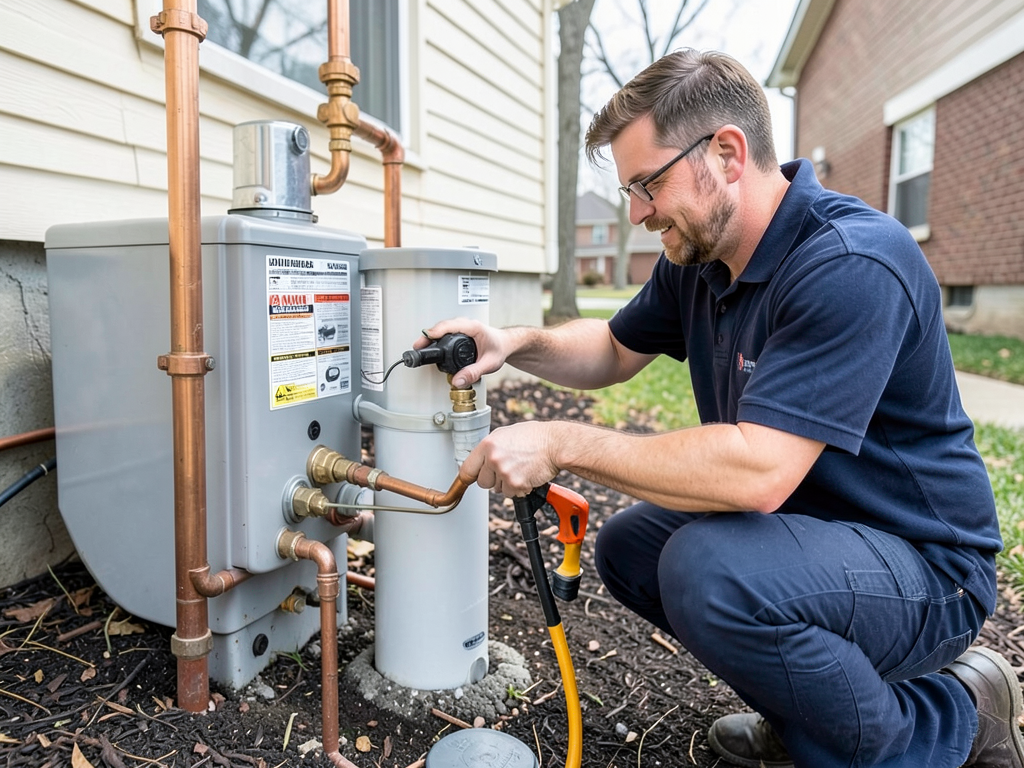
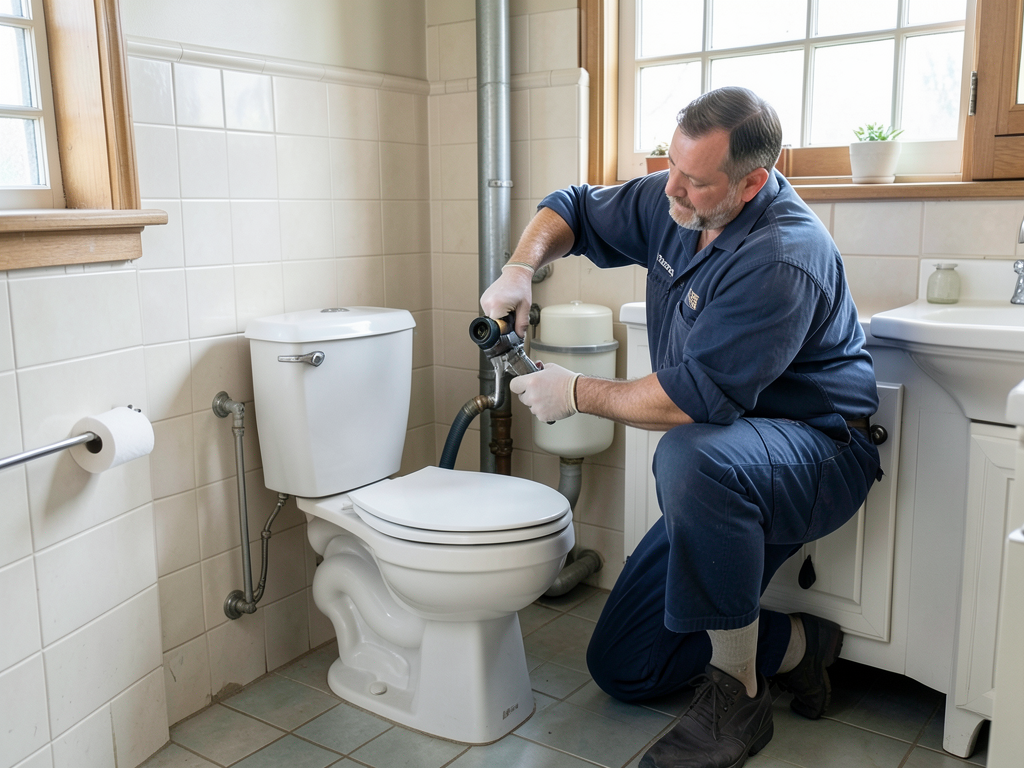
Plumbing Services in The Indianapolis Area

While we are proud to serve the entire Indianapolis area, our team is committed to providing prompt and efficient service wherever you are. Use the map below to get a better sense of our service area, or simply give us a call. We're happy to discuss your specific location and how quickly we can get an expert to your home or business to address your plumbing needs.

Address:
Keystone Plumbing Indianapolis, 600 E Ohio St, Indianapolis, IN, 46202

Additional Services We Offer

Our news updates

Latest Articles & News from The Blogs

Is Your High Water Pressure Actually Ruining Your Appliances in Fishers? If your dishwasher leaks during the rinse cycle or…

Is Your High Water Pressure Actually Ruining Your Appliances in Fishers?

Is Your High Water Pressure Actually Ruining Your Appliances in Fishers? If your dishwasher leaks during the rinse cycle or…

Choosing Between a Freestanding and a Built-In Tub for Your Meridian-Kessler Master Bath

Meridian-Kessler Bathroom Remodel: Freestanding vs Built-In Tub Guide Selecting the right tub for your Meridian-Kessler master bath involves more than…

Why an Under-Sink Reverse Osmosis System Is Better Than Filtered Pitchers for Indianapolis Water

Indianapolis Water Quality Makes Reverse Osmosis the Clear Choice Indianapolis tap water carries a unique profile that leaves many homeowners…

Contact Us

Do not wait for odors, backups, or inspector violations to force emergency action. Call Keystone Plumbing Indianapolis now at (317) 688-8848 to schedule commercial grease trap service that keeps your restaurant compliant and operating without interruption.