Menu

Commercial Kitchen Plumbing in Indianapolis – Minimize Downtime with Industrial-Grade Systems Built for High-Volume Operations

When your restaurant or food service operation depends on uninterrupted water flow and drainage, our commercial kitchen plumbing solutions deliver the capacity, code compliance, and rapid response your business requires to keep revenue flowing.

Slider Image 1
Slider Image 2
Slider Image 3
Slider Image 4
Slider Image 5
Slider Image 7
Slider Image 8
Slider Image 9
Slider Image 10
Slider Image 11

Why Indianapolis Food Service Operations Face Unique Plumbing Demands

Indianapolis restaurants and commercial kitchens operate in a high-stakes environment where plumbing failure equals lost revenue. The city's aging infrastructure in downtown districts, combined with the seasonal freeze-thaw cycles that stress underground supply lines, creates vulnerability points most facility managers underestimate.

Your commercial kitchen generates demands no residential system can handle. A single dishwasher in a full-service restaurant uses more water in one shift than a typical household uses in a week. Grease interceptors servicing fryers and prep stations require precise sizing and maintenance to meet Marion County health codes. When these systems fail during peak service hours, you are not just facing repair costs. You are facing empty tables, spoiled inventory, and health department shutdowns.

The industrial kitchen plumbing infrastructure supporting Indianapolis's food service sector must withstand constant thermal shock from commercial dishwashers, manage high-volume grease loads, and maintain pressure across multiple fixtures operating simultaneously. Standard plumbing approaches fail because they lack the capacity and material specifications required for professional kitchen plumbing environments.

Restaurant plumbing services in this market require understanding the specific code requirements for backflow prevention, grease trap sizing per the Uniform Plumbing Code adoption in Indiana, and the pressure demands of commercial warewashing equipment. A commercial kitchen plumber who approaches your operation with residential solutions will cost you more in downtime than you save in installation costs.

The difference between functional and failed food service plumbing often comes down to proper initial design and preventive maintenance protocols specific to high-volume operations.

Why Indianapolis Food Service Operations Face Unique Plumbing Demands
How Professional Kitchen Plumbing Systems Differ from Standard Commercial Work

How Professional Kitchen Plumbing Systems Differ from Standard Commercial Work

Industrial kitchen plumbing requires engineered solutions, not cookie-cutter installations. We size supply lines based on fixture unit calculations that account for simultaneous use during peak service. A busy kitchen might run three compartment sinks, two pre-rinse sprayers, a dishwasher, and a mop sink all at once. Undersized supply lines create pressure drops that slow operations and frustrate staff.

Drainage design separates restaurant plumbing services from general commercial work. We install dedicated waste lines for each equipment category. Dishwashers require indirect waste connections with air gaps to prevent backflow. Floor drains need proper pitch and capacity to handle the water volume from daily washing. Grease interceptors must be sized according to actual grease production rates, not guesswork, and positioned for accessibility during mandatory pumping.

Our approach starts with load calculations. We measure your equipment BTU ratings, water consumption rates, and waste output to design systems with appropriate capacity margins. This prevents the cascading failures we see in kitchens where someone installed residential-grade fixtures or undersized waste lines.

Material selection matters. We use schedule 40 PVC for waste lines in grease-producing areas because it resists corrosion better than cast iron. Supply lines get commercial-grade copper or PEX-A rated for the temperature extremes your equipment generates. Shutoff valves are full-port ball valves, not the compression stops that fail under constant cycling.

We install cleanouts at strategic intervals in waste lines because blockages will occur in grease-handling systems. Accessibility during service calls prevents minor clogs from becoming major shutdowns. Gas line work for ranges and ovens follows NFPA 54 specifications with pressure testing that confirms zero leakage before equipment startup.

Our Commercial Kitchen Installation Protocol

Commercial Kitchen Plumbing in Indianapolis – Minimize Downtime with Industrial-Grade Systems Built for High-Volume Operations
01

Site Assessment and Load Analysis

We document every piece of equipment, its water demand, waste output, and gas requirements. This includes reviewing your menu to understand grease production levels and peak service volumes. We measure existing water pressure at multiple points and evaluate your current drainage capacity. This data determines whether your infrastructure can support planned operations or requires upgrades before equipment installation.
02

System Design and Code Compliance

Our design phase produces detailed schematics showing supply line routing, drain slopes, vent placement, and grease interceptor sizing. We verify compliance with Indiana Plumbing Code amendments, Marion County health regulations, and manufacturer specifications for each piece of equipment. This documentation becomes your roadmap for inspections and prevents costly change orders when inspectors flag non-compliant work.
03

Installation and Performance Verification

Installation follows the approved plans with zero deviation unless site conditions require engineered modifications. We pressure test all supply lines, conduct drain flow tests under simulated peak load, and verify proper venting before connecting equipment. Final checkout includes running all fixtures simultaneously to confirm adequate pressure and drainage capacity. You receive as-built drawings showing actual installation details for future service reference.

Why Indianapolis Food Service Operators Choose Local Expertise

Your commercial kitchen cannot afford the learning curve that comes with out-of-market contractors. We know which inspectors cover downtown Indianapolis, what they flag during rough-in inspections, and how Marion County interprets grease interceptor sizing requirements. This knowledge prevents the delays that occur when inspectors reject work from contractors unfamiliar with local enforcement patterns.

Indianapolis sits in a climate zone where winter freeze potential requires proper heat trace installation on exterior waste lines and supply lines in unheated spaces. We have seen kitchens shut down because someone installed exposed piping without freeze protection. Our installations account for January temperature extremes and the thermal cycling that stresses connections.

The local water supply in Indianapolis contains mineral content that affects equipment longevity. We recommend and install appropriate water treatment for ice machines, steamers, and combination ovens where hard water causes premature failure. This preventive approach costs less than replacing scaled-out equipment every few years.

Keystone Plumbing Indianapolis maintains relationships with equipment suppliers and health department personnel throughout Marion County. When you need expedited permit approval or clarification on code interpretation, these connections accelerate solutions instead of creating bottlenecks.

We stock parts for commercial fixtures and equipment common in Indianapolis kitchens. When a diverter valve fails on your pre-rinse sprayer during dinner service, we have the replacement on our trucks. National chains cannot match this parts availability because they lack local inventory depth.

Our service history in Indianapolis includes installations at operations ranging from fast-casual concepts to fine dining establishments. We understand the different demands each format creates and design systems accordingly.

What Your Operation Can Expect from Professional Kitchen Plumbing

Project Timeline and Scheduling

We schedule installations during your closed hours to prevent service interruption. New construction projects follow critical path timelines coordinated with general contractors and equipment installers. Rough-in work happens before walls close and finish work occurs after equipment placement. Emergency repairs receive same-day dispatch because every hour of downtime costs you revenue. We maintain crew availability specifically for food service emergencies where speed determines whether you open for service. Our project managers provide daily progress updates and flag any potential delays before they affect your timeline.

Initial System Evaluation

Your consultation includes a comprehensive infrastructure assessment. We evaluate water pressure at peak demand times, inspect existing waste line condition with camera equipment, and measure grease interceptor capacity against current output. Gas line evaluation includes pressure testing and capacity verification for planned equipment loads. You receive a written report identifying deficiencies, code violations, and recommended upgrades. This assessment provides the data needed for accurate project budgeting and prevents surprises during installation. We identify potential issues before they become emergency failures that shut down operations.

Installation Quality Standards

Every installation meets or exceeds manufacturer specifications and code requirements. We use commercial-grade materials rated for the temperature extremes and usage cycles commercial kitchens generate. All work includes proper venting, cleanout access, and shutoff valves positioned for serviceability. Pressure testing confirms system integrity before equipment connection. You receive documentation showing test results, material specifications, and as-built drawings. Our installations pass inspection on the first attempt because we know local code requirements and inspector expectations. The result is a system engineered for reliability under the demanding conditions food service creates.

Preventive Maintenance Programs

Ongoing maintenance prevents emergency failures. Our service agreements include scheduled inspections of grease interceptors, drain line cleaning, pressure testing of backflow preventers, and fixture maintenance. We track service history and identify wear patterns before components fail. Regular maintenance extends equipment life and maintains health code compliance. You receive advance notice when grease interceptor pumping is due or when fixtures approach end of service life. This proactive approach costs less than emergency repairs and prevents the revenue loss associated with unexpected shutdowns during peak business hours.

Frequently Asked Questions

You Have Questions,
We Have Answers

What type of plumbing is used in commercial buildings? +

Commercial buildings use copper, CPVC, PEX, or cast iron depending on the application. Copper handles high-pressure water supply and is corrosion-resistant. CPVC works for hot and cold water distribution. PEX offers flexibility for retrofits in older Indianapolis buildings, common in Fountain Square and Mass Ave districts. Cast iron drains handle heavy wastewater flow from commercial kitchens. Indianapolis code requires backflow prevention on all commercial water lines. Large facilities often use stainless steel for grease-laden waste lines. Your system design depends on building size, water demand, and Marion County health department requirements for food service.

What is the 135 rule for plumbing? +

The 135-degree rule states that horizontal drain pipes cannot change direction more than 135 degrees without a cleanout. This prevents clogs in commercial kitchen drain lines carrying grease and solid waste. Indianapolis plumbing code enforces this to maintain accessible drain cleaning points. Violating this creates maintenance nightmares and health code violations. Commercial kitchens with complex layouts need strategic cleanout placement. Two 45-degree fittings instead of a single 90-degree elbow helps comply. This rule protects your business from costly emergency drain failures during peak service hours when you cannot afford downtime.

How many floor drains are required in a commercial kitchen? +

Indianapolis requires one floor drain minimum per 400 square feet of commercial kitchen space. High-volume kitchens need additional drains near dish stations, prep sinks, ice machines, and walk-in coolers. Marion County Health Department mandates floor drains under all commercial refrigeration units to handle condensate. Each drain requires a trap primer to prevent sewer gas backflow, critical during slow business periods. Grease traps connect to drains serving three-compartment sinks and dishwashers. Placement must allow proper floor pitch for complete drainage during daily cleaning. Insufficient drainage creates slip hazards and health code failures during inspections.

What plumbing is needed for a kitchen? +

Commercial kitchens require hot and cold water supply lines, three-compartment sinks with indirect waste connections, pre-rinse spray valves, grease traps, floor drains, and backflow preventers. Indianapolis code mandates separate hand sinks with hot water reaching 110 degrees within 15 seconds. Dishwashers need dedicated hot water at 180 degrees for sanitization. Gas lines supply ranges, ovens, and fryers. Floor sinks receive indirect waste from steam tables and ice machines. Proper vent sizing prevents slow drainage. Each fixture needs accessible shutoff valves. Grease interceptors must meet Marion County sizing requirements based on fixture unit load and seating capacity.

How Indianapolis Water Chemistry Affects Commercial Kitchen Equipment Lifespan

Indianapolis municipal water contains calcium and magnesium levels that accelerate scale buildup in commercial kitchen equipment. Combination ovens, steamers, and ice machines suffer shortened service lives when operators skip water treatment. The moderate hardness rating of local water creates deposits that reduce heat transfer efficiency and clog spray nozzles in warewashing equipment. Professional kitchen plumbing installations in this market require inline water conditioning sized for equipment demand. Restaurant plumbing services that ignore local water chemistry cost operators thousands in premature equipment replacement and efficiency losses that increase utility costs throughout the equipment's shortened lifespan.

Marion County health department inspections focus heavily on backflow prevention and grease management compliance. Food service plumbing in Indianapolis requires testable backflow devices on all equipment connections and proper grease interceptor sizing based on actual fixture counts and waste production. Local inspectors flag installations lacking cleanout access or improperly vented waste lines. Our familiarity with Indianapolis inspection standards prevents the violations that trigger follow-up inspections and delay opening permits. Commercial kitchen plumber expertise in this jurisdiction means understanding both state plumbing code and the local health department's specific interpretation of grease handling requirements.
Plumbing Services in The Indianapolis Area

While we are proud to serve the entire Indianapolis area, our team is committed to providing prompt and efficient service wherever you are. Use the map below to get a better sense of our service area, or simply give us a call. We're happy to discuss your specific location and how quickly we can get an expert to your home or business to address your plumbing needs.

Address:
Keystone Plumbing Indianapolis, 600 E Ohio St, Indianapolis, IN, 46202

Additional Services We Offer

Our news updates

Latest Articles & News from The Blogs

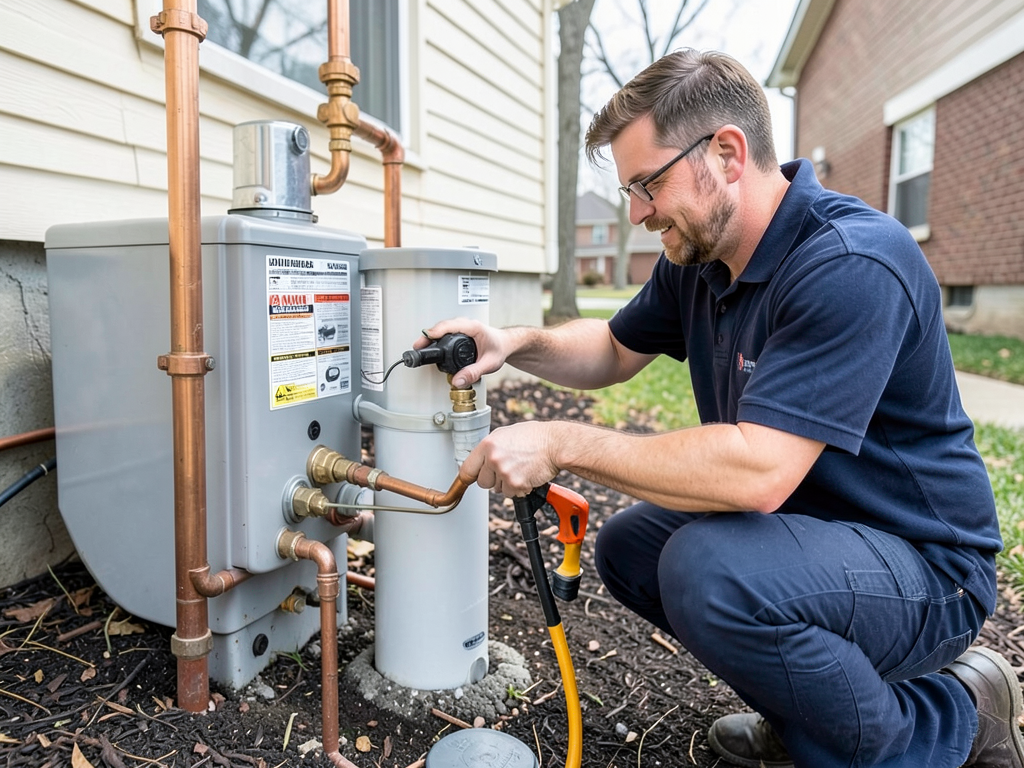
Dealing with Heavy Sediment in the Water Supply Near Eagle Creek Residents near Eagle Creek in Indianapolis often notice gritty…

Dealing with Heavy Sediment in the Water Supply Near Eagle Creek

Dealing with Heavy Sediment in the Water Supply Near Eagle Creek Residents near Eagle Creek in Indianapolis often notice gritty…

Why a Pressure Assisted Toilet Might Be the Solution for Your Clog-Prone Bathroom in Broad Ripple

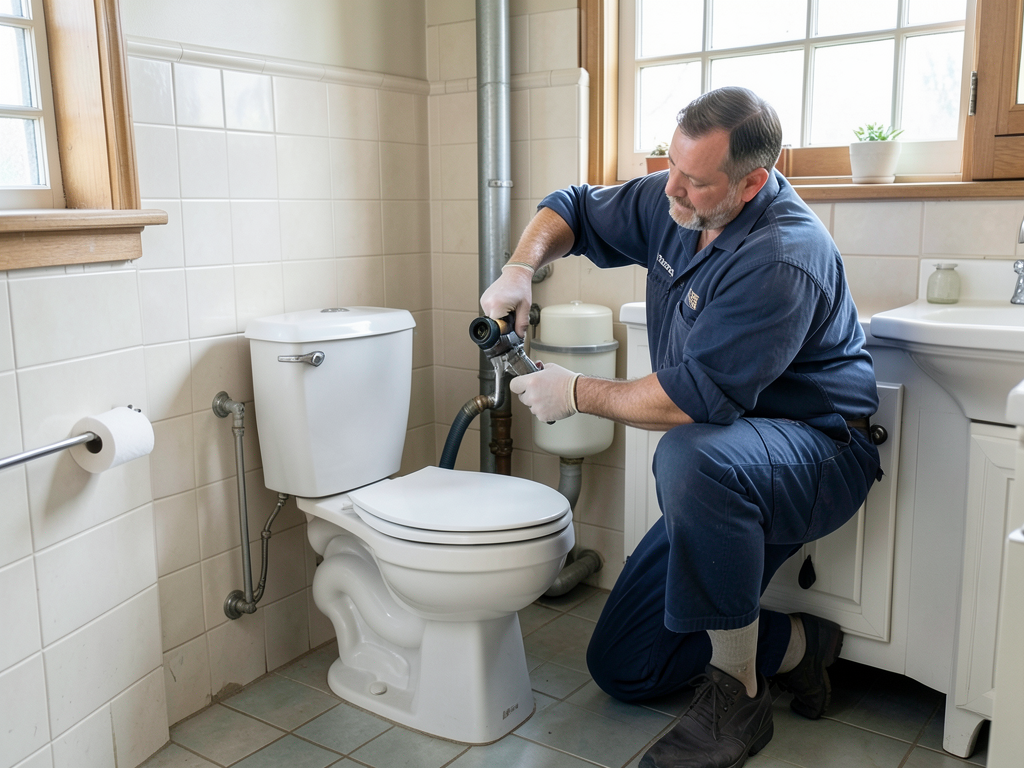
Why a Pressure Assisted Toilet Might Be the Solution for Your Clog-Prone Bathroom in Broad Ripple If your Broad Ripple…

Essential Septic Tank Maintenance Tips for Rural Properties in Franklin

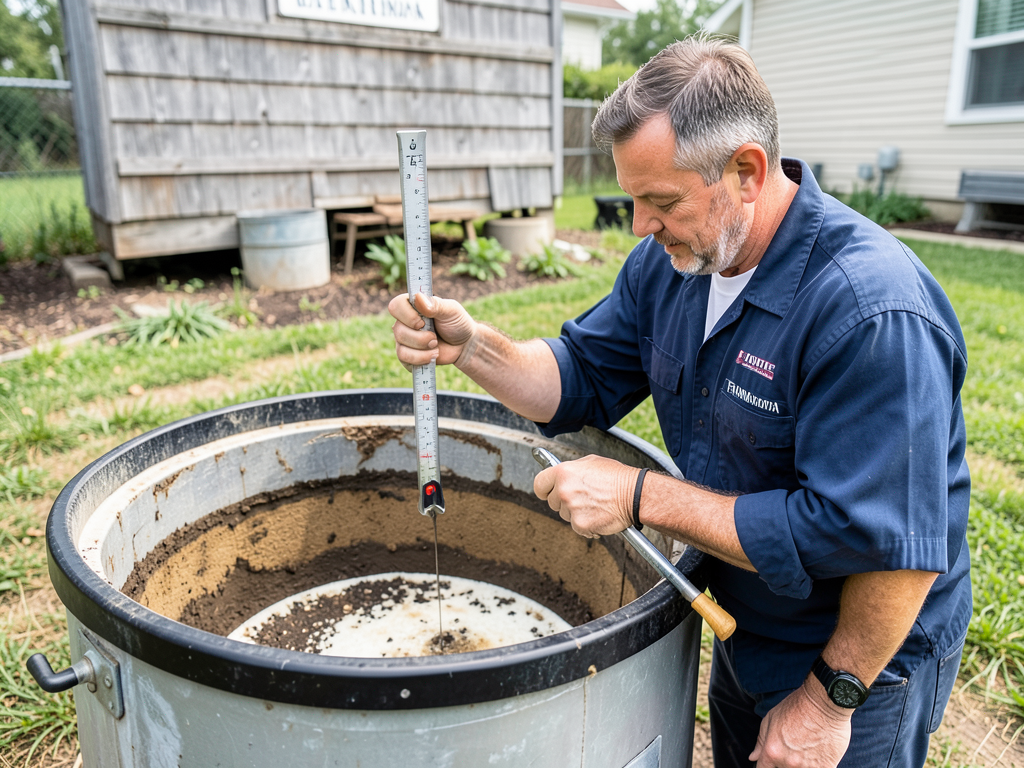
Essential Septic Tank Maintenance Tips for Rural Properties in Franklin Living in rural Franklin means relying on a septic system…

Contact Us

Your commercial kitchen demands infrastructure that supports uninterrupted service. Contact Keystone Plumbing Indianapolis at (317) 688-8848 for system design, installation, or emergency repairs that minimize downtime and maintain code compliance.