Menu

Water Heater Maintenance Tips in Indianapolis | Prevent Costly Breakdowns Before They Happen

Learn the exact water heater care checklist that prevents emergency failures, extends tank life, and keeps hot water flowing reliably through Indianapolis's hard water challenges and seasonal temperature swings.

Slider Image 1
Slider Image 2
Slider Image 3
Slider Image 4
Slider Image 5
Slider Image 7
Slider Image 8
Slider Image 9
Slider Image 10
Slider Image 11

Why Indianapolis Water Conditions Demand Proactive Water Heater Care

Indianapolis sits on a limestone bedrock system that pushes mineral-heavy water through every pipe in Marion County. Your water heater tank is absorbing calcium and magnesium deposits right now, building sediment layers that choke efficiency and accelerate corrosion.

Most homeowners in Broad Ripple, Fountain Square, and Irvington ignore hot water heater upkeep until they step into a cold shower on a January morning. The freeze-thaw cycles we experience between November and March put additional stress on aging tanks. When outdoor temperatures drop to 15 degrees and your basement hovers at 50, your water heater works overtime to maintain temperature.

Hard water is not just an inconvenience. It creates a chemical reaction inside the tank that eats through the anode rod, your first line of defense against rust. Once that sacrificial rod is gone, the tank itself starts corroding from the inside out. You might see rusty water, hear popping sounds, or notice your unit struggling to maintain consistent temperature.

Preventative water heater maintenance is not about being cautious. It is about understanding the specific chemistry of Indianapolis municipal water and how it interacts with steel tanks. The White River watershed feeds our treatment plants, and while the water meets EPA standards, it carries dissolved minerals that accumulate over time.

A water heater care checklist adapted to local conditions addresses sediment buildup, checks anode rod degradation, inspects pressure relief valves, and monitors for early signs of tank failure. These are not optional tasks. They are the difference between a 12-year service life and a 6-year emergency replacement.

Why Indianapolis Water Conditions Demand Proactive Water Heater Care
The Technical Reality of Hot Water Tank Maintenance

The Technical Reality of Hot Water Tank Maintenance

Water heater maintenance is not a visual inspection and a pat on the shoulder. It requires understanding thermodynamics, water chemistry, and mechanical systems that operate under pressure and high heat.

Start with sediment removal. In Indianapolis water, calcium carbonate separates from solution when heated above 140 degrees. It sinks to the tank bottom, forming a barrier between the heating element and the water. Your burner runs longer to achieve the same temperature, wasting energy and stressing components. Flushing removes this layer, but the process requires shutting off power, closing the cold water inlet, attaching a drainage hose, and fully emptying the tank. Partial flushes leave sediment behind.

The anode rod is a magnesium or aluminum core wire that attracts corrosive elements through galvanic action. It sacrifices itself to protect the tank. Most rods last 3-5 years in our water conditions. Checking it means removing the hex head from the top of the tank, extracting a 3-4 foot rod, and measuring remaining material. If the core wire is exposed or the rod has deteriorated to less than half its original diameter, replacement is mandatory.

Pressure relief valve testing confirms your safety mechanism works. This spring-loaded valve prevents catastrophic tank rupture if temperature or pressure exceeds safe limits. It should release water when the test lever is lifted. If it does not, or if it leaks afterward, replacement is required immediately.

Temperature and pressure gauge readings provide baseline data. Inlet and outlet temperature differential, recovery time after heavy use, and pressure fluctuations all indicate system health. A water heater maintenance schedule tracks these metrics over time, revealing degradation trends before they become failures.

Technical maintenance is about measuring, documenting, and acting on data.

Your Complete Water Heater Care Routine

Water Heater Maintenance Tips in Indianapolis | Prevent Costly Breakdowns Before They Happen
01

Visual and Auditory Inspection

Start by examining the area around your water heater for moisture, rust stains, or mineral deposits. Check the floor for water pooling, which signals a slow leak. Listen for popping, banging, or hissing sounds that indicate sediment buildup or pressure irregularities. Inspect the flue pipe on gas units for corrosion or separation. Look at the tank exterior for rust spots, especially near seams and the base.
02

Functional Component Testing

Test the temperature and pressure relief valve by lifting the test lever and confirming water discharge through the overflow pipe. Check the thermostat setting to confirm it is at 120 degrees, the optimal balance between safety and performance. Verify the cold water shutoff valve operates smoothly. Inspect the dip tube by running hot water and checking if it comes out lukewarm, which signals a broken tube mixing cold water into the hot supply.
03

Sediment Flush and Documentation

Drain 2-3 gallons from the tank through the drain valve into a clear bucket to check sediment levels. If you see heavy particulate or discolored water, a full tank flush is needed. Record the date, observations, and any maintenance performed. Note temperature recovery time, unusual sounds, or performance changes. This documentation creates a maintenance history that predicts future service needs and extends tank lifespan.

Why Local Expertise Matters for Indianapolis Water Heater Systems

Keystone Plumbing Indianapolis understands the specific challenges of maintaining water heaters in Central Indiana. We have flushed tanks in 100-year-old homes in Lockerbie Square and serviced commercial units in downtown high-rises. The difference between generic advice and local knowledge is the difference between effective maintenance and wasted effort.

Indianapolis Municipal Water Works treats water from the White River and Fall Creek. The treatment process adds chlorine and adjusts pH, but it does not remove hardness. Our water averages 12-15 grains per gallon, classified as moderately hard to hard. This mineral content accelerates anode rod depletion and sediment formation compared to softer water regions.

We also deal with temperature extremes that stress water heaters. Summer humidity in Marion County keeps basements damp, promoting external tank corrosion. Winter cold forces units in unheated spaces to work harder. Homes built on crawl spaces rather than full basements face different thermal challenges than slab foundations.

Local building codes require specific venting configurations, seismic strapping in certain applications, and expansion tank installation on closed plumbing systems. A water heater maintenance schedule must account for these code requirements and verify compliance during routine service.

Our technicians carry replacement anode rods, pressure relief valves, and drain valves on every service call. We do not schedule a second trip for parts because we know what fails in Indianapolis water. We also understand the difference between a traditional atmospheric vent gas water heater and a power-vented unit, between a standard electric resistance model and a heat pump hybrid.

You want someone who has worked on your specific type of system in your specific water conditions. That is local expertise.

What Professional Water Heater Maintenance Delivers

Scheduling and Frequency

Annual professional maintenance is the baseline for Indianapolis water conditions. If you have a water softener, you can extend this to 18 months. Homes without softeners should consider bi-annual service, particularly if you notice performance degradation. We schedule maintenance appointments year-round, but spring and fall offer ideal timing to prepare for seasonal demand shifts. Same-day service is available for urgent situations, and we maintain detailed service records to track your unit's history and predict future needs.

Comprehensive System Evaluation

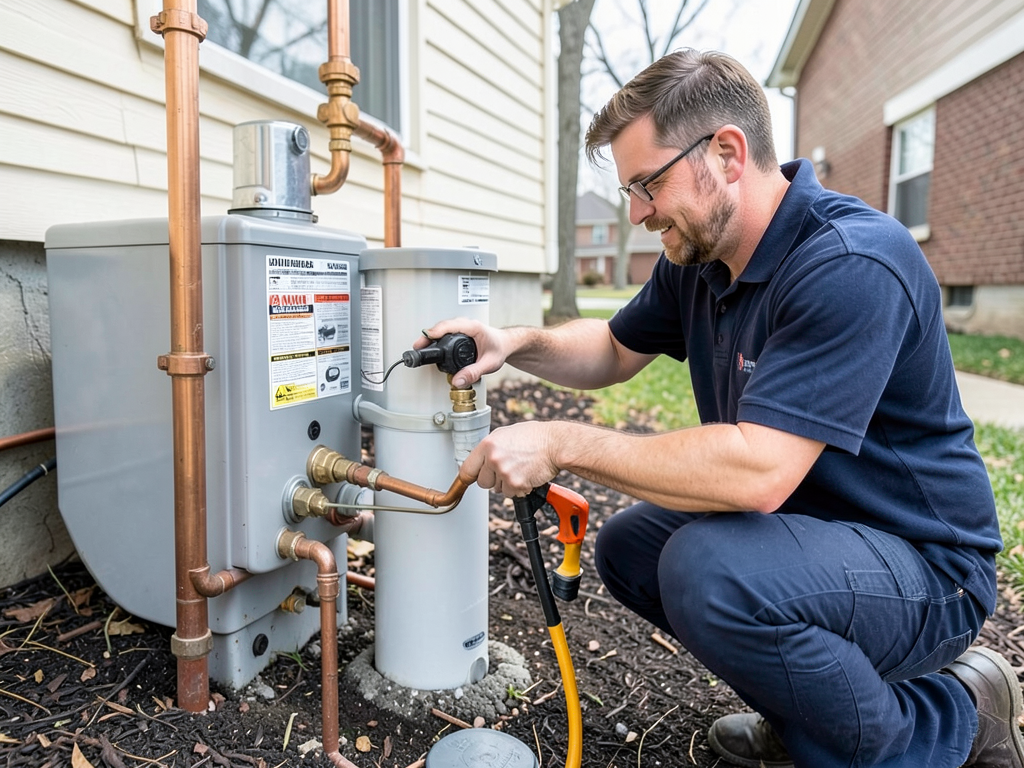
Professional maintenance includes testing combustion efficiency on gas units, checking electrical connections and heating element resistance on electric models, and inspecting all water connections for slow leaks. We measure inlet water pressure, test expansion tank pre-charge, and verify proper venting. The anode rod inspection requires specialized tools to extract and evaluate the rod without damaging tank threads. We also check the dip tube, which frequently breaks in older units, causing premature hot water depletion. This level of evaluation identifies problems before they cause failures.

Sediment Removal and System Optimization

We perform complete tank drainage using professional-grade pumps that remove sediment a garden hose cannot. If the drain valve is clogged with sediment, we have the tools to clear it or replace it on-site. After flushing, we refill the tank, purge air from the lines, and verify proper heating function. We also optimize temperature settings for efficiency and safety, adjust the gas valve or electric thermostat as needed, and confirm the unit reaches target temperature within expected recovery time. You get measurable performance improvement, not just a checkmark on a list.

Maintenance Records and Future Planning

We document every service visit with photos, measurements, and observations. You receive a detailed report showing anode rod condition, sediment levels, component wear, and projected service life. This information helps you plan financially for eventual replacement and makes informed decisions about repair versus replacement when problems arise. We also provide a customized maintenance schedule based on your specific unit, water conditions, and usage patterns. If your tank is approaching end-of-life, we discuss replacement options before you face an emergency failure and rushed decisions.

Frequently Asked Questions

You Have Questions,
We Have Answers

What maintenance needs to be done on a water heater? +

Water heaters need annual flushing to remove sediment buildup, especially in Indianapolis where hard water accelerates mineral accumulation. Check the pressure relief valve quarterly by lifting the lever to ensure proper function. Inspect the anode rod every three years and replace it when corroded down to the wire core. Adjust the thermostat to 120 degrees to prevent scalding and reduce energy waste. Test the temperature-pressure relief valve discharge pipe for obstructions. Gas units require burner inspection for proper flame color, while electric units need element checks for efficiency.

What happens if you don't flush your water heater? +

Skipping water heater flushing allows sediment to harden at the tank bottom, creating an insulating layer that forces your unit to work harder and waste energy. Indianapolis tap water contains calcium and magnesium that settle over time. This buildup causes uneven heating, rumbling noises, and premature tank failure. Sediment traps heat at the bottom, overheating the tank floor and weakening the steel. You may notice longer recovery times, reduced hot water capacity, or discolored water. Eventually, the tank corrodes through, causing leaks that damage floors and belongings.

How often should I flush a water heater? +

Flush your water heater once per year in Indianapolis. Homes with hard water or well systems may need flushing twice annually due to faster mineral accumulation. If you notice rumbling sounds, reduced hot water volume, or discolored water, flush immediately regardless of schedule. New water heaters benefit from an initial flush after six months to clear manufacturing residue. High-usage households with multiple occupants should consider biannual maintenance. Regular flushing extends tank life by preventing corrosive sediment from compromising the steel lining and heating elements.

Can I do water heater maintenance myself? +

You can perform basic water heater maintenance if you understand safety protocols and have the right tools. Homeowners can flush tanks, test pressure relief valves, and adjust thermostats. However, anode rod replacement requires specific knowledge of thread types and proper torque. Gas water heaters involve combustion components that need professional inspection to prevent carbon monoxide hazards. If your unit is under warranty, DIY repairs may void coverage. Indianapolis building codes require licensed plumbers for certain repairs. When uncertain, hire a qualified technician to avoid water damage or gas leaks.

Can I flush my hot water heater myself? +

You can flush your hot water heater yourself with basic tools and careful attention to safety. Turn off power or gas, shut the cold water supply, and connect a garden hose to the drain valve. Open a hot water faucet upstairs to prevent vacuum lock. Drain until water runs clear. Indianapolis homes with hard water may need multiple flushes to clear stubborn sediment. Watch for valve leaks and ensure complete drainage. If the drain valve clogs or you have a tankless system, call a professional to avoid damaging components.

What are the 7 basic preventive maintenance elements? +

The seven basic preventive maintenance elements for water heaters include annual tank flushing, anode rod inspection and replacement, pressure relief valve testing, thermostat verification, leak detection around fittings and connections, burner or element performance checks, and venting system inspection for gas units. Each element addresses a specific failure point. Indianapolis homeowners should prioritize these tasks to maximize equipment life and efficiency. Flushing removes sediment, anode rods prevent corrosion, relief valves prevent explosions, and proper thermostat settings prevent scalding while reducing energy consumption. Combined, these steps prevent costly emergency repairs.

Should I flush a 20 year old water heater? +

Flushing a 20-year-old water heater carries risks. Decades of sediment may have fused to the tank bottom, and disturbing it can crack the compromised steel or clog the drain valve permanently. The anode rod has likely dissolved completely, allowing corrosion to thin the tank walls. In Indianapolis, where hard water accelerates wear, a 20-year-old unit exceeds typical lifespan. Flushing may trigger leaks in weakened areas. Consider replacement instead. If you proceed, hire a professional who can assess tank condition and handle complications like stuck valves or unexpected leaks.

How much does a plumber charge to flush it? +

Professional water heater flushing costs vary based on tank size, accessibility, and sediment severity. Expect service fees to reflect the plumber's expertise, equipment, and liability insurance. Indianapolis rates account for local labor costs and business overhead. Most plumbers charge a flat service rate or hourly fee. Heavily neglected tanks require additional time and effort to clear hardened sediment. Some companies include flushing in annual maintenance packages. Costs increase for tankless units or if valve replacement becomes necessary during service. Request transparent pricing before scheduling.

Does flushing remove all sediment? +

Flushing removes most loose sediment but rarely eliminates all buildup, especially in neglected tanks. Hardened mineral deposits adhere to tank walls and heating elements, resisting water flow. Indianapolis hard water creates particularly stubborn calcium and magnesium layers. A single flush clears suspended particles and recent accumulation. Severe buildup requires multiple flushes or power flushing equipment that professionals use. Tankless units need descaling solutions to dissolve mineral scale. Regular annual flushing prevents sediment from hardening, making each service more effective. Older tanks with years of neglect may never fully clear.

How much does it cost to have a water heater flushed? +

Water heater flushing costs depend on your service provider, tank type, and condition. Indianapolis area rates reflect local market conditions and plumber expertise. Standard tank flushing typically involves a service call fee plus labor. Tankless systems cost more due to descaling chemical requirements and complex procedures. Prices increase if technicians discover failing drain valves, corroded anode rods, or other issues requiring repair. Many plumbing companies offer maintenance agreements that include annual flushing at reduced rates. Investing in regular maintenance costs less than emergency tank replacement after catastrophic failure damages your home.

How Indianapolis Hard Water Accelerates Tank Corrosion and Sediment Buildup

The limestone aquifer underneath Marion County creates water chemistry that actively works against your water heater. Calcium and magnesium dissolve into the water supply, then precipitate out as scale when heated. This process happens faster in water heaters than any other plumbing fixture because of sustained high temperatures. The White River watershed compounds this with seasonal mineral content fluctuations. Spring runoff dilutes hardness temporarily, while summer low-flow periods concentrate minerals. Your water heater experiences different chemical stress throughout the year, making preventative water heater maintenance timing critical for long-term performance.

Keystone Plumbing Indianapolis has maintained water heaters across every neighborhood in the metro area. We understand the difference between water quality in Carmel versus Greenwood, between older homes on well water in Lawrence Township versus newer construction on municipal supply in Pike Township. This knowledge shapes our hot water tank maintenance approach. We adjust flush frequency, anode rod inspection intervals, and temperature settings based on your specific water source and usage patterns. Local expertise means recognizing that a water heater maintenance schedule for a home in Fishers needs different parameters than one in Beech Grove.
Plumbing Services in The Indianapolis Area

While we are proud to serve the entire Indianapolis area, our team is committed to providing prompt and efficient service wherever you are. Use the map below to get a better sense of our service area, or simply give us a call. We're happy to discuss your specific location and how quickly we can get an expert to your home or business to address your plumbing needs.

Address:
Keystone Plumbing Indianapolis, 600 E Ohio St, Indianapolis, IN, 46202

Additional Services We Offer

Our news updates

Latest Articles & News from The Blogs

Dealing with Heavy Sediment in the Water Supply Near Eagle Creek Residents near Eagle Creek in Indianapolis often notice gritty…

Dealing with Heavy Sediment in the Water Supply Near Eagle Creek

Dealing with Heavy Sediment in the Water Supply Near Eagle Creek Residents near Eagle Creek in Indianapolis often notice gritty…

Why a Pressure Assisted Toilet Might Be the Solution for Your Clog-Prone Bathroom in Broad Ripple

Why a Pressure Assisted Toilet Might Be the Solution for Your Clog-Prone Bathroom in Broad Ripple If your Broad Ripple…

Essential Septic Tank Maintenance Tips for Rural Properties in Franklin

Essential Septic Tank Maintenance Tips for Rural Properties in Franklin Living in rural Franklin means relying on a septic system…

Contact Us

Prevent emergency failures and extend your tank's lifespan with professional maintenance. Call Keystone Plumbing Indianapolis at (317) 688-8848 to schedule service. We provide detailed inspections, complete sediment removal, and customized maintenance schedules for Indianapolis water conditions.