Menu

Trenchless Sewer Repair in Indianapolis – Zero Downtime Solutions for Commercial Properties

Keep Your Business Running During Critical Sewer Line Repairs with CIPP and Trenchless Pipe Lining Technology That Requires No Excavation, No Disruption, and No Lost Revenue

Slider Image 1
Slider Image 2
Slider Image 3
Slider Image 4
Slider Image 5
Slider Image 7
Slider Image 8
Slider Image 9
Slider Image 10
Slider Image 11

Why Indianapolis Commercial Properties Need No-Dig Sewer Solutions

Indianapolis sits on clay-heavy soil that expands and contracts with seasonal freeze-thaw cycles. This movement creates constant stress on underground sewer lines, especially in older commercial districts like Mass Ave, Fountain Square, and the Wholesale District where cast iron and clay pipes were installed decades ago.

When a mainline fails under your restaurant, warehouse, or office building, traditional excavation means tearing up parking lots, closing sections of your facility, and losing customers for days or weeks. Every hour your sewer system is down costs you money in lost operations, emergency rerouting, and potential health code violations.

Trenchless sewer repair eliminates that risk. Using CIPP sewer repair technology and trenchless pipe lining methods, we rehabilitate failing pipes from the inside without removing landscaping, breaking concrete, or disrupting your daily operations. The process works for both partial repairs and full trenchless sewer replacement, giving you a structural solution that lasts 50-plus years with minimal surface impact.

Indianapolis's infrastructure age makes this especially critical. Many commercial buildings in the central business district still operate on original 1950s-era clay pipe. That pipe is failing now. Trenchless pipe rehabilitation gives you a modern solution without the operational devastation of traditional dig-and-replace methods.

Your business cannot afford multi-day shutdowns. No-dig sewer repair keeps your doors open while we fix the problem underground.

Why Indianapolis Commercial Properties Need No-Dig Sewer Solutions
How Industrial-Grade Trenchless Technology Solves Commercial Sewer Failures

How Industrial-Grade Trenchless Technology Solves Commercial Sewer Failures

Keystone Plumbing Indianapolis uses CIPP technology to install a structural epoxy liner inside your existing pipe. This is not a temporary patch. It is a full structural replacement that meets ASTM F1216 standards for pressure pipe applications.

First, we run a high-definition sewer camera through your line to map the damage. Roots, offset joints, belly sags, and corrosion all show up in the footage. This diagnostic step eliminates guesswork and prevents unnecessary work.

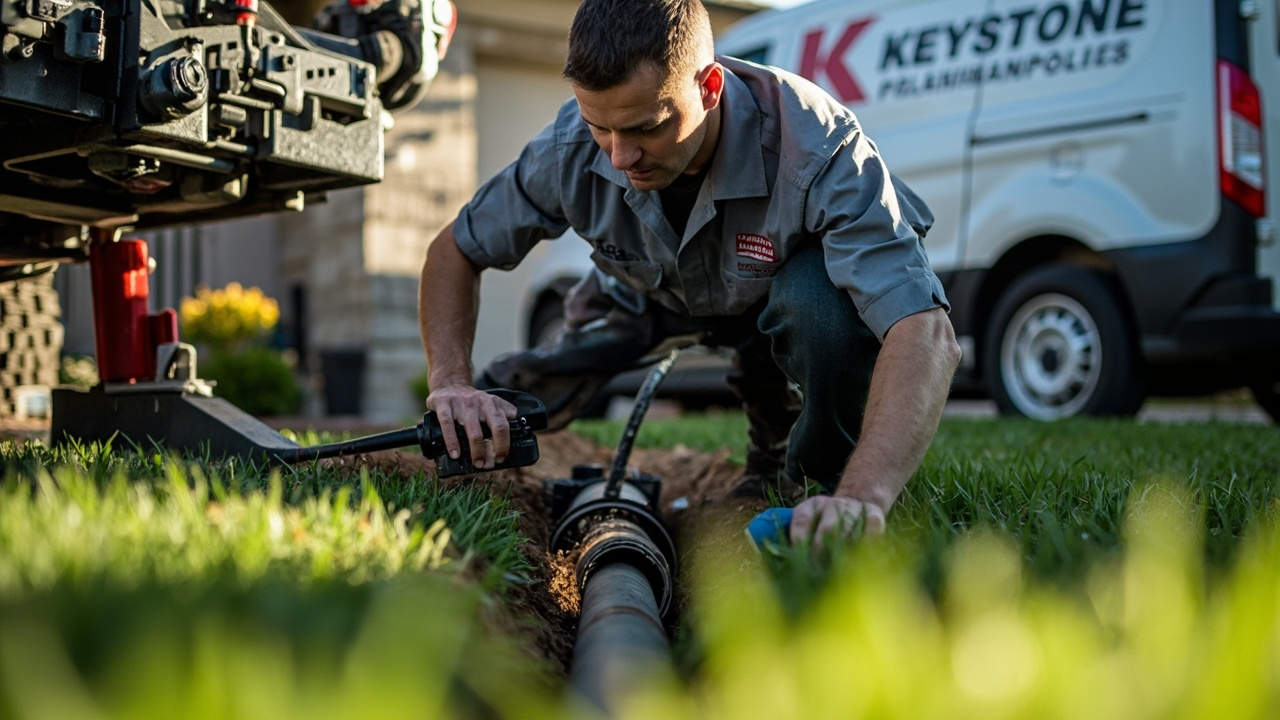
Once we confirm trenchless sewer repair is viable, we hydro-jet the line to remove debris and create a clean surface. Then we insert a resin-saturated felt liner through an existing access point, inflate it against the host pipe, and cure it with hot water or UV light. The result is a seamless, jointless pipe within a pipe that restores full flow capacity and stops infiltration.

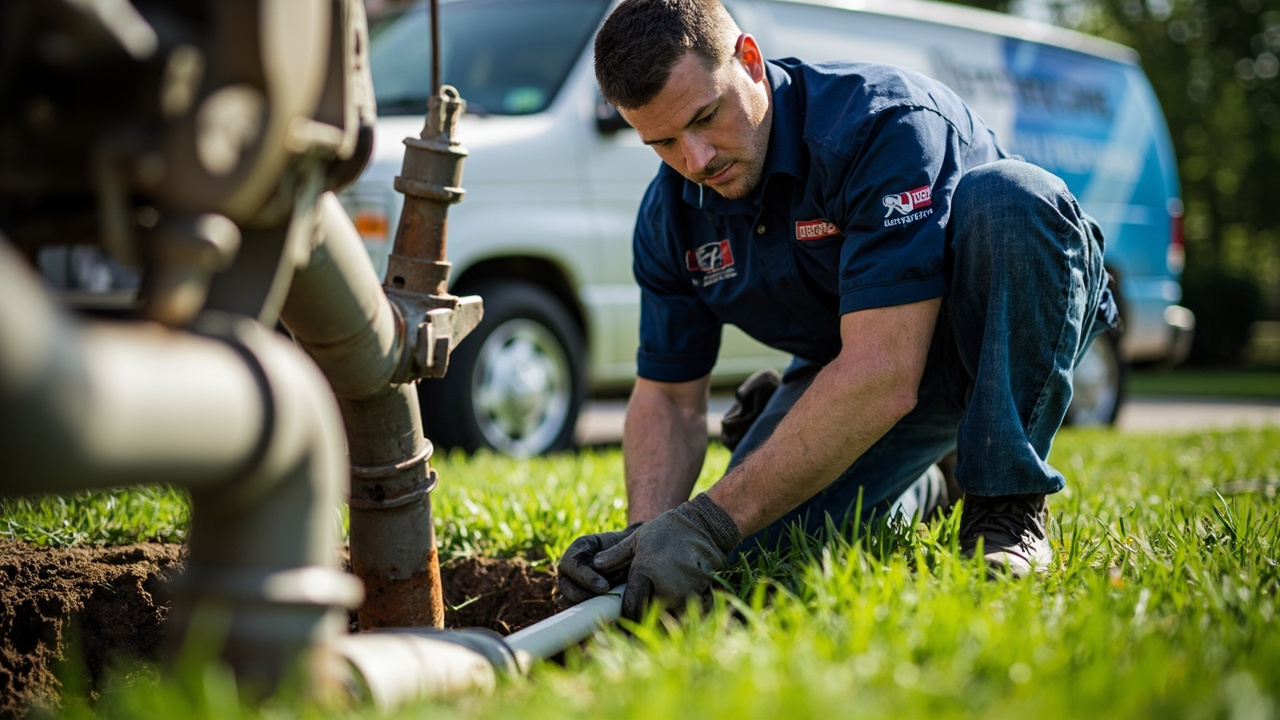
For full-line failures, trenchless sewer replacement uses pipe bursting. We pull a bursting head through the old pipe, fracturing it outward, while simultaneously pulling new HDPE pipe into place. You get a brand-new sewer line with only two small access pits at each end.

Both methods avoid the liability and cost of open trenches across your property. No excavators tearing through asphalt. No dumpsters full of broken concrete. No multi-week projects that force you to close sections of your building.

We complete most commercial trenchless jobs in 24 to 48 hours. Your sewer system goes from failing to fully rehabilitated without shutting down your operations.

How We Execute Commercial Trenchless Repairs

Trenchless Sewer Repair in Indianapolis – Zero Downtime Solutions for Commercial Properties
01

Camera Diagnostics and Mapping

We deploy a push camera with locating transmitter to record the full condition of your sewer line. You see the exact location of root intrusion, cracks, corrosion, and offset joints on screen. This footage gives us precise measurements for liner fabrication and confirms whether trenchless methods will work for your specific failure. We mark GPS coordinates at each access point for future maintenance records.
02

Hydro-Jetting and Liner Installation

We use a 3,000-psi hydro-jetter to strip the pipe clean of grease, roots, and mineral buildup. Once prepped, we invert or pull the resin-saturated liner into place and inflate it to full pipe diameter. The epoxy resin cures under controlled heat or UV light, creating a rigid structural pipe that bonds to the host pipe. This process restores your line to better-than-new condition without excavation.
03

Testing and Handoff Documentation

After the liner cures, we run a final camera pass to verify full adhesion and smooth interior surface. We pressure-test the line to confirm it meets or exceeds code for your occupancy type. You receive a full documentation package including pre-repair footage, liner specs, cure logs, and post-repair verification video. This documentation satisfies insurance requirements and provides a permanent maintenance record for your facility.

Why Indianapolis Businesses Trust Keystone Plumbing for Trenchless Projects

Commercial sewer failures are not residential service calls. You need a contractor who understands operational continuity, code compliance, and liability management. Keystone Plumbing Indianapolis has completed trenchless projects for multi-tenant office buildings, food service operations, warehouses, and retail centers across Marion County.

We work directly with your facility manager or property owner to schedule repairs during low-traffic hours. If your restaurant cannot afford to close during dinner service, we start at midnight. If your warehouse runs 24/7, we stage the work in phases to keep operations moving.

Indianapolis requires compliance with Indiana Plumbing Code and local Marion County amendments. We pull permits, coordinate inspections, and provide the documentation you need for insurance claims or tenant disclosures. Many contractors skip this step. We do not.

Our equipment is commercial-grade. We use truck-mounted hydro-jetters, not portable units. Our camera systems record in HD with distance counters and GPS locators. Our CIPP liners are custom-fabricated to your pipe diameter and length, not off-the-shelf products that require field modifications.

We also understand Indianapolis's infrastructure quirks. Many downtown buildings have combined storm and sanitary systems that dump into White River overflow channels during heavy rain. If your line connects to a shared system, we coordinate with the city to ensure compliance with stormwater separation mandates.

You need a contractor who shows up with the right equipment, the right permits, and the right plan. That is what we deliver.

What to Expect from a Commercial Trenchless Project

Project Timeline and Scheduling Flexibility

Most commercial trenchless sewer repairs take 24 to 48 hours from start to finish. We schedule around your operational needs. If you need overnight or weekend work to avoid business interruption, we accommodate that. For larger projects requiring multiple liner runs or pipe bursting, we provide a phased schedule that keeps critical sections of your sewer system operational while we work on isolated sections. You get a written timeline before we start, and we update you at each phase completion.

Pre-Repair Assessment and Scope Confirmation

We perform a full camera inspection and provide you with recorded footage before quoting the repair. You see exactly what we see. We identify the failure type, measure the damaged section, and confirm whether trenchless methods will solve the problem. If your pipe has collapsed beyond repair or is offset more than 30 degrees, we tell you upfront. Some failures require excavation. We do not sell you trenchless if it will not work. You get an honest assessment and a scope that matches the actual conditions.

Structural Integrity and Flow Restoration

The finished liner is a standalone structural pipe rated for 50-plus years of service life. It stops root intrusion, eliminates joint separation, and restores full hydraulic flow capacity. You do not get a temporary patch. You get a permanent rehabilitation that meets ASTM standards for structural pipe. We verify this with post-installation camera footage and pressure testing. The result is a sewer line that performs better than the original installation, with no ongoing maintenance required beyond standard drain care.

Documentation and Compliance Records

You receive a full project binder that includes pre-repair camera footage, liner specifications, cure logs, post-repair verification footage, and permit closeout documentation. This package satisfies insurance requirements, tenant disclosure obligations, and future sale due diligence. If you manage multiple properties or report to corporate ownership, this documentation provides the audit trail you need. We also provide digital copies for your facility management software or maintenance tracking system.

Frequently Asked Questions

You Have Questions,
We Have Answers

Is trenchless sewer repair worth it? +

Yes, for commercial properties in Indianapolis. Trenchless sewer repair eliminates excavation costs, reduces business downtime, and preserves pavement and landscaping. Indianapolis properties with mature trees or concrete surrounds benefit most. The process takes hours instead of days, minimizing operational disruption. You avoid restoration costs for driveways, parking lots, or sidewalks. The cured-in-place pipe lining resists root intrusion common in Indianapolis clay soils and handles freeze-thaw cycles better than aging clay or cast iron lines. The ROI is clear when you factor in avoided excavation, restoration, and lost revenue during closure.

What are the disadvantages of trenchless pipe lining? +

Trenchless pipe lining requires existing pipe structure to remain mostly intact. Severely collapsed or offset pipes may need excavation. The process reduces interior pipe diameter slightly, which can impact flow in undersized commercial lines. Not all pipe materials accept lining equally. Pre-existing grease buildup or debris requires thorough cleaning before installation. Indianapolis properties with multiple access points or complex routing may face higher inspection costs. The upfront cost exceeds conventional repair, though total project costs remain lower. Lining does not fix issues outside the pipe, like settling soil or foundation problems common in older Indianapolis commercial districts.

Does homeowners insurance cover sewage line repairs? +

Most commercial property insurance policies exclude routine maintenance and gradual deterioration of sewer lines. Coverage depends on the cause. Sudden pipe collapse from external damage or covered peril may qualify. Backup damage to building interiors often has separate endorsement requirements. Indianapolis commercial properties should review policies for sewer backup riders and external line coverage limits. Aging infrastructure or tree root intrusion typically falls under maintenance exclusions. Document all damage with photos and professional inspections before filing claims. Your insurance adjuster will require proof the damage was sudden and unforeseeable, not deferred maintenance.

How long does a trenchless sewer line last? +

Trenchless cured-in-place pipe lining lasts 50 to 100 years when properly installed. The epoxy resin creates a seamless, corrosion-resistant pipe within the existing line. Indianapolis freeze-thaw cycles and shifting clay soils do not affect the flexible liner like rigid traditional pipes. Commercial applications see extended lifespans due to professional maintenance protocols. Quality of installation and pre-existing pipe condition impact longevity. Lines with ongoing root intrusion or foundation settlement may experience reduced lifespans. Regular video inspections every five to seven years ensure the liner maintains integrity. Properly maintained trenchless repairs outlast conventional replacement in Indianapolis soil conditions.

How much to replace 20 ft of sewer line? +

Costs vary based on access, pipe diameter, depth, and condition. Expect project costs to account for excavation, restoration, permits, and material. Indianapolis properties face higher costs for deep lines or difficult access under pavement. Trenchless methods reduce total project expense by eliminating excavation and restoration. Commercial lines with larger diameters cost more per linear foot. Clay soil conditions in Indianapolis may require additional shoring or dewatering. Permitting through Indianapolis DPW adds administrative costs. Multiple bids from licensed contractors provide accurate budgeting. Focus on total project cost including downtime, not just line replacement fees.

Do plumbers recommend sewer liners? +

Licensed plumbers recommend trenchless sewer liners for specific applications. Commercial properties with access constraints, shallow utilities, or operational continuity needs benefit most. Indianapolis plumbers favor lining for properties where excavation damages valuable hardscaping or disrupts business operations. The method works well for older commercial districts with mature landscaping or historic building surrounds. Plumbers assess pipe condition through video inspection before recommending lining. Severely damaged or collapsed sections may require excavation. Reputable contractors present both options with transparent cost comparisons. The recommendation depends on pipe material, damage extent, soil conditions, and your operational timeline.

What is the cheapest way to replace a sewer line? +

Spot repair through excavation costs less than full replacement but only addresses visible damage. Indianapolis properties often choose partial excavation for isolated breaks or collapsed sections. Trenchless pipe bursting reduces total project costs by eliminating restoration expenses while replacing the entire line. The cheapest option depends on damage extent and access. Defer repairs and you risk cascading failures and emergency rates. Commercial properties should calculate total cost including business interruption, permitting, restoration, and future failure risk. Invest in video inspection to identify the most cost-effective approach. Cheap solutions that ignore root causes cost more long-term.

What is the average cost of pipe relining? +

Project costs for pipe relining depend on access points, pipe diameter, length, and condition. Commercial applications with larger diameters cost more per linear foot than residential lines. Indianapolis projects factor in soil conditions, depth, and surface restoration needs. Trenchless relining costs more upfront than spot repairs but less than full excavation and replacement. Costs include video inspection, cleaning, lining materials, curing time, and final inspection. Properties requiring multiple access points or complex routing see higher expenses. Request itemized bids from licensed Indianapolis contractors. Compare total project costs including avoided downtime and restoration expenses.

What's better, a French drain or a trench drain? +

They serve different purposes. French drains manage subsurface groundwater through perforated pipe and gravel. Trench drains handle surface runoff with grated channels. Commercial properties in Indianapolis use French drains for foundation drainage and groundwater control in clay soils. Trench drains work for loading docks, parking areas, and surface water management. Choose based on water source and drainage goals. Neither replaces sewer line repair. Properties with both surface and subsurface water issues may need both systems. Consult a licensed plumber or civil engineer to assess your specific drainage problem before selecting a solution.

What is the average lifespan of a sewer line? +

Traditional sewer lines last 50 to 100 years depending on material and conditions. Cast iron pipes common in older Indianapolis commercial buildings last 50 to 75 years. Clay pipes deteriorate faster in freeze-thaw cycles and shifting soils. PVC lines installed since the 1970s can exceed 100 years with proper installation. Indianapolis clay soil and tree root intrusion reduce lifespans. Commercial properties with high usage or corrosive waste see accelerated deterioration. Regular video inspections identify problems before failure. Lines installed before 1970 in downtown Indianapolis likely need assessment. Plan replacement budgets based on installation date and material type.

How Indianapolis's Clay Soil and Aging Infrastructure Drive Sewer Line Failures

Indianapolis sits on Crosby-Brookston clay loam, a soil type that swells when wet and shrinks when dry. This constant expansion and contraction shifts underground pipes, breaking joints and cracking rigid materials like cast iron and clay. The freeze-thaw cycle makes it worse. Water infiltrates small cracks, freezes, and expands, turning hairline fractures into full breaks. Commercial properties in older districts like Fletcher Place and the Wholesale District are especially vulnerable because original pipe installations date back to the 1940s and 1950s. Trenchless pipe rehabilitation stops this cycle by creating a flexible, jointless liner that moves with soil conditions without cracking.

Marion County enforces strict compliance with Indiana Plumbing Code 675 IAC 16, which requires permits for all sewer repairs exceeding basic maintenance. We handle that process. We also coordinate with Indianapolis Department of Public Works when repairs affect right-of-way or public easements. Many commercial buildings downtown share common sewer laterals or connect to combined storm systems. These connections require additional inspections and documentation. Working with a contractor who understands local permitting saves you from compliance issues that can delay occupancy or trigger fines during routine inspections.
Plumbing Services in The Indianapolis Area

While we are proud to serve the entire Indianapolis area, our team is committed to providing prompt and efficient service wherever you are. Use the map below to get a better sense of our service area, or simply give us a call. We're happy to discuss your specific location and how quickly we can get an expert to your home or business to address your plumbing needs.

Address:
Keystone Plumbing Indianapolis, 600 E Ohio St, Indianapolis, IN, 46202

Additional Services We Offer

Our news updates

Latest Articles & News from The Blogs

Is Your High Water Pressure Actually Ruining Your Appliances in Fishers? If your dishwasher leaks during the rinse cycle or…

Is Your High Water Pressure Actually Ruining Your Appliances in Fishers?

Is Your High Water Pressure Actually Ruining Your Appliances in Fishers? If your dishwasher leaks during the rinse cycle or…

Choosing Between a Freestanding and a Built-In Tub for Your Meridian-Kessler Master Bath

Meridian-Kessler Bathroom Remodel: Freestanding vs Built-In Tub Guide Selecting the right tub for your Meridian-Kessler master bath involves more than…

Why an Under-Sink Reverse Osmosis System Is Better Than Filtered Pitchers for Indianapolis Water

Indianapolis Water Quality Makes Reverse Osmosis the Clear Choice Indianapolis tap water carries a unique profile that leaves many homeowners…

Contact Us

Stop losing money to sewer failures. Call Keystone Plumbing Indianapolis at (317) 688-8848 for a camera inspection and trenchless repair quote. We work around your schedule and keep your business running while we fix the problem underground.