
The Best Way to Winterize Your Outdoor Kitchen and Pool House in Carmel
Indianapolis winters can destroy outdoor plumbing if you do not prepare. When temperatures drop below 20°F, water in pipes freezes and expands. This creates pressure that bursts pipes, damages fixtures, and causes thousands in repairs. Carmel homeowners with outdoor kitchens and pool houses face unique risks because these spaces often have multiple water lines, appliances, and fixtures that most people forget about. EPA.
The best time to winterize is before the first hard freeze, which typically hits Central Indiana between October 20 and October 30. Waiting until after the first freeze means you might already have frozen pipes that could burst when they thaw. This guide shows you exactly what to do to protect every outdoor water line before winter arrives. Benefits of Water Softeners.
Why Carmel Outdoor Kitchens Need Special Attention
Carmel’s upscale neighborhoods feature elaborate outdoor living spaces with built-in grills, sinks, refrigerators, and even dishwashers. These luxury amenities connect to your home’s water supply through dedicated lines that run underground. When temperatures plummet, these lines become vulnerable to freezing even if they are buried.
Many Carmel homes sit on heavy clay soil that holds moisture. This soil expands when it freezes, putting extra pressure on underground pipes. The freeze-thaw cycle common in Central Indiana causes soil to shift throughout winter, which can crack or separate pipe joints even in well-installed systems.
Pool houses present similar risks. They often contain bathrooms, outdoor showers, or wet bars that connect to both hot and cold water lines. These fixtures sit idle for months, making them easy to forget until spring when you discover water damage from burst pipes.
Step-by-Step Winterization Process
Follow these steps in order to protect your outdoor kitchen and pool house from winter damage. Each step addresses a specific vulnerability in your plumbing system.
- Locate and Shut Off Main Water Supply
Find the shut-off valve that controls water flow to your outdoor kitchen and pool house. This valve is usually inside your home near where the outdoor line exits. Turn it clockwise until it stops. If you cannot find this valve, you may need to shut off water to your entire house at the main meter.
- Open All Outdoor Faucets and Valves
Go to every outdoor fixture and open it fully. This includes kitchen sink faucets, bar sink faucets, outdoor shower valves, and any hose bibs. Leave them open to allow water to drain completely from the lines.
- Drain Water Heaters and Appliances
If your outdoor kitchen has a water heater, turn off the power or gas supply first. Then open the drain valve at the bottom and let all water flow out. For dishwashers or ice makers, consult the owner’s manual for proper winterization procedures.
- Blow Out Remaining Water
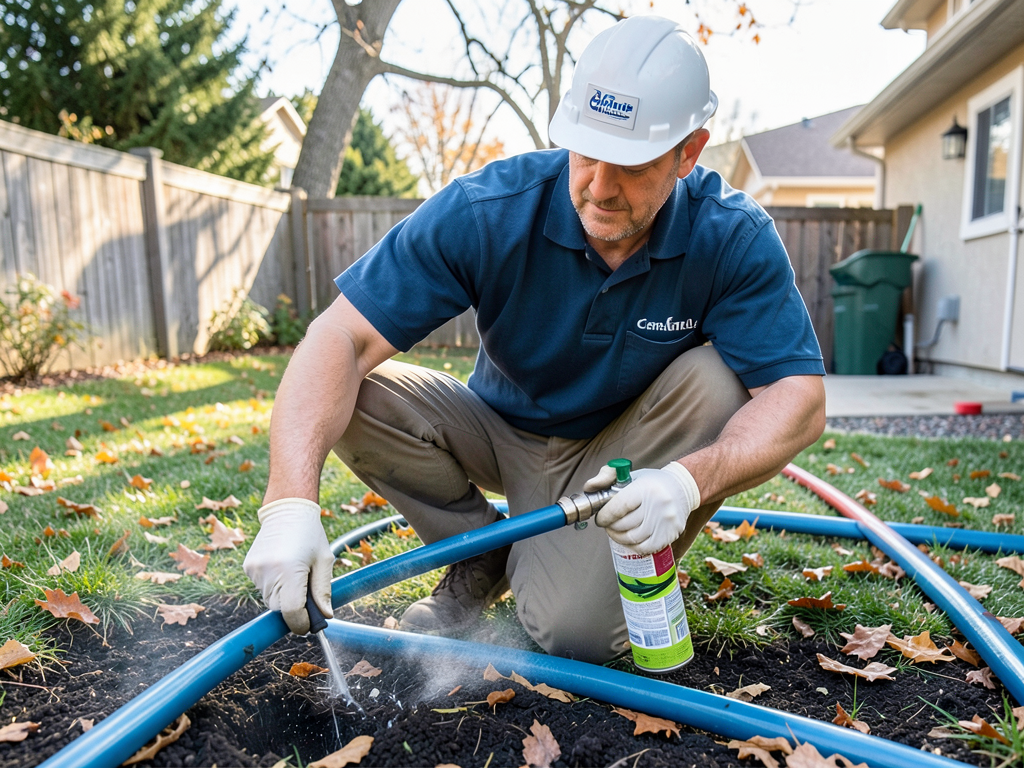
Use an air compressor to force out any water trapped in the lines. Connect the compressor to an outdoor faucet using a quick-connect adapter. Blow air through each line for 2-3 minutes until only air comes out. This step prevents ice formation in low spots. Quick Garbage Disposal Repair in Lawrence to Get Your Kitchen Back in Order.
- Insulate Exposed Pipes
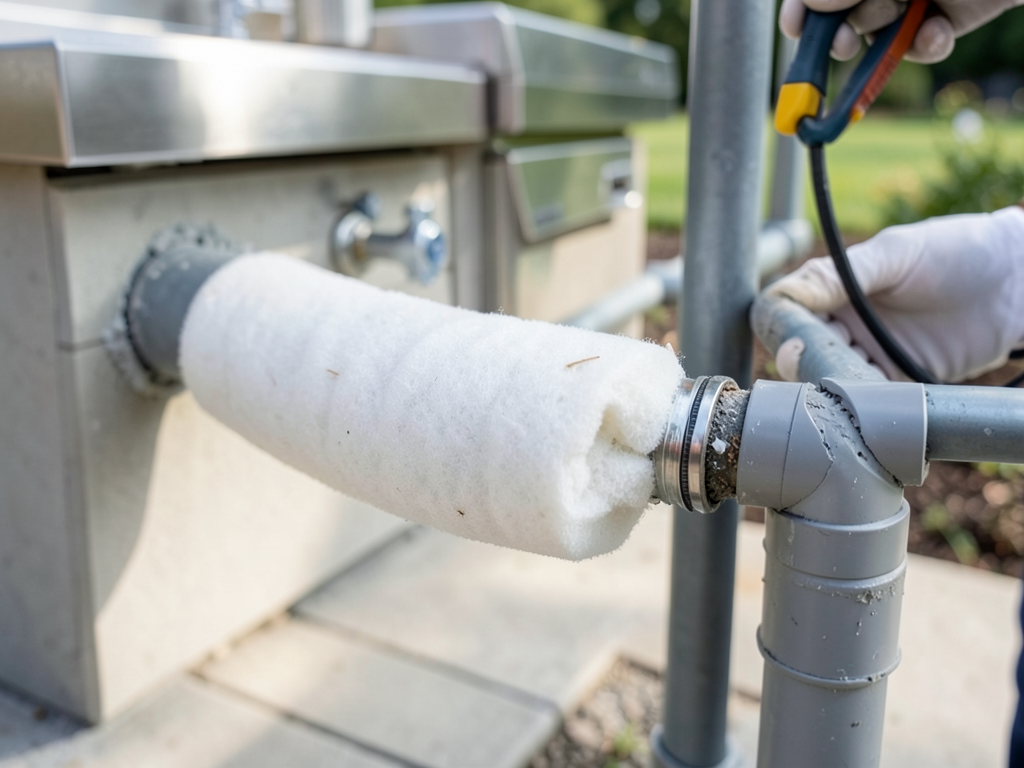
Wrap any pipes that remain exposed with foam insulation sleeves. Pay special attention to pipes in unheated areas like crawl spaces or exterior walls. Use insulation rated for outdoor use with at least R-4 thermal resistance for Central Indiana winters.
- Protect Fixtures and Appliances
Remove and store any detachable fixtures like faucet handles or shower heads. Cover remaining fixtures with insulated covers or wrap them in towels and plastic. For appliances, turn off power at the breaker and consider covering them with weatherproof material.
Special Considerations for Carmel’s Climate
Carmel experiences temperature swings that stress plumbing systems. A warm spell in January followed by a deep freeze can cause pipes to expand and contract repeatedly. This movement weakens joints and creates small cracks that grow larger over time.
The area’s hard water, with mineral content averaging 18-22 grains per gallon, leaves deposits inside pipes and fixtures. These deposits reduce water flow and create rough surfaces where ice crystals form more easily. During winterization, you might notice reduced water flow from mineral buildup even before freezing occurs.
Heavy clay soil in Carmel retains moisture longer than sandy soil. When this wet clay freezes, it expands significantly. Pipes buried in this soil face pressure from all sides as the ground freezes around them. This pressure can crack even thick-walled pipes if they are not properly protected.
Common Winterization Mistakes to Avoid
Many homeowners think frost-proof faucets eliminate the need for winterization. However, these fixtures still fail when connected to hoses or when installed with improper slope. Water trapped inside can freeze and split the pipe even if the faucet handle feels warm.
Another mistake is assuming underground pipes are safe because they are buried. Central Indiana frost depth reaches 30-36 inches in severe winters. Pipes buried at standard 18-24 inch depths can still freeze in extreme conditions. Always insulate pipes regardless of burial depth.
Forgetting about backflow preventers is a critical error. These devices protect your drinking water but contain water in their internal chambers. If not properly drained or protected, they can freeze and crack, contaminating your water supply when you turn it back on in spring.
When to Call a Professional Plumber
Some winterization tasks require professional expertise. If you cannot locate shut-off valves or if your outdoor plumbing system has complex features like multiple zones or integrated irrigation, call a licensed plumber. Apartment Complex Plumbing.
Signs you need professional help include: water still flowing from outdoor fixtures after you shut off the main valve, visible corrosion on pipes, or if you hear water running when all fixtures are off. These indicate leaks or system problems that winterization alone cannot fix.
Professional plumbers use commercial-grade equipment to blow out irrigation lines and can identify vulnerable points in your system that you might miss. They also understand local building codes and can ensure your winterization meets Carmel and Hamilton County requirements.
Emergency Protocol for Frozen Pipes
If you discover frozen pipes before completing winterization, act quickly but carefully. Never use an open flame to thaw pipes. Instead, use a hair dryer on low heat, starting from the faucet end and working backward. Apply heat slowly to prevent steam buildup that can burst pipes.
Keep the affected faucet open while thawing. As ice melts, water will flow through the pipe, helping to clear the blockage. If you cannot thaw the pipe within 30 minutes or if you notice bulging or cracks, call a plumber immediately.
Once pipes are thawed, complete the winterization process immediately. Even if you successfully thaw frozen pipes, they remain weakened and more likely to burst in future freezes. Consider having a plumber inspect any pipes that experienced freezing to check for damage.
Cost Comparison: Prevention vs. Repair
| Service | DIY Cost | Professional Cost | Potential Repair Cost |
|---|---|---|---|
| Basic Winterization | $25-50 | $150-300 | $2,000-5,000 |
| Complete System Blowout | $75-100 | $250-400 | $3,000-8,000 |
| Emergency Pipe Repair | N/A | $500-1,500 | $5,000-15,000 |
| Water Damage Restoration | N/A | N/A | $10,000-30,000 |
Local Building Code Requirements
Hamilton County and the City of Carmel follow the 2021 Indiana Plumbing Code, which requires specific protections for outdoor plumbing. Section 604.8 mandates that all outdoor hose bibs have anti-siphon vacuum breakers to prevent backflow contamination. These devices must be tested annually and protected from freezing.
The code also requires that pipes in unheated spaces be protected from freezing temperatures. This typically means insulation with minimum R-3 rating or installation within heated spaces. For outdoor kitchens, this often translates to insulated chase ways or heat tape installation on vulnerable lines. Reliable Sump Pump Installation in Fishers to Keep Your Basement Dry.
Commercial properties in Carmel must comply with additional requirements under the Carmel Utilities Cross Connection Control Program. This program mandates annual testing of backflow preventers and specific labeling of all testable devices. Failure to comply can result in water service termination.
Spring Startup Procedures
Proper winterization makes spring startup easier, but you still need to follow specific steps. Never turn water back on full force immediately. Instead, open the main valve halfway and check for leaks at all connections. Listen for hissing sounds that might indicate small leaks.
Run water through each fixture for several minutes to flush out any debris or antifreeze that might have entered the system. Check for proper drainage and ensure all fixtures operate normally before using them for food preparation or drinking water.
Test all appliances like ice makers and dishwashers for proper operation. Look for error codes or unusual sounds that might indicate winter damage. If anything seems off, turn off the water and call a plumber before using the appliance.
Long-Term Protection Strategies
Consider installing freeze alarms that monitor temperature in your outdoor kitchen or pool house. These devices send alerts to your phone when temperatures drop below a set point, giving you time to take emergency action if you forget to winterize or if a sudden cold snap hits.
Upgrade to PEX piping for outdoor applications. This flexible material resists freezing better than copper because it can expand slightly without cracking. While more expensive initially, PEX can save money over time by reducing freeze damage risk.
Install ball valves instead of gate valves for shut-off applications. Ball valves provide positive shut-off with visual confirmation of valve position. They are less likely to leak or fail over time compared to older gate valve designs.
Local Resources and Support
Carmel residents can access specific resources for winter plumbing protection. The Carmel Utilities Department offers a cross-connection survey service that can identify vulnerable points in your outdoor plumbing system. They also provide educational materials about proper winterization techniques.
Local plumbing supply stores in the Carmel area stock winterization materials designed for Central Indiana conditions. These include insulation rated for the temperature ranges common in this region and specialized fittings that resist freezing better than standard components.
Several Carmel-based plumbing companies specialize in outdoor kitchen and pool house winterization. These professionals understand the specific challenges of protecting luxury outdoor living spaces in Indiana’s climate and can provide customized solutions for your property.
Frequently Asked Questions
When is the absolute latest I can winterize my outdoor plumbing?
The latest safe date is typically the first week of November, but this varies by year. Monitor weather forecasts closely. If temperatures are predicted to drop below 28°F for more than 4 hours, winterize immediately regardless of the calendar date.
Can I use RV antifreeze in my outdoor plumbing lines?
Yes, but only non-toxic RV antifreeze rated for plumbing systems. Never use automotive antifreeze. Pour about 2 cups into each drain trap and appliance to prevent freezing in P-traps and low spots. This provides extra protection but does not replace proper draining. Wet Spots in Yard.
What should I do if I discover a leak after turning the water back on in spring?
Turn off the water immediately at the main shut-off valve. Small leaks can quickly become major floods. Contact a licensed plumber to locate and repair the leak. Do not attempt to fix plumbing leaks yourself, as improper repairs often lead to bigger problems.
How often should I have my outdoor plumbing professionally inspected?
Schedule professional inspection every two years or after any severe freeze event. Professional plumbers can identify developing problems like corrosion, joint separation, or valve wear that you might miss during routine maintenance.
Does homeowners insurance cover freeze damage to outdoor plumbing?
Most standard policies cover sudden and accidental damage but may exclude damage from neglect or lack of maintenance. Document your winterization efforts with photos or receipts to support insurance claims if damage occurs despite proper preparation.
[IMAGE_PLACEHOLDER_3>
Protect Your Investment Before Winter Hits
Your outdoor kitchen and pool house represent significant investments that deserve protection from Indiana’s harsh winters. Taking time now to properly winterize your plumbing system can save you thousands in emergency repairs and prevent the stress of dealing with water damage when you least expect it.
Remember that frozen pipes often burst hours or days after thawing, when pressure builds up behind ice blockages. This means damage can occur even after temperatures rise above freezing. That is why proper winterization before the first freeze is so critical.
If you are unsure about any aspect of winterizing your outdoor plumbing or if you discover problems during the process, do not hesitate to call a professional. The cost of expert help is minimal compared to the potential damage from burst pipes and flooding.
Call (317) 688-8848 today to schedule your professional outdoor plumbing winterization service. Our experienced technicians understand Carmel’s specific climate challenges and can ensure your outdoor kitchen and pool house are fully protected before winter arrives.
Pick up the phone and call (317) 688-8848 before the next cold front hits. Do not wait until you have a burst pipe and water damage to take action. Protect your home and your investment with professional winterization services from Keystone Plumbing. For more information, visit International Code Council.
You may also find this helpful. Comparing Different Types of Sump Pump Discharge Layouts for Your Fishers Yard.
{
“@context”: “https://schema.org”,
“@type”: “BlogPosting”,
“headline”: “The Best Way to Winterize Your Outdoor Kitchen and Pool House in Carmel”,
“description”: “Protect your Carmel outdoor kitchen and pool house from Indiana’s brutal freezes with this complete winterization guide. Learn how to prevent frozen pipes and costly damage.”,
“wordCount”: 2174,
“datePublished”: “2026-03-28T13:56:00.000Z”,
“dateModified”: “2026-03-28T13:56:00.000Z”,
“inLanguage”: “en-US”,
“mainEntityOfPage”: {
“@type”: “WebPage”,
“@id”: “https://keystoneplumbingindianapolis.com”
},
“publisher”: {
“@type”: “LocalBusiness”,
“name”: “Keystone Plumbing Indianapolis”,
“url”: “https://keystoneplumbingindianapolis.com”
},
“author”: {
“@type”: “Organization”,
“name”: “Keystone Plumbing Indianapolis”,
“url”: “https://keystoneplumbingindianapolis.com”
},
“image”: {
“@type”: “ImageObject”,
“url”: “https://keystoneplumbingindianapolis.com/wp-content/uploads/2026/03/the-best-way-to-winterize-your-outdoor-kitchen-and-1.png”
}
}
{
“@context”: “https://schema.org”,
“@type”: “Plumber”,
“name”: “Keystone Plumbing Indianapolis”,
“url”: “https://keystoneplumbingindianapolis.com”,
“address”: {
“@type”: “PostalAddress”,
“addressLocality”: “Indianapolis”
},
“areaServed”: {
“@type”: “City”,
“name”: “Indianapolis”
}
}
{
“@context”: “https://schema.org”,
“@type”: “FAQPage”,
“mainEntity”: [
{
“@type”: “Question”,
“name”: “When is the absolute latest I can winterize my outdoor plumbing?”,
“acceptedAnswer”: {
“@type”: “Answer”,
“text”: “The latest safe date is typically the first week of November, but this varies by year. Monitor weather forecasts closely. If temperatures are predicted to drop below 28°F for more than 4 hours, winterize immediately regardless of the calendar date.”
}
},
{
“@type”: “Question”,
“name”: “Can I use RV antifreeze in my outdoor plumbing lines?”,
“acceptedAnswer”: {
“@type”: “Answer”,
“text”: “Yes, but only non-toxic RV antifreeze rated for plumbing systems. Never use automotive antifreeze. Pour about 2 cups into each drain trap and appliance to prevent freezing in P-traps and low spots. This provides extra protection but does not replace proper draining. Wet Spots in Yard.”
}
},
{
“@type”: “Question”,
“name”: “What should I do if I discover a leak after turning the water back on in spring?”,
“acceptedAnswer”: {
“@type”: “Answer”,
“text”: “Turn off the water immediately at the main shut-off valve. Small leaks can quickly become major floods. Contact a licensed plumber to locate and repair the leak. Do not attempt to fix plumbing leaks yourself, as improper repairs often lead to bigger problems.”
}
},
{
“@type”: “Question”,
“name”: “How often should I have my outdoor plumbing professionally inspected?”,
“acceptedAnswer”: {
“@type”: “Answer”,
“text”: “Schedule professional inspection every two years or after any severe freeze event. Professional plumbers can identify developing problems like corrosion, joint separation, or valve wear that you might miss during routine maintenance.”
}
},
{
“@type”: “Question”,
“name”: “Does homeowners insurance cover freeze damage to outdoor plumbing?”,
“acceptedAnswer”: {
“@type”: “Answer”,
“text”: “Most standard policies cover sudden and accidental damage but may exclude damage from neglect or lack of maintenance. Document your winterization efforts with photos or receipts to support insurance claims if damage occurs despite proper preparation.”
}
}
]
}
{
“@context”: “https://schema.org”,
“@type”: “HowTo”,
“name”: “How to Winterize Outdoor Plumbing”,
“step”: [
{
“@type”: “HowToStep”,
“position”: 1,
“name”: “Locate and Shut Off Main Water Supply”,
“text”: “Find the shut-off valve that controls water flow to your outdoor kitchen and pool house. This valve is usually inside your home near where the outdoor line exits. Turn it clockwise until it stops. If you cannot find this valve, you may need to shut off water to your entire house at the main meter.”
},
{
“@type”: “HowToStep”,
“position”: 2,
“name”: “Open All Outdoor Faucets and Valves”,
“text”: “Go to every outdoor fixture and open it fully. This includes kitchen sink faucets, bar sink faucets, outdoor shower valves, and any hose bibs. Leave them open to allow water to drain completely from the lines.”
},
{
“@type”: “HowToStep”,
“position”: 3,
“name”: “Drain Water Heaters and Appliances”,
“text”: “If your outdoor kitchen has a water heater, turn off the power or gas supply first. Then open the drain valve at the bottom and let all water flow out. For dishwashers or ice makers, consult the owner’s manual for proper winterization procedures.”
},
{
“@type”: “HowToStep”,
“position”: 4,
“name”: “Blow Out Remaining Water”,
“text”: “Use an air compressor to force out any water trapped in the lines. Connect the compressor to an outdoor faucet using a quick-connect adapter. Blow air through each line for 2-3 minutes until only air comes out. This step prevents ice formation in low spots. Quick Garbage Disposal Repair in Lawrence to Get Your Kitchen Back in Order.”
},
{
“@type”: “HowToStep”,
“position”: 5,
“name”: “Insulate Exposed Pipes”,
“text”: “Wrap any pipes that remain exposed with foam insulation sleeves. Pay special attention to pipes in unheated areas like crawl spaces or exterior walls. Use insulation rated for outdoor use with at least R-4 thermal resistance for Central Indiana winters.”
},
{
“@type”: “HowToStep”,
“position”: 6,
“name”: “Protect Fixtures and Appliances”,
“text”: “Remove and store any detachable fixtures like faucet handles or shower heads. Cover remaining fixtures with insulated covers or wrap them in towels and plastic. For appliances, turn off power at the breaker and consider covering them with weatherproof material.”
}
],
“image”: “https://keystoneplumbingindianapolis.com/wp-content/uploads/2026/03/the-best-way-to-winterize-your-outdoor-kitchen-and-1.png”
}
{
“@context”: “https://schema.org”,
“@type”: “BreadcrumbList”,
“itemListElement”: [
{
“@type”: “ListItem”,
“position”: 1,
“name”: “Home”,
“item”: “https://keystoneplumbingindianapolis.com”
},
{
“@type”: “ListItem”,
“position”: 2,
“name”: “Blog”,
“item”: “https://keystoneplumbingindianapolis.com/blog”
},
{
“@type”: “ListItem”,
“position”: 3,
“name”: “The Best Way to Winterize Your Outdoor Kitchen and Pool House in Carmel”
}
]
}
{
“@context”: “https://schema.org”,
“@type”: “Service”,
“serviceType”: “Plumbing”,
“provider”: {
“@type”: “LocalBusiness”,
“name”: “Keystone Plumbing Indianapolis”,
“url”: “https://keystoneplumbingindianapolis.com”
},
“areaServed”: {
“@type”: “City”,
“name”: “Indianapolis”
},
“description”: “Protect your Carmel outdoor kitchen and pool house from Indiana’s brutal freezes with this complete winterization guide. Learn how to prevent frozen pipes and costly damage.”
}