
Understanding the Signs of Hard Water in Your Westfield Kitchen and Bath
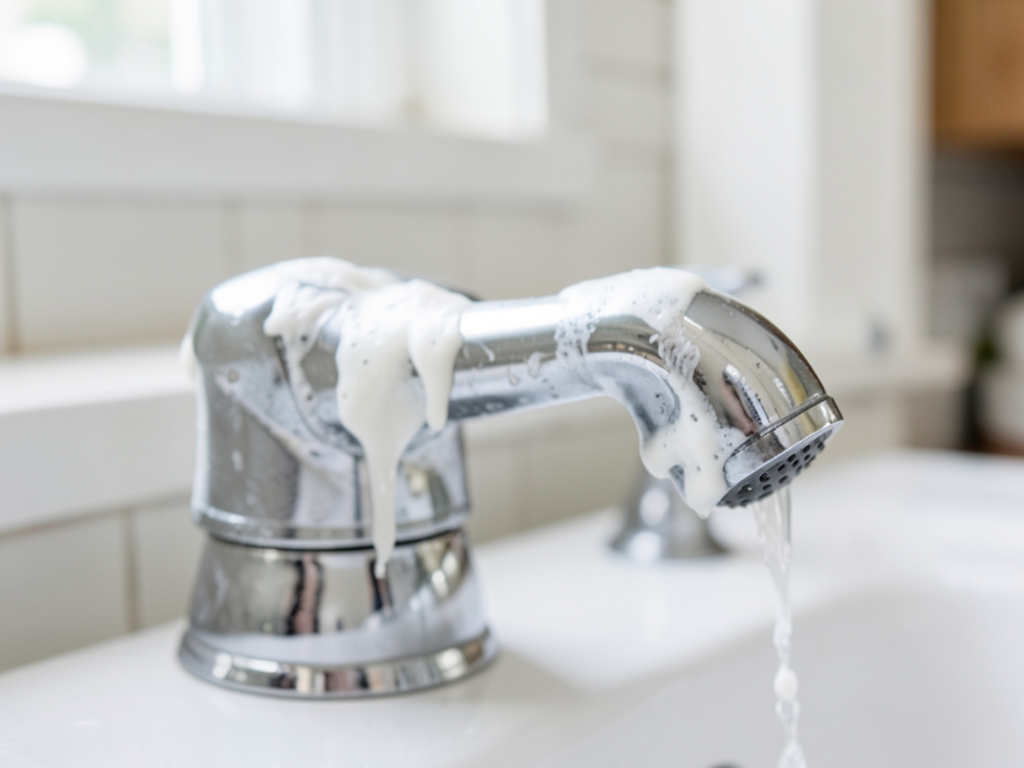
Hard water leaves visible clues throughout your Westfield home. White crusty deposits form on faucets, soap fails to lather properly, and your skin feels dry after showering. These symptoms signal high mineral content in your water supply, a common issue for Indianapolis residents where municipal water averages 12-20+ grains per gallon (GPG) of dissolved calcium and magnesium. Indiana Department of Environmental Management.
Living with hard water means more than just spotty dishes. The minerals build up inside pipes and appliances, reducing efficiency and shortening lifespan. Understanding these signs helps you take action before costly damage occurs to your plumbing system and water-using appliances. Benefits of Water Softeners.
Why Indianapolis Water Contains High Mineral Levels
Indianapolis draws water from White River and local aquifers that flow through Indiana’s limestone bedrock. As water moves through this calcium-rich rock, it dissolves minerals that remain in your tap water. The Indiana Department of Environmental Management classifies our area as having “extremely hard” water, with hardness levels often exceeding 15 GPG. EPA WaterSense Program.
The White River watershed supplies much of Westfield and surrounding communities. Water treatment plants remove bacteria and sediment but cannot eliminate dissolved minerals. This leaves homeowners dealing with the effects of hard water throughout their daily routines.. Read more about Removing Hard Water Scale from Your Showerheads and Faucets in Cumberland.
Local water quality reports show hardness levels varying by neighborhood, with some Westfield areas testing higher than others. Homes near older well systems or in specific parts of Hamilton County often experience the most severe symptoms.. Read more about Why Your Noblesville Water Smells Like Rotten Eggs and How to Fix It.
7 Visible Signs Hard Water Affects Your Home
Hard water creates noticeable problems that worsen over time. Recognizing these symptoms early helps prevent extensive damage to your plumbing and appliances.
1. Limescale Buildup on Faucets and Fixtures
White chalky deposits form where water frequently contacts surfaces. You’ll see this crusty buildup around faucet aerators, showerheads, and drain openings. The minerals crystallize as water evaporates, leaving behind a hard white residue that regular cleaning cannot fully remove.
2. Cloudy or Spotted Glassware
Dishwasher-cleaned glasses emerge with a milky film or spots. Hard water minerals react with soap, preventing it from rinsing completely. This leaves behind mineral deposits that make glassware appear dirty even after washing. Wet Spots in Yard.
3. Soap Scum in Showers and Tubs
Bathtubs develop a stubborn ring where water meets air. Soap combines with calcium and magnesium to create a sticky residue that clings to surfaces. This scum requires harsh cleaners to remove and returns quickly with continued hard water use. Quick Garbage Disposal Repair in Lawrence to Get Your Kitchen Back in Order.
4. Stiff or Faded Laundry
Clothes feel rough after washing and colors appear dull. Hard water minerals trap detergent in fabric fibers, preventing proper rinsing. This leaves clothes stiff, scratchy, and prone to fading faster than normal.
5. Reduced Water Pressure
Pipes develop mineral deposits that narrow water flow channels. You may notice weaker shower spray or slower filling of sinks and tubs. This gradual pressure reduction often goes unnoticed until it becomes severe.. Read more about Why You Have Blue or Green Stains in Your Sinks and Tubs in McCordsville.
6. Frequent Appliance Repairs
Water heaters, dishwashers, and washing machines require more maintenance when exposed to hard water. Mineral buildup insulates heating elements, forcing appliances to work harder and fail sooner than expected.
7. Dry Skin and Brittle Hair
Hard water prevents soap from rinsing completely, leaving a film on skin and hair. This causes dryness, irritation, and makes hair feel rough or difficult to manage. Many people notice improvement when traveling to areas with softer water.
The Hidden Costs of Hard Water in Westfield Homes
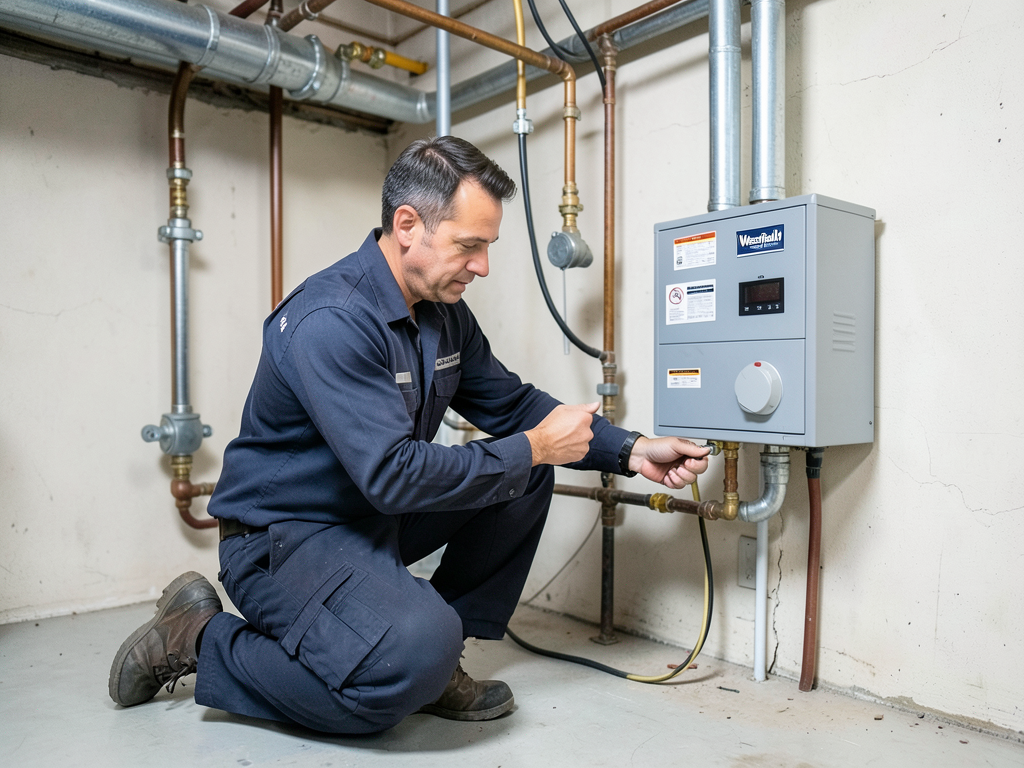
Beyond visible symptoms, hard water silently damages your home’s infrastructure. Scale buildup inside pipes reduces water flow by up to 75% over time, according to EPA studies on mineral accumulation in residential plumbing.
Water heaters suffer the most severe damage. A 1/4 inch of scale buildup forces water heaters to use 30% more energy to heat the same amount of water. This translates to higher utility bills and premature unit failure, often within 5-7 years instead of the expected 10-12 year lifespan.
Appliances work harder against mineral buildup, increasing electricity consumption. Dishwashers may use 20-30% more energy when scale coats internal components. Washing machines experience similar efficiency losses, with some models showing 15% higher energy usage when operating with hard water.
Pipe replacement costs escalate when scale buildup becomes severe. Whole-house repiping projects in Westfield homes can exceed $5,000-$10,000 when mineral deposits cause complete blockages or corrosion in galvanized steel pipes common in homes built before 1980.
Testing Your Water: Simple Methods for Westfield Residents
Confirming hard water presence helps you make informed decisions about treatment options. Several testing methods range from quick home tests to professional laboratory analysis.
DIY Soap Suds Test
Fill a clean glass jar one-third full with tap water. Add a few drops of pure liquid soap and shake vigorously for 30 seconds. Hard water produces few suds and appears cloudy, while soft water creates abundant bubbles and remains clear.
Hardware Store Test Strips
Test strips provide instant readings of water hardness in grains per gallon. Dip the strip in tap water for 15 seconds, then compare the color change to the provided chart. Most Indianapolis-area strips show readings between 12-25 GPG, confirming extremely hard water conditions.
Professional Laboratory Testing
Local water quality companies offer comprehensive testing that measures not just hardness but also iron content, pH levels, and other contaminants. This testing costs $100-$300 but provides detailed information about your specific water profile and treatment needs.
Many Westfield homeowners choose professional testing before investing in water treatment systems. This ensures you select equipment sized correctly for your actual water conditions rather than guessing based on general area averages.
Treatment Options for Westfield Hard Water
Several solutions exist for managing hard water, each with different costs, maintenance requirements, and effectiveness levels. Understanding these options helps you choose the right approach for your home and budget.
Salt-Based Water Softeners
Ion exchange systems remove calcium and magnesium by replacing them with sodium ions. These systems require regular salt addition and periodic regeneration cycles. A properly sized unit for a typical Westfield home costs $1,500-$3,000 installed, with annual salt costs of $100-$200.
Benefits include complete mineral removal, improved soap efficiency, and protection for all water-using appliances. Drawbacks include ongoing maintenance, sodium content in softened water, and wastewater during regeneration cycles.
Salt-Free Water Conditioners
These systems use template-assisted crystallization to prevent minerals from forming scale without removing them. They require no salt, electricity, or regeneration cycles. Initial costs range from $1,200-$2,500 installed.
Advantages include low maintenance and no added sodium. However, they don’t provide the same level of soap lathering improvement as traditional softeners and may not protect appliances as effectively in extremely hard water conditions.
Reverse Osmosis Systems
RO systems purify drinking water at specific faucets rather than treating whole-house water. They remove minerals, contaminants, and improve taste. Installation costs $300-$800 for under-sink units, with filter replacement costs of $50-$150 annually. Reliable Sump Pump Installation in Fishers to Keep Your Basement Dry.
While excellent for drinking water, RO systems don’t address hard water problems throughout the home and require regular maintenance to prevent membrane fouling from high mineral content.
Whole-House Filtration
Multi-stage filtration systems combine sediment removal, carbon filtration, and sometimes scale prevention. These systems cost $2,000-$5,000 installed and provide comprehensive water treatment beyond just hardness removal.
Benefits include improved water taste, odor removal, and protection for plumbing. However, they require more frequent filter changes and may not reduce hardness as effectively as dedicated softeners.
Local Water Quality Resources for Westfield Residents
Understanding your specific water conditions helps you make better treatment decisions. Several local resources provide valuable information about Westfield water quality.
The Citizens Energy Group maintains water quality reports for Westfield and surrounding areas. Their annual water quality reports show hardness levels, mineral content, and compliance with EPA standards for all municipalities they serve.
The Hamilton County Health Department offers water testing services for private wells and can provide information about local groundwater conditions. They maintain records of water quality testing throughout the county, including areas with municipal water service.
Local plumbing contractors often maintain water testing equipment and can provide on-site hardness readings. Many offer free basic testing as part of initial consultations for water treatment system installations.
Making the Right Choice for Your Westfield Home
Selecting appropriate water treatment depends on your specific symptoms, budget, and household needs. Consider these factors when evaluating your options.
Budget constraints often guide initial decisions. Basic water conditioners cost less upfront but may not provide complete protection. Full water softeners require higher initial investment but offer better long-term protection for plumbing and appliances.
Household size affects system sizing. Larger families use more water, requiring bigger treatment systems to maintain effectiveness. A family of four typically needs a 30,000-40,000 grain capacity softener, while smaller households might use 20,000-30,000 grain units.
Existing plumbing condition influences treatment choices. Older homes with galvanized pipes may benefit more from complete softening to prevent further scale buildup. Newer homes with copper or PEX plumbing might use alternative treatments focused on prevention rather than removal.
Environmental concerns affect system selection. Salt-based softeners discharge brine during regeneration, which some homeowners prefer to avoid. Salt-free alternatives eliminate this concern but may provide less comprehensive treatment.
Long-term cost analysis often reveals that higher upfront investments in quality water treatment systems save money over time through reduced appliance repairs, lower utility bills, and extended plumbing lifespan.
Professional Installation and Maintenance
Proper installation ensures water treatment systems function effectively. Professional plumbers understand local water conditions and can size equipment correctly for your specific needs.
Installation typically requires permits and must comply with local plumbing codes. Licensed plumbers ensure proper connections to your home’s water supply, appropriate drainage for regeneration cycles, and correct electrical connections for powered systems.
Maintenance requirements vary by system type. Salt-based softeners need regular salt addition and occasional resin bed cleaning. Salt-free systems require filter changes every 6-12 months. RO systems need membrane replacement every 2-3 years.
Professional maintenance contracts provide peace of mind and ensure systems operate at peak efficiency. Many companies offer annual service plans that include system checks, cleaning, and adjustments to maintain optimal performance.
Monitoring system performance helps identify issues before they cause problems. Reduced soap lathering, changes in water taste, or visible scale buildup indicate your treatment system needs attention.
Protecting Your Westfield Home Investment
Hard water affects more than just your comfort. It impacts your home’s value, appliance efficiency, and long-term maintenance costs. Understanding and addressing hard water issues protects your investment in your Westfield property.
Real estate professionals note that homes with water treatment systems often sell faster and at higher prices than comparable properties without treatment. Buyers recognize the value of protected plumbing and improved water quality.
Insurance companies may view homes with proper water treatment more favorably, potentially affecting premiums. Reduced risk of plumbing failures and water damage claims makes treated homes more attractive to insurers.
Energy efficiency improvements from water treatment contribute to lower utility bills and reduced environmental impact. Every appliance that operates more efficiently due to soft water helps reduce your home’s overall energy consumption.
Health considerations also factor into treatment decisions. While hard water minerals aren’t harmful to drink, the soap residue left on skin and hair can cause irritation for sensitive individuals. Softened water often improves skin conditions and hair manageability.
Making informed decisions about water treatment based on your specific symptoms and needs ensures you get the right solution for your Westfield home. Professional assessment helps identify the most cost-effective approach for your situation.
Don’t let hard water problems worsen over time. The longer you wait, the more damage occurs to your plumbing and appliances. Simple testing can confirm whether you’re dealing with hard water and help you choose the right treatment solution.
Call (317) 688-8848 today to schedule your water quality assessment and learn how we can help protect your Westfield home from hard water damage. Our experienced technicians understand local water conditions and can recommend the most effective treatment options for your specific needs.
Frequently Asked Questions
How do I know if I have hard water in Westfield?
Common signs include white crusty buildup on faucets, cloudy glassware from the dishwasher, soap scum in showers, stiff laundry, and dry skin after bathing. Westfield water typically tests between 12-25 grains per gallon, which is considered extremely hard.
Is hard water harmful to drink?
Hard water is not harmful to drink and actually provides beneficial minerals like calcium and magnesium. However, it can cause skin irritation, dry hair, and damage to plumbing and appliances over time.
How much does a water softener cost in Westfield?
Water softener installation in Westfield typically costs $1,500-$3,000 for a whole-house system, depending on size and features. Salt-free alternatives range from $1,200-$2,500, while reverse osmosis systems for drinking water cost $300-$800.
How often should I test my water hardness?
Test your water annually or whenever you notice new hard water symptoms. If you have a treatment system, test every 6 months to ensure it’s working properly. Westfield water conditions can vary by neighborhood and season.
Can I install a water softener myself?
While DIY installation is possible, professional installation ensures proper sizing, code compliance, and optimal performance. Westfield’s specific water conditions and local plumbing codes make professional installation the safest choice for most homeowners.
{
“@context”: “https://schema.org”,
“@type”: “BlogPosting”,
“headline”: “Understanding the Signs of Hard Water in Your Westfield Kitchen and Bath”,
“description”: “Learn to spot hard water symptoms in your Westfield home. From limescale buildup to dry skin, discover how Indianapolis water affects your plumbing and appliances.”,
“wordCount”: 2223,
“datePublished”: “2026-03-26T10:06:00.000Z”,
“dateModified”: “2026-03-26T10:06:00.000Z”,
“inLanguage”: “en-US”,
“mainEntityOfPage”: {
“@type”: “WebPage”,
“@id”: “https://keystoneplumbingindianapolis.com”
},
“publisher”: {
“@type”: “LocalBusiness”,
“name”: “Keystone Plumbing Indianapolis”,
“url”: “https://keystoneplumbingindianapolis.com”
},
“author”: {
“@type”: “Organization”,
“name”: “Keystone Plumbing Indianapolis”,
“url”: “https://keystoneplumbingindianapolis.com”
},
“image”: {
“@type”: “ImageObject”,
“url”: “https://keystoneplumbingindianapolis.com/wp-content/uploads/2026/03/understanding-the-signs-of-hard-water-in-your-west-1.png”
}
}
{
“@context”: “https://schema.org”,
“@type”: “Plumber”,
“name”: “Keystone Plumbing Indianapolis”,
“url”: “https://keystoneplumbingindianapolis.com”,
“address”: {
“@type”: “PostalAddress”,
“addressLocality”: “Indianapolis”
},
“areaServed”: {
“@type”: “City”,
“name”: “Indianapolis”
}
}
{
“@context”: “https://schema.org”,
“@type”: “FAQPage”,
“mainEntity”: [
{
“@type”: “Question”,
“name”: “How do I know if I have hard water in Westfield?”,
“acceptedAnswer”: {
“@type”: “Answer”,
“text”: “Common signs include white crusty buildup on faucets, cloudy glassware from the dishwasher, soap scum in showers, stiff laundry, and dry skin after bathing. Westfield water typically tests between 12-25 grains per gallon, which is considered extremely hard.”
}
},
{
“@type”: “Question”,
“name”: “Is hard water harmful to drink?”,
“acceptedAnswer”: {
“@type”: “Answer”,
“text”: “Hard water is not harmful to drink and actually provides beneficial minerals like calcium and magnesium. However, it can cause skin irritation, dry hair, and damage to plumbing and appliances over time.”
}
},
{
“@type”: “Question”,
“name”: “How much does a water softener cost in Westfield?”,
“acceptedAnswer”: {
“@type”: “Answer”,
“text”: “Water softener installation in Westfield typically costs $1,500-$3,000 for a whole-house system, depending on size and features. Salt-free alternatives range from $1,200-$2,500, while reverse osmosis systems for drinking water cost $300-$800.”
}
},
{
“@type”: “Question”,
“name”: “How often should I test my water hardness?”,
“acceptedAnswer”: {
“@type”: “Answer”,
“text”: “Test your water annually or whenever you notice new hard water symptoms. If you have a treatment system, test every 6 months to ensure it’s working properly. Westfield water conditions can vary by neighborhood and season.”
}
},
{
“@type”: “Question”,
“name”: “Can I install a water softener myself?”,
“acceptedAnswer”: {
“@type”: “Answer”,
“text”: “While DIY installation is possible, professional installation ensures proper sizing, code compliance, and optimal performance. Westfield’s specific water conditions and local plumbing codes make professional installation the safest choice for most homeowners.”
}
}
]
}
{
“@context”: “https://schema.org”,
“@type”: “BreadcrumbList”,
“itemListElement”: [
{
“@type”: “ListItem”,
“position”: 1,
“name”: “Home”,
“item”: “https://keystoneplumbingindianapolis.com”
},
{
“@type”: “ListItem”,
“position”: 2,
“name”: “Blog”,
“item”: “https://keystoneplumbingindianapolis.com/blog”
},
{
“@type”: “ListItem”,
“position”: 3,
“name”: “Understanding the Signs of Hard Water in Your Westfield Kitchen and Bath”
}
]
}
{
“@context”: “https://schema.org”,
“@type”: “Service”,
“serviceType”: “Plumbing”,
“provider”: {
“@type”: “LocalBusiness”,
“name”: “Keystone Plumbing Indianapolis”,
“url”: “https://keystoneplumbingindianapolis.com”
},
“areaServed”: {
“@type”: “City”,
“name”: “Indianapolis”
},
“description”: “Learn to spot hard water symptoms in your Westfield home. From limescale buildup to dry skin, discover how Indianapolis water affects your plumbing and appliances.”
}