
Installing a Frost-Proof Yard Hydrant for Large Lots in New Palestine
Living on a spacious property in New Palestine means you need reliable outdoor water access that can withstand Indiana’s harsh winters. A frost-proof yard hydrant provides year-round water for livestock, gardens, or large yards while protecting against freeze damage. The key is proper installation that accounts for Hancock County’s 36-inch frost line depth and the area’s clay-heavy soil conditions. Indiana Professional Licensing Agency.
Without the right equipment and installation technique, your hydrant can freeze, crack, or fail when you need it most. That’s why understanding the specific requirements for New Palestine properties makes all the difference between a system that lasts decades and one that needs constant repairs. Reliable Sump Pump Installation in Fishers to Keep Your Basement Dry.
Why Frost-Proof Hydrants Matter in New Palestine
Indiana winters push temperatures well below freezing, with Hancock County experiencing frost depths of 36 to 42 inches during severe winters. Standard outdoor faucets can’t handle this extreme cold. When water freezes inside pipes, it expands and creates pressure that cracks fittings and splits pipes. Benefits of Water Softeners.
New Palestine properties often have clay-heavy soil that retains moisture and conducts cold more effectively than sandy soils. This means frost penetrates deeper and stays longer in the ground. A frost-proof hydrant works by draining all water from the exposed portion back below the frost line when you shut it off, preventing ice formation that causes damage.
Properties with livestock need water access even during winter months. Horses, cattle, and other animals require consistent water supply regardless of weather. A properly installed frost-proof hydrant eliminates the need to haul water or use electric tank heaters, saving time and ensuring animal welfare.
The Installation Process That Protects Your Investment
Installing a frost-proof yard hydrant requires more than just digging a hole and dropping in the unit. The process follows specific steps that ensure long-term reliability and code compliance.
- Site Assessment and Planning
Our technicians evaluate your property’s water pressure, soil conditions, and intended use. We determine the optimal location that provides convenient access while avoiding underground utilities and septic systems.
- Proper Trenching Depth
We excavate to at least 36 inches deep, following Indiana Plumbing Code requirements. In areas with deeper frost penetration, we may go 42 inches or more. The trench must maintain consistent depth to prevent low spots where water can collect. Wet Spots in Yard.
- Water Supply Connection
We tap into your existing water line using approved materials. Copper or PEX piping connects to the hydrant’s base. All connections use watertight fittings and follow local building codes for buried service lines.
- Gravel Drainage Bed Installation
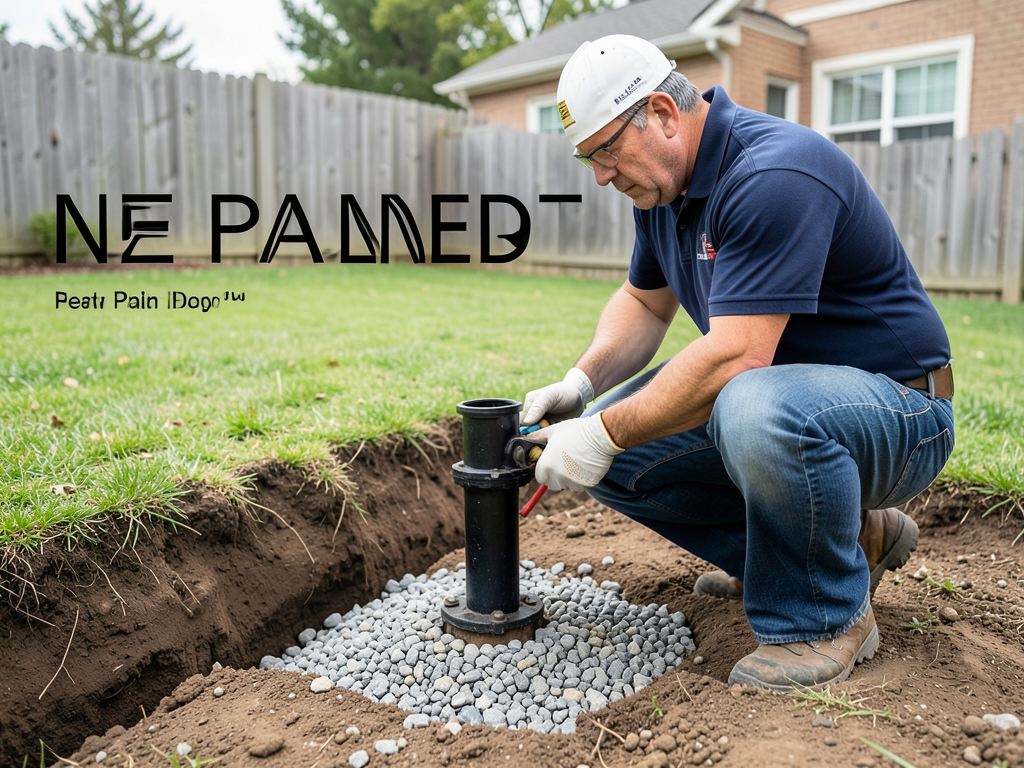
A critical step many DIYers skip. We install 6 to 8 inches of clean gravel at the bottom of the trench. This creates a drainage pit that allows water to escape when the hydrant drains, preventing freeze damage to the buried portion.
- Hydrant Mounting and Backfill
The hydrant stands vertically in the trench. We backfill with soil in layers, tamping each layer to prevent settling. The top 6 inches use topsoil for grass growth. Proper compaction prevents the hydrant from leaning over time.
- Backflow Prevention Installation
Indiana Plumbing Code requires backflow prevention on all outdoor water connections. We install an approved vacuum breaker or double-check valve assembly to protect your potable water supply from contamination.
- System Testing and Winterization
We test for leaks, verify proper drainage, and demonstrate operation. We show you how to winterize the system and what to check before freezing weather arrives.
Choosing the Right Frost-Proof Hydrant for Your Property
Not all frost-proof hydrants are created equal. The right choice depends on your specific needs and property conditions.
| Hydrant Type | Best For | Key Features | Price Range |
|---|---|---|---|
| Standard Residential | Home gardens, small livestock | 1/2-inch inlet, 3-foot bury depth | $80-$150 |
| Heavy-Duty Agricultural | Livestock operations, large gardens | 3/4-inch inlet, reinforced stand | $150-$300 |
| High-Flow Commercial | Large properties, irrigation systems | 1-inch inlet, higher flow rates | $300-$600 |
| Freeze-Resistant Extreme | Properties with severe winters | Extra insulation, reinforced valve | $400-$800 |
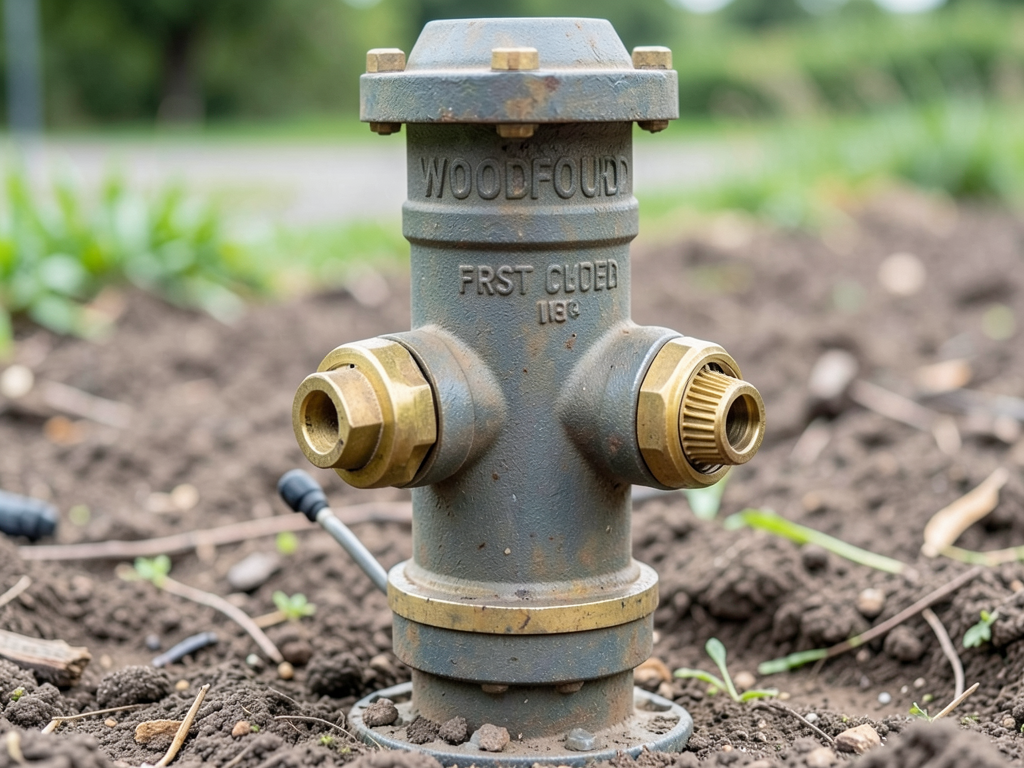
Woodford and Simmons manufacture the most reliable frost-proof hydrants for Indiana conditions. These brands use brass components that resist corrosion and feature self-draining mechanisms that work consistently even in clay soils.
For New Palestine properties, we typically recommend heavy-duty agricultural models. The extra durability handles frequent use and provides better freeze protection during extreme cold snaps that occasionally push temperatures below zero.
Common Installation Mistakes That Cause Failures
Understanding what goes wrong helps you avoid costly repairs. Many hydrant failures stem from installation errors that seem minor but create major problems.
Insufficient burial depth ranks as the most common mistake. When the standpipe sits above the frost line, water trapped in the exposed section freezes and expands. This creates pressure that splits the pipe or damages the valve mechanism. Even one inch above the recommended depth can cause failure during severe winters.
Poor drainage represents another critical error. Without a proper gravel bed, water cannot escape the buried portion when the hydrant drains. This standing water freezes and expands, cracking the standpipe or breaking the valve. Clay soil makes this problem worse because it holds moisture against the pipe.
Improper pipe connections cause leaks that worsen over time. Buried connections experience soil pressure and temperature changes that stress fittings. Using the wrong type of connector or failing to use approved transition fittings leads to slow leaks that undermine the entire system.
Skipping backflow prevention violates Indiana Plumbing Code and creates contamination risks. A failed vacuum breaker or missing check valve allows contaminated water to flow back into your home’s water supply. This poses serious health risks and can result in code violations.
Maintenance Tips to Prevent Winter Damage
Even the best-installed hydrant needs seasonal maintenance to ensure reliable operation. Simple checks before winter can prevent expensive emergency repairs.
Disconnect and drain garden hoses before the first hard freeze. Leaving hoses attached traps water in the hydrant body, preventing proper drainage. This small oversight causes more hydrant failures than any other single factor.
Test the drainage system in late fall. Open the hydrant fully, then close it and listen for the draining sound. Water should continue flowing from the weep holes for 30 to 60 seconds as the standpipe empties. No draining sound indicates a valve problem that needs immediate attention.
Clear the weep holes of debris each season. Leaves, dirt, and insects can clog these small openings, preventing water from escaping the buried portion. Use a small wire or compressed air to keep them clear.
Check for leaks around the base and handle area. Even small drips indicate worn seals or valve problems. Addressing these issues before winter prevents freeze damage to the entire assembly.
Consider installing a shut-off valve in the basement or crawl space. This allows you to isolate the hydrant line during extreme cold spells or when you’re away from home for extended periods.
Replacement vs. New Installation: When to Upgrade
Sometimes repairing an old hydrant costs more than installing a new one. Understanding when replacement makes sense helps you budget effectively. Detecting and Repairing Slab Leaks in Indianapolis Before They Damage Your Foundation.
Age matters significantly. Most frost-proof hydrants last 15 to 20 years with proper maintenance. If your hydrant is approaching this age and showing signs of wear, replacement often proves more cost-effective than ongoing repairs.
Repeated freeze damage indicates systemic problems. If you’ve had to thaw or repair your hydrant multiple times, the installation likely has fundamental issues that won’t improve with band-aid fixes. A new installation addresses these root causes.
Changing property needs sometimes drive replacement. If you’ve expanded your garden, added livestock, or changed your outdoor water usage patterns, your old hydrant may no longer meet your needs. Upgrading to a higher-flow model or relocating the hydrant improves convenience and efficiency.
Code compliance requirements change over time. Older hydrants may lack required backflow prevention or use materials no longer approved by Indiana Plumbing Code. Replacement ensures your system meets current standards and protects your water supply.
Why Choose Local Expertise for Your New Palestine Property
Installing a frost-proof yard hydrant requires understanding local conditions that out-of-area contractors miss. New Palestine presents unique challenges that demand specific expertise.
The area’s clay-heavy soil retains moisture and conducts cold more effectively than sandy soils found in other regions. This means frost penetrates deeper and stays longer, requiring greater burial depths and more robust drainage systems. Local plumbers understand these soil conditions and adjust installation techniques accordingly.
Hancock County experiences temperature extremes that occasionally push well below zero. Standard installation practices from warmer climates fail under these conditions. Local contractors know the specific frost line depths and temperature patterns that affect hydrant performance in New Palestine.
Local building codes and permit requirements vary by township and county. Sugar Creek Township and other areas around New Palestine have specific requirements for outdoor water connections. Local plumbers navigate these requirements efficiently, ensuring your installation passes inspection the first time.
Emergency response matters when your hydrant fails during winter. Local contractors can respond quickly to repair problems before freeze damage spreads to your home’s water system. This rapid response protects your property and prevents costly water damage. Quick Garbage Disposal Repair in Lawrence to Get Your Kitchen Back in Order.
Cost Factors and What to Expect
Several factors influence the total cost of installing a frost-proof yard hydrant. Understanding these helps you budget appropriately and avoid surprises.
Hydrant selection represents the largest variable cost. Basic residential models start around $80, while heavy-duty agricultural units cost $300 or more. The right choice depends on your water needs and property conditions rather than just price.
Trenching complexity affects labor costs significantly. Rocky soil, tree roots, or existing underground utilities increase excavation time and difficulty. Properties with challenging access may require additional equipment or manual labor.
Distance from the water supply impacts material costs. Longer runs require more piping, fittings, and labor time. Each additional 10 feet of trench adds both material and installation costs.
Backflow prevention requirements add $100 to $300 depending on the type of assembly required by local codes. While this represents an additional cost, it’s mandatory for code compliance and water safety.
Permit fees vary by township but typically range from $50 to $150. Some areas require inspections that add scheduling considerations to your project timeline.
Professional installation typically costs $500 to $1,500 depending on these factors. While DIY installation might save money initially, improper installation often leads to expensive repairs or replacements within a few years.
Frequently Asked Questions
How deep should a frost-proof hydrant be buried in New Palestine?
Indiana Plumbing Code requires a minimum 36-inch burial depth for frost-proof hydrants. In Hancock County, we recommend 36 to 42 inches to account for occasional extreme cold snaps that push frost deeper than average. The exact depth depends on your specific location and soil conditions.
Can I install a frost-proof hydrant myself?
While DIY installation is possible, professional installation ensures proper depth, drainage, and code compliance. Improper installation often leads to freeze damage within the first winter. Professional installation includes proper trenching, backflow prevention, and testing that DIYers typically miss.
How long do frost-proof hydrants last?
With proper installation and maintenance, frost-proof hydrants typically last 15 to 20 years. Factors affecting lifespan include water quality, usage frequency, and winter severity. Regular maintenance and timely repairs can extend service life beyond 20 years.
What happens if my hydrant freezes?
If your hydrant freezes, turn off the water supply immediately to prevent pipe bursts. Thawing with open flame can damage components. Professional thawing and inspection can often save the hydrant if addressed quickly. Repeated freezing usually indicates installation problems that need correction.
Do I need a permit to install a yard hydrant in New Palestine?
Permit requirements vary by township in Hancock County. Sugar Creek Township and other areas typically require permits for outdoor water connections. Professional installers handle permitting as part of the installation process, ensuring code compliance.
Ready to Install Your Frost-Proof Yard Hydrant?
Don’t wait until winter to discover your outdoor water system can’t handle Indiana’s cold. A properly installed frost-proof yard hydrant provides reliable water access year-round while protecting your investment from freeze damage.
Our team understands the specific challenges of New Palestine properties, from clay-heavy soil to extreme temperature variations. We install hydrants to Indiana Plumbing Code standards with proper burial depths, drainage systems, and backflow prevention.
Call (317) 688-8848 today to schedule your consultation. We’ll assess your property, recommend the right hydrant for your needs, and provide a clear installation timeline and cost estimate. Don’t let another winter catch you unprepared.
Pick up the phone and call (317) 688-8848 before the next cold snap hits. Your property deserves reliable outdoor water access that works when you need it most.
For more information, visit Environmental Protection Agency.
{
“@context”: “https://schema.org”,
“@type”: “BlogPosting”,
“headline”: “Installing a Frost-Proof Yard Hydrant for Large Lots in New Palestine”,
“description”: “Need a frost-proof yard hydrant in New Palestine? Learn why Indiana’s 36-inch frost line matters and how proper trenching protects your water supply year-round.”,
“wordCount”: 2137,
“datePublished”: “2026-04-17T13:27:00.000Z”,
“dateModified”: “2026-04-17T13:27:00.000Z”,
“inLanguage”: “en-US”,
“mainEntityOfPage”: {
“@type”: “WebPage”,
“@id”: “https://keystoneplumbingindianapolis.com”
},
“publisher”: {
“@type”: “LocalBusiness”,
“name”: “Keystone Plumbing Indianapolis”,
“url”: “https://keystoneplumbingindianapolis.com”
},
“author”: {
“@type”: “Organization”,
“name”: “Keystone Plumbing Indianapolis”,
“url”: “https://keystoneplumbingindianapolis.com”
},
“image”: {
“@type”: “ImageObject”,
“url”: “https://keystoneplumbingindianapolis.com/wp-content/uploads/2026/03/installing-a-frost-proof-yard-hydrant-for-large-lo-1.png”
}
}
{
“@context”: “https://schema.org”,
“@type”: “Plumber”,
“name”: “Keystone Plumbing Indianapolis”,
“url”: “https://keystoneplumbingindianapolis.com”,
“address”: {
“@type”: “PostalAddress”,
“addressLocality”: “Indianapolis”
},
“areaServed”: {
“@type”: “City”,
“name”: “Indianapolis”
}
}
{
“@context”: “https://schema.org”,
“@type”: “FAQPage”,
“mainEntity”: [
{
“@type”: “Question”,
“name”: “How deep should a frost-proof hydrant be buried in New Palestine?”,
“acceptedAnswer”: {
“@type”: “Answer”,
“text”: “Indiana Plumbing Code requires a minimum 36-inch burial depth for frost-proof hydrants. In Hancock County, we recommend 36 to 42 inches to account for occasional extreme cold snaps that push frost deeper than average. The exact depth depends on your specific location and soil conditions.”
}
},
{
“@type”: “Question”,
“name”: “Can I install a frost-proof hydrant myself?”,
“acceptedAnswer”: {
“@type”: “Answer”,
“text”: “While DIY installation is possible, professional installation ensures proper depth, drainage, and code compliance. Improper installation often leads to freeze damage within the first winter. Professional installation includes proper trenching, backflow prevention, and testing that DIYers typically miss.”
}
},
{
“@type”: “Question”,
“name”: “How long do frost-proof hydrants last?”,
“acceptedAnswer”: {
“@type”: “Answer”,
“text”: “With proper installation and maintenance, frost-proof hydrants typically last 15 to 20 years. Factors affecting lifespan include water quality, usage frequency, and winter severity. Regular maintenance and timely repairs can extend service life beyond 20 years.”
}
},
{
“@type”: “Question”,
“name”: “What happens if my hydrant freezes?”,
“acceptedAnswer”: {
“@type”: “Answer”,
“text”: “If your hydrant freezes, turn off the water supply immediately to prevent pipe bursts. Thawing with open flame can damage components. Professional thawing and inspection can often save the hydrant if addressed quickly. Repeated freezing usually indicates installation problems that need correction.”
}
},
{
“@type”: “Question”,
“name”: “Do I need a permit to install a yard hydrant in New Palestine?”,
“acceptedAnswer”: {
“@type”: “Answer”,
“text”: “Permit requirements vary by township in Hancock County. Sugar Creek Township and other areas typically require permits for outdoor water connections. Professional installers handle permitting as part of the installation process, ensuring code compliance.”
}
},
{
“@type”: “Question”,
“name”: “Ready to Install Your Frost-Proof Yard Hydrant?”,
“acceptedAnswer”: {
“@type”: “Answer”,
“text”: “Don’t wait until winter to discover your outdoor water system can’t handle Indiana’s cold. A properly installed frost-proof yard hydrant provides reliable water access year-round while protecting your investment from freeze damage.”
}
}
]
}
{
“@context”: “https://schema.org”,
“@type”: “HowTo”,
“name”: “Frost-Proof Hydrant Installation Process”,
“step”: [
{
“@type”: “HowToStep”,
“position”: 1,
“name”: “Site Assessment and Planning”,
“text”: “Our technicians evaluate your property’s water pressure, soil conditions, and intended use. We determine the optimal location that provides convenient access while avoiding underground utilities and septic systems.”
},
{
“@type”: “HowToStep”,
“position”: 2,
“name”: “Proper Trenching Depth”,
“text”: “We excavate to at least 36 inches deep, following Indiana Plumbing Code requirements. In areas with deeper frost penetration, we may go 42 inches or more. The trench must maintain consistent depth to prevent low spots where water can collect. Wet Spots in Yard.”
},
{
“@type”: “HowToStep”,
“position”: 3,
“name”: “Water Supply Connection”,
“text”: “We tap into your existing water line using approved materials. Copper or PEX piping connects to the hydrant’s base. All connections use watertight fittings and follow local building codes for buried service lines.”
},
{
“@type”: “HowToStep”,
“position”: 4,
“name”: “Gravel Drainage Bed Installation”,
“text”: “A critical step many DIYers skip. We install 6 to 8 inches of clean gravel at the bottom of the trench. This creates a drainage pit that allows water to escape when the hydrant drains, preventing freeze damage to the buried portion.”
},
{
“@type”: “HowToStep”,
“position”: 5,
“name”: “Hydrant Mounting and Backfill”,
“text”: “The hydrant stands vertically in the trench. We backfill with soil in layers, tamping each layer to prevent settling. The top 6 inches use topsoil for grass growth. Proper compaction prevents the hydrant from leaning over time.”
},
{
“@type”: “HowToStep”,
“position”: 6,
“name”: “Backflow Prevention Installation”,
“text”: “Indiana Plumbing Code requires backflow prevention on all outdoor water connections. We install an approved vacuum breaker or double-check valve assembly to protect your potable water supply from contamination.”
},
{
“@type”: “HowToStep”,
“position”: 7,
“name”: “System Testing and Winterization”,
“text”: “We test for leaks, verify proper drainage, and demonstrate operation. We show you how to winterize the system and what to check before freezing weather arrives.”
}
],
“image”: “https://keystoneplumbingindianapolis.com/wp-content/uploads/2026/03/installing-a-frost-proof-yard-hydrant-for-large-lo-1.png”
}
{
“@context”: “https://schema.org”,
“@type”: “BreadcrumbList”,
“itemListElement”: [
{
“@type”: “ListItem”,
“position”: 1,
“name”: “Home”,
“item”: “https://keystoneplumbingindianapolis.com”
},
{
“@type”: “ListItem”,
“position”: 2,
“name”: “Blog”,
“item”: “https://keystoneplumbingindianapolis.com/blog”
},
{
“@type”: “ListItem”,
“position”: 3,
“name”: “Installing a Frost-Proof Yard Hydrant for Large Lots in New Palestine”
}
]
}
{
“@context”: “https://schema.org”,
“@type”: “Service”,
“serviceType”: “Plumbing”,
“provider”: {
“@type”: “LocalBusiness”,
“name”: “Keystone Plumbing Indianapolis”,
“url”: “https://keystoneplumbingindianapolis.com”
},
“areaServed”: {
“@type”: “City”,
“name”: “Indianapolis”
},
“description”: “Need a frost-proof yard hydrant in New Palestine? Learn why Indiana’s 36-inch frost line matters and how proper trenching protects your water supply year-round.”
}