
French Drains vs Catch Basins (Which Solution Actually Fixes Your Soggy Zionsville Yard?)
Standing water in your Zionsville yard after every rain creates muddy patches that kill grass and threaten your home’s foundation. French drains handle groundwater rising from below while catch basins collect surface runoff from your driveway and patio. The right choice depends on whether water pools on top of the ground or seeps up from underneath. Benefits of Water Softeners.
Indiana’s heavy clay soil holds moisture like a sponge creating unique drainage challenges for Zionsville homeowners. The water table sits higher here than in surrounding areas due to the ancient lake bed beneath Boone County. This means surface water problems often mask deeper groundwater issues that require different solutions. Indiana Department of Natural Resources.
French drains use perforated pipes buried in gravel to redirect groundwater away from your home. Catch basins sit at ground level with grates that collect rainwater flowing across your property. Both systems work well in Zionsville but serve different purposes based on your specific water problem.
How French Drains Work in Zionsville’s Clay Soil
French drains consist of a trench filled with gravel and a perforated pipe that collects and redirects subsurface water. The pipe typically sits 18 to 24 inches deep surrounded by clean gravel that allows water to flow freely toward your discharge point.
The trench slopes at least 1% grade to ensure water moves away from your home. In Zionsville’s clay soil installers often line the trench with filter fabric to prevent soil particles from clogging the gravel over time. Without this barrier clay fines gradually fill the spaces between gravel pieces reducing drainage capacity.
French drains excel at handling hydrostatic pressure against basement walls. When groundwater rises around your foundation it creates lateral pressure that can crack walls and cause leaks. A properly installed French drain relieves this pressure by providing an escape route for the water.
The system works best when installed along the foundation footer where water naturally collects. Some Zionsville homes require interior French drains connected to sump pumps when exterior drainage proves insufficient due to high water tables or limited yard space.
Golden Nugget #1: Zionsville’s soil contains 40-60% clay content according to Purdue University soil surveys making it one of the most water-retentive soils in Central Indiana. Purdue University soil surveys.
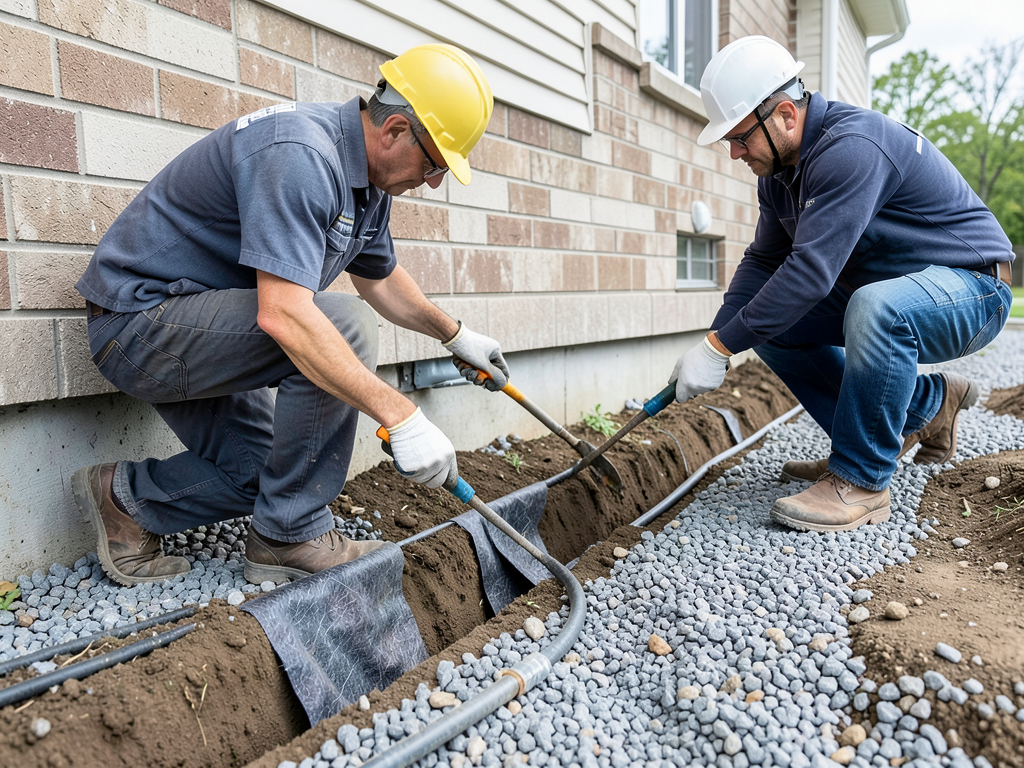
Diagram showing cross-section of French drain installation with filter fabric gravel layers and perforated pipe in Zionsville clay soil
Catch Basins for Surface Water Management
Catch basins are underground boxes with grated tops that collect rainwater flowing across your property. Water enters through the grate and drains through holes in the basin sides into a network of pipes that carry it away from your home.
The basin sits below grade with a sump area at the bottom that traps sediment before it enters the drainage pipes. This design prevents clogs and allows for easy cleaning through the grate opening. Most catch basins in Zionsville feature heavy-duty plastic or concrete construction to withstand freeze-thaw cycles.
Catch basins handle surface runoff from roofs driveways and patios. When rain falls on impervious surfaces it flows downhill until it finds a low spot. Without proper collection points this water creates puddles that kill grass and attract mosquitoes during Indiana’s humid summers.
The system works best when strategically placed at natural collection points. Common locations include driveway entrances low spots in your yard and areas where downspouts discharge. Multiple basins often connect to a main drain line that empties into a storm sewer or daylight outlet. Trenchless Sewer Line Replacement in Greenwood without Digging Up Your Yard.
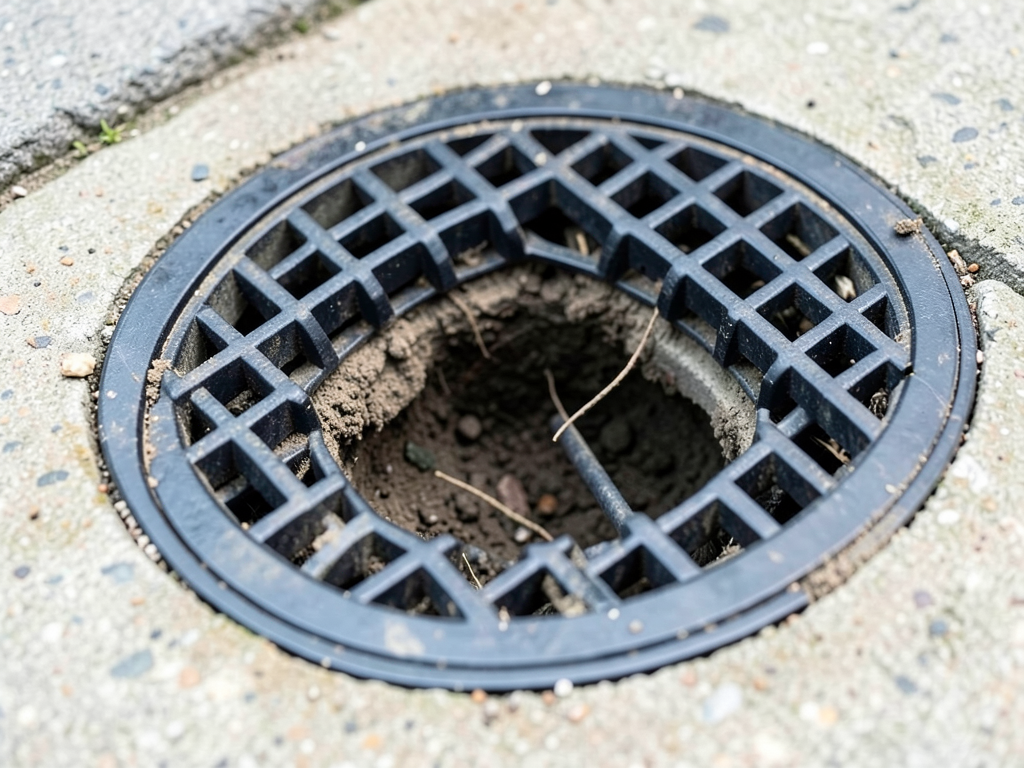
Photo of catch basin installation showing grate sump area and connection to underground drainage pipes
French Drains vs Catch Basins Side-by-Side Comparison
| Feature | French Drain | Catch Basin |
|---|---|---|
| Water Source | Groundwater rising from below | Surface runoff flowing across ground |
| Installation Depth | 18-24 inches typical | Surface level with underground box |
| Best For | Basement protection soggy yard spots | Driveway runoff patio drainage |
| Maintenance | Occasional flushing every 3-5 years | Annual cleaning of grates and sumps |
| Cost Range | $15-25 per linear foot | $300-600 per basin installed |
| Lifespan | 20-30 years with proper installation | 15-20 years before grate replacement |
Local Soil and Weather Factors in Zionsville
Zionsville sits on dense glacial till deposited during the last ice age. This clay-rich soil has extremely low permeability meaning water moves through it very slowly. When rain falls on Zionsville yards it either runs off or sits until it evaporates or slowly percolates downward.
The Indiana Department of Natural Resources reports Boone County’s water table typically sits 10-15 feet below the surface but fluctuates seasonally. Spring rains and winter snowmelt can raise the water table dramatically creating temporary hydrostatic pressure against foundations.
According to the National Weather Service Zionsville receives an average of 42 inches of precipitation annually with most falling between April and September. This concentration creates periods of saturated soil that overwhelm natural drainage capacity. National Weather Service.
Freeze-thaw cycles present another challenge. When water trapped in soil freezes it expands by about 9% creating pressure that can crack pipes and shift drainage components. Proper French drain installation in Zionsville requires pipes buried below the frost line which reaches 30 inches in Central Indiana. Reliable Sump Pump Installation in Fishers to Keep Your Basement Dry.
Golden Nugget #2: The Boone County Drainage Board Code Section 12.04 specifically requires that all drainage systems direct water to appropriate outlets without creating problems for neighboring properties.
Local building codes per the Boone County Drainage Board require that all drainage systems direct water to appropriate outlets without creating problems for neighboring properties. This means your French drain or catch basin must discharge at least 10 feet from your foundation and away from property lines.
Photo of French drain system discharging to daylight outlet with proper slope and clean gravel visible
When You Need Both Systems
Many Zionsville properties benefit from combining French drains and catch basins into integrated drainage systems. This approach handles both surface and subsurface water problems that often occur together.
Consider a typical Zionsville home with a basement and attached garage. Water runs off the roof into gutters then downspouts discharge near the foundation. Surface water pools in the driveway while groundwater seeps toward the basement walls. A combined system would include:
- Catch basins at downspout discharge points to collect surface runoff
- French drains along foundation walls to handle groundwater
- Connection between systems so all water moves to a single discharge point
This integrated approach prevents the common problem of solving one water issue while creating another. For example installing only catch basins might eliminate surface puddles but allow groundwater to continue rising around your foundation.
Professional drainage contractors in Zionsville often use laser leveling equipment to map your property’s topography before designing a system. This ensures pipes slope correctly and water flows where intended rather than creating new problem areas.
Professional Installation Considerations
Proper drainage installation requires understanding local soil conditions building codes and water flow patterns. The Indiana Plumbing License Board requires master plumbers to follow specific guidelines for exterior drainage systems connected to sanitary sewers. Sewer Camera Inspections in Pike Township to Find the Root of Your Problem.
Key installation factors include:
- Slope requirements – minimum 1% grade for pipes ensures water movement
- Depth considerations – pipes must sit below frost line to prevent freezing
- Outlet planning – discharge points must comply with local ordinances
- Soil preparation – proper compaction prevents settling that creates low spots
The Boone County Surveyor’s office maintains drainage records showing historical water flow patterns across properties. This information helps contractors avoid creating new drainage problems when modifying existing systems.
Quality installations use Schedule 40 PVC pipe rather than flexible corrugated pipe. While more expensive initially rigid PVC resists crushing from soil weight and tree roots while maintaining proper slope over long runs.
Filter fabric selection matters in Zionsville’s clay soil. Standard landscape fabric often fails while heavy-duty drainage fabric with 140+ gallons per minute flow rate prevents soil infiltration while allowing water passage.
Maintenance Requirements for Long-Term Performance
Both French drains and catch basins require periodic maintenance to function properly. Neglecting maintenance leads to system failure just when you need protection most.. Read more about How to Protect Your Outdoor Sprinkler System from Freezing in Zionsville.
Catch basin maintenance includes:
- Annual grate cleaning to remove leaves and debris
- Quarterly inspection during rainy seasons
- Complete sump cleaning every 2-3 years
- Grate replacement when damaged or rusted
French drain maintenance involves:
- Flushing pipes every 3-5 years using high-pressure water
- Checking for surface depressions that indicate settling
- Inspecting outlet points for clogs or erosion
- Replacing damaged sections of filter fabric
Warning signs that your drainage system needs attention include:
- Water backing up through grates during rain
- Persistent soggy areas in your yard
- Water stains on basement walls
- Erosion around discharge points
Professional cleaning services use specialized equipment like camera inspection systems to locate blockages without digging up your entire yard. This technology saves time and money while identifying problems before they cause damage.
Cost Factors and Investment Protection
Drainage system costs vary based on property size soil conditions and system complexity. Simple catch basin installations might cost $500-800 while comprehensive French drain systems can exceed $5000 for larger properties.
Cost factors include:
- Linear feet of trenching required
- Soil type and excavation difficulty
- Pipe material and diameter
- Depth requirements for frost protection
- Permits and inspections
While drainage improvements represent significant investment they protect your home from water damage that can cost tens of thousands in repairs. Insurance often excludes water damage from poor drainage making preventive systems essential protection.. Read more about Essential Septic Tank Maintenance Tips for Rural Properties in Franklin.
Quality installations include warranties on materials and workmanship. Reputable contractors in Zionsville provide written guarantees covering system performance for 5-10 years when properly maintained.
Making the Right Choice for Your Property
Determining whether you need a French drain catch basin or both starts with identifying your specific water problem. Take these steps to diagnose your situation:
- Observe where water collects during rain – surface puddles indicate catch basin needs while wet basement walls suggest French drains
- Check your yard’s slope using a level or smartphone app – water flows downhill to lowest points
- Examine your foundation for signs of moisture – efflorescence mold or water stains indicate groundwater issues
- Consider your property’s unique factors like downspout locations and impervious surface areas
Professional drainage assessments cost $150-300 but identify the right solution before you invest in installation. This diagnostic step prevents costly mistakes like installing the wrong system for your specific problem.
Remember that Zionsville’s combination of clay soil and seasonal rainfall creates drainage challenges that often require professional solutions rather than DIY approaches. The initial investment in proper drainage pays dividends through protected property value and eliminated water damage headaches.
Frequently Asked Questions
How do I know if I need a French drain or catch basin?
Observe where water collects during rain. Surface puddles and driveway runoff indicate catch basin needs while wet basement walls and soggy yard spots suggest French drains. Professional assessment costs $150-300 but identifies the right solution. Wet Spots in Yard.
How deep should French drains be in Zionsville?
French drains in Zionsville should sit 18-24 inches deep to handle typical groundwater levels while remaining below the 30-inch frost line. This depth ensures year-round functionality without freezing in winter.
How long do drainage systems last in Indiana clay soil?
Quality drainage systems last 15-30 years in Indiana clay soil. French drains typically function 20-30 years while catch basins need grate replacement every 15-20 years. Regular maintenance extends system lifespan significantly.
Can I install drainage systems myself?
Simple catch basin installations might be DIY-friendly but French drains require proper slope depth and materials to function correctly. Professional installation ensures compliance with local codes and prevents costly mistakes that could worsen drainage problems.
What permits are required for drainage work in Zionsville?
Boone County requires permits for drainage systems that connect to public utilities or alter natural water flow across property lines. The Boone County Surveyor’s office reviews plans to ensure compliance with local drainage ordinances and neighboring property protection.
Standing water in your Zionsville yard creates more than just muddy patches. It threatens your home’s foundation and reduces property value. Whether you need French drains to handle groundwater or catch basins for surface runoff the right solution starts with proper diagnosis of your specific water problem.
Don’t wait for the next big rain to discover your drainage system can’t handle the load. Call (317) 688-8848 today to schedule your professional drainage assessment. Our experienced team understands Zionsville’s unique soil conditions and building requirements. We’ll identify the right solution to keep your yard dry and your foundation protected for years to come.
Pick up the phone and call (317) 688-8848 before the next storm hits. Standing water won’t fix itself but we can solve your drainage problems before they cause expensive damage to your home.
Golden Nugget #3: Zionsville’s highest elevation sits at 938 feet above sea level near the intersection of Michigan Road and 96th Street according to USGS topographical data. This elevation creates natural drainage patterns that many homeowners unknowingly work against.
{
“@context”: “https://schema.org”,
“@type”: “BlogPosting”,
“headline”: “French Drains vs Catch Basins (Which Solution Actually Fixes Your Soggy Zionsville Yard?)”,
“description”: “Standing water in your Zionsville yard? Discover whether French drains or catch basins solve your drainage problems based on your soil, slope, and water source.”,
“wordCount”: 2173,
“datePublished”: “2026-05-26T12:11:00.000Z”,
“dateModified”: “2026-05-26T12:11:00.000Z”,
“inLanguage”: “en-US”,
“mainEntityOfPage”: {
“@type”: “WebPage”,
“@id”: “https://keystoneplumbingindianapolis.com”
},
“publisher”: {
“@type”: “LocalBusiness”,
“name”: “Keystone Plumbing Indianapolis”,
“url”: “https://keystoneplumbingindianapolis.com”
},
“author”: {
“@type”: “Organization”,
“name”: “Keystone Plumbing Indianapolis”,
“url”: “https://keystoneplumbingindianapolis.com”
},
“image”: {
“@type”: “ImageObject”,
“url”: “https://keystoneplumbingindianapolis.com/wp-content/uploads/2026/03/french-drains-vs-catch-basins-which-solution-actua-1.png”
}
}
{
“@context”: “https://schema.org”,
“@type”: “Plumber”,
“name”: “Keystone Plumbing Indianapolis”,
“url”: “https://keystoneplumbingindianapolis.com”,
“address”: {
“@type”: “PostalAddress”,
“addressLocality”: “Indianapolis”
},
“areaServed”: {
“@type”: “City”,
“name”: “Indianapolis”
}
}
{
“@context”: “https://schema.org”,
“@type”: “FAQPage”,
“mainEntity”: [
{
“@type”: “Question”,
“name”: “How do I know if I need a French drain or catch basin?”,
“acceptedAnswer”: {
“@type”: “Answer”,
“text”: “Observe where water collects during rain. Surface puddles and driveway runoff indicate catch basin needs while wet basement walls and soggy yard spots suggest French drains. Professional assessment costs $150-300 but identifies the right solution. Wet Spots in Yard.”
}
},
{
“@type”: “Question”,
“name”: “How deep should French drains be in Zionsville?”,
“acceptedAnswer”: {
“@type”: “Answer”,
“text”: “French drains in Zionsville should sit 18-24 inches deep to handle typical groundwater levels while remaining below the 30-inch frost line. This depth ensures year-round functionality without freezing in winter.”
}
},
{
“@type”: “Question”,
“name”: “How long do drainage systems last in Indiana clay soil?”,
“acceptedAnswer”: {
“@type”: “Answer”,
“text”: “Quality drainage systems last 15-30 years in Indiana clay soil. French drains typically function 20-30 years while catch basins need grate replacement every 15-20 years. Regular maintenance extends system lifespan significantly.”
}
},
{
“@type”: “Question”,
“name”: “Can I install drainage systems myself?”,
“acceptedAnswer”: {
“@type”: “Answer”,
“text”: “Simple catch basin installations might be DIY-friendly but French drains require proper slope depth and materials to function correctly. Professional installation ensures compliance with local codes and prevents costly mistakes that could worsen drainage problems.”
}
},
{
“@type”: “Question”,
“name”: “What permits are required for drainage work in Zionsville?”,
“acceptedAnswer”: {
“@type”: “Answer”,
“text”: “Boone County requires permits for drainage systems that connect to public utilities or alter natural water flow across property lines. The Boone County Surveyor’s office reviews plans to ensure compliance with local drainage ordinances and neighboring property protection.”
}
}
]
}
{
“@context”: “https://schema.org”,
“@type”: “BreadcrumbList”,
“itemListElement”: [
{
“@type”: “ListItem”,
“position”: 1,
“name”: “Home”,
“item”: “https://keystoneplumbingindianapolis.com”
},
{
“@type”: “ListItem”,
“position”: 2,
“name”: “Blog”,
“item”: “https://keystoneplumbingindianapolis.com/blog”
},
{
“@type”: “ListItem”,
“position”: 3,
“name”: “French Drains vs Catch Basins (Which Solution Actually Fixes Your Soggy Zionsville Yard?)”
}
]
}
{
“@context”: “https://schema.org”,
“@type”: “Service”,
“serviceType”: “Plumbing”,
“provider”: {
“@type”: “LocalBusiness”,
“name”: “Keystone Plumbing Indianapolis”,
“url”: “https://keystoneplumbingindianapolis.com”
},
“areaServed”: {
“@type”: “City”,
“name”: “Indianapolis”
},
“description”: “Standing water in your Zionsville yard? Discover whether French drains or catch basins solve your drainage problems based on your soil, slope, and water source.”
}