
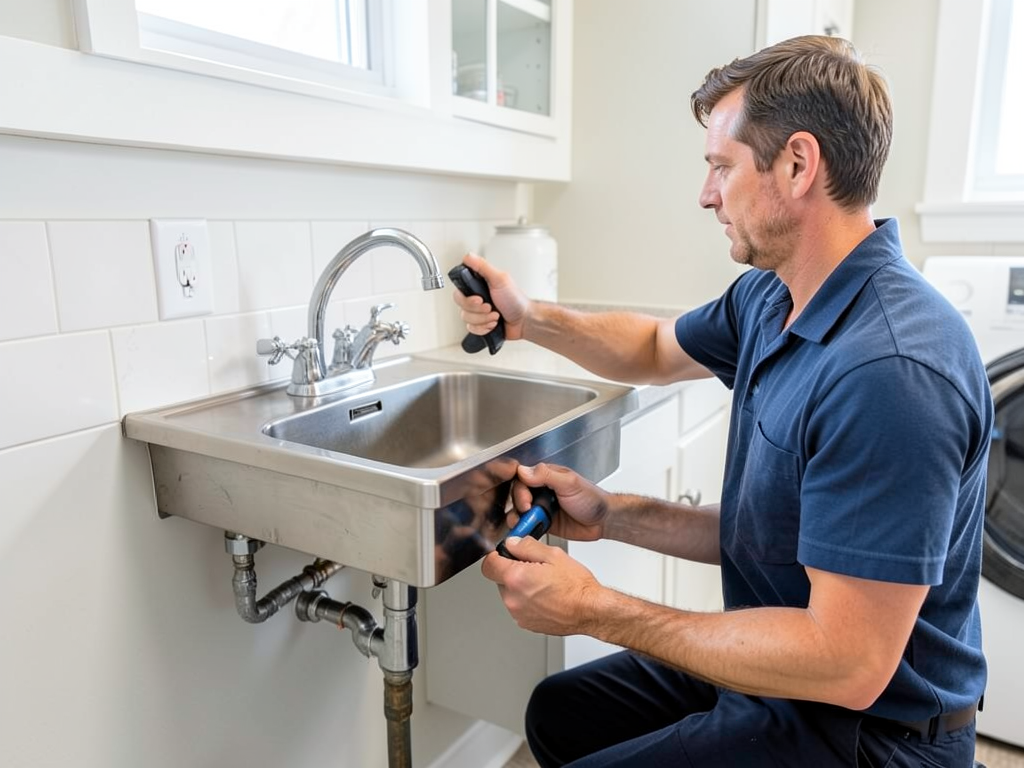
Adding a Utility Sink to Your Pike Township Laundry Room (Everything You Need to Know)
Adding a utility sink to your Pike Township laundry room can transform your home’s functionality by providing a dedicated space for messy tasks like cleaning paintbrushes, soaking clothes, or rinsing muddy boots. This comprehensive guide covers everything you need to know about utility sink installation in Indianapolis, from local plumbing codes to cost considerations and the installation process. Indianapolis Department of Business and Neighborhood Services.
Before you start shopping for that perfect utility tub, it’s important to understand the specific requirements for Pike Township homes and how they differ from other Indianapolis neighborhoods. The soil composition in this area, combined with local building codes, creates unique considerations that every homeowner should know.
Why Add a Utility Sink to Your Indy Home?
A utility sink serves as a workhorse in your home, offering benefits that go far beyond simple convenience. For Pike Township residents, this addition can be particularly valuable given the area’s mix of newer developments and established homes that often lack dedicated utility spaces. Benefits of Water Softeners.
Utility sinks provide a dedicated space for tasks that would otherwise dirty your kitchen or bathroom sinks. Whether you’re cleaning gardening tools, bathing small pets, or handling pre-treatment for laundry stains, having a utility sink keeps the mess contained and your other sinks free for their intended purposes.
In Pike Township specifically, many homes were built during the housing boom of the 2000s and may not have been designed with modern utility needs in mind. Adding a utility sink can increase your home’s functionality and potentially its resale value, making it a smart investment for growing families or homeowners who enjoy DIY projects.
The convenience factor cannot be overstated. Imagine having a place to quickly rinse off dirty shoes before they track mud through your house, or a dedicated spot for cleaning up after craft projects without worrying about damaging your kitchen sink’s finish. Quick Garbage Disposal Repair in Lawrence to Get Your Kitchen Back in Order.
Our Installation Process: From Rough-In to Finish
Professional utility sink installation follows a specific process that ensures proper drainage, prevents leaks, and complies with all local building codes. Understanding this process helps you know what to expect and why each step matters. Reliable Sump Pump Installation in Fishers to Keep Your Basement Dry.
The installation begins with planning the location and assessing your existing plumbing infrastructure. In Pike Township homes, this often means working with the existing laundry room setup since most utility sinks are installed near washing machines to share water supply lines and drainage systems.. Read more about What to Do When Your Basement Floor Drain Backs Up in Beech Grove.
Next comes the rough-in phase, where new water supply lines are run and the drain pipe is installed. This step requires careful attention to slope requirements – Indiana Plumbing Code mandates a minimum 1/4 inch per foot slope for drain pipes to ensure proper flow and prevent standing water.
The mounting phase follows, where the sink is securely attached to the wall or floor depending on the type you’ve chosen. Freestanding utility sinks offer flexibility but require proper anchoring to prevent movement and potential leaks.
Finally, the finishing touches include installing the faucet, connecting supply lines, testing for leaks, and ensuring all connections meet local code requirements. This phase also includes installing shut-off valves for emergency water control.
Throughout the process, professional plumbers use specialized tools like pipe wrenches, basin wrenches, and adjustable wrenches to ensure tight, leak-free connections. They also perform pressure tests to verify the integrity of all new plumbing connections.
Types of Laundry Sinks We Install (Drop-in, Wall-mount, Freestanding)
Choosing the right type of utility sink depends on your space constraints, intended use, and personal preferences. Each style offers distinct advantages for different situations commonly found in Pike Township homes.
Drop-in utility sinks are the most common choice for laundry rooms. These sinks sit on top of a counter or cabinet, making them easy to install and replace. They work well in existing laundry spaces where you want to maintain counter space for folding clothes or storing laundry supplies.
Wall-mounted utility sinks offer a space-saving solution that’s ideal for smaller laundry rooms common in many Pike Township homes. These sinks attach directly to wall studs, freeing up floor space and making cleaning underneath much easier. However, they require proper wall reinforcement to support the weight when full of water.
Freestanding utility sinks provide the most flexibility in terms of placement and are often the most affordable option. These standalone units can be moved if needed and typically include built-in storage space underneath. They’re particularly popular in homes where laundry rooms serve multiple purposes.
Material choices also matter significantly. Stainless steel offers durability and easy cleaning, while acrylic provides a more budget-friendly option with decent durability. Some homeowners in Pike Township prefer composite materials that resist staining and scratching.
Size considerations are crucial too. Standard utility sinks range from 10 to 25 gallons in capacity, with larger sizes better suited for heavy-duty cleaning tasks. The depth of the sink affects both functionality and water splash potential, so consider your specific needs when making this choice.. Read more about Standard vs Comfort Height Toilets for Aging in Place in Lawrence.
Indianapolis Plumbing Codes: What You Need to Know
Understanding local plumbing codes is essential for any utility sink installation in Pike Township. The Indiana Plumbing Code, based on the International Plumbing Code, sets specific requirements that ensure safety, proper drainage, and long-term functionality.
Drainage requirements are particularly strict in Marion County. All utility sink drains must connect to the main sewer system through proper venting. This typically means connecting to an existing vent stack or installing a new vent that extends through the roof. Improper venting can lead to slow drainage, gurgling sounds, and even sewer gas backup. Trenchless Sewer Line Replacement in Greenwood without Digging Up Your Yard.
Supply line requirements include mandatory shut-off valves within 6 feet of the fixture. These valves allow you to quickly stop water flow in case of a leak or emergency. The code also requires specific pipe materials – typically copper or PEX for water supply lines in residential applications.
Backflow prevention is another critical code requirement. Utility sinks must have air gaps or vacuum breakers to prevent contaminated water from flowing back into your clean water supply. This is especially important in laundry rooms where cleaning chemicals might be present.
Permit requirements vary by project scope. Simple replacements of existing fixtures may not require permits, but new installations or major modifications typically do. The Indianapolis Department of Business and Neighborhood Services (BNS) handles plumbing permits, and work must be inspected upon completion. EPA Indiana Water Quality Information.
Floor drain considerations are also important in Pike Township homes, especially in basements. While not always required for utility sinks, floor drains provide an extra layer of protection against water damage from potential leaks or overflows.
Cost Factors for Laundry Sink Installation in Central Indiana
The cost of adding a utility sink to your Pike Township laundry room varies based on several factors. Understanding these variables helps you budget appropriately and avoid surprises during the installation process.
Labor costs typically represent the largest portion of your investment. Professional plumbers in Indianapolis charge between $75 to $150 per hour, with most utility sink installations taking 4 to 8 hours depending on complexity. Factors affecting labor time include the distance from existing plumbing, the need for new venting, and any wall modifications required.
Material costs vary widely based on your choices. Basic utility sinks start around $100, while high-end commercial-grade options can exceed $500. Faucets range from $50 for basic models to over $300 for professional-grade fixtures with pull-out sprayers and heavy-duty construction.
Supply lines and drain pipes add another $50 to $200 to your project cost. The choice between copper and PEX affects both price and installation time. PEX is generally less expensive and easier to work with, while copper offers superior durability and is often preferred in older Pike Township homes.
Permit fees in Indianapolis typically range from $50 to $150 depending on the scope of work. These fees cover the cost of plan review and inspection by the BNS department. While it might be tempting to skip permits to save money, unpermitted work can cause problems when selling your home and may void your homeowner’s insurance.
Additional costs might include wall repairs, flooring modifications, or electrical work if you need to add GFCI outlets near the new sink. These costs can add $200 to $500 to your total investment but are often necessary for code compliance and safety.
DIY installation can save on labor costs but carries risks. Improper installation can lead to leaks, code violations, and potentially expensive water damage. For most homeowners, professional installation provides better long-term value despite the higher upfront cost.
DIY vs. Professional Plumbing: The Risks of Improper Drainage
While many homeowners consider DIY utility sink installation to save money, the risks often outweigh the potential savings. Understanding these risks helps you make an informed decision about whether to tackle this project yourself or hire a professional plumber.
Drainage problems are the most common issue with DIY installations. Even a slight error in pipe slope can cause water to pool and eventually lead to clogs, slow drainage, and unpleasant odors. The minimum 1/4 inch per foot slope required by Indiana code is critical for proper function.
Venting mistakes can cause serious problems that aren’t immediately apparent. Without proper venting, your sink may drain slowly or make gurgling sounds. More seriously, inadequate venting can allow sewer gases to enter your home, creating health hazards and unpleasant odors. Sewer Camera Inspections in Pike Township to Find the Root of Your Problem.
Supply line leaks often occur at connection points, especially when DIYers use improper fittings or don’t apply thread sealant correctly. Even small leaks can cause significant water damage over time, leading to mold growth, structural damage, and expensive repairs.
Code compliance issues can create problems when selling your home or making insurance claims. Many home inspectors and insurance companies require proof of proper permits and inspections for plumbing modifications. Unpermitted work can delay home sales or result in denied insurance claims.
Hidden complications often arise during installation. Older Pike Township homes may have galvanized pipes that are difficult to connect to modern plumbing systems. Some homes have cast iron drain pipes that require specialized knowledge and tools to work with properly.
Professional plumbers bring expertise that prevents these common problems. They understand local codes, have the right tools and materials, and carry insurance that protects you if something goes wrong. Most importantly, they provide warranties on their work, giving you peace of mind that your investment is protected.
The decision ultimately comes down to your skill level, the complexity of your project, and your tolerance for risk. For simple replacements in newer homes, DIY might be feasible. For new installations or work in older Pike Township homes, professional installation is usually the safer, more cost-effective choice in the long run.
Frequently Asked Questions
Do I need a permit to install a utility sink in Pike Township?
Yes, most new utility sink installations in Pike Township require permits from the Indianapolis Department of Business and Neighborhood Services. The specific requirements depend on whether you’re adding new plumbing or modifying existing systems. Professional plumbers typically handle permit acquisition as part of their service.
Can I connect my utility sink to the washing machine drain?
Yes, connecting to the washing machine drain is common and often the most practical option. However, the connection must be made properly to prevent backflow and meet code requirements. The drain pipe must be the correct size and include proper venting to handle the additional fixture.
How long does professional utility sink installation take?
Most professional installations take 4 to 8 hours, depending on the complexity of the job. Simple replacements in existing spaces might take as little as 2 hours, while new installations requiring new venting or supply lines could take a full day or more.
What’s the best material for a utility sink in Indianapolis?
Stainless steel is generally the best choice for Indianapolis utility sinks due to its durability, resistance to staining, and ease of cleaning. It handles temperature extremes well and resists the chemicals commonly used in laundry rooms. Acrylic is a budget-friendly alternative but may stain or scratch more easily.
Should I install a floor drain in my laundry room?
While not always required by code, a floor drain provides valuable protection against water damage from potential leaks or overflows. This is especially important in Pike Township homes with basements or in multi-story homes where laundry room leaks could cause damage to lower levels.
Ready to Add a Utility Sink to Your Pike Township Home?
Adding a utility sink to your laundry room is a smart investment that enhances your home’s functionality and convenience. Whether you’re dealing with the challenges of an older Pike Township home or want to upgrade your newer construction, professional installation ensures the job is done right the first time.
Professional plumbers understand the specific requirements for Indianapolis homes, including local building codes, soil conditions, and common plumbing configurations in Pike Township. They can help you choose the right sink for your needs, handle all necessary permits, and provide warranties on their work.
Don’t let plumbing concerns hold you back from improving your home. Contact a local professional today to discuss your utility sink project and get a detailed estimate for your specific situation.
Call (317) 688-8848 today to schedule your utility sink installation consultation. Our experienced team serves all of Pike Township and the greater Indianapolis area with prompt, professional service that meets all local code requirements.
Pick up the phone and call (317) 688-8848 before the next big laundry project leaves you wishing for that extra sink. We’re ready to help you transform your laundry room into a more functional, efficient space.
{
“@context”: “https://schema.org”,
“@type”: “BlogPosting”,
“headline”: “Adding a Utility Sink to Your Pike Township Laundry Room (Everything You Need to Know)”,
“description”: “Learn how to add a utility sink to your Pike Township laundry room with our expert guide covering codes, installation, costs, and local Indianapolis plumbing requirements.”,
“wordCount”: 2317,
“datePublished”: “2026-04-27T15:23:00.000Z”,
“dateModified”: “2026-04-27T15:23:00.000Z”,
“inLanguage”: “en-US”,
“mainEntityOfPage”: {
“@type”: “WebPage”,
“@id”: “https://keystoneplumbingindianapolis.com”
},
“publisher”: {
“@type”: “LocalBusiness”,
“name”: “Keystone Plumbing Indianapolis”,
“url”: “https://keystoneplumbingindianapolis.com”
},
“author”: {
“@type”: “Organization”,
“name”: “Keystone Plumbing Indianapolis”,
“url”: “https://keystoneplumbingindianapolis.com”
},
“image”: {
“@type”: “ImageObject”,
“url”: “https://keystoneplumbingindianapolis.com/wp-content/uploads/2026/03/adding-a-utility-sink-to-your-pike-township-laundr-1.png”
}
}
{
“@context”: “https://schema.org”,
“@type”: “Plumber”,
“name”: “Keystone Plumbing Indianapolis”,
“url”: “https://keystoneplumbingindianapolis.com”,
“address”: {
“@type”: “PostalAddress”,
“addressLocality”: “Indianapolis”
},
“areaServed”: {
“@type”: “City”,
“name”: “Indianapolis”
}
}
{
“@context”: “https://schema.org”,
“@type”: “FAQPage”,
“mainEntity”: [
{
“@type”: “Question”,
“name”: “Why Add a Utility Sink to Your Indy Home?”,
“acceptedAnswer”: {
“@type”: “Answer”,
“text”: “A utility sink serves as a workhorse in your home, offering benefits that go far beyond simple convenience. For Pike Township residents, this addition can be particularly valuable given the area’s mix of newer developments and established homes that often lack dedicated utility spaces. Benefits of Water Softeners.”
}
},
{
“@type”: “Question”,
“name”: “Do I need a permit to install a utility sink in Pike Township?”,
“acceptedAnswer”: {
“@type”: “Answer”,
“text”: “Yes, most new utility sink installations in Pike Township require permits from the Indianapolis Department of Business and Neighborhood Services. The specific requirements depend on whether you’re adding new plumbing or modifying existing systems. Professional plumbers typically handle permit acquisition as part of their service.”
}
},
{
“@type”: “Question”,
“name”: “Can I connect my utility sink to the washing machine drain?”,
“acceptedAnswer”: {
“@type”: “Answer”,
“text”: “Yes, connecting to the washing machine drain is common and often the most practical option. However, the connection must be made properly to prevent backflow and meet code requirements. The drain pipe must be the correct size and include proper venting to handle the additional fixture.”
}
},
{
“@type”: “Question”,
“name”: “How long does professional utility sink installation take?”,
“acceptedAnswer”: {
“@type”: “Answer”,
“text”: “Most professional installations take 4 to 8 hours, depending on the complexity of the job. Simple replacements in existing spaces might take as little as 2 hours, while new installations requiring new venting or supply lines could take a full day or more.”
}
},
{
“@type”: “Question”,
“name”: “What’s the best material for a utility sink in Indianapolis?”,
“acceptedAnswer”: {
“@type”: “Answer”,
“text”: “Stainless steel is generally the best choice for Indianapolis utility sinks due to its durability, resistance to staining, and ease of cleaning. It handles temperature extremes well and resists the chemicals commonly used in laundry rooms. Acrylic is a budget-friendly alternative but may stain or scratch more easily.”
}
},
{
“@type”: “Question”,
“name”: “Should I install a floor drain in my laundry room?”,
“acceptedAnswer”: {
“@type”: “Answer”,
“text”: “While not always required by code, a floor drain provides valuable protection against water damage from potential leaks or overflows. This is especially important in Pike Township homes with basements or in multi-story homes where laundry room leaks could cause damage to lower levels.”
}
},
{
“@type”: “Question”,
“name”: “Ready to Add a Utility Sink to Your Pike Township Home?”,
“acceptedAnswer”: {
“@type”: “Answer”,
“text”: “Adding a utility sink to your laundry room is a smart investment that enhances your home’s functionality and convenience. Whether you’re dealing with the challenges of an older Pike Township home or want to upgrade your newer construction, professional installation ensures the job is done right the first time.”
}
}
]
}
{
“@context”: “https://schema.org”,
“@type”: “BreadcrumbList”,
“itemListElement”: [
{
“@type”: “ListItem”,
“position”: 1,
“name”: “Home”,
“item”: “https://keystoneplumbingindianapolis.com”
},
{
“@type”: “ListItem”,
“position”: 2,
“name”: “Blog”,
“item”: “https://keystoneplumbingindianapolis.com/blog”
},
{
“@type”: “ListItem”,
“position”: 3,
“name”: “Adding a Utility Sink to Your Pike Township Laundry Room (Everything You Need to Know)”
}
]
}
{
“@context”: “https://schema.org”,
“@type”: “Service”,
“serviceType”: “Plumbing”,
“provider”: {
“@type”: “LocalBusiness”,
“name”: “Keystone Plumbing Indianapolis”,
“url”: “https://keystoneplumbingindianapolis.com”
},
“areaServed”: {
“@type”: “City”,
“name”: “Indianapolis”
},
“description”: “Learn how to add a utility sink to your Pike Township laundry room with our expert guide covering codes, installation, costs, and local Indianapolis plumbing requirements.”
}