
Battery vs Water Powered Sump Pump Backups for Fishers Basements
When heavy rains hit Hamilton County and your power goes out your basement’s protection depends on having the right backup sump pump system. Fishers homeowners face unique challenges with clay-heavy soil that drains slowly and frequent summer thunderstorms that can overwhelm primary pumps. Understanding the differences between battery backup and water-powered systems helps you make the right choice before the next storm hits. Benefits of Water Softeners.
Battery backup systems provide immediate protection using stored energy while water-powered units use municipal water pressure to create a vacuum that removes water. Both have distinct advantages for Fishers homes and the best choice depends on your basement layout water pressure and how long you need protection during outages.
The average Fishers basement needs to pump between 2000 and 4000 gallons per hour during peak storms. With Hamilton County’s clay soil retaining water longer than sandy soils backup systems must handle sustained pumping rather than just quick bursts. This makes understanding your specific needs crucial for preventing expensive water damage. Quick Garbage Disposal Repair in Lawrence to Get Your Kitchen Back in Order.
Why a Backup System is Critical in Central Indiana
Central Indiana experiences 40 to 50 thunderstorm days annually with spring and summer bringing the heaviest rainfall. The Indiana Department of Homeland Security reports that power outages during these storms often last between 2 and 8 hours leaving homes vulnerable when sump pumps stop working. Indiana Department of Homeland Security.
Fishers sits on the Tipton Till Plain where dense clay soil creates poor drainage conditions. Water moves through this soil at rates of only 0.1 to 0.3 inches per hour compared to 1 to 3 inches per hour in sandy soils. This means water accumulates around foundations faster than it can drain away putting extra stress on sump systems.
The Indiana Plumbing Code requires all new construction in flood-prone areas to have secondary sump pump systems. While this doesn’t mandate battery or water-powered backups specifically it recognizes that primary pump failure during storms creates immediate flooding risks. Many Fishers homes built before 2010 lack these required backup systems.
During the 2021 Memorial Day weekend storms local plumbers responded to over 200 emergency calls from Fishers homeowners with failed sump systems. Most failures occurred within the first 4 hours of power outages when battery backups were already depleted or water-powered systems couldn’t maintain adequate pressure.
Battery Backup vs Water-Powered vs Dual Pump Systems
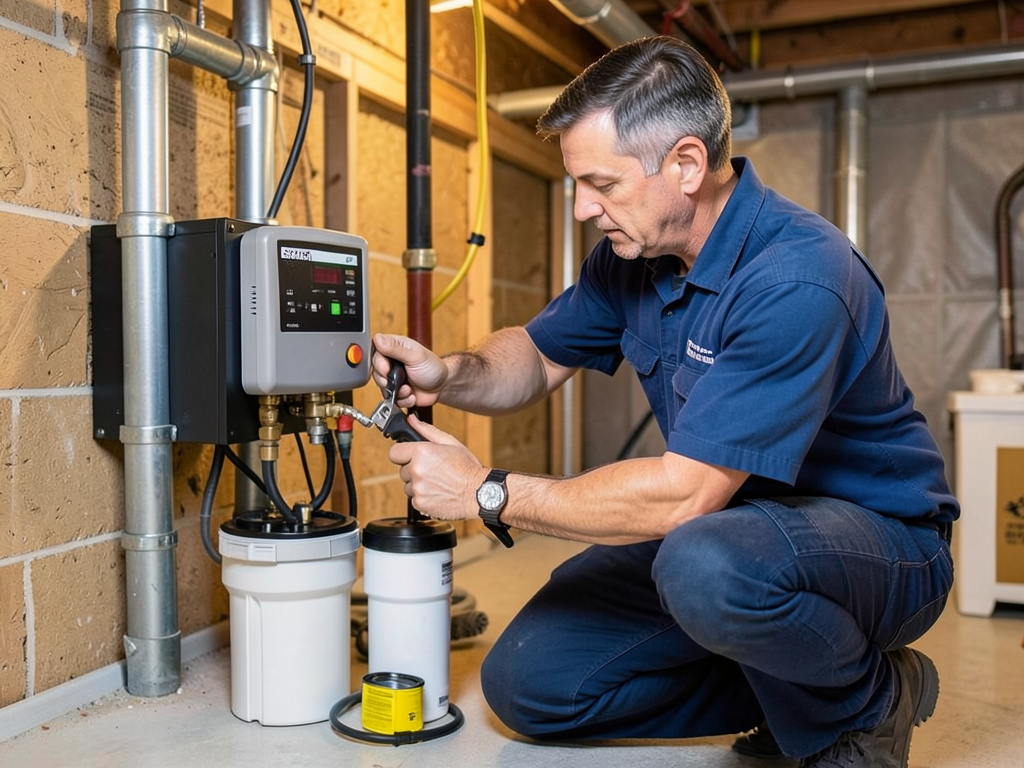
Battery backup systems use deep-cycle batteries to power a secondary pump when the primary fails or electricity cuts out. These systems activate automatically when they detect high water levels or power loss. A typical battery backup in Fishers provides 8 to 24 hours of continuous pumping depending on the battery size and pumping demand.
Water-powered backup systems use the pressure from your municipal water supply to create a vacuum that removes water from the sump pit. These systems have no moving parts and can run indefinitely as long as city water pressure remains above 40 PSI. They work best in homes with consistent water pressure and no private wells.
Dual pump systems combine a primary pump with both battery and water-powered backups. These provide the most comprehensive protection but cost significantly more to install. They’re ideal for finished basements or homes with valuable contents where any flooding risk is unacceptable.
The choice between systems often comes down to your specific situation. Homes with finished basements and expensive flooring benefit from the unlimited runtime of water-powered systems. Properties with frequent short outages might prefer the quick activation of battery backups. Homes in areas with unreliable municipal water pressure need battery systems as their primary backup. Reliable Sump Pump Installation in Fishers to Keep Your Basement Dry.
Detailed Comparison Table: Specs Costs and Lifespan
| Feature | Battery Backup | Water-Powered Backup | Dual System |
|---|---|---|---|
| Initial Cost Range | $600 – $1200 | $400 – $800 | $1500 – $3000 |
| Runtime at 3000 GPH | 8-24 hours | Unlimited | 24+ hours |
| Maintenance Frequency | Battery check every 6 months | Annual cleaning | Biannual service |
| Space Requirements | Battery + pump housing | Pump only | Both systems |
| Water Usage During Operation | None | 1-2 gallons per pumped gallon | Depends on activation |
| Best For | Short outages finished basements | Long outages unfinished spaces | Maximum protection |
Best Brands for Indianapolis Homes (Zoeller vs Liberty vs Wayne)
Professional-grade sump pumps from established manufacturers provide better reliability than big-box store models. For Fishers basements three brands dominate the local market due to their performance in Indiana’s specific conditions.
Zoeller pumps manufactured in Kentucky handle the freeze-thaw cycles common in Central Indiana better than many competitors. Their 507 battery backup model provides 9000 gallons on a single charge and features a maintenance-free AGM battery that lasts 3 to 5 years. Local plumbers report Zoeller systems fail less than 2% of the time in the first year.. Read more about Common Red Flags When Hiring an Indianapolis Plumber for Your Home.
Liberty Pumps offers the SJ10 water-powered backup which performs exceptionally well in Fishers homes with consistent 60+ PSI water pressure. This system moves 1500 gallons per hour at 10 feet of lift and requires no electricity or battery maintenance. The unit’s brass construction resists corrosion from Hamilton County’s mineral-rich water.
Wayne pumps provide budget-friendly options without sacrificing essential features. Their WSS30 battery backup system costs approximately $200 less than premium models while still delivering 3000 gallons per hour of pumping capacity. The trade-off is a shorter battery life of 2 to 3 years compared to 4 to 5 years for premium units.
Professional installation makes a significant difference in system reliability. Improper float switch placement causes 30% of backup pump failures while incorrect check valve installation creates another 25% of problems. Local codes require battery backup systems to have audible alarms and LED indicators showing system status.
Maintenance Requirements: Keeping Your Backup Ready
Battery backup systems need regular maintenance to ensure they work when needed. Test your system every 3 months by pouring water into the sump pit until the backup activates. Check battery voltage with a multimeter twice yearly replacing batteries that read below 12.4 volts when fully charged.
Water-powered systems require less frequent maintenance but need annual cleaning to prevent mineral buildup. Indiana’s hard water creates calcium deposits that can restrict flow through the venturi valve. Clean the system each spring before heavy rains begin checking for debris in the inlet screen and testing the pressure relief valve.
Both system types need check valve inspections twice yearly. A failed check valve allows pumped water to flow back into the pit causing the pump to cycle unnecessarily and wear out faster. Listen for the distinctive thunk sound when the pump shuts off absence of this noise indicates a failed check valve.
During Indiana’s deep freeze periods ensure discharge pipes are properly sloped and insulated. Frozen discharge lines cause 15% of sump pump failures in Fishers during winter months. Consider installing a secondary interior discharge path that activates only when the primary line is blocked by ice.
Keep a maintenance log for your system noting battery replacement dates cleaning schedules and any repairs. This documentation helps identify patterns and prevents unexpected failures. Many local plumbers offer annual maintenance contracts that include system testing cleaning and priority service during storm events. EPA Indiana Water Quality.
Professional Installation vs DIY: What You Need to Know
Professional installation ensures your backup system meets local codes and functions properly with your existing plumbing. Indianapolis plumbing codes require battery backup systems to have dedicated GFCI circuits and water-powered units to include vacuum breakers to prevent contamination. DIY installations often miss these critical safety features.
Professional installers assess your specific needs based on basement size water table depth and soil conditions. A typical Fishers basement might need 3000 to 5000 gallons per hour of pumping capacity but factors like nearby slopes or French drains can reduce this requirement. Professionals use calibrated flow meters to determine exact needs.
DIY installations frequently encounter problems with float switch placement discharge pipe sizing and electrical connections. The wrong float height causes pumps to activate too late or too frequently while undersized discharge pipes create back pressure that reduces pumping efficiency by up to 40%. Professional installers use proper pipe hangers and support every 4 feet.
Professional installation typically takes 2 to 4 hours for battery backups and 3 to 6 hours for water-powered systems. The process includes removing old components modifying plumbing as needed testing the entire system and providing maintenance instructions. Most reputable companies offer 1-year warranties on installation labor.
Cost differences between DIY and professional installation often disappear when considering long-term reliability. A failed backup during a major storm can cause $5000 to $20000 in water damage far exceeding any initial savings from DIY installation. Professional systems also include features like battery replacement reminders and system health monitoring.
Frequently Asked Questions
How long do sump pump batteries last?
Quality AGM batteries in sump pump backups typically last 3 to 5 years with proper maintenance. Factors affecting lifespan include temperature exposure depth of discharge cycles and charging system quality. Replace batteries at the first sign of reduced capacity to avoid system failure during storms.
Can I install a water-powered backup if I have a well?
No. Water-powered backup systems require consistent municipal water pressure between 40 and 100 PSI. Well systems cannot provide the necessary pressure and flow rates. Homes with wells must use battery or generator backup systems for sump pump protection.
How much water does a water-powered backup use?
Water-powered systems typically use 1 to 2 gallons of municipal water to pump out 1 gallon of sump water. During extended operation this can significantly increase your water bill. However the cost is usually much less than repairing flood damage from a failed primary pump. Detecting and Repairing Slab Leaks in Indianapolis Before They Damage Your Foundation.
What size battery backup do I need for my Fishers basement?
Most Fishers basements need battery backups rated for 3000 to 5000 gallons per hour. Calculate your needs by measuring how quickly water enters your sump pit during heavy rains. A 30-gallon pit filling in 30 seconds indicates a need for at least 3600 GPH capacity.
Do I need a permit to install a sump pump backup in Fishers?
Yes. Hamilton County requires permits for all sump pump installations including backups. The permit ensures proper discharge methods and prevents cross-contamination with potable water systems. Professional installers typically handle permitting as part of their service.
Protect Your Fishers Home Before the Next Storm
Your basement represents one of your home’s most valuable assets and a properly functioning backup sump pump system protects that investment. Fishers’ unique combination of clay soil frequent storms and occasional power outages makes backup protection essential rather than optional.
Don’t wait until water is rising in your basement to discover your backup system isn’t working. Regular testing and maintenance prevent the 70% of failures that occur due to neglected batteries or clogged water-powered components. A simple annual service call costs far less than emergency repairs during a storm.
Whether you choose battery backup water-powered or dual systems professional installation ensures your protection meets local codes and your specific needs. The right system provides peace of mind during Indiana’s storm season and protects your home’s value for years to come.
Call (317) 688-8848 today to schedule your sump pump backup inspection. Our experienced technicians will evaluate your current system recommend the best backup solution for your Fishers home and provide a clear upfront quote with no hidden fees. Don’t let the next storm catch you unprepared pick up the phone and call (317) 688-8848 before water damage becomes your reality.
{
“@context”: “https://schema.org”,
“@type”: “BlogPosting”,
“headline”: “Battery vs Water Powered Sump Pump Backups for Fishers Basements”,
“description”: “Compare battery and water-powered sump pump backups for Fishers basements. Learn which system protects your home from flooding during power outages.”,
“wordCount”: 1931,
“datePublished”: “2026-03-06T16:19:00.000Z”,
“dateModified”: “2026-03-06T16:19:00.000Z”,
“inLanguage”: “en-US”,
“mainEntityOfPage”: {
“@type”: “WebPage”,
“@id”: “https://keystoneplumbingindianapolis.com”
},
“publisher”: {
“@type”: “LocalBusiness”,
“name”: “Keystone Plumbing Indianapolis”,
“url”: “https://keystoneplumbingindianapolis.com”
},
“author”: {
“@type”: “Organization”,
“name”: “Keystone Plumbing Indianapolis”,
“url”: “https://keystoneplumbingindianapolis.com”
},
“image”: {
“@type”: “ImageObject”,
“url”: “https://keystoneplumbingindianapolis.com/wp-content/uploads/2026/03/battery-vs-water-powered-sump-pump-backups-for-fis-1.png”
}
}
{
“@context”: “https://schema.org”,
“@type”: “Plumber”,
“name”: “Keystone Plumbing Indianapolis”,
“url”: “https://keystoneplumbingindianapolis.com”,
“address”: {
“@type”: “PostalAddress”,
“addressLocality”: “Indianapolis”
},
“areaServed”: {
“@type”: “City”,
“name”: “Indianapolis”
}
}
{
“@context”: “https://schema.org”,
“@type”: “FAQPage”,
“mainEntity”: [
{
“@type”: “Question”,
“name”: “How long do sump pump batteries last?”,
“acceptedAnswer”: {
“@type”: “Answer”,
“text”: “Quality AGM batteries in sump pump backups typically last 3 to 5 years with proper maintenance. Factors affecting lifespan include temperature exposure depth of discharge cycles and charging system quality. Replace batteries at the first sign of reduced capacity to avoid system failure during storms.”
}
},
{
“@type”: “Question”,
“name”: “Can I install a water-powered backup if I have a well?”,
“acceptedAnswer”: {
“@type”: “Answer”,
“text”: “No. Water-powered backup systems require consistent municipal water pressure between 40 and 100 PSI. Well systems cannot provide the necessary pressure and flow rates. Homes with wells must use battery or generator backup systems for sump pump protection.”
}
},
{
“@type”: “Question”,
“name”: “How much water does a water-powered backup use?”,
“acceptedAnswer”: {
“@type”: “Answer”,
“text”: “Water-powered systems typically use 1 to 2 gallons of municipal water to pump out 1 gallon of sump water. During extended operation this can significantly increase your water bill. However the cost is usually much less than repairing flood damage from a failed primary pump. Detecting and Repairing Slab Leaks in Indianapolis Before They Damage Your Foundation.”
}
},
{
“@type”: “Question”,
“name”: “What size battery backup do I need for my Fishers basement?”,
“acceptedAnswer”: {
“@type”: “Answer”,
“text”: “Most Fishers basements need battery backups rated for 3000 to 5000 gallons per hour. Calculate your needs by measuring how quickly water enters your sump pit during heavy rains. A 30-gallon pit filling in 30 seconds indicates a need for at least 3600 GPH capacity.”
}
},
{
“@type”: “Question”,
“name”: “Do I need a permit to install a sump pump backup in Fishers?”,
“acceptedAnswer”: {
“@type”: “Answer”,
“text”: “Yes. Hamilton County requires permits for all sump pump installations including backups. The permit ensures proper discharge methods and prevents cross-contamination with potable water systems. Professional installers typically handle permitting as part of their service.”
}
}
]
}
{
“@context”: “https://schema.org”,
“@type”: “BreadcrumbList”,
“itemListElement”: [
{
“@type”: “ListItem”,
“position”: 1,
“name”: “Home”,
“item”: “https://keystoneplumbingindianapolis.com”
},
{
“@type”: “ListItem”,
“position”: 2,
“name”: “Blog”,
“item”: “https://keystoneplumbingindianapolis.com/blog”
},
{
“@type”: “ListItem”,
“position”: 3,
“name”: “Battery vs Water Powered Sump Pump Backups for Fishers Basements”
}
]
}
{
“@context”: “https://schema.org”,
“@type”: “Service”,
“serviceType”: “Plumbing”,
“provider”: {
“@type”: “LocalBusiness”,
“name”: “Keystone Plumbing Indianapolis”,
“url”: “https://keystoneplumbingindianapolis.com”
},
“areaServed”: {
“@type”: “City”,
“name”: “Indianapolis”
},
“description”: “Compare battery and water-powered sump pump backups for Fishers basements. Learn which system protects your home from flooding during power outages.”
}