
Clear Your Toughest Drain Clogs with Hydro Jetting in Fishers
Hydro jetting blasts away grease, tree roots, and years of buildup using high-pressure water streams up to 4000 PSI. This powerful method restores your pipes to near-original condition and prevents recurring clogs. If snaking has failed or you’re dealing with slow drains throughout your home, hydro jetting delivers a complete clean that traditional methods can’t match. Benefits of Water Softeners.
Fishers homeowners face unique challenges from Indiana’s clay soil and mature trees like silver maples and oaks. These conditions cause tree roots to infiltrate sewer lines, especially in older neighborhoods near the Nickel Plate District and Geist Reservoir. Hydro jetting cuts through these intrusions and removes scale buildup from hard water, giving you long-lasting results. Trenchless Sewer Line Replacement in Greenwood without Digging Up Your Yard.
Why Traditional Snaking Isn’t Enough for Fishers Sewer Lines
Snaking creates holes through clogs but leaves residue on pipe walls. This leftover material quickly attracts new debris, causing clogs to return within weeks. Hydro jetting uses specialized nozzles to scour the entire pipe diameter, removing all buildup and restoring full flow capacity. Quick Garbage Disposal Repair in Lawrence to Get Your Kitchen Back in Order.
Indiana’s hard water creates mineral deposits that standard cables can’t break through. These scale layers narrow pipes and trap grease and debris. Hydro jetting’s high-pressure streams dissolve and flush away scale, giving you pipes that function like new.
Tree roots in Fishers’ established neighborhoods grow aggressively through pipe joints and cracks. Snaking only cuts through the roots temporarily, leaving the pipe damaged and vulnerable. Hydro jetting removes roots completely while cleaning the pipe walls, reducing the chance of immediate regrowth.
Professional hydro jetting equipment operates at 3500-4000 PSI with water flow rates of 3-8 gallons per minute. This combination provides enough force to clear blockages without damaging properly installed pipes. DIY rental units lack the pressure and specialized nozzles needed for complete cleaning.
The Hydro Jetting Process: What to Expect
The process starts with a sewer camera inspection to locate blockages and assess pipe condition. Technicians insert a waterproof camera through a cleanout access point to view the entire line. This inspection identifies pipe material, root locations, and any damage that might affect the cleaning process. Sewer Camera Inspections in Pike Township to Find the Root of Your Problem.
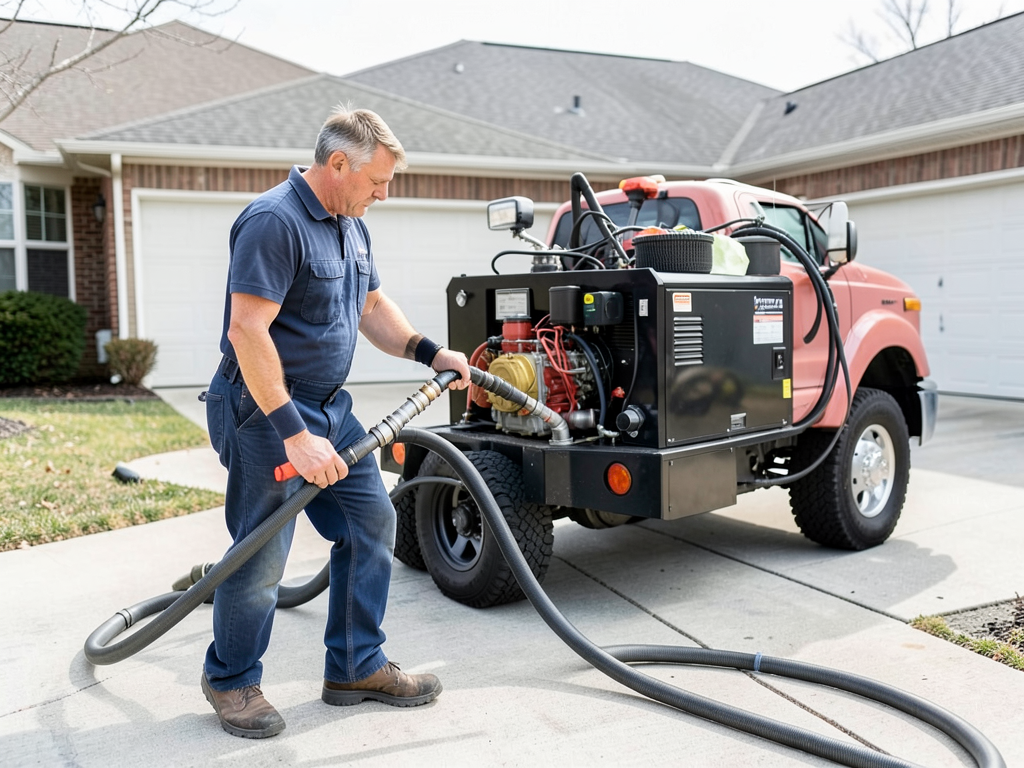
Once the inspection is complete, technicians select the appropriate nozzle type. Rotating nozzles work best for general cleaning, while root-cutting nozzles handle tree intrusions. The nozzle attaches to a high-pressure hose connected to a truck-mounted or portable jetting unit.
Technicians feed the hose through the cleanout while the jetting unit delivers high-pressure water. The nozzle moves forward under its own propulsion, cleaning as it advances through the pipe. Technicians watch the camera feed to ensure complete cleaning and verify when the line is clear.
After jetting, a final camera inspection confirms the pipes are clean and undamaged. Technicians provide before and after footage showing the improvement. Most Fishers homes with 3-6 inch main sewer lines complete the process in 2-4 hours.
Post-cleaning recommendations may include pipe repairs if damage is discovered or preventive treatments for recurring issues. The process leaves pipes clean enough that new debris has difficulty adhering to the walls. EPA information on sewer systems.
Common Causes of Blockages in Fishers Homes
Tree root intrusion affects Fishers more than many Indiana communities due to the area’s mature tree canopy and clay soil conditions. Silver maples, oaks, and elms send roots toward sewer pipes seeking moisture. These roots enter through joints and cracks, growing into dense masses that block flow.
Hard water in Hamilton County creates scale buildup inside pipes. Indiana’s water contains high levels of calcium and magnesium that precipitate out over time. This scale reduces pipe diameter and provides a surface for grease and debris to accumulate.
Kitchen grease causes major blockages when poured down drains. Hot grease flows easily but cools and solidifies inside pipes. Over time, grease layers trap food particles and other debris, creating stubborn clogs that snaking cannot fully remove.
Foreign objects flushed down toilets create immediate blockages. Sanitary products, paper towels, and children’s toys do not break down like toilet paper. These items lodge in pipes and catch other debris, forming complete blockages.
Combined sewer systems in older Fishers areas can back up during heavy rains. When storm water enters the sanitary system, it can overwhelm pipes and cause sewage to back up into homes. Hydro jetting cannot fix system capacity issues but can clear pipes to handle maximum flow.
Signs Your Home Needs Hydro Jetting
Multiple slow drains throughout your home indicate a main sewer line problem rather than individual fixture issues. When sinks, tubs, and toilets all drain slowly, the blockage is likely in the main line where hydro jetting works best.
Gurgling sounds from drains or toilets suggest air trapped by blockages. As water tries to drain past a clog, it creates bubbles that push air back through the system. These sounds often precede complete blockages and indicate the need for professional cleaning.
Recurring clogs that return weeks after snaking point to incomplete cleaning. Standard cabling removes the immediate blockage but leaves residue that attracts new debris. Hydro jetting eliminates this residue, providing longer-lasting results.
Sewer odors inside your home indicate trapped waste in pipes. When organic material builds up in pipes, it decomposes and releases gases. These odors escape through drains and indicate the need for thorough cleaning.
Water backing up in unusual places signals severe blockages. When you flush a toilet and water appears in a tub drain, the main line is completely blocked. This situation requires immediate professional attention.
Older homes in Fishers with original clay or cast iron pipes benefit from periodic hydro jetting. These materials develop scale and joint deterioration over decades, making them prone to buildup that requires professional cleaning.
Transparent Pricing and Scheduling
Hydro jetting costs in Fishers vary based on pipe accessibility, blockage severity, and pipe condition. Most homes with accessible cleanouts and standard blockages cost between $400-$800 for complete service. Severe root intrusions or damaged pipes may require additional work.
Camera inspection fees typically range from $150-$300 and are often credited toward the cleaning if you proceed with service. This inspection ensures you receive accurate pricing and appropriate treatment for your specific situation.
Emergency service availability is crucial when dealing with backed-up drains. Keystone Plumbing offers same-day service for urgent situations, with technicians arriving within hours of your call. Weekend and evening appointments accommodate busy schedules.
Scheduling during off-peak seasons can provide better pricing. Spring and fall typically have lower demand, allowing for more flexible scheduling and potential discounts. However, don’t wait for seasonal pricing if you’re experiencing severe drainage issues.
Preventive hydro jetting every 18-24 months benefits homes with recurring issues or mature trees nearby. This maintenance approach prevents emergency situations and extends the life of your plumbing system.
Call (317) 688-8848 today to schedule your inspection and receive a detailed quote for hydro jetting service. Our technicians serve all Fishers neighborhoods, from the Nickel Plate District to Geist and Saxony developments.
Hydro Jetting vs. Rooter Service: Making the Right Choice
Understanding the differences between hydro jetting and traditional rooter service helps you choose the right solution. Rooter service uses a rotating cable with a cutting head to bore through blockages. This method works well for simple clogs but leaves pipe walls dirty.
Hydro jetting provides complete pipe cleaning using only water pressure. The process removes all buildup, not just the immediate blockage. This thorough cleaning prevents quick return of clogs and improves overall pipe function.
Rooter service typically costs less upfront but may require frequent repeat visits. Hydro jetting costs more initially but provides longer-lasting results. For homes with recurring issues, hydro jetting often proves more cost-effective over time.
Pipe material affects which method works best. Older clay or cast iron pipes may sustain damage from aggressive rooter heads. Hydro jetting’s adjustable pressure allows safe cleaning of various pipe materials when performed by trained technicians.
Emergency situations sometimes require immediate rooter service to restore drainage. Once emergency flow is restored, hydro jetting can provide the thorough cleaning needed to prevent future emergencies.
Commercial properties with high usage benefit more from hydro jetting’s complete cleaning. Restaurants, apartment complexes, and other facilities with frequent drain issues see better long-term results from hydro jetting’s thorough approach. Apartment Complex Plumbing.
Safety and Pipe Compatibility
Professional hydro jetting operates within safe pressure ranges for residential pipes. Most home plumbing systems handle 3500-4000 PSI without damage when cleaned by trained technicians. The key is using appropriate nozzles and maintaining proper distance from pipe walls.
Older pipes require careful assessment before hydro jetting. Homes built before 1970 may have galvanized steel or lead pipes that need special consideration. Camera inspection reveals pipe condition and helps technicians adjust pressure and technique accordingly.
Joint connections in older pipes may be weak points. Hydro jetting can expose these weaknesses by removing the material holding failing joints together. This discovery, while potentially requiring repairs, prevents catastrophic failures from occurring unexpectedly.
Proper equipment maintenance ensures safe operation. Professional hydro jetting units include pressure regulators, flow meters, and emergency shutoff systems. Technicians receive training in equipment operation and pipe safety protocols.
Water usage during hydro jetting is significant but controlled. A typical cleaning uses 200-400 gallons of water, all of which flushes through the pipes and into the sewer system. This water usage is far less than what would be wasted with repeated snaking attempts.
Environmental considerations favor hydro jetting over chemical cleaners. The process uses only water, avoiding harsh chemicals that can damage pipes and harm the environment. This makes hydro jetting safe for homes with septic systems and municipal sewer connections.
Maintenance and Prevention Strategies
Regular maintenance prevents severe blockages and extends time between professional cleanings. Monthly enzyme treatments help break down organic material in pipes. These bacteria-based products work best as preventive measures rather than emergency solutions.
Proper disposal habits reduce blockage frequency. Never pour grease down drains, even with hot water. Install strainers in sinks to catch food particles and hair. These simple steps significantly reduce buildup in pipes.
Tree management near sewer lines prevents root intrusion. Plant trees at least 10 feet from sewer lines and choose species with less aggressive root systems. For existing trees, root barriers can redirect growth away from pipes.
Hard water treatment reduces scale buildup. Water softeners remove minerals that create scale, improving pipe flow and reducing cleaning frequency. This investment often pays for itself through reduced plumbing maintenance costs.
Annual camera inspections identify developing problems before they become emergencies. These inspections reveal root growth, scale buildup, and pipe damage early, allowing for planned maintenance rather than emergency repairs.
Documenting pipe condition helps track changes over time. Before and after photos from hydro jetting show the effectiveness of cleaning and help identify areas needing attention. This documentation assists in planning future maintenance.
Emergency Response and Availability
Sewer backups create health hazards and property damage requiring immediate attention. Standing sewage poses contamination risks and can damage flooring, walls, and belongings. Emergency hydro jetting service restores drainage and prevents further damage.
24/7 availability ensures help when you need it most. Plumbing emergencies rarely occur during business hours. Keystone Plumbing maintains technicians on call around the clock for urgent situations.
Quick response times minimize damage and disruption. Our Fishers-based technicians can often arrive within 1-2 hours of emergency calls. This rapid response helps contain damage and restore normal function quickly.
Emergency service includes damage assessment and temporary solutions. When immediate hydro jetting isn’t possible due to severe damage, technicians can implement temporary measures to restore drainage while planning permanent repairs.
Insurance coordination helps manage costs of emergency repairs. Many homeowners policies cover sewer backups and resulting damage. Our team can provide documentation needed for insurance claims and work with adjusters throughout the process.
Preventive emergency planning includes identifying cleanout locations and maintaining clear access. Knowing where your cleanouts are located and keeping the area accessible speeds emergency response and reduces service time.
Commercial Applications and Benefits
Commercial properties benefit significantly from hydro jetting’s thorough cleaning. Restaurants deal with grease buildup that standard cleaning cannot remove. Regular hydro jetting maintains proper drainage and prevents health code violations.
Apartment complexes face multiple simultaneous drain issues. Hydro jetting main lines clears problems affecting multiple units, reducing tenant complaints and maintenance calls. This proactive approach improves property management efficiency.
Retail businesses cannot afford drain-related closures. Hydro jetting prevents emergency situations that force temporary shutdowns. Scheduled maintenance during off-hours minimizes business disruption.
Industrial facilities with floor drains and process piping require specialized cleaning. Hydro jetting handles these applications safely, removing contaminants without damaging equipment or creating hazardous waste.
Cost analysis for commercial properties often shows hydro jetting’s value. While more expensive per service than snaking, the reduction in repeat service calls and emergency responses provides strong return on investment.
Documentation and reporting satisfy liability requirements. Commercial clients receive detailed reports showing pipe condition and cleaning results, providing evidence of proper maintenance for insurance and regulatory compliance.
Environmental Impact and Sustainability
Hydro jetting’s environmental benefits extend beyond chemical avoidance. The process uses only water, eliminating the need for harsh drain cleaners that can harm pipes and ecosystems. This makes it safe for homes with septic systems and municipal connections.
Water usage during hydro jetting is efficient compared to alternatives. While 200-400 gallons seems substantial, this amount cleans entire pipe systems in one session. Repeated snaking attempts or chemical treatments often use more resources over time.
Pipe preservation through proper cleaning extends infrastructure life. Replacing damaged pipes creates significant environmental impact through manufacturing and disposal. Hydro jetting’s gentle yet effective cleaning helps pipes last longer, reducing replacement frequency.
Energy efficiency improves with clean pipes. Blocked pipes force pumps to work harder, increasing energy consumption. Clean pipes allow efficient flow, reducing the energy needed for water movement throughout your home.
Waste reduction occurs through prevention. Emergency plumbing situations often require disposal of contaminated materials and generate significant waste. Preventing these emergencies through maintenance reduces overall waste production.
Community impact includes reduced strain on municipal systems. Clean pipes in individual homes reduce the likelihood of system-wide backups that affect entire neighborhoods. This community benefit makes hydro jetting a responsible choice for Fishers residents.
Frequently Asked Questions
Is hydro jetting safe for my old pipes?
Yes, when performed by trained technicians. Professional hydro jetting uses adjustable pressure and appropriate nozzles for different pipe materials. Camera inspection before cleaning ensures safe operation and identifies any pipes that might need special handling.
How long does hydro jetting take?
Most residential jobs complete in 2-4 hours, including camera inspection before and after. The actual jetting process typically takes 1-2 hours depending on blockage severity and pipe length. Severe root intrusions or damaged pipes may require additional time.
Will hydro jetting damage my landscaping?
No. Hydro jetting works through existing cleanout access points inside your home. Technicians do not need to dig up your yard or damage landscaping. The process is completely contained within your plumbing system.
How often should I have hydro jetting done?
Most homes benefit from hydro jetting every 18-24 months as preventive maintenance. Homes with recurring issues, mature trees nearby, or older pipes may need more frequent service. Annual camera inspections help determine the right schedule for your specific situation.
What’s the difference between hydro jetting and snaking?
Snaking uses a cable to bore through blockages, leaving residue on pipe walls. Hydro jetting uses high-pressure water to scour the entire pipe diameter, removing all buildup. Hydro jetting provides longer-lasting results but costs more upfront than snaking.
Can hydro jetting clear tree roots?
Yes. Hydro jetting cuts through tree roots and flushes them out of the system. The process also cleans pipe walls to slow new root growth. Severe root intrusions may require follow-up treatments or pipe repairs if damage exists.
Is hydro jetting expensive?
Costs vary by job complexity but typically range from $400-$800 for standard residential service. This includes camera inspection, jetting, and final inspection. While more expensive than snaking upfront, hydro jetting’s thorough cleaning often proves more cost-effective long-term.
Do I need to be home during service?
Yes. Technicians need access to your home for cleanout locations and to show you before and after camera footage. Someone over 18 must be present to grant access and discuss findings with the technician.
Take Action Against Stubborn Drain Clogs
Don’t let drain clogs disrupt your life or damage your home. Hydro jetting provides the thorough cleaning needed to restore proper drainage and prevent recurring issues. Whether you’re dealing with tree roots in your Geist neighborhood pipes or grease buildup from years of cooking, professional hydro jetting solves problems that standard methods cannot touch.
Keystone Plumbing serves all Fishers neighborhoods with emergency and scheduled hydro jetting service. Our experienced technicians use professional-grade equipment and provide complete documentation of your pipe condition before and after service.
Call (317) 688-8848 today to schedule your inspection and receive a detailed quote for hydro jetting service. Don’t wait for a complete backup to occur. Take control of your plumbing system now and enjoy worry-free drainage for years to come.
Pick up the phone and call (317) 688-8848 before the next storm hits or the next clog occurs. Your pipes deserve professional care, and your home deserves protection from water damage and sewage backups. For more information, visit International Association of Plumbing and Mechanical Officials.
{
“@context”: “https://schema.org”,
“@type”: “BlogPosting”,
“headline”: “Clear Your Toughest Drain Clogs with Hydro Jetting in Fishers”,
“description”: “Struggling with stubborn drain clogs in Fishers? Learn how hydro jetting clears pipes with 4000 PSI and why it’s essential for Fishers’ tree-root-prone sewer lines.”,
“wordCount”: 2912,
“datePublished”: “2026-02-27T10:17:00.000Z”,
“dateModified”: “2026-02-27T10:17:00.000Z”,
“inLanguage”: “en-US”,
“mainEntityOfPage”: {
“@type”: “WebPage”,
“@id”: “https://keystoneplumbingindianapolis.com”
},
“publisher”: {
“@type”: “LocalBusiness”,
“name”: “Keystone Plumbing Indianapolis”,
“url”: “https://keystoneplumbingindianapolis.com”
},
“author”: {
“@type”: “Organization”,
“name”: “Keystone Plumbing Indianapolis”,
“url”: “https://keystoneplumbingindianapolis.com”
},
“image”: {
“@type”: “ImageObject”,
“url”: “https://keystoneplumbingindianapolis.com/wp-content/uploads/2026/03/clear-your-toughest-drain-clogs-with-hydro-jetting-1.png”
}
}
{
“@context”: “https://schema.org”,
“@type”: “Plumber”,
“name”: “Keystone Plumbing Indianapolis”,
“url”: “https://keystoneplumbingindianapolis.com”,
“address”: {
“@type”: “PostalAddress”,
“addressLocality”: “Indianapolis”
},
“areaServed”: {
“@type”: “City”,
“name”: “Indianapolis”
}
}
{
“@context”: “https://schema.org”,
“@type”: “FAQPage”,
“mainEntity”: [
{
“@type”: “Question”,
“name”: “Is hydro jetting safe for my old pipes?”,
“acceptedAnswer”: {
“@type”: “Answer”,
“text”: “Yes, when performed by trained technicians. Professional hydro jetting uses adjustable pressure and appropriate nozzles for different pipe materials. Camera inspection before cleaning ensures safe operation and identifies any pipes that might need special handling.”
}
},
{
“@type”: “Question”,
“name”: “How long does hydro jetting take?”,
“acceptedAnswer”: {
“@type”: “Answer”,
“text”: “Most residential jobs complete in 2-4 hours, including camera inspection before and after. The actual jetting process typically takes 1-2 hours depending on blockage severity and pipe length. Severe root intrusions or damaged pipes may require additional time.”
}
},
{
“@type”: “Question”,
“name”: “Will hydro jetting damage my landscaping?”,
“acceptedAnswer”: {
“@type”: “Answer”,
“text”: “No. Hydro jetting works through existing cleanout access points inside your home. Technicians do not need to dig up your yard or damage landscaping. The process is completely contained within your plumbing system.”
}
},
{
“@type”: “Question”,
“name”: “How often should I have hydro jetting done?”,
“acceptedAnswer”: {
“@type”: “Answer”,
“text”: “Most homes benefit from hydro jetting every 18-24 months as preventive maintenance. Homes with recurring issues, mature trees nearby, or older pipes may need more frequent service. Annual camera inspections help determine the right schedule for your specific situation.”
}
},
{
“@type”: “Question”,
“name”: “What’s the difference between hydro jetting and snaking?”,
“acceptedAnswer”: {
“@type”: “Answer”,
“text”: “Snaking uses a cable to bore through blockages, leaving residue on pipe walls. Hydro jetting uses high-pressure water to scour the entire pipe diameter, removing all buildup. Hydro jetting provides longer-lasting results but costs more upfront than snaking.”
}
},
{
“@type”: “Question”,
“name”: “Can hydro jetting clear tree roots?”,
“acceptedAnswer”: {
“@type”: “Answer”,
“text”: “Yes. Hydro jetting cuts through tree roots and flushes them out of the system. The process also cleans pipe walls to slow new root growth. Severe root intrusions may require follow-up treatments or pipe repairs if damage exists.”
}
},
{
“@type”: “Question”,
“name”: “Is hydro jetting expensive?”,
“acceptedAnswer”: {
“@type”: “Answer”,
“text”: “Costs vary by job complexity but typically range from $400-$800 for standard residential service. This includes camera inspection, jetting, and final inspection. While more expensive than snaking upfront, hydro jetting’s thorough cleaning often proves more cost-effective long-term.”
}
},
{
“@type”: “Question”,
“name”: “Do I need to be home during service?”,
“acceptedAnswer”: {
“@type”: “Answer”,
“text”: “Yes. Technicians need access to your home for cleanout locations and to show you before and after camera footage. Someone over 18 must be present to grant access and discuss findings with the technician.”
}
}
]
}
{
“@context”: “https://schema.org”,
“@type”: “BreadcrumbList”,
“itemListElement”: [
{
“@type”: “ListItem”,
“position”: 1,
“name”: “Home”,
“item”: “https://keystoneplumbingindianapolis.com”
},
{
“@type”: “ListItem”,
“position”: 2,
“name”: “Blog”,
“item”: “https://keystoneplumbingindianapolis.com/blog”
},
{
“@type”: “ListItem”,
“position”: 3,
“name”: “Clear Your Toughest Drain Clogs with Hydro Jetting in Fishers”
}
]
}
{
“@context”: “https://schema.org”,
“@type”: “Service”,
“serviceType”: “Plumbing”,
“provider”: {
“@type”: “LocalBusiness”,
“name”: “Keystone Plumbing Indianapolis”,
“url”: “https://keystoneplumbingindianapolis.com”
},
“areaServed”: {
“@type”: “City”,
“name”: “Indianapolis”
},
“description”: “Struggling with stubborn drain clogs in Fishers? Learn how hydro jetting clears pipes with 4000 PSI and why it’s essential for Fishers’ tree-root-prone sewer lines.”
}