
Dealing with Heavy Sediment in the Water Supply Near Eagle Creek
Residents near Eagle Creek in Indianapolis often notice gritty or discolored water coming from their taps. This sediment problem is more than just an annoyance—it can damage your plumbing, appliances, and even affect your health. The good news is that you can identify the source and take action to protect your home. This guide explains why sediment appears in Eagle Creek area water, what the different colors mean, and how to fix it with both DIY steps and professional solutions. Benefits of Water Softeners.
Common Types of Sediment in Indianapolis Water
Before you can fix the problem, you need to know what you’re dealing with. Sediment in water can come in several forms:
- Brown or orange particles – Usually rust from old iron pipes in the municipal system or your home’s plumbing
- White or cloudy flakes – Calcium carbonate scale from hard water mineral deposits
- Black specks – Often manganese or deteriorating rubber seals in your plumbing
- Sand or grit – Can come from well water or disturbed water mains
Each type tells a different story about your water quality and what needs to be done.
Why Eagle Creek Area Homes Experience Sediment Issues
The Eagle Creek neighborhood sits in a part of Indianapolis where several factors combine to create sediment problems:
Hard Water Chemistry – Indianapolis water from Citizens Energy Group typically contains 12-20 grains per gallon of hardness, mostly calcium and magnesium. When this water is heated or sits in pipes, minerals precipitate out as scale.
Aging Infrastructure – Many homes near Eagle Creek were built in the 1960s-1980s using galvanized steel pipes. These pipes corrode from the inside, releasing rust particles into your water supply.
Water Main Work – Recent Citizens Energy Group projects to upgrade water mains in the Eagle Creek area have stirred up sediment in the distribution system. When crews work on nearby lines, sediment can enter your home’s plumbing temporarily.
Seasonal Temperature Changes – Indianapolis experiences freeze-thaw cycles that cause ground shifting. This movement can crack pipes or create gaps where sediment enters the system, especially in areas with clay soil common near Eagle Creek.
Is Sediment in Your Water Dangerous?
Most sediment in Indianapolis water is not immediately harmful to drink, but it creates several problems:
Health Considerations – While the EPA sets strict limits on contaminants, sediment itself is classified as an aesthetic issue rather than a health hazard. However, rust particles can carry trace metals, and some people may experience digestive upset from high mineral content.
Plumbing Damage – Sediment acts like sandpaper inside your pipes, wearing away at joints and creating leaks over time. It also clogs aerators, showerheads, and appliance filters.
Appliance Efficiency – Water heaters, dishwashers, and washing machines work harder when sediment builds up. A typical water heater can lose 25-30% efficiency when coated with scale, increasing your energy bills.
Water Pressure Issues – Sediment can block small openings in your plumbing system, reducing water pressure throughout your home.
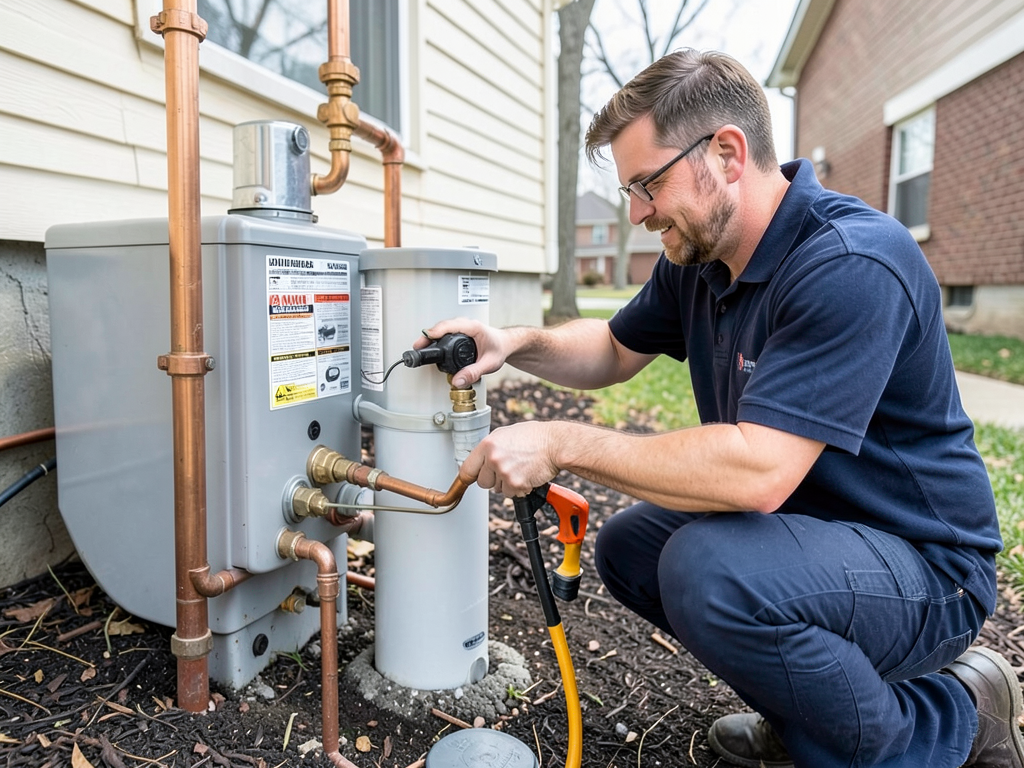
DIY Troubleshooting: How to Flush Your Water Heater
One of the most common sources of sediment is your water heater. Here’s how to flush it safely:
- Turn Off Power or Gas
Switch off the circuit breaker for electric heaters or turn the gas valve to “pilot” for gas models.
- Shut Off Cold Water Supply
Locate the cold water valve at the top of the heater and turn it clockwise to close.
- Connect a Garden Hose
Attach one end to the drain valve at the bottom of the heater and run the other end to a floor drain or outside.
- Open Hot Water Faucets
Turn on a hot water faucet somewhere in your house to allow air into the system.
- Drain the Tank
Open the drain valve and let the water flow out until it runs clear. This may take 20-30 minutes.
- Flush with Cold Water
briefly open the cold water supply to stir up remaining sediment, then drain again until clear.
- Close Valves and Refill
Close the drain valve, remove the hose, and open the cold water supply. Once the tank is full, restore power or gas.
Safety Note: Always let the water heater cool for several hours before draining to avoid burns. If you’re unsure about any step, call a professional.
Professional Solutions for Eagle Creek Sediment Problems
When DIY methods aren’t enough, these professional solutions can eliminate sediment issues:
Whole-House Sediment Filters – These systems install at your main water line and trap particles before they enter your plumbing. They’re especially effective for sand, rust, and other visible debris.
Water Softeners – Since Indianapolis has extremely hard water, a softener can prevent scale buildup by removing calcium and magnesium through ion exchange. This also extends the life of your water heater and appliances.
Point-of-Use Filtration – Under-sink filters or reverse osmosis systems provide purified water for drinking and cooking, removing even microscopic particles.
Pipe Replacement – If your home has old galvanized pipes, replacing them with copper or PEX can eliminate the source of rust particles permanently.
Water Heater Upgrades – Tankless water heaters don’t store sediment-prone water and have no anode rod that can deteriorate and contaminate your supply.
How to Test Your Water Quality
Before investing in filtration, you should know exactly what’s in your water. Here are your options:
DIY Test Kits – Available at hardware stores, these kits test for hardness, pH, chlorine, and some metals. They’re affordable but less comprehensive.
Professional Laboratory Testing – Companies like Keystone Plumbing can collect samples and send them to certified labs. This tests for a full range of contaminants including bacteria, lead, and specific minerals.
Citizens Energy Group Reports – The utility publishes annual water quality reports showing what’s in the municipal supply. These reports are based on EPA testing requirements but may not reflect conditions in your home’s plumbing.
Visual Inspection – Fill a clear glass with cold water and let it sit for 30 minutes. If particles settle to the bottom, you have sediment. The color and texture can indicate the type.
Cost-Benefit Analysis: Filtration vs. Appliance Replacement
Many homeowners wonder whether to invest in filtration or just replace affected appliances. Here’s a comparison:
| Solution | Initial Cost | Annual Savings | Lifespan | Best For |
|---|---|---|---|---|
| Whole-house filter | $800-$1,500 | $100-$200 | 5-10 years | Visible sediment, rust |
| Water softener | $1,200-$2,500 | $200-$400 | 10-15 years | Hard water scale |
| Water heater replacement | $1,000-$2,500 | $50-$150 | 8-12 years | Severe sediment buildup |
| Reverse osmosis system | $300-$600 | $80-$150 | 2-5 years | Drinking water quality |
Most homeowners find that filtration systems pay for themselves within 3-5 years through energy savings and extended appliance life.
When to Call a Professional Plumber
Some sediment problems require professional diagnosis and repair: EPA Drinking Water Standards.
Sudden Appearance – If sediment appears suddenly throughout your house, it could indicate a broken water main or severe pipe corrosion.
Persistent Issues – If flushing your water heater doesn’t solve the problem, sediment may be entering from the municipal supply or your home’s pipes.
Health Concerns – If you notice unusual odors, colors, or if family members experience digestive issues, professional testing is recommended.
Low Water Pressure – Severe sediment buildup can reduce water pressure to the point where fixtures don’t function properly.
Appliance Damage – If your water heater is making popping sounds or your dishwasher isn’t cleaning properly, sediment may have already caused internal damage.
Preventing Future Sediment Problems
Once you’ve addressed your current sediment issue, these steps can prevent recurrence:
- Annual Water Heater Maintenance – Flush your water heater once per year to prevent sediment accumulation.
- Replace Old Pipes – If your home has galvanized steel pipes over 40 years old, consider replacement before they fail completely.
- Install Pressure Regulators – High water pressure can force sediment through your system more aggressively.
- Use Quality Filters – Cheap filters can break down and add more particles to your water.
- Monitor Water Quality – Pay attention to changes in taste, odor, or appearance that might indicate new sediment sources.
Local Resources for Eagle Creek Residents
Several local resources can help you address sediment issues:
Citizens Energy Group – Call (317) 924-3311 for information about water main work in your area or to report persistent sediment problems.
Hamilton County Health Department – Provides information about water quality standards and testing options for private wells.
Indianapolis Water Quality Report – Available online, this annual report shows what Citizens Energy Group tests for and finds in the municipal supply.
Local Plumbing Contractors – Companies familiar with Eagle Creek area homes understand the specific challenges of local water chemistry and plumbing systems.
Frequently Asked Questions
Why does my water look cloudy but clears up after sitting?
Cloudy water that clears from bottom to top is usually dissolved air. This is harmless and common in cold weather. If it clears from top to bottom, it’s likely sediment that will settle.
Can sediment damage my new appliances?
Yes. Even new appliances can be damaged by sediment. Water heaters can develop leaks, dishwashers can clog, and washing machines can have reduced efficiency when exposed to high sediment levels.
How often should I test my water if I have sediment issues?
Test annually if you have a filtration system, or whenever you notice changes in water quality. If you have a private well, test more frequently according to health department recommendations.
Is bottled water safer than filtered tap water?
Not necessarily. Bottled water is regulated differently than tap water and isn’t always tested as frequently. A good home filtration system can provide water that’s just as safe or safer than most bottled water.
Will a water softener remove all sediment?
Water softeners primarily remove hardness minerals but won’t catch sand, rust particles, or other debris. You’ll need a separate sediment filter for those contaminants.
Take Action Against Sediment Today
Sediment in your water supply near Eagle Creek isn’t just an inconvenience—it’s a warning sign that your plumbing system needs attention. Whether you’re dealing with occasional cloudiness or constant grit in your water, the solutions are available and affordable.
Don’t wait until sediment damages your expensive appliances or causes a plumbing emergency. A simple test can identify the problem, and professional installation of the right filtration system can give you clean, clear water for years to come. Reliable Sump Pump Installation in Fishers to Keep Your Basement Dry.
Call (317) 688-8848 today to schedule your water quality inspection. Our experienced technicians understand the specific challenges Eagle Creek area homeowners face and can recommend the perfect solution for your home and budget.
Pick up the phone and call (317) 688-8848 before the next water main work stirs up more sediment in your pipes. Clean water is just one call away. For more information, visit Citizens Energy Group.
{
“@context”: “https://schema.org”,
“@type”: “BlogPosting”,
“headline”: “Dealing with Heavy Sediment in the Water Supply Near Eagle Creek”,
“description”: “Is sediment in your Eagle Creek area water supply clogging your pipes and appliances? Learn the causes, health risks, and proven filtration solutions for Indianapolis homeowners.”,
“wordCount”: 1789,
“datePublished”: “2026-06-09T10:05:00.000Z”,
“dateModified”: “2026-06-09T10:05:00.000Z”,
“inLanguage”: “en-US”,
“mainEntityOfPage”: {
“@type”: “WebPage”,
“@id”: “https://keystoneplumbingindianapolis.com”
},
“publisher”: {
“@type”: “LocalBusiness”,
“name”: “Keystone Plumbing Indianapolis”,
“url”: “https://keystoneplumbingindianapolis.com”
},
“author”: {
“@type”: “Organization”,
“name”: “Keystone Plumbing Indianapolis”,
“url”: “https://keystoneplumbingindianapolis.com”
},
“image”: {
“@type”: “ImageObject”,
“url”: “https://keystoneplumbingindianapolis.com/wp-content/uploads/2026/03/dealing-with-heavy-sediment-in-the-water-supply-ne-1.png”
}
}
{
“@context”: “https://schema.org”,
“@type”: “Plumber”,
“name”: “Keystone Plumbing Indianapolis”,
“url”: “https://keystoneplumbingindianapolis.com”,
“address”: {
“@type”: “PostalAddress”,
“addressLocality”: “Indianapolis”
},
“areaServed”: {
“@type”: “City”,
“name”: “Indianapolis”
}
}
{
“@context”: “https://schema.org”,
“@type”: “FAQPage”,
“mainEntity”: [
{
“@type”: “Question”,
“name”: “Is Sediment in Your Water Dangerous?”,
“acceptedAnswer”: {
“@type”: “Answer”,
“text”: “Most sediment in Indianapolis water is not immediately harmful to drink, but it creates several problems:”
}
},
{
“@type”: “Question”,
“name”: “Why does my water look cloudy but clears up after sitting?”,
“acceptedAnswer”: {
“@type”: “Answer”,
“text”: “Cloudy water that clears from bottom to top is usually dissolved air. This is harmless and common in cold weather. If it clears from top to bottom, it’s likely sediment that will settle.”
}
},
{
“@type”: “Question”,
“name”: “Can sediment damage my new appliances?”,
“acceptedAnswer”: {
“@type”: “Answer”,
“text”: “Yes. Even new appliances can be damaged by sediment. Water heaters can develop leaks, dishwashers can clog, and washing machines can have reduced efficiency when exposed to high sediment levels.”
}
},
{
“@type”: “Question”,
“name”: “How often should I test my water if I have sediment issues?”,
“acceptedAnswer”: {
“@type”: “Answer”,
“text”: “Test annually if you have a filtration system, or whenever you notice changes in water quality. If you have a private well, test more frequently according to health department recommendations.”
}
},
{
“@type”: “Question”,
“name”: “Is bottled water safer than filtered tap water?”,
“acceptedAnswer”: {
“@type”: “Answer”,
“text”: “Not necessarily. Bottled water is regulated differently than tap water and isn’t always tested as frequently. A good home filtration system can provide water that’s just as safe or safer than most bottled water.”
}
},
{
“@type”: “Question”,
“name”: “Will a water softener remove all sediment?”,
“acceptedAnswer”: {
“@type”: “Answer”,
“text”: “Water softeners primarily remove hardness minerals but won’t catch sand, rust particles, or other debris. You’ll need a separate sediment filter for those contaminants.”
}
}
]
}
{
“@context”: “https://schema.org”,
“@type”: “HowTo”,
“name”: “How to Flush a Water Heater”,
“step”: [
{
“@type”: “HowToStep”,
“position”: 1,
“name”: “Turn Off Power or Gas”,
“text”: “Switch off the circuit breaker for electric heaters or turn the gas valve to \”pilot\” for gas models.”
},
{
“@type”: “HowToStep”,
“position”: 2,
“name”: “Shut Off Cold Water Supply”,
“text”: “Locate the cold water valve at the top of the heater and turn it clockwise to close.”
},
{
“@type”: “HowToStep”,
“position”: 3,
“name”: “Connect a Garden Hose”,
“text”: “Attach one end to the drain valve at the bottom of the heater and run the other end to a floor drain or outside.”
},
{
“@type”: “HowToStep”,
“position”: 4,
“name”: “Open Hot Water Faucets”,
“text”: “Turn on a hot water faucet somewhere in your house to allow air into the system.”
},
{
“@type”: “HowToStep”,
“position”: 5,
“name”: “Drain the Tank”,
“text”: “Open the drain valve and let the water flow out until it runs clear. This may take 20-30 minutes.”
},
{
“@type”: “HowToStep”,
“position”: 6,
“name”: “Flush with Cold Water”,
“text”: “briefly open the cold water supply to stir up remaining sediment, then drain again until clear.”
},
{
“@type”: “HowToStep”,
“position”: 7,
“name”: “Close Valves and Refill”,
“text”: “Close the drain valve, remove the hose, and open the cold water supply. Once the tank is full, restore power or gas.”
}
],
“image”: “https://keystoneplumbingindianapolis.com/wp-content/uploads/2026/03/dealing-with-heavy-sediment-in-the-water-supply-ne-1.png”
}
{
“@context”: “https://schema.org”,
“@type”: “BreadcrumbList”,
“itemListElement”: [
{
“@type”: “ListItem”,
“position”: 1,
“name”: “Home”,
“item”: “https://keystoneplumbingindianapolis.com”
},
{
“@type”: “ListItem”,
“position”: 2,
“name”: “Blog”,
“item”: “https://keystoneplumbingindianapolis.com/blog”
},
{
“@type”: “ListItem”,
“position”: 3,
“name”: “Dealing with Heavy Sediment in the Water Supply Near Eagle Creek”
}
]
}
{
“@context”: “https://schema.org”,
“@type”: “Service”,
“serviceType”: “Plumbing”,
“provider”: {
“@type”: “LocalBusiness”,
“name”: “Keystone Plumbing Indianapolis”,
“url”: “https://keystoneplumbingindianapolis.com”
},
“areaServed”: {
“@type”: “City”,
“name”: “Indianapolis”
},
“description”: “Is sediment in your Eagle Creek area water supply clogging your pipes and appliances? Learn the causes, health risks, and proven filtration solutions for Indianapolis homeowners.”
}