
Essential Septic Tank Maintenance Tips for Rural Properties in Franklin
Living in rural Franklin means relying on a septic system instead of city sewer lines. These underground wastewater treatment units handle everything that goes down your drains but need regular care to work properly. Without maintenance a failing septic system can back up into your home create swampy areas in your yard or contaminate local groundwater. The good news is that with a few simple habits and annual inspections you can extend the life of your system for decades and avoid costly repairs. EPA Septic System Care Guide.
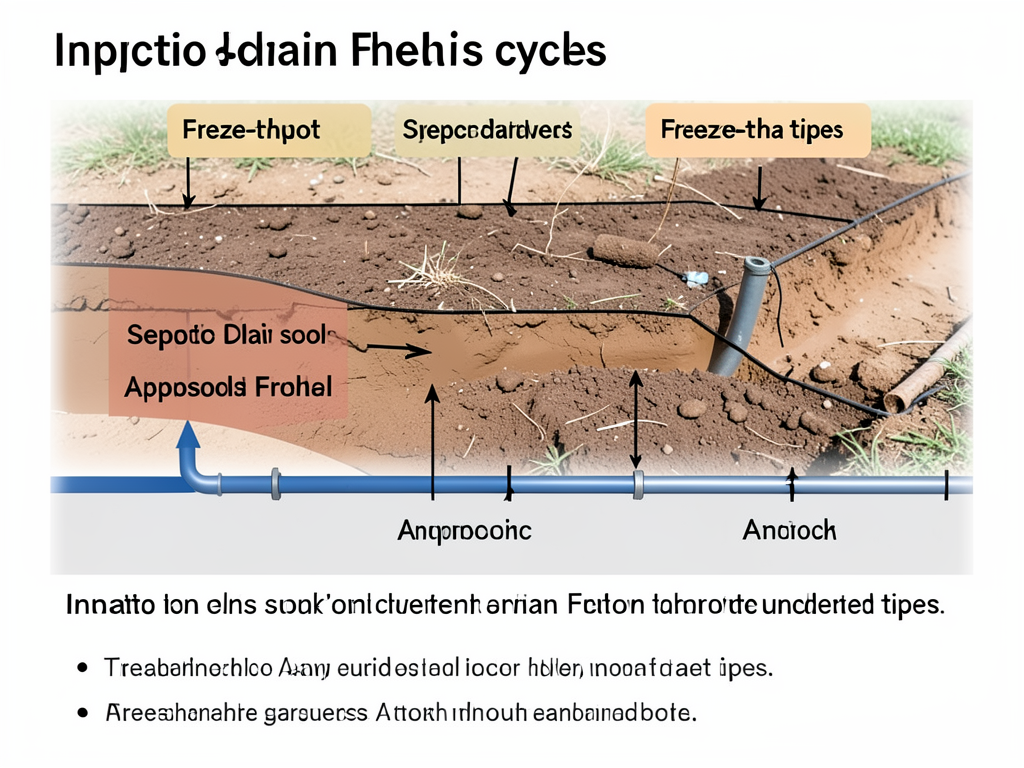
Franklin’s heavy clay soil and Indiana’s freeze-thaw cycles create unique challenges for septic systems. Clay soil drains slowly which means your drain field needs extra care to prevent saturation. Winter freezes can shift pipes and damage components if they aren’t properly protected. Understanding these local conditions is the first step to keeping your system healthy year-round. Indiana State Department of Health Septic Information.
How Indiana’s Clay Soil Affects Your Septic System
Franklin sits on soil that is mostly clay and silt which holds water longer than sandy soils. This slow drainage means your drain field must be larger and better maintained than systems in areas with faster-draining soil. When the soil becomes too saturated from heavy rain or overuse wastewater can’t filter properly and may surface in your yard or back up into your home. Benefits of Water Softeners.
During Indiana’s wet springs and summer thunderstorms the water table can rise quickly. If your septic system isn’t designed with enough clearance from the seasonal high water table you risk hydraulic overload. This is why proper system design and regular maintenance are critical in Franklin’s soil conditions. Indiana Administrative Code 410 IAC 6-8.3.
Warning Signs Your Septic System Needs Immediate Attention
Recognizing problems early can save you thousands in repairs. Here are the most common warning signs that indicate your septic system needs professional help:
- Slow drains throughout the house especially if multiple fixtures are affected
- Gurgling sounds in pipes when you flush toilets or run water
- Unpleasant odors near your drain field or in your yard
- Standing water or unusually lush green grass over the drain field area
- Toilets that flush slowly or back up into tubs and showers
If you notice any of these signs stop using water immediately and call a professional. Continuing to use your plumbing can cause sewage to back up into your home or create environmental hazards in your yard.
Annual Inspection Procedures That Protect Your Investment
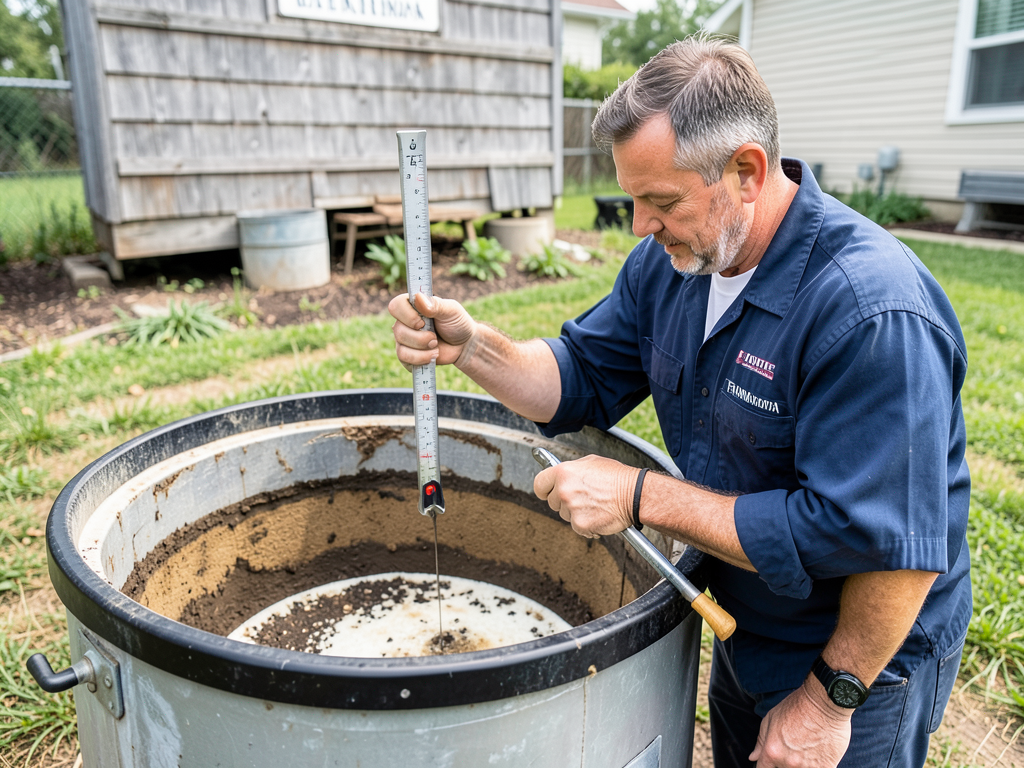
A professional septic inspection involves more than just checking if your tank needs pumping. During a thorough inspection technicians measure scum and sludge layers check for cracks or leaks in the tank inspect baffles and filters and evaluate the drain field’s performance.
The inspection process typically includes locating the tank and digging up access ports if they aren’t visible. Technicians then measure the thickness of the scum layer (fats oils and grease floating on top) and the sludge layer (solids settling at the bottom). If either layer is too thick pumping is recommended to prevent solids from flowing into the drain field.
Inspectors also check the effluent filter which prevents solids from leaving the tank and clogging the drain field pipes. A clogged filter can cause backups even if the tank isn’t full. They’ll also look for signs of root intrusion which is common in Franklin’s mature neighborhoods where trees have had decades to grow toward moisture sources.
Indiana Administrative Code 410 IAC 6-8.3 Requirements
Indiana Administrative Code 410 IAC 6-8.3 governs onsite sewage disposal systems throughout the state. This code requires permits for new installations and major repairs. It also mandates specific setbacks from property lines wells and surface water features. Reliable Sump Pump Installation in Fishers to Keep Your Basement Dry.
According to Indiana Department of Health guidelines septic tanks should be pumped when the combined scum and sludge layers reach 25-33% of the tank’s liquid capacity. For a typical 1000-gallon tank this means pumping every 3-5 years for a family of four though this frequency can vary based on household size and water usage.
Local regulations also specify what can be legally discharged into septic systems. For example the discharge of water softener backwash into septic tanks is prohibited in many Indiana jurisdictions because the high salt content can kill the beneficial bacteria that break down waste. Always check with your local health department for specific requirements in your area.
Preventive Tips to Extend the Life of Your Drain Field
Your drain field is the most expensive component to replace so protecting it should be your top priority. Here are proven strategies to keep your drain field working efficiently:
First never drive or park vehicles over the drain field. The weight can compact soil and crush pipes reducing the system’s ability to filter wastewater. Keep heavy equipment sheds and other structures at least 10 feet away from the drain field edges.
Second be strategic about landscaping. Grass is the best cover for drain fields because it prevents erosion and doesn’t have deep roots that could damage pipes. Avoid planting trees or shrubs within 30 feet of the drain field as their roots naturally seek out moisture and can infiltrate pipes.
Third manage water usage to prevent hydraulic overload. Fix leaky faucets and toilets promptly install low-flow fixtures and spread out laundry loads throughout the week instead of doing multiple loads in one day. This gives your drain field time to absorb and treat wastewater between uses.
Household Water Conservation Techniques That Help Your Septic
Reducing water usage isn’t just good for your utility bill—it’s essential for septic system health. The average American household uses about 300 gallons of water per day but septic systems are designed to handle much less continuous flow.
Start with the biggest water users in your home. Toilets account for about 30% of household water use. Replacing old toilets with WaterSense-labeled models can save 13000 gallons per year. Similarly upgrading to efficient showerheads and faucet aerators can cut water use by 20% without sacrificing performance.
In the laundry room high-efficiency washers use 40% less water than standard models. When possible wash full loads rather than partial ones and use the appropriate water level settings. Consider installing a lint filter on your washing machine discharge to prevent excess solids from entering your septic system.
Never Flush: The List of Items That Harm Your Septic System
Your septic system relies on bacteria to break down waste but many common household items can kill these beneficial organisms or clog your system. Here’s what never belongs in your septic system:
- Non-biodegradable items: diapers feminine hygiene products condoms dental floss cigarette butts
- Chemicals: paint solvents pesticides motor oil antifreeze photographic chemicals
- Medications: prescription drugs over-the-counter medications antibiotics
- Kitchen waste: coffee grounds eggshells bones fruit pits corn cobs
- Fats oils and grease: these solidify and create scum layers that are difficult for bacteria to break down
Even products labeled ‘flushable’ like wet wipes don’t break down in septic systems and can cause expensive clogs. When in doubt throw it in the trash instead of risking damage to your system.
Septic Tank Additives: Pros and Cons
Walk down any home improvement aisle and you’ll see dozens of septic tank additives promising to eliminate pumping forever. The truth is more complicated. While some additives can help in specific situations most are unnecessary for well-maintained systems.
Biological additives containing bacteria and enzymes won’t hurt your system but they also won’t eliminate the need for pumping. Your septic tank already contains the bacteria needed to break down waste. The real issue is that solids accumulate over time regardless of bacterial activity and these must be physically removed.
Chemical additives particularly those containing hydrogen peroxide or other strong oxidizers can actually harm your system by killing beneficial bacteria or corroding tank components. Some additives can also contaminate groundwater if they reach the drain field.
The EPA and most health departments recommend against using septic additives as a substitute for regular pumping and maintenance. The only reliable way to keep your system working is through proper use and professional care.
Impact of Heavy Appliances and Salt-Based Water Softeners
Large appliances can significantly impact your septic system’s performance. Garbage disposals for instance increase the amount of solids entering your tank by up to 50%. If you have a disposal you may need to pump your tank annually instead of every few years. Quick Garbage Disposal Repair in Lawrence to Get Your Kitchen Back in Order.
Water softeners present a particular challenge for septic systems. The regeneration cycle discharges highly concentrated brine into your plumbing which can disrupt the bacterial balance in your septic tank. Some studies suggest this brine can also affect the soil’s ability to absorb water in the drain field.
If you have a water softener and a septic system consider these options: install a separate dry well for softener discharge use a demand-initiated regeneration system that regenerates based on actual water usage rather than a timer or switch to a salt-free water conditioner that doesn’t produce brine discharge.
Emergency Contact Steps for Local Septic Backups During Heavy Rain
Indiana’s spring storms can overwhelm septic systems especially older ones or those in low-lying areas. If you experience a septic backup during heavy rain follow these steps immediately:
First stop all water use in your home. Don’t flush toilets run sinks or use appliances that discharge water. Every gallon you add could make the backup worse.
Second if sewage has backed up into your home avoid contact with the contaminated water. Wear rubber boots and gloves if you must enter the affected area and keep children and pets away. Sewage contains harmful bacteria that can cause serious illness.
Third call a professional septic service immediately. They can assess whether the problem is with your system or if groundwater is simply too high for your drain field to function. In some cases you may need to have your tank pumped but this won’t help if the drain field is saturated from rain.
Finally document the damage for insurance purposes. Take photos of any water damage keep receipts for emergency services and contact your insurance company to understand what’s covered under your policy.
Comparing Septic System Types for Rural Franklin Properties
| System Type | Best For | Maintenance Needs | Cost Range | Common Issues |
|---|---|---|---|---|
| Conventional Gravity | Properties with good soil depth and proper slope | Pump every 3-5 years annual inspection | $3000 – $7000 | Tree root intrusion soil compaction |
| Pressure Distribution | Flatter lots or when the drain field must be located upslope | Pump every 3-5 years inspect pump annually | $5000 – $10000 | Pump failure electrical issues |
| Mound System | Properties with high water table or poor soil | Pump every 1-3 years more frequent inspections | $10000 – $20000 | Surface erosion sand filter clogging |
| ATU (Aerobic Treatment Unit) | Environmentally sensitive areas or small lots | Annual professional service quarterly checks | $8000 – $15000 | Aerator motor failure electrical problems |
Frequently Asked Questions
How often should I pump my septic tank in Franklin?
For a typical household in Franklin pumping every 3-5 years is recommended. However if you have a garbage disposal water softener or large family you may need pumping every 1-3 years. Annual inspections can help determine the right schedule for your specific system.
Can I plant a garden over my drain field?
No planting gardens over drain fields is not recommended. The additional watering can saturate the soil and plant roots can damage pipes. Grass is the best cover because it prevents erosion without deep root systems. Keep all vegetable gardens at least 10 feet away from the drain field edge.
What should I do if my drain field is flooded after heavy rain?
If your drain field is flooded reduce water usage to a minimum and contact a septic professional. Don’t pump the tank during flooding as this can cause the tank to float out of the ground. The system may need time to recover as groundwater levels drop naturally.
Protecting Your Franklin Property’s Most Important System
Your septic system is a critical part of your rural property’s infrastructure. Unlike city sewer systems maintained by municipal workers your septic system is entirely your responsibility. Regular maintenance costs a few hundred dollars every few years while emergency repairs or complete system replacement can cost $10000 to $30000. Trenchless Sewer Line Replacement in Greenwood without Digging Up Your Yard.
By following the maintenance tips in this guide you can avoid the most common septic problems that plague rural homeowners. Remember that your system is designed to work quietly and efficiently when properly maintained. The few minutes it takes to fix a leaky faucet or the few hundred dollars for annual pumping are small investments compared to the cost and inconvenience of system failure.
Don’t wait until you have sewage in your yard or backed up into your home. Call (317) 688-8848 today to schedule your septic inspection and take the first step toward protecting your Franklin property’s wastewater system.
{
“@context”: “https://schema.org”,
“@type”: “BlogPosting”,
“headline”: “Essential Septic Tank Maintenance Tips for Rural Properties in Franklin”,
“description”: “Learn septic maintenance for rural Franklin properties with Indiana-specific regulations, diagnostic tips, and local soil considerations.”,
“wordCount”: 2171,
“datePublished”: “2026-06-07T12:05:00.000Z”,
“dateModified”: “2026-06-07T12:05:00.000Z”,
“inLanguage”: “en-US”,
“mainEntityOfPage”: {
“@type”: “WebPage”,
“@id”: “https://keystoneplumbingindianapolis.com”
},
“publisher”: {
“@type”: “LocalBusiness”,
“name”: “Keystone Plumbing Indianapolis”,
“url”: “https://keystoneplumbingindianapolis.com”
},
“author”: {
“@type”: “Organization”,
“name”: “Keystone Plumbing Indianapolis”,
“url”: “https://keystoneplumbingindianapolis.com”
},
“image”: {
“@type”: “ImageObject”,
“url”: “https://keystoneplumbingindianapolis.com/wp-content/uploads/2026/03/essential-septic-tank-maintenance-tips-for-rural-p-1.png”
}
}
{
“@context”: “https://schema.org”,
“@type”: “Plumber”,
“name”: “Keystone Plumbing Indianapolis”,
“url”: “https://keystoneplumbingindianapolis.com”,
“address”: {
“@type”: “PostalAddress”,
“addressLocality”: “Indianapolis”
},
“areaServed”: {
“@type”: “City”,
“name”: “Indianapolis”
}
}
{
“@context”: “https://schema.org”,
“@type”: “FAQPage”,
“mainEntity”: [
{
“@type”: “Question”,
“name”: “How often should I pump my septic tank in Franklin?”,
“acceptedAnswer”: {
“@type”: “Answer”,
“text”: “For a typical household in Franklin pumping every 3-5 years is recommended. However if you have a garbage disposal water softener or large family you may need pumping every 1-3 years. Annual inspections can help determine the right schedule for your specific system.”
}
},
{
“@type”: “Question”,
“name”: “Can I plant a garden over my drain field?”,
“acceptedAnswer”: {
“@type”: “Answer”,
“text”: “No planting gardens over drain fields is not recommended. The additional watering can saturate the soil and plant roots can damage pipes. Grass is the best cover because it prevents erosion without deep root systems. Keep all vegetable gardens at least 10 feet away from the drain field edge.”
}
},
{
“@type”: “Question”,
“name”: “What should I do if my drain field is flooded after heavy rain?”,
“acceptedAnswer”: {
“@type”: “Answer”,
“text”: “If your drain field is flooded reduce water usage to a minimum and contact a septic professional. Don’t pump the tank during flooding as this can cause the tank to float out of the ground. The system may need time to recover as groundwater levels drop naturally.”
}
}
]
}
{
“@context”: “https://schema.org”,
“@type”: “BreadcrumbList”,
“itemListElement”: [
{
“@type”: “ListItem”,
“position”: 1,
“name”: “Home”,
“item”: “https://keystoneplumbingindianapolis.com”
},
{
“@type”: “ListItem”,
“position”: 2,
“name”: “Blog”,
“item”: “https://keystoneplumbingindianapolis.com/blog”
},
{
“@type”: “ListItem”,
“position”: 3,
“name”: “Essential Septic Tank Maintenance Tips for Rural Properties in Franklin”
}
]
}
{
“@context”: “https://schema.org”,
“@type”: “Service”,
“serviceType”: “Plumbing”,
“provider”: {
“@type”: “LocalBusiness”,
“name”: “Keystone Plumbing Indianapolis”,
“url”: “https://keystoneplumbingindianapolis.com”
},
“areaServed”: {
“@type”: “City”,
“name”: “Indianapolis”
},
“description”: “Learn septic maintenance for rural Franklin properties with Indiana-specific regulations, diagnostic tips, and local soil considerations.”
}