
Expert Gas Line Hookups for Your New Kitchen Range or Dryer in Plainfield
Getting a new gas range or clothes dryer in Plainfield means more than just plugging it in. Gas appliances require professional installation to meet Indiana safety codes and prevent dangerous leaks. This guide covers everything Plainfield homeowners need to know about gas line hookups from licensed plumbers who understand local requirements. Indiana Professional Licensing Agency.
Plainfield sits in Hendricks County where Citizens Energy Group provides natural gas service. Local homes range from historic properties near downtown to newer developments in areas like the Villages of West Clay. Each property type presents unique gas line challenges that require proper assessment before installation. Citizens Energy Group.
Professional gas line installation starts with evaluating your existing gas meter capacity. A standard residential meter typically handles 250,000 BTU per hour. Most kitchen ranges require 30,000-50,000 BTU while gas dryers need about 20,000 BTU. Adding both appliances may push your system to capacity limits. Reliable Sump Pump Installation in Fishers to Keep Your Basement Dry.
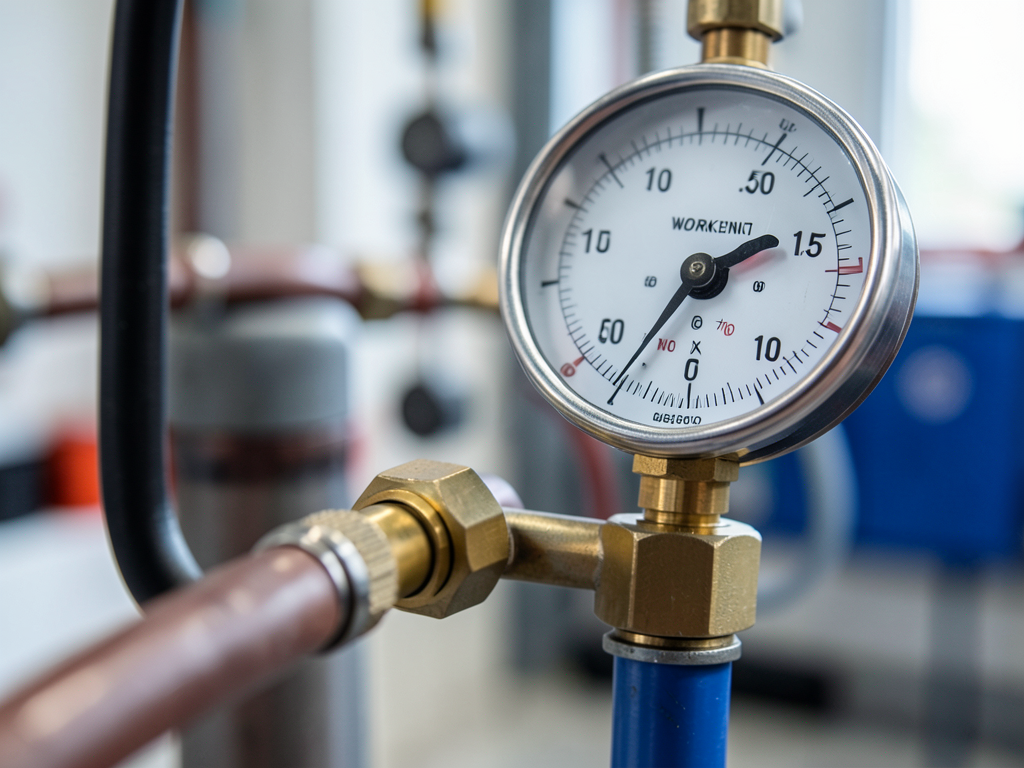
Indiana Fuel Gas Code requires pressure testing new gas lines at 1.5 times the working pressure for at least 15 minutes. For natural gas systems operating at 7 inches water column, this means testing at 10.5 inches water column. Any drop in pressure indicates a leak that must be repaired before proceeding. Benefits of Water Softeners.
Gas line materials matter for safety and longevity. Black iron pipe remains the gold standard for permanent installations. Flexible corrugated stainless steel tubing (CSST) offers easier routing through walls but requires proper bonding per manufacturer specifications. The Indiana Plumbing Code specifically addresses CSST installation requirements in Section 675.
Carbon monoxide detectors become critical when installing gas appliances. Indiana law requires CO alarms in homes with fuel-burning appliances. Install detectors within 10 feet of sleeping areas and near the gas appliance itself. Test batteries monthly and replace units every 5-7 years.
Common Gas Appliance Installation Services in Plainfield
Homeowners in Plainfield often need professional help with various gas appliances. Each type requires specific hookup procedures and safety considerations.
Gas Range and Stove Installation
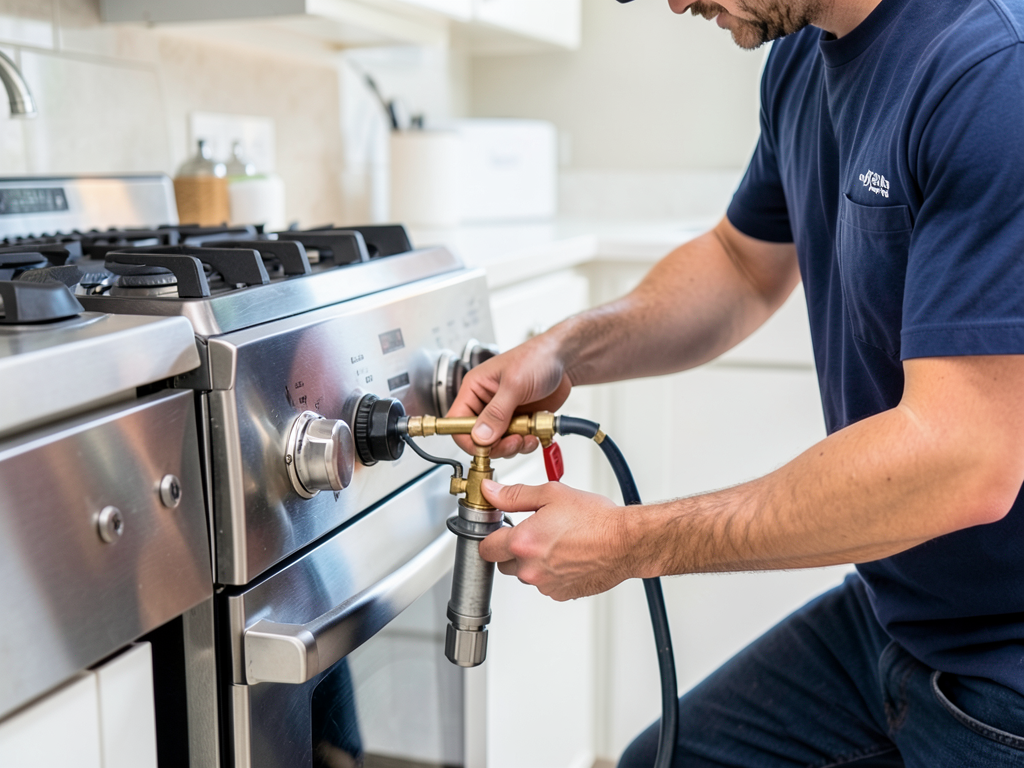
Gas ranges need proper gas supply lines sized for BTU requirements. Most residential ranges connect with 3/8-inch or 1/2-inch flexible connectors. The gas shut-off valve must be accessible and located within 6 feet of the appliance. Indiana code requires a sediment trap before the appliance connection to catch debris.
Installation includes checking burner ignition, testing for gas leaks with soap solution, and verifying proper flame patterns. The range must sit level to ensure even cooking and prevent grease pooling. Anti-tip brackets secure the appliance to prevent tipping accidents.
Gas Dryer Hookup and Venting
Gas dryers require both gas supply and proper exhaust venting. The gas line connects with a flexible connector to the dryer’s shut-off valve. Venting must use rigid metal duct at least 4 inches in diameter. Flexible plastic venting materials violate Indiana code due to fire hazards.
Vent runs should be as short as possible with minimal bends. Each 90-degree bend reduces airflow efficiency. Maximum vent length depends on duct diameter and number of bends. Proper termination outside prevents moisture buildup and lint accumulation inside walls.
Gas Water Heater Installation
Water heaters need dedicated gas lines sized for their BTU input rating. Most residential units require 3/4-inch supply lines. The temperature and pressure relief valve must drain to an open drain within 6 inches of the floor. Indiana code requires seismic strapping in certain areas.
Proper venting prevents carbon monoxide backdrafting. Natural draft heaters use Type B vents while power-vented models have specific termination requirements. Combustion air openings must meet code minimums based on heater BTU rating.
Outdoor Gas Line Installation
Plainfield homeowners often add outdoor kitchens, fire pits, or pool heaters. Underground gas lines require burial at least 18 inches deep in residential areas. Use direct-buried polyethylene (PE) pipe with tracer wire for location. Above-ground runs need protection from physical damage.
Outdoor appliances need weatherproof shut-off valves and proper drainage to prevent freeze damage. Install unions for easy disconnection during winterization. Consider future expansion when sizing the gas line to accommodate additional appliances.
Plainfield Gas Line Installation Process
Professional gas line installation follows specific steps to ensure safety and code compliance. Here’s what to expect during your installation project.
- Initial Assessment
Technician evaluates existing gas service, meter capacity, and appliance locations. They check for adequate ventilation and measure distances for gas line routing.
- Permit Acquisition
Hendricks County requires permits for new gas lines and appliance installations. The permit process ensures inspections verify code compliance.
- Gas Line Installation
Pipes get cut, threaded, and assembled according to code requirements. All joints get tested for leaks before covering or concealing.
- Appliance Connection
Flexible connectors attach to appliances with proper fittings. Sediment traps and shut-off valves install per code requirements.
- Pressure Testing
The complete system undergoes pressure testing at 1.5 times working pressure. Any leaks get repaired and retested.
- Final Inspection
Hendricks County inspector verifies installation meets all code requirements. Citizens Energy Group may need to inspect meter connections.
- Customer Walkthrough
Technician demonstrates appliance operation, shows shut-off valve locations, and reviews safety procedures with homeowners.
Safety Considerations for Gas Appliance Installation
Gas line work involves serious safety risks that require professional handling. Understanding these risks helps homeowners make informed decisions.
Natural gas leaks create explosion hazards. Even small leaks can accumulate in enclosed spaces. Professional plumbers use electronic leak detectors that find leaks as small as 1 cubic foot per hour. They also perform bubble tests on all connections.
Carbon monoxide poisoning represents another major risk. Gas appliances produce CO during combustion. Proper venting and adequate combustion air prevent dangerous CO buildup. Install CO detectors on every level of your home.
Gas line corrosion causes failures over time. Moisture, soil conditions, and chemical exposure accelerate corrosion. Use corrosion-resistant materials and proper coatings for underground installations. Inspect visible gas lines annually for rust or damage.
Gas line sizing affects appliance performance. Undersized lines cause poor burner performance and delayed ignition. Proper sizing calculations consider total BTU load, pipe length, and number of fittings. Use pipe sizing charts or software for accurate calculations.
Permitting and Code Requirements in Plainfield
Hendricks County enforces strict permitting requirements for gas work. Understanding these requirements prevents costly mistakes and ensures safe installations.
Indiana Fuel Gas Code adopts the 2018 International Fuel Gas Code with state amendments. Key requirements include pressure testing, material specifications, and venting standards. The code addresses both natural gas and propane installations.
Permit fees vary based on project scope. Simple appliance replacements may not require permits, but new gas lines always do. Permit processing typically takes 1-3 business days. Work cannot begin until permit approval.
Inspections verify code compliance. Rough inspections occur after gas line installation but before covering. Final inspections happen after appliance connection and pressure testing. Failed inspections require corrections and rescheduling.
Insurance companies may require permits for gas work. Unpermitted work can void coverage if problems occur. Keep permit documentation for future reference when selling your home.
Cost Factors for Gas Line Installation in Plainfield
Gas line installation costs vary based on several factors. Understanding these factors helps homeowners budget appropriately.
Pipe material affects costs significantly. Black iron pipe costs $3-8 per foot installed. CSST tubing runs $2-5 per foot but requires special fittings. Underground PE pipe costs $2-4 per foot plus tracer wire and fittings.
Installation complexity impacts labor costs. Running pipes through finished walls requires drywall repair and painting. Basement installations typically cost less than first-floor runs through living spaces. Apartment Complex Plumbing.
Permit and inspection fees add $50-300 to project costs. Complex installations with multiple inspections cost more. Some contractors include permit fees in their quotes while others charge separately.
Emergency installations cost more than scheduled work. Weekend or after-hours service calls typically charge premium rates. Plan installations during regular business hours when possible.
Choosing a Gas Line Installation Professional
Selecting the right contractor ensures safe, code-compliant installations. Here’s what to look for when hiring gas line professionals.
Verify licensing and insurance. Indiana requires plumbers to hold valid licenses. Ask for license numbers and verify through the Indiana Professional Licensing Agency. Insurance should include general liability and workers’ compensation.
Check experience with gas line work specifically. General plumbing experience differs from gas line expertise. Ask about years of gas installation experience and training certifications.
Request references from recent gas line projects. Contact past customers about their experiences. Ask about communication, cleanliness, and whether work passed inspections.
Get detailed written estimates. Quotes should specify materials, scope of work, and permit responsibilities. Compare multiple estimates but don’t automatically choose the lowest price.
Ask about warranties and guarantees. Quality contractors stand behind their work with written warranties. Understand what’s covered and for how long.
Maintenance and Troubleshooting Gas Appliances
Proper maintenance prevents gas appliance problems and extends equipment life. Here are essential maintenance tasks for Plainfield homeowners.
Clean burner ports annually to prevent uneven flames and delayed ignition. Use a soft brush and remove debris carefully. Never use sharp objects that could damage ports.
Check flexible connectors for cracks or corrosion every six months. Replace any damaged connectors immediately. Flexible connectors typically last 5-10 years depending on conditions.
Test gas shut-off valves annually to ensure they operate smoothly. Stuck valves become dangerous during emergencies. Apply penetrating oil if valves feel stiff.
Monitor appliance performance for changes. Yellow flames, unusual odors, or soot buildup indicate problems requiring professional attention. Don’t ignore warning signs.
Schedule professional inspections every two years. Technicians check for gas leaks, test safety controls, and verify proper operation. Early problem detection prevents costly repairs.
Frequently Asked Questions
Can I install a gas line myself in Plainfield?
Indiana law requires licensed plumbers for gas line installation. DIY gas work creates serious safety hazards and violates building codes. Insurance may not cover damage from unpermitted work.
How long does gas line installation take?
Simple appliance connections take 1-2 hours. New gas line installations typically require 4-8 hours depending on complexity. Underground runs may take multiple days including inspections.
What size gas line do I need for a new range?
Most residential ranges require 1/2-inch supply lines. The exact size depends on total BTU load and pipe length. A professional calculation ensures proper sizing.
Do I need permits for gas appliance installation?
Hendricks County requires permits for new gas lines and most appliance installations. Simple replacements may not need permits, but always check local requirements.
How much does gas line installation cost in Plainfield?
Costs range from $300-1,500 depending on project complexity. Simple connections cost less than new line installations. Get detailed estimates from licensed contractors.
Can I convert my electric dryer to gas?
Yes, but it requires both gas line installation and proper venting. The conversion must meet Indiana code requirements for both gas and exhaust systems.
What should I do if I smell gas?
Leave the area immediately. Don’t use phones, light switches, or anything that could create sparks. Call Citizens Energy Group’s emergency line from a safe location.
How often should gas appliances be serviced?
Professional service every two years ensures safe operation. Clean burner ports annually and check flexible connectors every six months for signs of wear.
Can I use flexible gas connectors for underground installations?
No. Underground installations require rigid or specifically rated underground piping. Flexible connectors are only for above-ground, accessible connections.
What’s the difference between natural gas and propane installations?
Natural gas operates at lower pressure and requires different orifice sizes. Propane needs higher pressure and different regulators. Appliances often need conversion kits for fuel type changes.
Ready to Install Your Gas Appliance in Plainfield?
Professional gas line installation ensures your family’s safety and protects your investment. Don’t risk dangerous DIY work or hiring unlicensed contractors. Our licensed plumbers understand Plainfield’s specific requirements and local building codes.
Call (317) 688-8848 today to schedule your gas line installation. We’ll assess your needs, handle all permits, and ensure your new appliance operates safely and efficiently. Don’t wait until problems arise – schedule your professional installation now.
Pick up the phone and call (317) 688-8848 before the next storm hits. Our team stands ready to help Plainfield homeowners with all their gas line needs.
{
“@context”: “https://schema.org”,
“@type”: “BlogPosting”,
“headline”: “Expert Gas Line Hookups for Your New Kitchen Range or Dryer in Plainfield”,
“description”: “Professional gas line installation in Plainfield for ranges, dryers, and appliances. Licensed plumbers ensure safe hookups per Indiana codes. Call (317) 688-8848 for service.”,
“wordCount”: 2032,
“datePublished”: “2026-04-16T13:26:00.000Z”,
“dateModified”: “2026-04-16T13:26:00.000Z”,
“inLanguage”: “en-US”,
“mainEntityOfPage”: {
“@type”: “WebPage”,
“@id”: “https://keystoneplumbingindianapolis.com”
},
“publisher”: {
“@type”: “LocalBusiness”,
“name”: “Keystone Plumbing Indianapolis”,
“url”: “https://keystoneplumbingindianapolis.com”
},
“author”: {
“@type”: “Organization”,
“name”: “Keystone Plumbing Indianapolis”,
“url”: “https://keystoneplumbingindianapolis.com”
},
“image”: {
“@type”: “ImageObject”,
“url”: “https://keystoneplumbingindianapolis.com/wp-content/uploads/2026/03/expert-gas-line-hookups-for-your-new-kitchen-range-1.png”
}
}
{
“@context”: “https://schema.org”,
“@type”: “Plumber”,
“name”: “Keystone Plumbing Indianapolis”,
“url”: “https://keystoneplumbingindianapolis.com”,
“address”: {
“@type”: “PostalAddress”,
“addressLocality”: “Indianapolis”
},
“areaServed”: {
“@type”: “City”,
“name”: “Indianapolis”
}
}
{
“@context”: “https://schema.org”,
“@type”: “FAQPage”,
“mainEntity”: [
{
“@type”: “Question”,
“name”: “Can I install a gas line myself in Plainfield?”,
“acceptedAnswer”: {
“@type”: “Answer”,
“text”: “Indiana law requires licensed plumbers for gas line installation. DIY gas work creates serious safety hazards and violates building codes. Insurance may not cover damage from unpermitted work.”
}
},
{
“@type”: “Question”,
“name”: “How long does gas line installation take?”,
“acceptedAnswer”: {
“@type”: “Answer”,
“text”: “Simple appliance connections take 1-2 hours. New gas line installations typically require 4-8 hours depending on complexity. Underground runs may take multiple days including inspections.”
}
},
{
“@type”: “Question”,
“name”: “What size gas line do I need for a new range?”,
“acceptedAnswer”: {
“@type”: “Answer”,
“text”: “Most residential ranges require 1/2-inch supply lines. The exact size depends on total BTU load and pipe length. A professional calculation ensures proper sizing.”
}
},
{
“@type”: “Question”,
“name”: “Do I need permits for gas appliance installation?”,
“acceptedAnswer”: {
“@type”: “Answer”,
“text”: “Hendricks County requires permits for new gas lines and most appliance installations. Simple replacements may not need permits, but always check local requirements.”
}
},
{
“@type”: “Question”,
“name”: “How much does gas line installation cost in Plainfield?”,
“acceptedAnswer”: {
“@type”: “Answer”,
“text”: “Costs range from $300-1,500 depending on project complexity. Simple connections cost less than new line installations. Get detailed estimates from licensed contractors.”
}
},
{
“@type”: “Question”,
“name”: “Can I convert my electric dryer to gas?”,
“acceptedAnswer”: {
“@type”: “Answer”,
“text”: “Yes, but it requires both gas line installation and proper venting. The conversion must meet Indiana code requirements for both gas and exhaust systems.”
}
},
{
“@type”: “Question”,
“name”: “What should I do if I smell gas?”,
“acceptedAnswer”: {
“@type”: “Answer”,
“text”: “Leave the area immediately. Don’t use phones, light switches, or anything that could create sparks. Call Citizens Energy Group’s emergency line from a safe location.”
}
},
{
“@type”: “Question”,
“name”: “How often should gas appliances be serviced?”,
“acceptedAnswer”: {
“@type”: “Answer”,
“text”: “Professional service every two years ensures safe operation. Clean burner ports annually and check flexible connectors every six months for signs of wear.”
}
},
{
“@type”: “Question”,
“name”: “Can I use flexible gas connectors for underground installations?”,
“acceptedAnswer”: {
“@type”: “Answer”,
“text”: “No. Underground installations require rigid or specifically rated underground piping. Flexible connectors are only for above-ground, accessible connections.”
}
},
{
“@type”: “Question”,
“name”: “What’s the difference between natural gas and propane installations?”,
“acceptedAnswer”: {
“@type”: “Answer”,
“text”: “Natural gas operates at lower pressure and requires different orifice sizes. Propane needs higher pressure and different regulators. Appliances often need conversion kits for fuel type changes.”
}
},
{
“@type”: “Question”,
“name”: “Ready to Install Your Gas Appliance in Plainfield?”,
“acceptedAnswer”: {
“@type”: “Answer”,
“text”: “Professional gas line installation ensures your family’s safety and protects your investment. Don’t risk dangerous DIY work or hiring unlicensed contractors. Our licensed plumbers understand Plainfield’s specific requirements and local building codes.”
}
}
]
}
{
“@context”: “https://schema.org”,
“@type”: “HowTo”,
“name”: “Gas Line Installation Process”,
“step”: [
{
“@type”: “HowToStep”,
“position”: 1,
“name”: “Initial Assessment”,
“text”: “Technician evaluates existing gas service, meter capacity, and appliance locations. They check for adequate ventilation and measure distances for gas line routing.”
},
{
“@type”: “HowToStep”,
“position”: 2,
“name”: “Permit Acquisition”,
“text”: “Hendricks County requires permits for new gas lines and appliance installations. The permit process ensures inspections verify code compliance.”
},
{
“@type”: “HowToStep”,
“position”: 3,
“name”: “Gas Line Installation”,
“text”: “Pipes get cut, threaded, and assembled according to code requirements. All joints get tested for leaks before covering or concealing.”
},
{
“@type”: “HowToStep”,
“position”: 4,
“name”: “Appliance Connection”,
“text”: “Flexible connectors attach to appliances with proper fittings. Sediment traps and shut-off valves install per code requirements.”
},
{
“@type”: “HowToStep”,
“position”: 5,
“name”: “Pressure Testing”,
“text”: “The complete system undergoes pressure testing at 1.5 times working pressure. Any leaks get repaired and retested.”
},
{
“@type”: “HowToStep”,
“position”: 6,
“name”: “Final Inspection”,
“text”: “Hendricks County inspector verifies installation meets all code requirements. Citizens Energy Group may need to inspect meter connections.”
},
{
“@type”: “HowToStep”,
“position”: 7,
“name”: “Customer Walkthrough”,
“text”: “Technician demonstrates appliance operation, shows shut-off valve locations, and reviews safety procedures with homeowners.”
}
],
“image”: “https://keystoneplumbingindianapolis.com/wp-content/uploads/2026/03/expert-gas-line-hookups-for-your-new-kitchen-range-1.png”
}
{
“@context”: “https://schema.org”,
“@type”: “BreadcrumbList”,
“itemListElement”: [
{
“@type”: “ListItem”,
“position”: 1,
“name”: “Home”,
“item”: “https://keystoneplumbingindianapolis.com”
},
{
“@type”: “ListItem”,
“position”: 2,
“name”: “Blog”,
“item”: “https://keystoneplumbingindianapolis.com/blog”
},
{
“@type”: “ListItem”,
“position”: 3,
“name”: “Expert Gas Line Hookups for Your New Kitchen Range or Dryer in Plainfield”
}
]
}
{
“@context”: “https://schema.org”,
“@type”: “Service”,
“serviceType”: “Plumbing”,
“provider”: {
“@type”: “LocalBusiness”,
“name”: “Keystone Plumbing Indianapolis”,
“url”: “https://keystoneplumbingindianapolis.com”
},
“areaServed”: {
“@type”: “City”,
“name”: “Indianapolis”
},
“description”: “Professional gas line installation in Plainfield for ranges, dryers, and appliances. Licensed plumbers ensure safe hookups per Indiana codes. Call (317) 688-8848 for service.”
}