
How a Hot Water Recirculating Pump Can Give You Instant Heat in Your Traders Point Home
Waiting for hot water to reach your faucet wastes time and gallons of water every day. In a spacious Traders Point estate where the water heater sits far from bathrooms, that delay can stretch to several minutes. A hot water recirculating pump eliminates this frustration by keeping hot water moving through your pipes so it arrives instantly when you turn on the tap. Benefits of Water Softeners.
This technology isn’t just about convenience. In a city where Citizens Energy Group charges by the gallon and Indiana’s hard water can strain your plumbing system, a recirculating pump offers real savings. You’ll stop running the tap while waiting for hot water, conserve thousands of gallons annually, and reduce wear on your water heater from frequent cycling. Citizens Energy Group.
How Hot Water Recirculating Systems Work
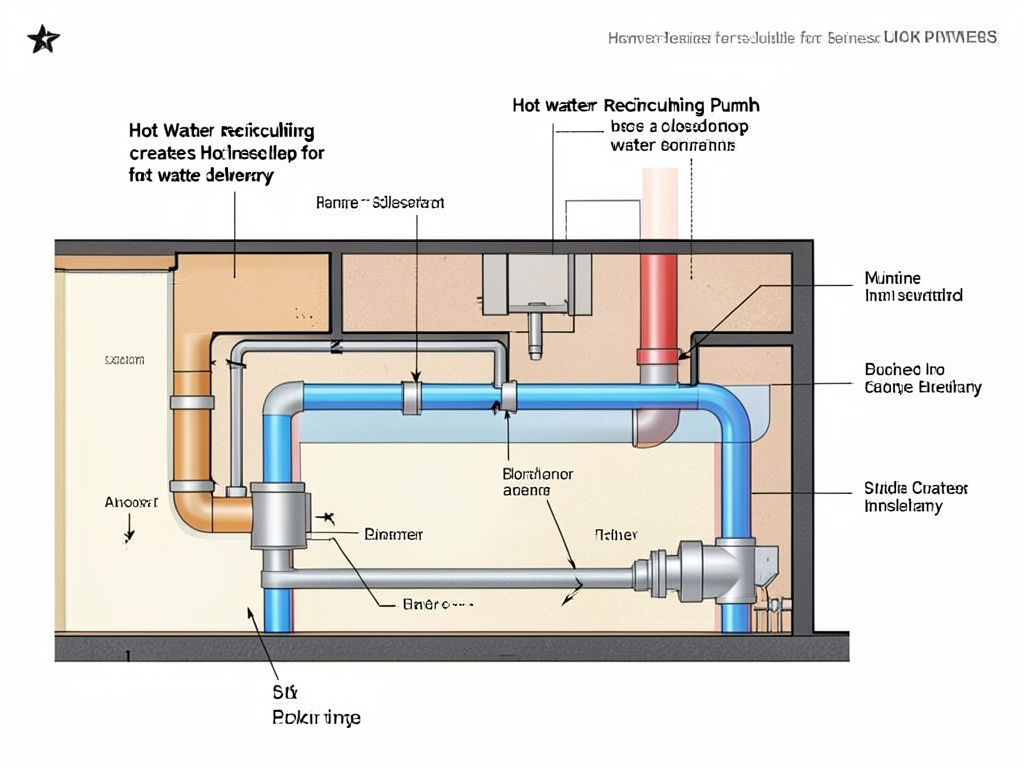
A recirculating pump creates a closed loop that continuously moves hot water from your water heater to your fixtures and back. The system uses either a dedicated return line or the cold water line as a return path. When the water in the hot line cools below a set temperature, the pump activates and pushes that cooled water back to the heater while sending fresh hot water to your fixtures.. Read more about Why Your Noblesville Water Smells Like Rotten Eggs and How to Fix It.
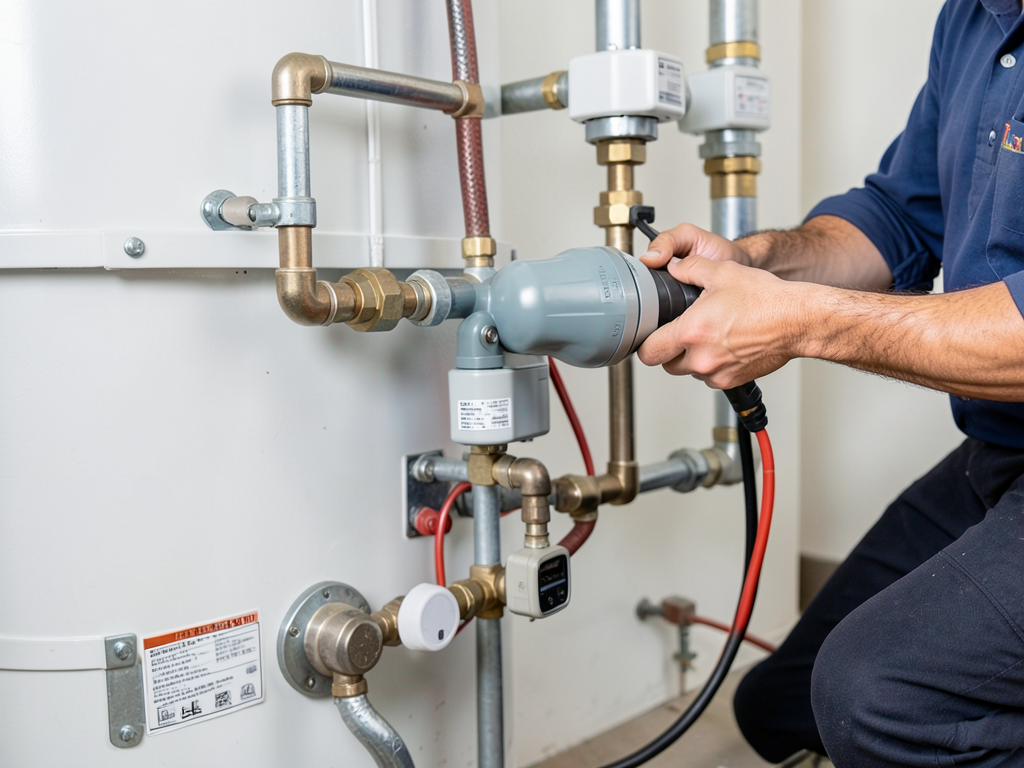
The key components include the pump itself, typically installed near the water heater, a check valve to prevent backflow, and a temperature sensor or timer that controls when the pump runs. Some advanced systems use thermostatic controls that only activate when you’re likely to need hot water, such as during morning bathroom routines.
Types of Hot Water Recirculating Systems
Understanding your options helps you choose the right system for your Traders Point home’s layout and plumbing configuration. The two main categories are whole-house systems and under-sink units.
Whole-house systems mount directly to your water heater and create a dedicated hot water loop throughout your home. These systems work best in larger homes where multiple fixtures would benefit from instant hot water. They require either a dedicated return line or use the cold water line as a return path, which is common in retrofits.
Under-sink systems install at the fixture farthest from your water heater. These compact units have a built-in pump and sensor valve that monitor water temperature at that specific location. When the water cools, the pump activates and pushes cooled water back through the cold line to the heater. This approach works well for single-fixture applications or homes without dedicated return lines.
Installation Considerations for Indianapolis Homes
Traders Point homes often feature sprawling single-story designs or multi-level estates where the distance from water heater to fixtures creates significant wait times. The Indiana climate adds another layer of complexity. Our deep winter freezes can cause pipes to contract, potentially affecting pump performance and seal integrity. Apartment Complex Plumbing.
Indianapolis’s extremely hard water, with mineral content often exceeding 20 grains per gallon, creates special considerations for recirculating pumps. Mineral scale can build up on pump impellers and valves, reducing efficiency over time. Professional installation includes selecting corrosion-resistant materials and may recommend periodic descaling maintenance. Reliable Sump Pump Installation in Fishers to Keep Your Basement Dry.
Local building codes, specifically the Marion County plumbing regulations, require proper cross-connection prevention devices when using cold water lines as return paths. This prevents contamination of your potable water supply. A licensed plumber ensures your installation meets these requirements and maintains your home’s water quality.
Energy Efficiency and Operating Costs
Modern recirculating pumps use remarkably little electricity. Most residential units consume between 25 to 45 watts when running, comparable to a small LED light bulb. Since the pump only operates when needed, total daily energy consumption remains minimal.
The real energy consideration involves heat loss from the hot water pipes. Keeping water hot in the lines does require your water heater to work slightly harder. However, this increased energy use is typically offset by the water you save from not running the tap and the reduced strain on your water heater from fewer cold water draws.
Many systems include programmable timers that run the pump only during peak usage hours, such as morning and evening. Some advanced models connect to your home’s Wi-Fi and learn your usage patterns, optimizing operation for maximum efficiency.
Benefits Beyond Instant Hot Water
The convenience of instant hot water transforms daily routines. Showers heat up immediately, kitchen tasks proceed without delay, and you eliminate the frustration of waiting for hot water to arrive. But the benefits extend further.
Water conservation becomes significant in a home where multiple people use hot water throughout the day. A family of four can waste over 15,000 gallons annually waiting for hot water to arrive. That’s water you pay for twice – once to heat it and again on your sewer bill based on water usage. Trenchless Sewer Line Replacement in Greenwood without Digging Up Your Yard.
Your water heater also benefits from reduced cycling. Instead of heating cold water for every use, it maintains a steady temperature in the loop. This can extend your water heater’s lifespan and reduce maintenance needs. For tankless water heater owners, recirculating systems solve the common problem of delayed hot water delivery.
Professional Installation Process
Installing a hot water recirculating pump requires plumbing expertise and knowledge of local codes. The process begins with evaluating your home’s layout, existing plumbing configuration, and hot water usage patterns.
For whole-house systems, the plumber mounts the pump to your water heater’s hot water outlet. They install a check valve and temperature sensor, then create the return path either through a dedicated line or by using the cold water system with a crossover valve. The installation typically takes 2-4 hours for experienced technicians.
Under-sink installations prove simpler but require careful placement at the correct fixture. The plumber installs the pump assembly under the sink, connects it to both hot and cold water lines, and mounts the control unit. These installations usually complete in about an hour.
Professional installation ensures proper sizing for your home’s needs. An undersized pump won’t provide adequate flow, while an oversized unit wastes energy. Licensed plumbers also verify that all connections meet Marion County code requirements and that your system won’t create cross-contamination risks.
Cost Considerations and Return on Investment
System costs vary based on the type of pump, your home’s plumbing configuration, and whether you need new piping. Basic under-sink units start around $200 for the hardware, while whole-house systems with dedicated return lines can cost $500 to $800 for equipment alone.
Professional installation adds $300 to $600 to the total cost, depending on complexity. Homes requiring new piping or electrical modifications may see higher installation costs. However, the investment often pays for itself within 2-3 years through water savings alone.
Consider the water you currently waste. At Indianapolis water rates of approximately $9 per 1,000 gallons, saving 15,000 gallons annually saves about $135. Add the convenience value and potential water heater longevity improvements, and the system becomes increasingly attractive.
Maintenance and Troubleshooting
Hot water recirculating systems require minimal maintenance but benefit from periodic attention. Every six months, check the pump for unusual noises that might indicate bearing wear or debris in the impeller. Clean the pump housing and verify that all connections remain tight.
In Indianapolis’s hard water conditions, annual descaling helps maintain pump efficiency. This involves shutting off the system, draining the pump, and running a descaling solution through the unit. Many homeowners schedule this maintenance during their annual water heater service.
Common issues include air in the lines causing noisy operation, temperature sensors failing to activate the pump, or check valves sticking. Most problems resolve with simple troubleshooting like bleeding air from the system or cleaning the sensor. However, if you notice significant performance drops, professional diagnosis prevents further damage.
Choosing the Right System for Your Traders Point Home
Your home’s size, layout, and plumbing configuration determine the best recirculating system type. Large, sprawling Traders Point estates often benefit most from whole-house systems with dedicated return lines. These provide consistent performance throughout the home and eliminate wait times at every fixture.
For smaller homes or those with the water heater located relatively close to most fixtures, under-sink systems offer a cost-effective solution. They’re also ideal for adding instant hot water to a single bathroom or kitchen without modifying the entire plumbing system.
Consider your hot water usage patterns. Homes with multiple morning showers or frequent kitchen use gain the most benefit from continuous recirculation. If your household uses hot water sporadically throughout the day, a timer-controlled system prevents unnecessary operation.
Energy efficiency ratings matter too. Look for Energy Star certified pumps that meet strict efficiency guidelines. Some newer models include variable-speed motors that adjust flow based on demand, further reducing energy consumption.
Frequently Asked Questions
How much electricity does a recirculating pump use?
Most residential pumps use 25-45 watts when running. Since they operate intermittently based on temperature or timer settings, total daily consumption is minimal – typically less than running a standard light bulb for an hour.
Will a recirculating pump make my cold water warm?
Quality systems include check valves that prevent hot water from entering cold lines. Under-sink systems that use the cold line as a return path may cause slight warming of the cold line closest to the pump, but this rarely affects water temperature at the tap.
How long does installation take?
Most installations complete in 1-4 hours depending on system type and your home’s configuration. Whole-house systems typically take longer than under-sink units.
Can I install a recirculating pump myself?
While DIY installation is possible, professional installation ensures proper sizing, code compliance, and optimal performance. Licensed plumbers also provide warranties on their work and can address any issues that arise during installation.
Will this work with my tankless water heater?
Yes, recirculating systems work with tankless water heaters, though they require specific pump models designed for tankless applications. These systems activate the tankless unit when the pump runs, ensuring hot water availability.
Ready for Instant Hot Water in Your Traders Point Home?
The convenience of instant hot water transforms how you experience your home. No more waiting for showers to heat up, no more wasted water running down the drain, and no more frustration during busy morning routines. In a Traders Point estate where every minute counts, this simple upgrade delivers immediate benefits.
Professional installation ensures your system operates efficiently, meets local code requirements, and provides reliable performance for years to come. Our experienced plumbers understand the unique challenges of Indianapolis homes, from hard water scaling to proper cross-connection prevention.
Don’t wait another day for hot water to reach your faucet. Call (317) 688-8848 today to schedule your free consultation and learn which recirculating system best fits your home’s needs. Our team will evaluate your plumbing layout, discuss your options, and provide clear pricing with no hidden fees.
Pick up the phone and call (317) 688-8848 now. Instant hot water is just a phone call away, and your family will thank you every morning when they step into a shower that’s already hot. For more information, visit EPA WaterSense program.
{
“@context”: “https://schema.org”,
“@type”: “BlogPosting”,
“headline”: “How a Hot Water Recirculating Pump Can Give You Instant Heat in Your Traders Point Home”,
“description”: “Get instant hot water in your Traders Point home with a recirculating pump. Learn how it works, installation costs, and why it’s perfect for large Indianapolis estates.”,
“wordCount”: 1865,
“datePublished”: “2026-04-04T06:15:00.000Z”,
“dateModified”: “2026-04-04T06:15:00.000Z”,
“inLanguage”: “en-US”,
“mainEntityOfPage”: {
“@type”: “WebPage”,
“@id”: “https://keystoneplumbingindianapolis.com”
},
“publisher”: {
“@type”: “LocalBusiness”,
“name”: “Keystone Plumbing Indianapolis”,
“url”: “https://keystoneplumbingindianapolis.com”
},
“author”: {
“@type”: “Organization”,
“name”: “Keystone Plumbing Indianapolis”,
“url”: “https://keystoneplumbingindianapolis.com”
},
“image”: {
“@type”: “ImageObject”,
“url”: “https://keystoneplumbingindianapolis.com/wp-content/uploads/2026/03/how-a-hot-water-recirculating-pump-can-give-you-in-1.png”
}
}
{
“@context”: “https://schema.org”,
“@type”: “Plumber”,
“name”: “Keystone Plumbing Indianapolis”,
“url”: “https://keystoneplumbingindianapolis.com”,
“address”: {
“@type”: “PostalAddress”,
“addressLocality”: “Indianapolis”
},
“areaServed”: {
“@type”: “City”,
“name”: “Indianapolis”
}
}
{
“@context”: “https://schema.org”,
“@type”: “FAQPage”,
“mainEntity”: [
{
“@type”: “Question”,
“name”: “How much electricity does a recirculating pump use?”,
“acceptedAnswer”: {
“@type”: “Answer”,
“text”: “Most residential pumps use 25-45 watts when running. Since they operate intermittently based on temperature or timer settings, total daily consumption is minimal – typically less than running a standard light bulb for an hour.”
}
},
{
“@type”: “Question”,
“name”: “Will a recirculating pump make my cold water warm?”,
“acceptedAnswer”: {
“@type”: “Answer”,
“text”: “Quality systems include check valves that prevent hot water from entering cold lines. Under-sink systems that use the cold line as a return path may cause slight warming of the cold line closest to the pump, but this rarely affects water temperature at the tap.”
}
},
{
“@type”: “Question”,
“name”: “How long does installation take?”,
“acceptedAnswer”: {
“@type”: “Answer”,
“text”: “Most installations complete in 1-4 hours depending on system type and your home’s configuration. Whole-house systems typically take longer than under-sink units.”
}
},
{
“@type”: “Question”,
“name”: “Can I install a recirculating pump myself?”,
“acceptedAnswer”: {
“@type”: “Answer”,
“text”: “While DIY installation is possible, professional installation ensures proper sizing, code compliance, and optimal performance. Licensed plumbers also provide warranties on their work and can address any issues that arise during installation.”
}
},
{
“@type”: “Question”,
“name”: “Will this work with my tankless water heater?”,
“acceptedAnswer”: {
“@type”: “Answer”,
“text”: “Yes, recirculating systems work with tankless water heaters, though they require specific pump models designed for tankless applications. These systems activate the tankless unit when the pump runs, ensuring hot water availability.”
}
},
{
“@type”: “Question”,
“name”: “Ready for Instant Hot Water in Your Traders Point Home?”,
“acceptedAnswer”: {
“@type”: “Answer”,
“text”: “The convenience of instant hot water transforms how you experience your home. No more waiting for showers to heat up, no more wasted water running down the drain, and no more frustration during busy morning routines. In a Traders Point estate where every minute counts, this simple upgrade delivers immediate benefits.”
}
}
]
}
{
“@context”: “https://schema.org”,
“@type”: “BreadcrumbList”,
“itemListElement”: [
{
“@type”: “ListItem”,
“position”: 1,
“name”: “Home”,
“item”: “https://keystoneplumbingindianapolis.com”
},
{
“@type”: “ListItem”,
“position”: 2,
“name”: “Blog”,
“item”: “https://keystoneplumbingindianapolis.com/blog”
},
{
“@type”: “ListItem”,
“position”: 3,
“name”: “How a Hot Water Recirculating Pump Can Give You Instant Heat in Your Traders Point Home”
}
]
}
{
“@context”: “https://schema.org”,
“@type”: “Service”,
“serviceType”: “Plumbing”,
“provider”: {
“@type”: “LocalBusiness”,
“name”: “Keystone Plumbing Indianapolis”,
“url”: “https://keystoneplumbingindianapolis.com”
},
“areaServed”: {
“@type”: “City”,
“name”: “Indianapolis”
},
“description”: “Get instant hot water in your Traders Point home with a recirculating pump. Learn how it works, installation costs, and why it’s perfect for large Indianapolis estates.”
}