
How to Protect Your Outdoor Sprinkler System from Freezing in Zionsville
When nighttime temperatures in Zionsville dip below freezing, the water trapped inside your sprinkler pipes can expand and crack PVC lines or burst polyethylene tubing. This single freeze event can cost hundreds or even thousands of dollars in repairs. The good news is that with the right timing and method, you can prevent most freeze damage before it happens. Benefits of Water Softeners.
Why Zionsville’s Winters are Brutal on Irrigation Systems
Central Indiana’s freeze-thaw cycles create a perfect storm for pipe damage. Zionsville sits in USDA Hardiness Zone 6a, where the frost line can extend 30 to 36 inches deep into the soil. Clay-heavy soils common in Boone County hold moisture against pipes, increasing freeze risk. When daytime thaws are followed by overnight freezes, any remaining water in the system expands against pipe walls, causing hairline cracks that leak all spring. Indiana Department of Environmental Management water protection guidelines.
When to Winterize Your Sprinklers in Zionsville
Indianapolis-area homeowners should plan to winterize sprinkler systems between mid-October and early November. Historical data from the National Weather Service shows the first hard freeze in Zionsville typically arrives between October 15 and October 25. Waiting until after the first freeze risks damage, but winterizing too early can leave your lawn without water during an unseasonably warm fall. National Weather Service Indianapolis climate data.
3 Methods for Preventing Frozen Pipes
Manual Drain Method
This approach works only if your system has manual drain valves at the lowest points. Shut off the main water supply, open all drain valves, and let gravity empty the pipes. The drawback is that manual draining often leaves pockets of water in low spots or dips, which can still freeze. Wet Spots in Yard.
Automatic Drain Method
Automatic drain valves open when pressure drops, releasing water when you shut off the system. While convenient, these valves can fail or clog, and they still may not clear every section of pipe. This method is best for systems with proper slope and clean, unobstructed lines.
The Compressed Air ‘Blowout’ Method (Recommended)
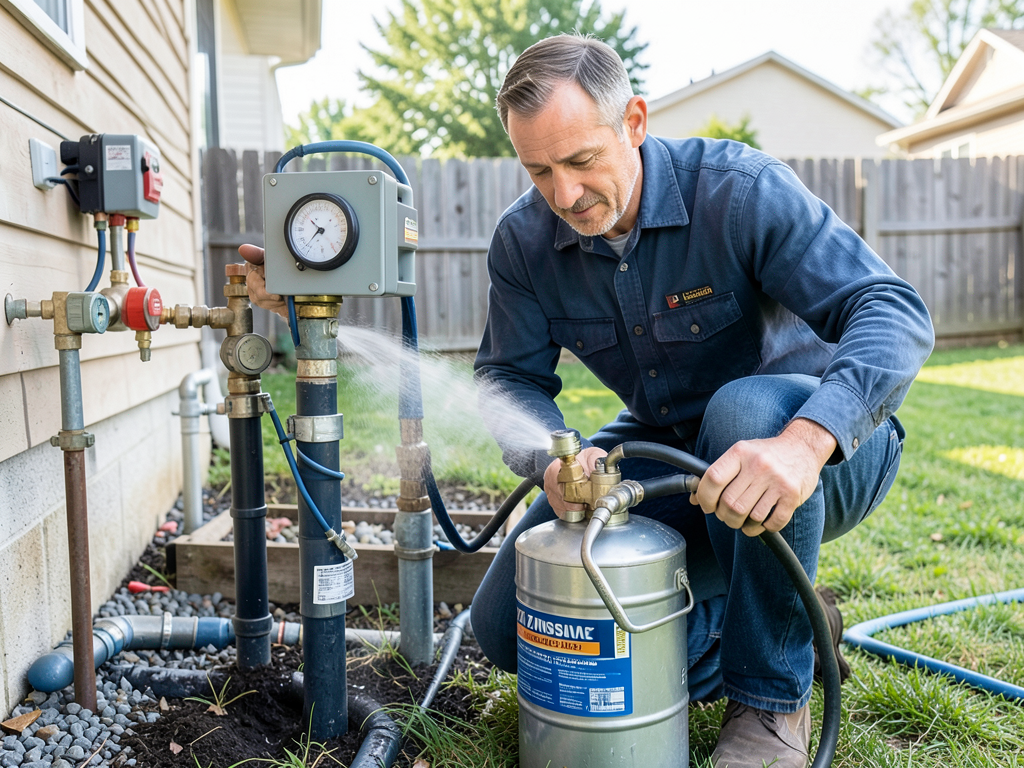
The blowout method uses an air compressor to force all water out of pipes, valves, and sprinkler heads. This is the only method that guarantees complete water removal. A professional-grade compressor delivers 50 to 80 cubic feet per minute at 40 to 80 PSI, depending on your pipe material. Using too much pressure can crack fittings, while too little leaves water behind.
Step-by-Step: DIY Sprinkler Winterization
- Locate and Shut Off the Main Valve
Find the main shut-off valve, usually in a basement, crawl space, or utility closet near the water meter. Turn the valve clockwise until fully closed.
- Open the System Drain
If your system has a drain cap or valve, open it to release pressure. Place a bucket underneath to catch water.
- Prepare the Backflow Preventer
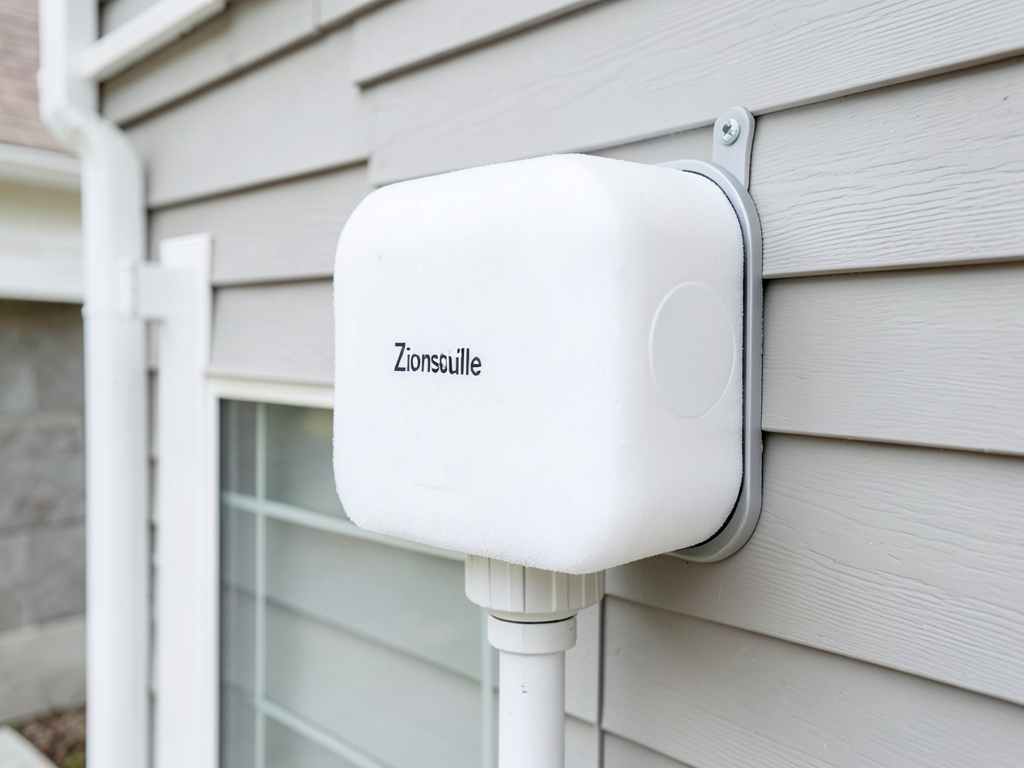
Insulate the backflow preventer with foam pipe insulation or a specialized cover. This device is expensive and vulnerable to freeze cracks.
- Connect the Air Compressor
Attach the compressor to the blowout port, usually near the backflow preventer. Set pressure to 40 PSI for PVC or 25 PSI for polyethylene.
- Blow Out Each Zone
Activate each zone from the controller and run compressed air until only a fine mist exits the heads. Repeat for all zones.
- Seal and Insulate
Close all drain valves, replace caps, and double-check insulation on exposed pipes and the backflow preventer.
The Risks of DIY vs. Professional Winterization
DIY winterization can save money, but it carries real risks. Home air compressors typically deliver only 2 to 5 CFM, far below the volume needed to clear pipes completely. Even if you hear air coming out of heads, residual water can remain in elbows, valves, or dips. That leftover water expands during the first hard freeze, cracking pipes you thought were safe.
Professionals use commercial compressors with precise pressure controls and know how to sequence zones for complete drainage. They also inspect valves and the backflow preventer for wear, replacing parts before spring startup. The cost of a professional blowout—typically $75 to $150 in Zionsville—pales next to the $500 to $2,000 repair bill for burst pipes.
Emergency Steps: What to Do if Your Pipes Already Froze
If you suspect frozen pipes, shut off the main water supply immediately to prevent flooding if a pipe bursts. Look for bulging or frost-covered sections. Apply gentle heat using a hair dryer or heating pad—never an open flame. If you find a leak or crack, call a plumber right away. Turn off electricity to the affected area if water is near outlets or appliances.
Comparing Sprinkler Winterization Methods
| Method | Effectiveness | Cost | Risk Level | |
|---|---|---|---|---|
| Manual Drain | Low | $0 | High | |
| Automatic Drain | Medium | $0 | Medium | |
| Compressed Air Blowout | High | $75-$150 | Low |
Local Building Code and Safety Notes
Indiana Code 22-13-2-8 requires that all irrigation backflow preventers be protected from freezing to prevent contamination of the public water supply. The Indiana Department of Environmental Management recommends insulating or removing these devices during winter months. Zionsville’s municipal code also mandates that all exposed outdoor plumbing be protected from frost to prevent water main breaks and property damage.
Golden Nuggets for Zionsville Homeowners
Did you know that Boone County’s clay soil holds moisture against pipes, increasing freeze risk compared to sandy soils? Or that Zionsville’s frost line depth of 30 to 36 inches means pipes buried less than three feet are vulnerable even in mild winters? Finally, the average first freeze date of October 15 to 25 means waiting until November is already cutting it close.
Protect Your System Before the Next Freeze
Call (317) 688-8848 today to schedule your professional sprinkler winterization. Our technicians use commercial-grade compressors and follow all local codes to ensure your system is safe from freeze damage. Don’t wait until the first hard freeze—book your service now and avoid costly repairs this spring.
Frequently Asked Questions
How deep should sprinkler pipes be buried in Zionsville?
Local codes recommend burying pipes at least 12 inches deep, but the frost line can extend to 30-36 inches in harsh winters. Pipes shallower than 18 inches are at high risk of freeze damage.
Can I use my home air compressor for winterization?
Home compressors usually deliver only 2-5 CFM, far below the 50-80 CFM needed for complete drainage. Using one risks leaving water in pipes that can still freeze and burst.
What PSI should I use to blow out my system?
Set pressure to 40 PSI for PVC pipes or 25 PSI for polyethylene. Exceeding these limits can crack fittings or valves.
How much does professional winterization cost in Zionsville?
Professional blowout services typically range from $75 to $150, depending on system size and complexity. This is far less than the $500 to $2,000 cost of repairing burst pipes. Detecting and Repairing Slab Leaks in Indianapolis Before They Damage Your Foundation.
What if I miss the winterization window?
If temperatures have already dropped, shut off the main valve immediately and call a plumber. Running the system can cause pressurized water to burst frozen pipes, leading to flooding.
{
“@context”: “https://schema.org”,
“@type”: “BlogPosting”,
“headline”: “How to Protect Your Outdoor Sprinkler System from Freezing in Zionsville”,
“description”: “Protect your Zionsville sprinkler system from Indiana’s harsh freezes. Learn local timing, DIY steps, and why professional winterization prevents costly pipe bursts.”,
“wordCount”: 1182,
“datePublished”: “2026-06-10T14:42:00.000Z”,
“dateModified”: “2026-06-10T14:42:00.000Z”,
“inLanguage”: “en-US”,
“mainEntityOfPage”: {
“@type”: “WebPage”,
“@id”: “https://keystoneplumbingindianapolis.com”
},
“publisher”: {
“@type”: “LocalBusiness”,
“name”: “Keystone Plumbing Indianapolis”,
“url”: “https://keystoneplumbingindianapolis.com”
},
“author”: {
“@type”: “Organization”,
“name”: “Keystone Plumbing Indianapolis”,
“url”: “https://keystoneplumbingindianapolis.com”
},
“image”: {
“@type”: “ImageObject”,
“url”: “https://keystoneplumbingindianapolis.com/wp-content/uploads/2026/03/how-to-protect-your-outdoor-sprinkler-system-from-1.png”
}
}
{
“@context”: “https://schema.org”,
“@type”: “Plumber”,
“name”: “Keystone Plumbing Indianapolis”,
“url”: “https://keystoneplumbingindianapolis.com”,
“address”: {
“@type”: “PostalAddress”,
“addressLocality”: “Indianapolis”
},
“areaServed”: {
“@type”: “City”,
“name”: “Indianapolis”
}
}
{
“@context”: “https://schema.org”,
“@type”: “FAQPage”,
“mainEntity”: [
{
“@type”: “Question”,
“name”: “How deep should sprinkler pipes be buried in Zionsville?”,
“acceptedAnswer”: {
“@type”: “Answer”,
“text”: “Local codes recommend burying pipes at least 12 inches deep, but the frost line can extend to 30-36 inches in harsh winters. Pipes shallower than 18 inches are at high risk of freeze damage.”
}
},
{
“@type”: “Question”,
“name”: “Can I use my home air compressor for winterization?”,
“acceptedAnswer”: {
“@type”: “Answer”,
“text”: “Home compressors usually deliver only 2-5 CFM, far below the 50-80 CFM needed for complete drainage. Using one risks leaving water in pipes that can still freeze and burst.”
}
},
{
“@type”: “Question”,
“name”: “What PSI should I use to blow out my system?”,
“acceptedAnswer”: {
“@type”: “Answer”,
“text”: “Set pressure to 40 PSI for PVC pipes or 25 PSI for polyethylene. Exceeding these limits can crack fittings or valves.”
}
},
{
“@type”: “Question”,
“name”: “How much does professional winterization cost in Zionsville?”,
“acceptedAnswer”: {
“@type”: “Answer”,
“text”: “Professional blowout services typically range from $75 to $150, depending on system size and complexity. This is far less than the $500 to $2,000 cost of repairing burst pipes. Detecting and Repairing Slab Leaks in Indianapolis Before They Damage Your Foundation.”
}
},
{
“@type”: “Question”,
“name”: “What if I miss the winterization window?”,
“acceptedAnswer”: {
“@type”: “Answer”,
“text”: “If temperatures have already dropped, shut off the main valve immediately and call a plumber. Running the system can cause pressurized water to burst frozen pipes, leading to flooding.”
}
}
]
}
{
“@context”: “https://schema.org”,
“@type”: “HowTo”,
“name”: “How to Winterize Your Sprinkler System”,
“step”: [
{
“@type”: “HowToStep”,
“position”: 1,
“name”: “Locate and Shut Off the Main Valve”,
“text”: “Find the main shut-off valve, usually in a basement, crawl space, or utility closet near the water meter. Turn the valve clockwise until fully closed.”
},
{
“@type”: “HowToStep”,
“position”: 2,
“name”: “Open the System Drain”,
“text”: “If your system has a drain cap or valve, open it to release pressure. Place a bucket underneath to catch water.”
},
{
“@type”: “HowToStep”,
“position”: 3,
“name”: “Prepare the Backflow Preventer”,
“text”: “Insulate the backflow preventer with foam pipe insulation or a specialized cover. This device is expensive and vulnerable to freeze cracks.”
},
{
“@type”: “HowToStep”,
“position”: 4,
“name”: “Connect the Air Compressor”,
“text”: “Attach the compressor to the blowout port, usually near the backflow preventer. Set pressure to 40 PSI for PVC or 25 PSI for polyethylene.”
},
{
“@type”: “HowToStep”,
“position”: 5,
“name”: “Blow Out Each Zone”,
“text”: “Activate each zone from the controller and run compressed air until only a fine mist exits the heads. Repeat for all zones.”
},
{
“@type”: “HowToStep”,
“position”: 6,
“name”: “Seal and Insulate”,
“text”: “Close all drain valves, replace caps, and double-check insulation on exposed pipes and the backflow preventer.”
}
],
“image”: “https://keystoneplumbingindianapolis.com/wp-content/uploads/2026/03/how-to-protect-your-outdoor-sprinkler-system-from-1.png”
}
{
“@context”: “https://schema.org”,
“@type”: “BreadcrumbList”,
“itemListElement”: [
{
“@type”: “ListItem”,
“position”: 1,
“name”: “Home”,
“item”: “https://keystoneplumbingindianapolis.com”
},
{
“@type”: “ListItem”,
“position”: 2,
“name”: “Blog”,
“item”: “https://keystoneplumbingindianapolis.com/blog”
},
{
“@type”: “ListItem”,
“position”: 3,
“name”: “How to Protect Your Outdoor Sprinkler System from Freezing in Zionsville”
}
]
}
{
“@context”: “https://schema.org”,
“@type”: “Service”,
“serviceType”: “Plumbing”,
“provider”: {
“@type”: “LocalBusiness”,
“name”: “Keystone Plumbing Indianapolis”,
“url”: “https://keystoneplumbingindianapolis.com”
},
“areaServed”: {
“@type”: “City”,
“name”: “Indianapolis”
},
“description”: “Protect your Zionsville sprinkler system from Indiana’s harsh freezes. Learn local timing, DIY steps, and why professional winterization prevents costly pipe bursts.”
}