
Does your toilet tank drip water onto your bathroom floor during Indianapolis summers? You are not alone. The high humidity in Central Indiana creates perfect conditions for condensation on cold porcelain. When warm moist air hits the cold tank surface water droplets form and drip down causing damage and frustration. Benefits of Water Softeners.
The physics are simple. Your toilet tank holds cold water often around 50-60°F. In July and August Indianapolis humidity levels regularly exceed 70% and bathroom air temperatures can reach 80-85°F. This temperature difference causes moisture in the air to condense on the cold tank surface just like a cold drink sweats on a hot day. Left untreated this moisture leads to warped flooring mold growth and even subfloor rot.. Read more about Why a Pressure Assisted Toilet Might Be the Solution for Your Clog-Prone Bathroom in Broad Ripple.
The good news is you can stop toilet tank sweating with several proven methods. Some fixes cost under $20 while others require professional installation. This guide covers everything from simple DIY solutions to permanent anti-sweat valve installations. We will also show you when it is time to call a licensed Indianapolis plumber before the damage spreads. Reliable Sump Pump Installation in Fishers to Keep Your Basement Dry.
Why Indianapolis Summers Make Your Toilet Tank Sweat
Indianapolis sits in a humid continental climate zone. Summer humidity regularly reaches 75-85% especially after afternoon thunderstorms roll through. The National Weather Service reports July as our most humid month with average afternoon relative humidity around 78%. National Weather Service Indianapolis.
Your toilet tank becomes a cold surface because it holds water from your municipal supply or well. Citizens Energy Group water in Marion County typically enters homes at 50-55°F year-round. When this cold water sits in the porcelain tank the surface temperature drops well below the dew point of the surrounding air. Citizens Energy Group water quality.
The dew point is the temperature at which air becomes saturated and water vapor condenses into liquid. On a typical July day in Indianapolis with 80°F air temperature and 75% humidity the dew point reaches about 72°F. Since your toilet tank stays around 55°F condensation forms rapidly.
Older homes in neighborhoods like Broad Ripple and Irvington often have poor bathroom ventilation making the problem worse. Steam from showers gets trapped and raises humidity even higher. Homes built before 1980 may also have less efficient flapper valves that allow cold water to constantly flow into the tank keeping it cold.
5 Immediate DIY Fixes for a Sweating Toilet
Before calling a plumber try these five proven solutions. Most cost under $50 and take less than an hour to install.
- Check and Replace the Flapper
A leaking flapper allows cold water to continuously enter the tank. Remove the tank lid and add a few drops of food coloring to the water. Wait 30 minutes without flushing. If color appears in the bowl you have a leak. Replace the flapper with a new water-saving model. This costs $5-10 and stops constant cold water flow.
- Install a Toilet Tank Insulation Kit
Foam insulation kits create a thermal barrier between the cold water and porcelain surface. The kit includes adhesive foam pieces that line the inside of the tank. This raises the surface temperature by 10-15°F reducing condensation. Kits cost $15-25 and install in 20 minutes.
- Improve Bathroom Ventilation
Run your bathroom exhaust fan during and after showers. If you do not have a fan install a window fan or dehumidifier. Reducing ambient humidity from 75% to 60% can cut tank condensation by half. Keep the bathroom door open when possible to improve air circulation.
- Adjust the Fill Valve
Some fill valves allow water to run longer than necessary. Adjust the float so the tank fills to the proper level marked inside the tank. This prevents overfilling which can keep the tank colder than needed. A properly adjusted valve also reduces water waste.
- Take Shorter Showers
Hot showers release massive amounts of water vapor. Cutting your shower time from 15 minutes to 8 minutes reduces bathroom humidity significantly. This simple habit change costs nothing and helps prevent condensation on all cold surfaces not just the toilet tank.
Permanent Solutions: The Anti-Sweat Valve
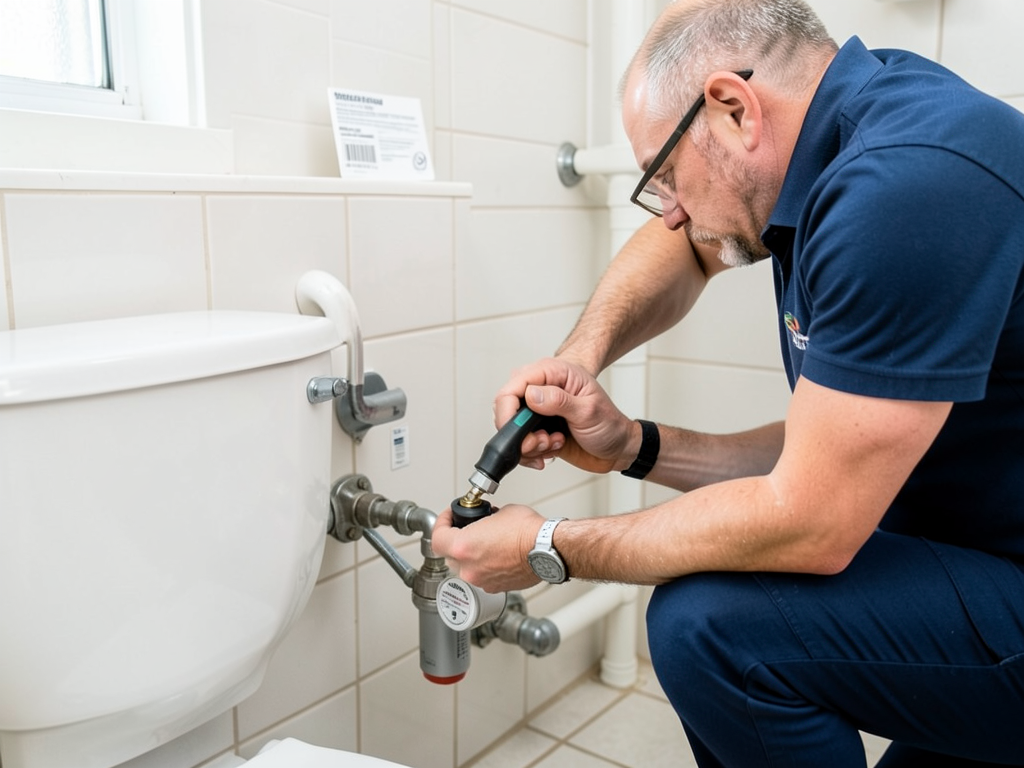
For persistent condensation problems the anti-sweat valve provides a permanent fix. This device mixes hot water with the cold supply line before it enters the toilet tank. The mixed water stays around 70-75°F preventing condensation even in the most humid conditions.
The valve installs on the cold water supply line near the toilet. It has a built-in thermostat that automatically adjusts the hot water mix based on ambient temperature. When bathroom air drops below a set point the valve reduces hot water flow. This maintains tank temperature just above the dew point.
Installation requires cutting into both hot and cold water lines. A licensed plumber should handle this to ensure proper mixing ratios and prevent scalding. The valve costs $75-150 plus installation. Most Indianapolis homeowners see payback in 2-3 years through reduced floor damage and mold remediation costs.
Anti-sweat valves work especially well in older Indianapolis homes with poor ventilation. Neighborhoods like Fountain Square and Lockerbie have many pre-1950 homes where bathroom exhaust fans were not standard. The valve provides protection even when humidity levels spike during summer thunderstorms.
When to Call an Indianapolis Plumber
Some condensation problems signal bigger issues requiring professional attention. Call a licensed plumber if you notice these warning signs.
Floor damage around the toilet base indicates water has been dripping for months or years. Press on the floor near the toilet. If it feels soft or spongy you likely have subfloor rot. This requires removing the toilet and possibly replacing damaged flooring.
Mold growth on walls or baseboards near the toilet suggests chronic moisture problems. Black mold or mildew indicates humidity levels consistently above 60%. A plumber can check for hidden leaks in the supply line or tank that contribute to the moisture problem.
Persistent condensation despite trying DIY fixes may indicate a failing fill valve or improper water pressure. Indianapolis homes often experience pressure fluctuations due to aging infrastructure. Citizens Energy Group reports that water pressure in some areas can vary by 20-30 psi during peak usage times.
If your toilet is over 15 years old the entire assembly may need replacement. Older tanks often have hairline cracks that allow moisture to seep through. A new toilet with modern water-saving features costs $150-400 and comes with a manufacturer warranty.
Call (317) 688-8848 today to schedule an inspection if you notice any of these warning signs. A professional can diagnose the exact cause and recommend the most cost-effective solution.
Local Service Areas and Common Indy Plumbing Issues
Keystone Plumbing serves the greater Indianapolis metro area including Franklin Greenwood Southport and surrounding communities. We understand the unique plumbing challenges that come with Central Indiana’s climate and infrastructure.
Franklin homes built in the 1970s and 1980s often have polybutylene supply lines that become brittle with age. These homes frequently experience toilet supply line failures during summer humidity spikes. The clay soil in Johnson County also causes foundation shifts that can stress plumbing connections.
Greenwood’s rapid growth since 2000 means many homes have mixed plumbing materials. Galvanized steel pipes connect to copper or PVC creating galvanic corrosion points. This corrosion can cause microscopic leaks that increase condensation on toilet tanks and other fixtures.
Southport and Perry Township homes built near the White River face unique challenges. The river’s proximity raises local humidity levels by 5-10% compared to areas further north. Homes in these flood plains also experience higher water tables affecting toilet stability and supply line integrity.
Marion County’s combined sewer system in older neighborhoods can back up during heavy rains. This creates negative pressure in drain lines that pulls water from toilet traps. The resulting air movement around toilets increases evaporation and can make condensation problems seem worse than they are. Trenchless Sewer Line Replacement in Greenwood without Digging Up Your Yard.
According to the Indiana Department of Environmental Management Indianapolis water hardness averages 12-15 grains per gallon. This mineral content can cause scale buildup in fill valves making them less efficient and contributing to temperature fluctuations that worsen condensation.
Preventing Future Condensation Problems
Once you solve your current condensation issue take steps to prevent future problems. Install a whole-house humidity monitor to track bathroom moisture levels. Keep readings below 60% to prevent condensation on all cold surfaces.
Consider upgrading to a pressure-assisted toilet. These units use compressed air to force water into the bowl rather than relying on gravity. The tank stays relatively dry since water only enters during flushing. Pressure-assisted toilets cost $250-500 but eliminate condensation entirely.
For homes with severe humidity problems install a bathroom heat lamp. The gentle warmth raises air temperature around the toilet by 5-8°F pushing it above the dew point. Heat lamps cost $40-80 and use minimal electricity since they run only during high humidity periods.
Regular maintenance prevents small problems from becoming major damage. Check your toilet tank monthly for condensation buildup. Clean the exterior with a mildew-resistant cleaner to prevent mold growth. Replace supply lines every 5-7 years even if they appear fine since rubber components degrade with age.
Indianapolis building code requires toilets in all residential bathrooms. However older homes may lack proper moisture barriers behind walls. If you remodel consider adding vapor barriers and moisture-resistant drywall around plumbing fixtures. This extra protection costs $200-400 but prevents costly water damage.
Cost Comparison: DIY vs Professional Solutions
| Solution | Cost Range | Effectiveness | Installation Time |
|---|---|---|---|
| Flapper Replacement | $5-10 | Low | 15 minutes |
| Tank Insulation Kit | $15-25 | Medium | 20 minutes |
| Improved Ventilation | $0-100 | Medium-High | 1-2 hours |
| Anti-Sweat Valve | $75-150 | High | 1-2 hours |
| Professional Diagnosis | $75-150 | Varies | 30-60 minutes |
| New Toilet Installation | $150-400 | High | 2-3 hours |
Frequently Asked Questions
Is toilet tank condensation dangerous?
Condensation itself is not dangerous but the resulting moisture can cause serious damage. Water dripping onto floors promotes mold growth and wood rot. Over time this can compromise floor structure and create health hazards from mold spores.
How much does it cost to fix a sweating toilet?
DIY solutions cost $5-100 while professional repairs range from $75-400. The total cost depends on the underlying cause and chosen solution. Simple fixes like replacing a flapper cost under $20 while installing an anti-sweat valve runs $150-300 installed.
Can I just wipe the tank dry?
Wiping the tank provides temporary relief but does not solve the underlying problem. In high humidity conditions the tank will sweat again within hours. This approach also risks spreading mold spores if the moisture has been present for a while.
Will a dehumidifier in the bathroom help?
Yes a dehumidifier can significantly reduce toilet tank condensation. Units that maintain 50-55% relative humidity prevent most condensation problems. However you must run the dehumidifier continuously during humid months for best results.
How do I know if I have a leak vs condensation?
Condensation appears as water droplets on the outside of the tank and feels cool to the touch. A leak typically shows as a constant wet spot or water pooling around the base. Add food coloring to the tank to check for leaks if you are unsure.
Take Action Before Your Floor Gets Damaged
Toilet tank condensation is more than an annoyance. In Indianapolis’s humid climate it can cause thousands of dollars in floor and subfloor damage within a single summer season. The combination of cold municipal water and high summer humidity creates perfect conditions for condensation.
Start with simple DIY fixes like replacing the flapper and installing insulation. If problems persist consider an anti-sweat valve for permanent protection. Monitor your bathroom for signs of moisture damage and address issues early.
Remember that condensation often indicates other plumbing problems. A leaking flapper or failing fill valve wastes water and increases your utility bills. Professional diagnosis can identify these issues before they cause major damage.
Ready to stop your toilet from sweating? Call (317) 688-8848 today to schedule an inspection. Our licensed Indianapolis plumbers can diagnose the problem and recommend the most cost-effective solution for your home. Do not wait until you have mold or rotten flooring. Pick up the phone and call (317) 688-8848 before the next humid day hits.
Keystone Plumbing has served Central Indiana homeowners for years. We understand the unique challenges of Indianapolis plumbing and provide honest recommendations that protect your home and wallet. Whether you need a simple flapper replacement or a complete anti-sweat valve installation we have the expertise to solve your condensation problems permanently.
{
“@context”: “https://schema.org”,
“@type”: “BlogPosting”,
“headline”: “How to Stop Your Toilet Tank from Sweating and Dripping in the Humid Indy Summer”,
“description”: “Stop toilet tank condensation in Indianapolis with proven fixes. Learn why your tank sweats and how to prevent floor damage this humid summer.”,
“wordCount”: 2070,
“datePublished”: “2026-05-24T14:45:00.000Z”,
“dateModified”: “2026-05-24T14:45:00.000Z”,
“inLanguage”: “en-US”,
“mainEntityOfPage”: {
“@type”: “WebPage”,
“@id”: “https://keystoneplumbingindianapolis.com”
},
“publisher”: {
“@type”: “LocalBusiness”,
“name”: “Keystone Plumbing Indianapolis”,
“url”: “https://keystoneplumbingindianapolis.com”
},
“author”: {
“@type”: “Organization”,
“name”: “Keystone Plumbing Indianapolis”,
“url”: “https://keystoneplumbingindianapolis.com”
},
“image”: {
“@type”: “ImageObject”,
“url”: “https://keystoneplumbingindianapolis.com/wp-content/uploads/2026/03/how-to-stop-your-toilet-tank-from-sweating-and-dri-1.png”
}
}
{
“@context”: “https://schema.org”,
“@type”: “Plumber”,
“name”: “Keystone Plumbing Indianapolis”,
“url”: “https://keystoneplumbingindianapolis.com”,
“address”: {
“@type”: “PostalAddress”,
“addressLocality”: “Indianapolis”
},
“areaServed”: {
“@type”: “City”,
“name”: “Indianapolis”
}
}
{
“@context”: “https://schema.org”,
“@type”: “FAQPage”,
“mainEntity”: [
{
“@type”: “Question”,
“name”: “Is toilet tank condensation dangerous?”,
“acceptedAnswer”: {
“@type”: “Answer”,
“text”: “Condensation itself is not dangerous but the resulting moisture can cause serious damage. Water dripping onto floors promotes mold growth and wood rot. Over time this can compromise floor structure and create health hazards from mold spores.”
}
},
{
“@type”: “Question”,
“name”: “How much does it cost to fix a sweating toilet?”,
“acceptedAnswer”: {
“@type”: “Answer”,
“text”: “DIY solutions cost $5-100 while professional repairs range from $75-400. The total cost depends on the underlying cause and chosen solution. Simple fixes like replacing a flapper cost under $20 while installing an anti-sweat valve runs $150-300 installed.”
}
},
{
“@type”: “Question”,
“name”: “Can I just wipe the tank dry?”,
“acceptedAnswer”: {
“@type”: “Answer”,
“text”: “Wiping the tank provides temporary relief but does not solve the underlying problem. In high humidity conditions the tank will sweat again within hours. This approach also risks spreading mold spores if the moisture has been present for a while.”
}
},
{
“@type”: “Question”,
“name”: “Will a dehumidifier in the bathroom help?”,
“acceptedAnswer”: {
“@type”: “Answer”,
“text”: “Yes a dehumidifier can significantly reduce toilet tank condensation. Units that maintain 50-55% relative humidity prevent most condensation problems. However you must run the dehumidifier continuously during humid months for best results.”
}
},
{
“@type”: “Question”,
“name”: “How do I know if I have a leak vs condensation?”,
“acceptedAnswer”: {
“@type”: “Answer”,
“text”: “Condensation appears as water droplets on the outside of the tank and feels cool to the touch. A leak typically shows as a constant wet spot or water pooling around the base. Add food coloring to the tank to check for leaks if you are unsure.”
}
}
]
}
{
“@context”: “https://schema.org”,
“@type”: “HowTo”,
“name”: “DIY Toilet Tank Fixes”,
“step”: [
{
“@type”: “HowToStep”,
“position”: 1,
“name”: “Check and Replace the Flapper”,
“text”: “A leaking flapper allows cold water to continuously enter the tank. Remove the tank lid and add a few drops of food coloring to the water. Wait 30 minutes without flushing. If color appears in the bowl you have a leak. Replace the flapper with a new water-saving model. This costs $5-10 and stops constant cold water flow.”
},
{
“@type”: “HowToStep”,
“position”: 2,
“name”: “Install a Toilet Tank Insulation Kit”,
“text”: “Foam insulation kits create a thermal barrier between the cold water and porcelain surface. The kit includes adhesive foam pieces that line the inside of the tank. This raises the surface temperature by 10-15°F reducing condensation. Kits cost $15-25 and install in 20 minutes.”
},
{
“@type”: “HowToStep”,
“position”: 3,
“name”: “Improve Bathroom Ventilation”,
“text”: “Run your bathroom exhaust fan during and after showers. If you do not have a fan install a window fan or dehumidifier. Reducing ambient humidity from 75% to 60% can cut tank condensation by half. Keep the bathroom door open when possible to improve air circulation.”
},
{
“@type”: “HowToStep”,
“position”: 4,
“name”: “Adjust the Fill Valve”,
“text”: “Some fill valves allow water to run longer than necessary. Adjust the float so the tank fills to the proper level marked inside the tank. This prevents overfilling which can keep the tank colder than needed. A properly adjusted valve also reduces water waste.”
},
{
“@type”: “HowToStep”,
“position”: 5,
“name”: “Take Shorter Showers”,
“text”: “Hot showers release massive amounts of water vapor. Cutting your shower time from 15 minutes to 8 minutes reduces bathroom humidity significantly. This simple habit change costs nothing and helps prevent condensation on all cold surfaces not just the toilet tank.”
}
],
“image”: “https://keystoneplumbingindianapolis.com/wp-content/uploads/2026/03/how-to-stop-your-toilet-tank-from-sweating-and-dri-1.png”
}
{
“@context”: “https://schema.org”,
“@type”: “BreadcrumbList”,
“itemListElement”: [
{
“@type”: “ListItem”,
“position”: 1,
“name”: “Home”,
“item”: “https://keystoneplumbingindianapolis.com”
},
{
“@type”: “ListItem”,
“position”: 2,
“name”: “Blog”,
“item”: “https://keystoneplumbingindianapolis.com/blog”
},
{
“@type”: “ListItem”,
“position”: 3,
“name”: “How to Stop Your Toilet Tank from Sweating and Dripping in the Humid Indy Summer”
}
]
}
{
“@context”: “https://schema.org”,
“@type”: “Service”,
“serviceType”: “Plumbing”,
“provider”: {
“@type”: “LocalBusiness”,
“name”: “Keystone Plumbing Indianapolis”,
“url”: “https://keystoneplumbingindianapolis.com”
},
“areaServed”: {
“@type”: “City”,
“name”: “Indianapolis”
},
“description”: “Stop toilet tank condensation in Indianapolis with proven fixes. Learn why your tank sweats and how to prevent floor damage this humid summer.”
}