
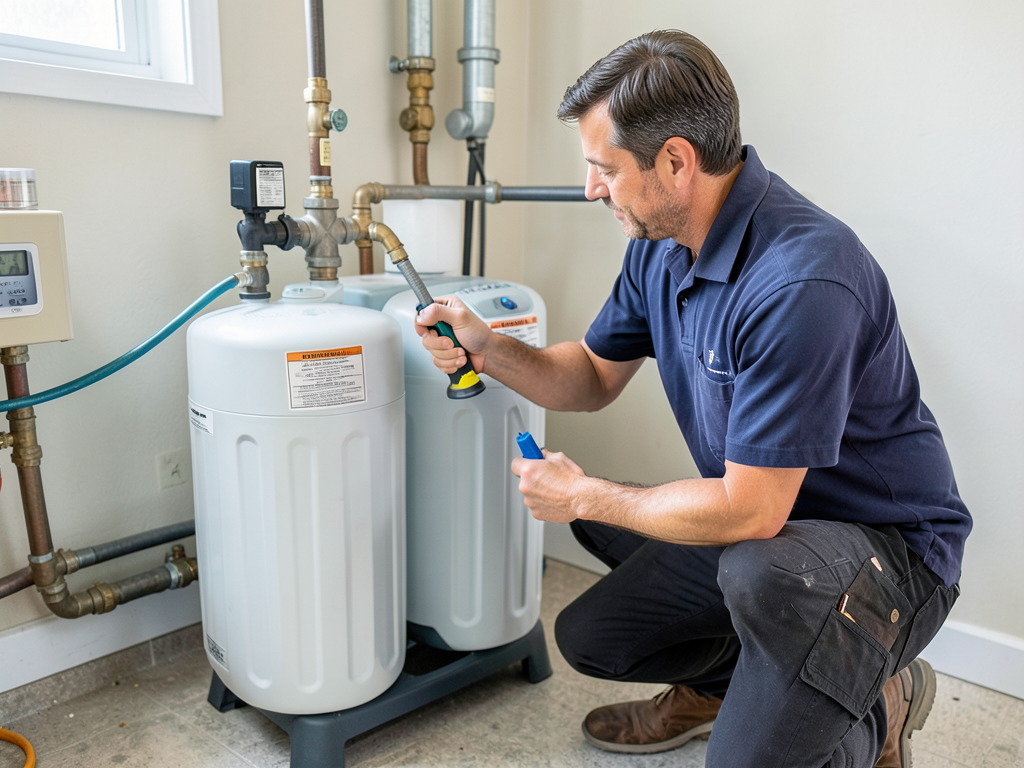
Zionsville homeowners face a common dilemma when maintaining their water softeners: should you use pellets or crystals? The answer depends on your specific water quality, softener type, and local conditions. With Boone County’s water hardness averaging 15-25 grains per gallon, making the right choice directly impacts your system’s efficiency and longevity. Benefits of Water Softeners.
Hard water minerals like calcium and magnesium build up in pipes, fixtures, and appliances throughout Zionsville homes. A properly functioning water softener prevents scale formation, extends appliance life, and improves soap effectiveness. But using the wrong salt type can cause bridging, mushing, or reduced softening capacity.. Read more about How to Choose a Water Softener That Won’t Waste Too Much Salt in Your Greenwood Home.
Let’s examine the three main salt types available, their performance in Zionsville’s specific water conditions, and which option delivers the best long-term value for local homeowners.
Understanding Zionsville’s Water Hardness
Boone County’s municipal water supply contains significantly higher mineral content than the national average. Indiana American Water reports Boone County water hardness levels ranging from 15 to 25 grains per gallon, depending on your exact location within Zionsville.
This high mineral content means your water softener works harder than systems in softer water areas. The resin beads inside your softener tank exchange sodium ions for calcium and magnesium ions during the ion exchange process. When hard water passes through, the resin beads capture the hardness minerals and release sodium into the water supply.
Over time, the resin beads become saturated with calcium and magnesium. The regeneration cycle flushes these minerals out using a concentrated salt solution, then recharges the beads with sodium. This process requires consistent, high-quality salt to maintain peak efficiency.
Zionsville’s water also contains trace iron levels that can affect softener performance. While not at problematic levels, this iron can cause resin fouling if not properly addressed during regeneration.
The 3 Main Types of Water Softener Salt
Water softener salt comes in three primary forms, each with distinct characteristics affecting performance in Zionsville’s conditions.
Evaporated Salt Pellets represent the highest purity option, typically containing 99.9% sodium chloride. These pellets form through vacuum evaporation of brine, creating uniform, dense cubes that resist bridging and mushing.
Solar Salt Crystals form when seawater or brine evaporates naturally under sunlight. These crystals contain 99.6% sodium chloride and have a more irregular shape than pellets. They’re generally less expensive but can cause more bridging in humid conditions.
Rock Salt comes from underground mines and contains only 95-98% sodium chloride. The remaining material includes insoluble minerals that can accumulate in your brine tank and reduce system efficiency.
The choice between these options significantly impacts maintenance frequency and system performance in Zionsville’s climate.
Comparing Salt Types for Zionsville Homes
Table salt comparison for Zionsville water conditions:
| Salt Type | Purity | Best For | Common Issues |
|---|---|---|---|
| Evaporated Pellets | 99.9% | High-hardness areas | Higher cost |
| Solar Crystals | 99.6% | Standard systems | Bridging |
| Rock Salt | 95-98% | Budget systems | Residue buildup |
Zionsville’s seasonal humidity creates specific challenges for salt storage. Summer humidity levels often exceed 70%, causing solar crystals to clump together and form bridges across the brine tank. This bridging prevents salt from reaching the water below, effectively stopping the regeneration process.
Evaporated pellets resist this humidity effect due to their uniform shape and density. The pellets maintain consistent spacing, allowing water to circulate freely through the salt bed during regeneration cycles.
Local water softener technicians report that homes using evaporated pellets require brine tank cleaning only once every 2-3 years, while solar crystal users often need annual cleaning to remove accumulated sediment and prevent system failure.
Top Salt Recommendations for Zionsville Homeowners
Based on local water quality and climate conditions, certain brands perform better in Zionsville homes.
Morton Clean and Protect Pellets work exceptionally well for Zionsville’s high-hardness water. The added resin cleaners help prevent iron fouling common in Boone County’s water supply. These pellets dissolve consistently, reducing the risk of salt bridging during humid summer months.
Diamond Crystal Bright and Soft Pellets include a patented formula that prevents mushing and bridging. The dual-action formula contains both sodium chloride and resin cleaning agents, making it ideal for Zionsville’s mineral content.
For homes with particularly high iron content, Morton Rust Remover Pellets provide additional protection. These pellets contain additives that help prevent rust stains and iron buildup in pipes and fixtures.
Local hardware stores like Akard True Value in Zionsville carry these premium pellet options, though professional delivery services often provide better pricing for bulk purchases.
Salt vs. Potassium Chloride: Which is right for your Zionsville home?
Potassium chloride offers a sodium-free alternative for water softening, but it presents unique considerations for Zionsville homeowners.. Read more about Why You Should Consider a Steam Shower for Your Geist Primary Suite Remodel.
Potassium chloride pellets cost approximately 25-30% more than standard sodium chloride pellets. However, they eliminate sodium discharge into septic systems, which benefits homes with drainage concerns or health-conscious families.
The regeneration process works identically with potassium chloride, but the higher cost means most Zionsville homeowners use it only when medically necessary or required by local regulations.
Kansas State University research shows potassium chloride requires about 10% more product to achieve the same softening results as sodium chloride. This increased consumption partially offsets the environmental benefits.
For Zionsville homes with septic systems, the National Sanitation Foundation reports no significant difference in soil absorption between sodium and potassium discharge when properly maintained.
Local Maintenance Tips for Zionsville Water Softeners
Zionsville’s climate and water conditions create specific maintenance patterns that affect salt consumption and system performance.
Check your brine tank monthly during winter months when humidity drops below 40%. Low humidity reduces bridging risk but increases salt crystallization at the tank bottom.
During summer, inspect your brine tank every 2-3 weeks. High humidity causes salt to absorb moisture from the air, leading to clumping and bridging. You’ll know you have a bridge if you can’t push a broom handle straight down through the salt.
Most Zionsville households with 2-4 people use 40-80 pounds of salt monthly, depending on water hardness and household water usage. Families with teenagers or homes with multiple bathrooms typically consume salt at the higher end of this range.
Watch for these warning signs that indicate your softener needs professional attention:
- White, chalky deposits on faucets and showerheads
- Soap that doesn’t lather well in the shower
- Spots on dishes after dishwasher cycles
- Increased laundry detergent usage
- Reduced water pressure throughout the home
These symptoms often indicate salt bridging, resin bed fouling, or mechanical issues requiring professional diagnosis.
Professional Water Softener Services in Zionsville
While basic salt maintenance seems straightforward, Zionsville’s specific water conditions often require professional expertise to maintain optimal system performance.
Professional water softener technicians can test your water hardness, inspect the resin bed for iron fouling, and identify mechanical issues before they cause system failure. They also carry commercial-grade salts and can spot problems like salt bridging that homeowners often miss.
Regular professional maintenance prevents costly repairs and extends your system’s lifespan. Most Zionsville water softeners last 10-15 years with proper maintenance, but neglected systems often fail after just 5-7 years. EPA WaterSense Program.
Keystone Plumbing offers comprehensive water softener services including salt delivery, system inspections, and repairs. Our technicians understand Zionsville’s specific water quality challenges and can recommend the optimal salt type for your home’s needs.
Don’t wait until you notice hard water symptoms. Call (317) 688-8848 today to schedule your water softener inspection and ensure your system operates at peak efficiency.
Frequently Asked Questions
How often should I add salt to my water softener in Zionsville?
Most Zionsville homes need salt added every 4-6 weeks, depending on household size and water usage. Check your brine tank monthly and add salt when the level drops below one-third full.
Can I mix different types of water softener salt?
Yes, you can mix salt types, but it’s best to use the same type consistently. Mixing pellets and crystals may cause uneven dissolution and reduce softening efficiency.
What happens if I run out of salt completely?
Running out of salt stops the regeneration process, allowing hard water minerals to build up in your pipes and appliances. You may notice white scale on fixtures and reduced soap effectiveness within days.
Is there a way to test my water hardness in Zionsville?
Local plumbing companies offer free water hardness testing. You can also purchase test strips at hardware stores, though professional testing provides more accurate results for system calibration.
How do I know if my water softener is working properly?
Proper operation shows as spot-free dishes, soft skin after showers, and no scale buildup on faucets. If you notice white deposits or soap that won’t lather, your system may need service. For more information, visit NSF International.
You may also find this helpful. Why Your Brownsburg Well Pressure Tank Might Be Failing (And What to Do Next).
You may also find this helpful. Adding a Utility Sink to Your Pike Township Laundry Room (Everything You Need to Know).
{
“@context”: “https://schema.org”,
“@type”: “BlogPosting”,
“headline”: “Pellets or Crystals (Picking the Right Salt for Your Zionsville Water Softener)”,
“description”: “Learn which salt works best for Zionsville’s hard water. Compare pellets vs. crystals and discover local water softener maintenance tips from Keystone Plumbing.”,
“wordCount”: 1421,
“datePublished”: “2026-04-30T12:36:00.000Z”,
“dateModified”: “2026-04-30T12:36:00.000Z”,
“inLanguage”: “en-US”,
“mainEntityOfPage”: {
“@type”: “WebPage”,
“@id”: “https://keystoneplumbingindianapolis.com”
},
“publisher”: {
“@type”: “LocalBusiness”,
“name”: “Keystone Plumbing Indianapolis”,
“url”: “https://keystoneplumbingindianapolis.com”
},
“author”: {
“@type”: “Organization”,
“name”: “Keystone Plumbing Indianapolis”,
“url”: “https://keystoneplumbingindianapolis.com”
},
“image”: {
“@type”: “ImageObject”,
“url”: “https://keystoneplumbingindianapolis.com/wp-content/uploads/2026/03/pellets-or-crystals-picking-the-right-salt-for-you-1.png”
}
}
{
“@context”: “https://schema.org”,
“@type”: “Plumber”,
“name”: “Keystone Plumbing Indianapolis”,
“url”: “https://keystoneplumbingindianapolis.com”,
“address”: {
“@type”: “PostalAddress”,
“addressLocality”: “Indianapolis”
},
“areaServed”: {
“@type”: “City”,
“name”: “Indianapolis”
}
}
{
“@context”: “https://schema.org”,
“@type”: “FAQPage”,
“mainEntity”: [
{
“@type”: “Question”,
“name”: “Salt vs. Potassium Chloride: Which is right for your Zionsville home?”,
“acceptedAnswer”: {
“@type”: “Answer”,
“text”: “Potassium chloride offers a sodium-free alternative for water softening, but it presents unique considerations for Zionsville homeowners.”
}
},
{
“@type”: “Question”,
“name”: “How often should I add salt to my water softener in Zionsville?”,
“acceptedAnswer”: {
“@type”: “Answer”,
“text”: “Most Zionsville homes need salt added every 4-6 weeks, depending on household size and water usage. Check your brine tank monthly and add salt when the level drops below one-third full.”
}
},
{
“@type”: “Question”,
“name”: “Can I mix different types of water softener salt?”,
“acceptedAnswer”: {
“@type”: “Answer”,
“text”: “Yes, you can mix salt types, but it’s best to use the same type consistently. Mixing pellets and crystals may cause uneven dissolution and reduce softening efficiency.”
}
},
{
“@type”: “Question”,
“name”: “Is there a way to test my water hardness in Zionsville?”,
“acceptedAnswer”: {
“@type”: “Answer”,
“text”: “Local plumbing companies offer free water hardness testing. You can also purchase test strips at hardware stores, though professional testing provides more accurate results for system calibration.”
}
},
{
“@type”: “Question”,
“name”: “How do I know if my water softener is working properly?”,
“acceptedAnswer”: {
“@type”: “Answer”,
“text”: “Proper operation shows as spot-free dishes, soft skin after showers, and no scale buildup on faucets. If you notice white deposits or soap that won’t lather, your system may need service. For more information, visit NSF International.”
}
}
]
}
{
“@context”: “https://schema.org”,
“@type”: “BreadcrumbList”,
“itemListElement”: [
{
“@type”: “ListItem”,
“position”: 1,
“name”: “Home”,
“item”: “https://keystoneplumbingindianapolis.com”
},
{
“@type”: “ListItem”,
“position”: 2,
“name”: “Blog”,
“item”: “https://keystoneplumbingindianapolis.com/blog”
},
{
“@type”: “ListItem”,
“position”: 3,
“name”: “Pellets or Crystals (Picking the Right Salt for Your Zionsville Water Softener)”
}
]
}
{
“@context”: “https://schema.org”,
“@type”: “Service”,
“serviceType”: “Plumbing”,
“provider”: {
“@type”: “LocalBusiness”,
“name”: “Keystone Plumbing Indianapolis”,
“url”: “https://keystoneplumbingindianapolis.com”
},
“areaServed”: {
“@type”: “City”,
“name”: “Indianapolis”
},
“description”: “Learn which salt works best for Zionsville’s hard water. Compare pellets vs. crystals and discover local water softener maintenance tips from Keystone Plumbing.”
}