
Plumbing Requirements for Adding a Wet Bar to Your Finished Basement in Westfield
Adding a wet bar to your finished basement in Westfield requires careful planning around drainage, supply lines, and local building codes. Most Westfield basements sit below the main sewer line, which means you’ll need specialized plumbing solutions to handle wastewater properly. Understanding these requirements before you start your project can save you thousands in potential rework and ensure your new entertainment space functions flawlessly for years to come. Trenchless Sewer Line Replacement in Greenwood without Digging Up Your Yard.
The Challenges of Basement Wet Bar Plumbing
Basement plumbing presents unique challenges that above-ground installations don’t face. Gravity works against you when moving wastewater from a basement sink or bar drain to the main sewer line. In Westfield’s newer construction neighborhoods, where basements are common, this becomes a critical consideration for any wet bar installation. Reliable Sump Pump Installation in Fishers to Keep Your Basement Dry.
Water supply lines can typically be tapped into existing lines with minimal difficulty, but drainage requires more planning. The Indiana Residential Code mandates specific requirements for basement plumbing fixtures, including proper venting and trap installation to prevent sewer gases from entering your living space. Indiana Plumbing License Information.
Westfield’s soil composition, primarily clay-based, affects how pipes settle over time. This means your wet bar plumbing needs to account for potential ground movement to prevent future leaks or breaks. A licensed Indiana plumber will assess your specific basement layout and soil conditions to determine the best installation approach.. Read more about Why Hiring a Licensed Plumber Is Better Than a Handyman for Your Plainfield Home.
Sewer Ejector Pumps vs. Gravity Drains
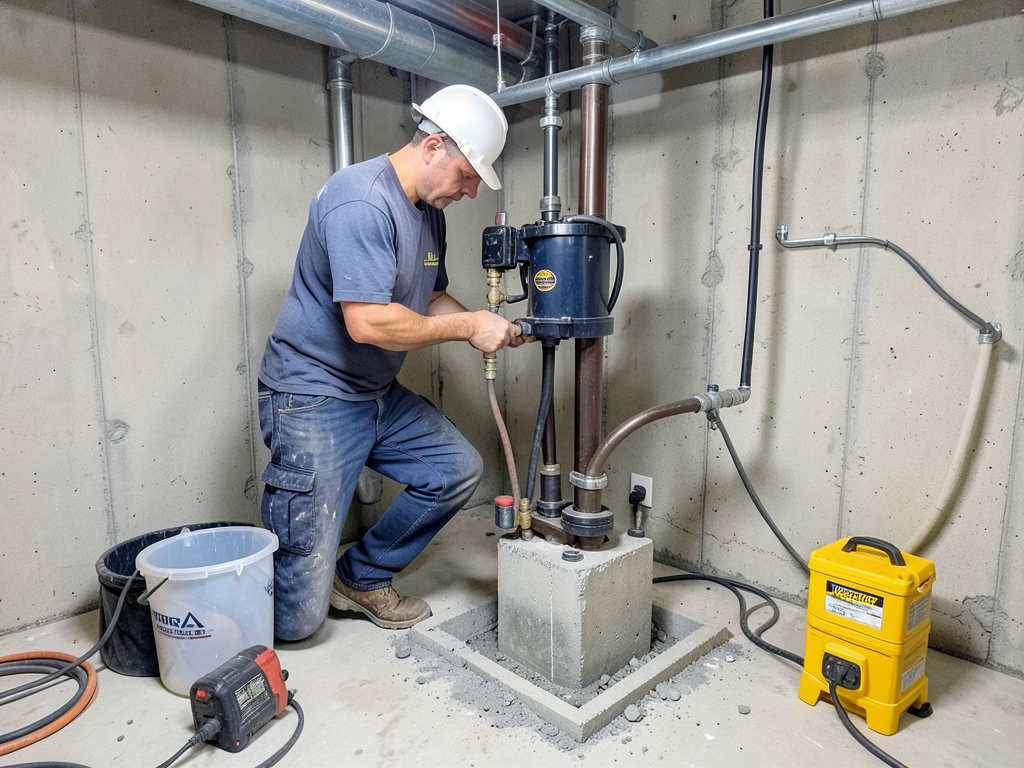
When planning your wet bar plumbing, you’ll need to decide between traditional gravity drainage and a sewer ejector pump system. Gravity drains work when your basement floor sits above the main sewer line, but most Westfield basements require a pump system. Sewer Camera Inspections in Pike Township to Find the Root of Your Problem.
A sewer ejector pump automatically activates when wastewater reaches a certain level, pumping it up to the main sewer line. These systems include a sealed tank that prevents odors and meets Marion County sanitation requirements. The pump itself sits in a pit below your basement floor and requires a dedicated electrical circuit. Marion County Building Department.
Breaking through your basement concrete floor for traditional plumbing installation creates significant dust and requires temporary relocation of furniture. Upflush systems offer an alternative that mounts on top of your floor, reducing demolition work. However, these systems have limitations on flow rate and may not handle heavy use during parties.. Read more about What Is an Air Admittance Valve and Does Your Basement Plumbing in SoBro Need One?.
Noise considerations matter for entertainment areas. Modern ejector pumps operate at 45-60 decibels, similar to a dishwasher. Proper insulation and strategic placement can minimize sound disruption during gatherings. Your plumber should calculate the pump size based on your expected usage patterns and fixture types.
Indianapolis Building Codes & Permits
Marion County requires permits for all basement wet bar installations, including plumbing modifications. The permit process ensures your installation meets current Indiana Residential Code standards and local health department requirements. You’ll need separate permits for plumbing, electrical work, and any structural modifications.
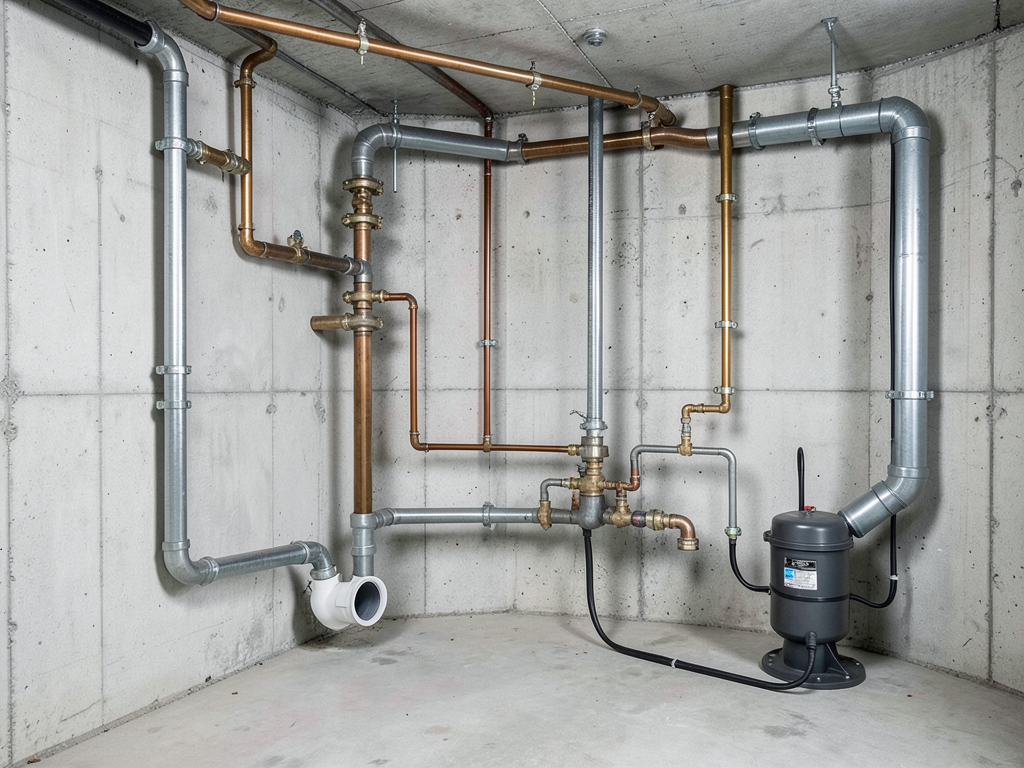
Section 305 of the Indiana Plumbing Code specifically addresses basement fixture requirements. This includes minimum pipe diameters, trap sizes, and venting specifications. For a wet bar sink, you’ll typically need a 2-inch drain line with proper P-trap installation. Vent pipes must extend through the roof or connect to an existing vent stack.
Inspection timelines vary but expect multiple visits from the building inspector. They’ll check the rough-in plumbing before you pour concrete or close walls, then conduct a final inspection after installation. Working with a licensed Indiana plumber who understands local codes can streamline this process and prevent costly mistakes.
Backflow prevention devices may be required depending on your specific setup. These prevent contaminated water from flowing back into your clean water supply. Your plumber should test these devices during installation to ensure they function correctly.
Call (317) 688-8848 today to schedule your permit consultation and ensure your wet bar meets all Westfield building requirements.
Cost Factors for Wet Bar Installation
Wet bar plumbing costs in Westfield vary significantly based on your specific situation. Rough-in plumbing typically ranges from $1,500 to $4,000, depending on whether you need an ejector pump system and how far your bar is from existing plumbing lines.
Fixture installation adds another $500 to $2,000 for the sink, faucet, and any specialty features like a pot filler. High-end fixtures with features like touchless operation or built-in filtration systems increase costs but add convenience and value.
Concrete cutting represents a significant cost factor if you’re installing traditional plumbing. Expect to pay $8 to $12 per square foot for concrete removal and replacement. This doesn’t include repairing flooring or wall finishes damaged during the process. Detecting and Repairing Slab Leaks in Indianapolis Before They Damage Your Foundation.
Electrical work for pump systems, lighting, and outlets typically costs $500 to $1,500. Your electrician must ensure all work meets National Electrical Code requirements, including GFCI protection for outlets near water sources.
Waterproofing considerations are crucial for basement installations. Even minor plumbing leaks can cause extensive damage in finished basements. Budget an additional 10-15% of your total project cost for waterproofing measures and potential repairs.
Material Selection for Long-Term Reliability
Choosing the right materials affects both the performance and longevity of your wet bar plumbing. PEX piping has become popular for supply lines due to its flexibility and resistance to freezing. It costs less than copper and installs faster, though some homeowners prefer copper’s proven track record.
For drain lines, PVC remains the standard choice for its durability and ease of installation. Schedule 40 PVC handles the demands of a wet bar sink while remaining cost-effective. The joints must be properly cemented to prevent leaks that could damage your finished basement.
Brass fixtures outlast cheaper alternatives and resist corrosion from Westfield’s moderately hard water. Look for fixtures with ceramic disc valves rather than rubber washers for better longevity. The initial cost difference pays off through fewer repairs and replacements.
Check valve selection matters for pump systems. A quality check valve prevents backflow and reduces pump cycling, extending the system’s life. Cheap valves often fail within a few years, leading to pump damage and potential flooding.
Water Supply Considerations
Your wet bar needs both hot and cold water supply lines. Tapping into existing lines requires careful planning to maintain adequate pressure throughout your home. Westfield’s municipal water pressure typically ranges from 40 to 60 psi, which is sufficient for most wet bar setups.
Consider installing a dedicated shutoff valve for your wet bar. This allows you to isolate the fixture for maintenance without affecting the rest of your home’s water supply. Ball valves offer more reliable operation than gate valves and last longer with frequent use.
Water hammer arrestors prevent the banging sounds that occur when water flow suddenly stops. These small devices absorb the shock wave and protect your pipes from damage. They’re especially important for wet bars with pull-out faucets or other fixtures that see frequent on/off cycling.
Temperature control matters for entertaining spaces. Installing a thermostatic mixing valve ensures consistent water temperature and prevents scalding. This becomes particularly important if children or elderly guests will use the space.
Ventilation Requirements
Proper ventilation prevents moisture buildup and maintains air quality in your basement entertainment space. The Indiana Residential Code requires mechanical ventilation for finished basements, typically achieved through bathroom exhaust fans or dedicated ventilation systems.
Plumbing vents serve a different purpose than air circulation vents. They equalize pressure in your drain system and allow sewer gases to escape through the roof rather than your living space. Each plumbing fixture requires proper venting, though some fixtures can share vent pipes if installed correctly.
Air admittance valves offer an alternative to traditional roof vents in certain situations. These one-way valves allow air into the drain system while preventing sewer gases from escaping. However, some local jurisdictions have restrictions on their use, so verify compliance with your building inspector.
Humidity control becomes crucial in basement spaces. Even small amounts of moisture can lead to mold growth and damage finishes. Consider installing a dehumidifier or ensuring your HVAC system adequately conditions the basement space.
Professional Installation vs. DIY
While some homeowners attempt DIY plumbing for wet bars, professional installation offers significant advantages. Licensed plumbers understand local codes, can obtain proper permits, and carry insurance that protects you from liability. They also provide warranties on their work that DIY installations can’t match.
Professional plumbers have specialized tools for tasks like concrete cutting, pipe bending, and pressure testing. They can also identify potential issues before they become problems, such as inadequate support for drain lines or improper slope for gravity drainage.
The cost difference between professional and DIY installation often narrows when you factor in tool rental, material waste from mistakes, and the value of your time. Plus, professional work typically passes inspection on the first attempt, avoiding costly rework.
Consider the long-term costs of improper installation. A small leak behind your wet bar can cause thousands in damage before you notice it. Professional plumbers provide peace of mind through proper installation techniques and quality materials.
Maintenance and Troubleshooting
Regular maintenance keeps your wet bar plumbing functioning properly. Check for leaks under the sink monthly, paying attention to supply line connections and drain joints. Early detection prevents minor issues from becoming major problems.
Pump systems require specific maintenance. Clean the pump inlet screen annually to prevent debris buildup. Test the pump periodically by pouring water into the pit to ensure it activates properly. Most pumps last 7-10 years with proper care.
Address slow drains promptly. They often indicate partial blockages that worsen over time. Avoid chemical drain cleaners, which can damage pipes and pump components. Instead, use a plunger or contact a professional plumber for stubborn clogs.
Know the location of your main water shutoff valve. In case of a major leak, you’ll need to act quickly to minimize damage. Consider installing an automatic shutoff valve that detects unusual water flow patterns and cuts supply automatically. Quick Garbage Disposal Repair in Lawrence to Get Your Kitchen Back in Order.
Adding Value to Your Westfield Home
A properly installed wet bar adds both functionality and resale value to your Westfield home. According to local real estate trends, finished basements with wet bars typically return 60-80% of their investment when you sell your home.
Buyers in Westfield’s newer neighborhoods often expect finished basements with entertainment features. A wet bar can make your home stand out in a competitive market, particularly in areas like Brookside and Maple Ridge where family entertainment spaces are highly valued.
Consider future needs when planning your wet bar. Installing extra plumbing lines during initial construction costs less than adding them later. You might want to add an ice maker, bar sink, or even a small dishwasher down the road.
Energy efficiency matters for long-term operating costs. Choose Energy Star certified fixtures and consider LED lighting to minimize electricity usage. Tankless water heaters can provide hot water on demand without the standby losses of traditional tank-style heaters.
Choosing the Right Plumbing Contractor
Not all plumbing contractors have experience with basement wet bar installations. Look for companies with specific experience in basement finishing projects and knowledge of Westfield’s local building requirements. Ask for references from similar projects in your area.
Verify licensing and insurance before hiring any contractor. In Indiana, plumbers must hold a state license and carry liability insurance. Ask to see current documentation rather than taking their word for it.
Get detailed written estimates that specify materials, fixtures, and scope of work. Compare apples to apples rather than choosing based solely on price. The cheapest option often costs more in the long run through repairs and callbacks.
Communication matters throughout the project. Your plumber should explain their installation approach, timeline, and any potential challenges upfront. They should also provide clear instructions for maintenance and troubleshooting after installation.
Frequently Asked Questions
How long does wet bar plumbing installation take?
Most wet bar plumbing installations take 2-4 days for the rough-in work, plus additional time for fixture installation and finishing. The timeline extends if you need an ejector pump system or encounter unexpected issues like concrete obstructions.
Do I need a building permit for a basement wet bar?
Yes, Marion County requires permits for all basement wet bar installations that include plumbing modifications. This ensures your work meets Indiana Residential Code requirements and passes necessary inspections for safety and functionality.
What’s the best sink material for a wet bar?
Stainless steel offers the best combination of durability, ease of cleaning, and cost-effectiveness for wet bar sinks. Composite materials like granite or quartz provide a more upscale appearance but cost significantly more and can be prone to chipping.
Can I install a wet bar without an ejector pump?
Only if your basement floor sits above the main sewer line. Most Westfield basements require an ejector pump system because they’re below grade. A plumber can assess your specific situation during the planning phase.
How much does a typical wet bar plumbing project cost?
Wet bar plumbing costs in Westfield range from $2,500 to $7,000, depending on whether you need an ejector pump, the complexity of your layout, and the quality of fixtures you choose. This doesn’t include cabinetry, countertops, or other finishing elements.
Will a wet bar increase my home’s value?
Yes, a well-designed wet bar typically adds 60-80% of its cost to your home’s value. In Westfield’s newer neighborhoods, finished basements with entertainment features are increasingly expected by buyers and can make your home more competitive in the market.
Ready to add a wet bar to your Westfield basement? Call (317) 688-8848 today for a professional assessment and detailed estimate. Our licensed plumbers understand Westfield’s specific requirements and will ensure your new entertainment space meets all codes while providing years of trouble-free service.
You may also find this helpful. Everything You Need to Know About Running Water Lines to a Detached Garage in Noblesville.
{
“@context”: “https://schema.org”,
“@type”: “BlogPosting”,
“headline”: “Plumbing Requirements for Adding a Wet Bar to Your Finished Basement in Westfield”,
“description”: “Learn the exact plumbing requirements for adding a wet bar to your Westfield basement. Discover drainage solutions, code requirements, and installation costs from local experts.”,
“wordCount”: 2314,
“datePublished”: “2026-05-30T09:38:00.000Z”,
“dateModified”: “2026-05-30T09:38:00.000Z”,
“inLanguage”: “en-US”,
“mainEntityOfPage”: {
“@type”: “WebPage”,
“@id”: “https://keystoneplumbingindianapolis.com”
},
“publisher”: {
“@type”: “LocalBusiness”,
“name”: “Keystone Plumbing Indianapolis”,
“url”: “https://keystoneplumbingindianapolis.com”
},
“author”: {
“@type”: “Organization”,
“name”: “Keystone Plumbing Indianapolis”,
“url”: “https://keystoneplumbingindianapolis.com”
},
“image”: {
“@type”: “ImageObject”,
“url”: “https://keystoneplumbingindianapolis.com/wp-content/uploads/2026/03/plumbing-requirements-for-adding-a-wet-bar-to-your-1.png”
}
}
{
“@context”: “https://schema.org”,
“@type”: “Plumber”,
“name”: “Keystone Plumbing Indianapolis”,
“url”: “https://keystoneplumbingindianapolis.com”,
“address”: {
“@type”: “PostalAddress”,
“addressLocality”: “Indianapolis”
},
“areaServed”: {
“@type”: “City”,
“name”: “Indianapolis”
}
}
{
“@context”: “https://schema.org”,
“@type”: “FAQPage”,
“mainEntity”: [
{
“@type”: “Question”,
“name”: “How long does wet bar plumbing installation take?”,
“acceptedAnswer”: {
“@type”: “Answer”,
“text”: “Most wet bar plumbing installations take 2-4 days for the rough-in work, plus additional time for fixture installation and finishing. The timeline extends if you need an ejector pump system or encounter unexpected issues like concrete obstructions.”
}
},
{
“@type”: “Question”,
“name”: “Do I need a building permit for a basement wet bar?”,
“acceptedAnswer”: {
“@type”: “Answer”,
“text”: “Yes, Marion County requires permits for all basement wet bar installations that include plumbing modifications. This ensures your work meets Indiana Residential Code requirements and passes necessary inspections for safety and functionality.”
}
},
{
“@type”: “Question”,
“name”: “What’s the best sink material for a wet bar?”,
“acceptedAnswer”: {
“@type”: “Answer”,
“text”: “Stainless steel offers the best combination of durability, ease of cleaning, and cost-effectiveness for wet bar sinks. Composite materials like granite or quartz provide a more upscale appearance but cost significantly more and can be prone to chipping.”
}
},
{
“@type”: “Question”,
“name”: “Can I install a wet bar without an ejector pump?”,
“acceptedAnswer”: {
“@type”: “Answer”,
“text”: “Only if your basement floor sits above the main sewer line. Most Westfield basements require an ejector pump system because they’re below grade. A plumber can assess your specific situation during the planning phase.”
}
},
{
“@type”: “Question”,
“name”: “How much does a typical wet bar plumbing project cost?”,
“acceptedAnswer”: {
“@type”: “Answer”,
“text”: “Wet bar plumbing costs in Westfield range from $2,500 to $7,000, depending on whether you need an ejector pump, the complexity of your layout, and the quality of fixtures you choose. This doesn’t include cabinetry, countertops, or other finishing elements.”
}
},
{
“@type”: “Question”,
“name”: “Will a wet bar increase my home’s value?”,
“acceptedAnswer”: {
“@type”: “Answer”,
“text”: “Yes, a well-designed wet bar typically adds 60-80% of its cost to your home’s value. In Westfield’s newer neighborhoods, finished basements with entertainment features are increasingly expected by buyers and can make your home more competitive in the market.”
}
}
]
}
{
“@context”: “https://schema.org”,
“@type”: “BreadcrumbList”,
“itemListElement”: [
{
“@type”: “ListItem”,
“position”: 1,
“name”: “Home”,
“item”: “https://keystoneplumbingindianapolis.com”
},
{
“@type”: “ListItem”,
“position”: 2,
“name”: “Blog”,
“item”: “https://keystoneplumbingindianapolis.com/blog”
},
{
“@type”: “ListItem”,
“position”: 3,
“name”: “Plumbing Requirements for Adding a Wet Bar to Your Finished Basement in Westfield”
}
]
}
{
“@context”: “https://schema.org”,
“@type”: “Service”,
“serviceType”: “Plumbing”,
“provider”: {
“@type”: “LocalBusiness”,
“name”: “Keystone Plumbing Indianapolis”,
“url”: “https://keystoneplumbingindianapolis.com”
},
“areaServed”: {
“@type”: “City”,
“name”: “Indianapolis”
},
“description”: “Learn the exact plumbing requirements for adding a wet bar to your Westfield basement. Discover drainage solutions, code requirements, and installation costs from local experts.”
}