
Professional Plumbing Rough-In Services for Your Westfield Basement Finish
Planning a basement finish in Westfield means dealing with unique Indiana soil conditions and Hamilton County building codes. Professional plumbing rough-in work ensures your new bathroom or wet bar functions flawlessly for decades. We handle everything from sewage ejector pump installation to permit coordination with the Westfield Building Department. Indiana Professional Licensing Agency.
Why Westfield Basements Need Specialized Plumbing Rough-Ins
Westfield’s heavy clay soil creates drainage challenges that generic plumbing contractors miss. The soil expands and contracts with moisture changes, putting pressure on underground pipes. Most Westfield homes sit below the main sewer line elevation, requiring sewage ejector pumps for any basement bathroom fixtures. Without proper rough-in work, you risk basement flooding, sewage backups, and expensive repairs. Trenchless Sewer Line Replacement in Greenwood without Digging Up Your Yard.
The Westfield Unified Development Ordinance requires specific venting and backwater valve installations for basement plumbing. Our team understands these local requirements and coordinates directly with Hamilton County inspectors to keep your project moving forward. Hamilton County Government.
The Technical Process of Basement Plumbing Rough-In
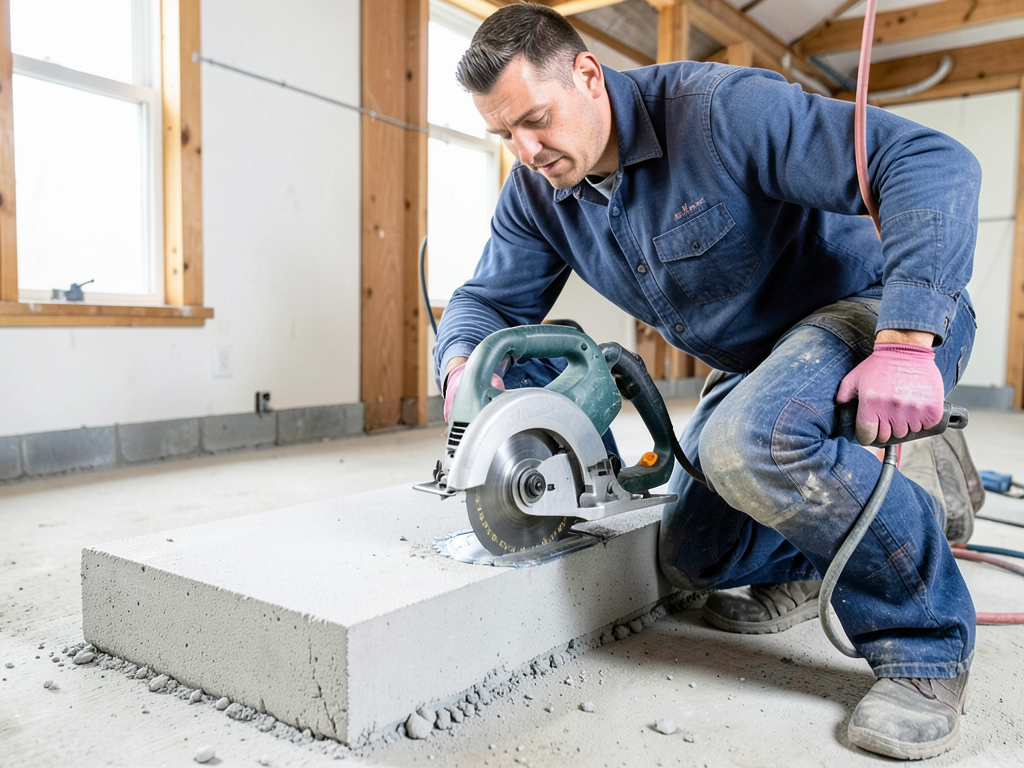
Professional rough-in starts with cutting through the basement slab using diamond-blade saws. We create precise trenches following the International Plumbing Code (IPC) requirements for slope and depth. Each drain line needs a minimum 1/4-inch fall per foot to prevent standing water and clogs. Benefits of Water Softeners.
We install Schedule 40 PVC drain lines for durability, connecting them to the main stack with proper cleanouts. The sewage ejector pit gets placed at the lowest point, typically 18 inches in diameter and 24 inches deep. We mount the ejector pump with a 2-inch discharge line and check valve to prevent backflow.. Read more about Professional Sewage Ejector Pump Repair for Finished Basements in Lawrence.
Supply lines run through the walls using PEX or copper, depending on your preference and local code requirements. We pressure-test all lines before covering them with concrete. The vent system ties into the main stack, ensuring proper air flow and preventing trap siphonage.
Hamilton County Permit Requirements and Inspections
Westfield and Hamilton County require plumbing permits for all basement rough-ins. The process starts with submitting detailed plans showing fixture locations, pipe sizes, and pump specifications. We handle the entire permit process, including coordination with the Westfield Building Department.
The rough-in inspection happens after all pipes are installed but before concrete coverage. Inspectors check for proper slope, venting, and compliance with IPC Section 908 for sewage ejectors. They verify backwater valve installation and confirm the ejector pit meets Hamilton County’s minimum sizing requirements. Reliable Sump Pump Installation in Fishers to Keep Your Basement Dry.
Missing this inspection means tearing up concrete later, adding thousands to your project cost. We schedule inspections strategically to align with your framing and electrical work timelines.
Common Westfield Basement Plumbing Layouts
Most Westfield homeowners choose between three main configurations. A full bathroom with shower, toilet, and vanity requires the most extensive rough-in work but adds the most home value. The sewage ejector handles all fixtures, typically needing a 1/2 HP pump for this load.
Half baths with just a toilet and sink work well for basement guest areas. These need smaller ejector pits and less drain line footage. The simpler layout means faster completion and lower costs.
Basement bars focus on sink and ice maker lines rather than sewage handling. These still need proper venting and backflow prevention but skip the ejector pump complexity. We often combine bar rough-ins with nearby bathroom projects to maximize efficiency. Apartment Complex Plumbing.
Why Professional Rough-In Matters for Long-Term Performance
DIY or handyman rough-ins often fail within 3-5 years. Common problems include improper pipe slope causing frequent clogs, undersized ejector pumps leading to overflows, and missing cleanouts making future maintenance impossible.
Our rough-ins include strategic cleanout locations every 100 feet of drain line and at every directional change. We install isolation valves on ejector pumps for easy service access. All connections use approved solvent welding or compression fittings that won’t leak under pressure.
We document every pipe location with photos and measurements before covering them. This information helps future homeowners or service technicians locate lines without destructive exploration.
Timeline and Coordination with Other Trades
Professional basement rough-in typically takes 2-4 days depending on project complexity. We coordinate with framers to ensure wall penetrations align with fixture locations. Electrical contractors need to know vent pipe locations for can light placement.
The process flows: slab cutting and trenching on day one, pipe installation and pressure testing on day two, inspection scheduling on day three, and concrete coverage after passing inspection. We maintain clean work areas and protect finished flooring during the process.
Weather rarely affects basement work since it’s all indoors, but we monitor concrete curing times to ensure proper strength before framing begins.
Cost Factors for Westfield Basement Rough-Ins
Several factors affect rough-in costs in Westfield. Concrete thickness determines cutting time – older homes with 6-inch slabs take longer than modern 4-inch pours. Distance from the main stack increases material costs and labor hours.
Soil conditions matter too. Clay soil requires wider trenches and more gravel backfill for proper drainage around pipes. Homes near the White River or in low-lying areas may need additional drainage considerations.
Fixture count drives ejector pump sizing. A simple half bath needs a smaller, less expensive pump than a full bathroom with shower. We provide detailed quotes showing all components so you understand exactly what you’re paying for.
Common Questions About Basement Plumbing Rough-Ins
Many homeowners worry about staying in their homes during rough-in work. The noise from concrete cutting lasts 2-3 hours per cut line. We contain dust with plastic barriers and use HEPA air scrubbers to maintain indoor air quality.
Water service interruption is minimal – usually just a few hours while we tie into existing lines. We coordinate these shutdowns with your schedule to minimize inconvenience.
Some ask about DIY options to save money. While possible for experienced DIYers, mistakes often cost more to fix than professional installation. Insurance companies may also deny claims for damage caused by unpermitted work.
Why Choose Professional Westfield Plumbing Services
Local experience matters for basement rough-ins. We’ve worked in Westfield homes since 2010, understanding the specific challenges of Hamilton County soil and building practices. Our Master Plumber license number 18773 is on file with the Indiana Professional Licensing Agency.
We carry full liability insurance and workers’ compensation coverage. Our warranties cover both materials and workmanship for 5 years on all rough-in installations.
Recent projects include basement finishes in the Parkview Village area and near Carey Road. These homes now feature fully functional bathrooms and bars that passed all Hamilton County inspections on first review.
Frequently Asked Questions
How long does basement plumbing rough-in take?
Most professional rough-ins complete in 2-4 days depending on project complexity and inspection scheduling. Simple half baths finish faster than full bathrooms with multiple fixtures.
Do I need permits for basement plumbing in Westfield?
Yes. Hamilton County requires permits for all basement plumbing rough-ins. The process includes plan submission, permit fees, and mandatory inspections before concrete coverage.
What’s the difference between rough-in and finish plumbing?
Rough-in installs all hidden pipes and fixtures before walls close. Finish plumbing connects visible fixtures like faucets and toilets after framing and drywall complete.
Can I use my basement during rough-in work?
Limited access is possible. We contain work areas with plastic barriers and maintain dust control. Water service interruptions are brief and scheduled around your needs.
How much does basement rough-in cost in Westfield?
Costs vary by project scope, but most homeowners invest $3,000-$8,000 for professional rough-in work including permits and inspection fees.
Ready to Start Your Westfield Basement Project?
Professional plumbing rough-in sets the foundation for your basement finish success. We handle everything from permit acquisition to final inspection coordination. Our team understands Westfield’s specific building requirements and soil conditions.
Call (317) 688-8848 today to schedule your basement plumbing consultation. We’ll assess your space, discuss layout options, and provide a detailed quote with no hidden fees. Don’t let improper rough-in work cause problems that cost thousands to fix later.
Pick up the phone and call (317) 688-8848 before the next storm hits. Westfield’s clay soil and changing water tables make professional installation essential for protecting your basement investment.
You may also find this helpful. Expert Gas Line Hookups for Your New Kitchen Range or Dryer in Plainfield.
{
“@context”: “https://schema.org”,
“@type”: “BlogPosting”,
“headline”: “Professional Plumbing Rough-In Services for Your Westfield Basement Finish”,
“description”: “Get expert basement plumbing rough-in services in Westfield. We handle ejector pumps, permits, and code compliance for flawless bathroom and bar installations.”,
“wordCount”: 1369,
“datePublished”: “2026-04-19T09:45:00.000Z”,
“dateModified”: “2026-04-19T09:45:00.000Z”,
“inLanguage”: “en-US”,
“mainEntityOfPage”: {
“@type”: “WebPage”,
“@id”: “https://keystoneplumbingindianapolis.com”
},
“publisher”: {
“@type”: “LocalBusiness”,
“name”: “Keystone Plumbing Indianapolis”,
“url”: “https://keystoneplumbingindianapolis.com”
},
“author”: {
“@type”: “Organization”,
“name”: “Keystone Plumbing Indianapolis”,
“url”: “https://keystoneplumbingindianapolis.com”
},
“image”: {
“@type”: “ImageObject”,
“url”: “https://keystoneplumbingindianapolis.com/wp-content/uploads/2026/03/professional-plumbing-rough-in-services-for-your-w-1.png”
}
}
{
“@context”: “https://schema.org”,
“@type”: “Plumber”,
“name”: “Keystone Plumbing Indianapolis”,
“url”: “https://keystoneplumbingindianapolis.com”,
“address”: {
“@type”: “PostalAddress”,
“addressLocality”: “Indianapolis”
},
“areaServed”: {
“@type”: “City”,
“name”: “Indianapolis”
}
}
{
“@context”: “https://schema.org”,
“@type”: “FAQPage”,
“mainEntity”: [
{
“@type”: “Question”,
“name”: “How long does basement plumbing rough-in take?”,
“acceptedAnswer”: {
“@type”: “Answer”,
“text”: “Most professional rough-ins complete in 2-4 days depending on project complexity and inspection scheduling. Simple half baths finish faster than full bathrooms with multiple fixtures.”
}
},
{
“@type”: “Question”,
“name”: “Do I need permits for basement plumbing in Westfield?”,
“acceptedAnswer”: {
“@type”: “Answer”,
“text”: “Yes. Hamilton County requires permits for all basement plumbing rough-ins. The process includes plan submission, permit fees, and mandatory inspections before concrete coverage.”
}
},
{
“@type”: “Question”,
“name”: “What’s the difference between rough-in and finish plumbing?”,
“acceptedAnswer”: {
“@type”: “Answer”,
“text”: “Rough-in installs all hidden pipes and fixtures before walls close. Finish plumbing connects visible fixtures like faucets and toilets after framing and drywall complete.”
}
},
{
“@type”: “Question”,
“name”: “Can I use my basement during rough-in work?”,
“acceptedAnswer”: {
“@type”: “Answer”,
“text”: “Limited access is possible. We contain work areas with plastic barriers and maintain dust control. Water service interruptions are brief and scheduled around your needs.”
}
},
{
“@type”: “Question”,
“name”: “How much does basement rough-in cost in Westfield?”,
“acceptedAnswer”: {
“@type”: “Answer”,
“text”: “Costs vary by project scope, but most homeowners invest $3,000-$8,000 for professional rough-in work including permits and inspection fees.”
}
},
{
“@type”: “Question”,
“name”: “Ready to Start Your Westfield Basement Project?”,
“acceptedAnswer”: {
“@type”: “Answer”,
“text”: “Professional plumbing rough-in sets the foundation for your basement finish success. We handle everything from permit acquisition to final inspection coordination. Our team understands Westfield’s specific building requirements and soil conditions.”
}
}
]
}
{
“@context”: “https://schema.org”,
“@type”: “BreadcrumbList”,
“itemListElement”: [
{
“@type”: “ListItem”,
“position”: 1,
“name”: “Home”,
“item”: “https://keystoneplumbingindianapolis.com”
},
{
“@type”: “ListItem”,
“position”: 2,
“name”: “Blog”,
“item”: “https://keystoneplumbingindianapolis.com/blog”
},
{
“@type”: “ListItem”,
“position”: 3,
“name”: “Professional Plumbing Rough-In Services for Your Westfield Basement Finish”
}
]
}
{
“@context”: “https://schema.org”,
“@type”: “Service”,
“serviceType”: “Plumbing”,
“provider”: {
“@type”: “LocalBusiness”,
“name”: “Keystone Plumbing Indianapolis”,
“url”: “https://keystoneplumbingindianapolis.com”
},
“areaServed”: {
“@type”: “City”,
“name”: “Indianapolis”
},
“description”: “Get expert basement plumbing rough-in services in Westfield. We handle ejector pumps, permits, and code compliance for flawless bathroom and bar installations.”
}