
Safe Gas Line Installation and Repair Services for Indianapolis Homeowners
Gas line work requires specialized expertise and strict safety protocols. Whether you need a new gas line installed for a kitchen appliance or suspect a leak in your existing system, professional service is essential for your family’s safety. This guide covers everything Indianapolis homeowners need to know about gas line installation, repair, and emergency response. Reliable Sump Pump Installation in Fishers to Keep Your Basement Dry.
Emergency Gas Line Services in Indianapolis
Natural gas leaks create immediate hazards including fire, explosion, and carbon monoxide poisoning. If you smell sulfur, hear hissing near gas lines, or notice dead vegetation around buried lines, evacuate immediately and call for emergency service.
- Evacuate Immediately
Leave the building without using electrical switches, phones, or anything that could create a spark.
- Call Emergency Services
Dial 911 from a safe location outside your home.
- Shut Off Gas Supply
Locate your main gas shut-off valve and turn it clockwise if you can access it safely.
- Contact Professional Help
Call (317) 688-8848 for licensed gas line technicians in Indianapolis.
Indianapolis residents should also know that Citizens Energy Group operates a 24/7 emergency line at (317) 924-3311 for gas-related emergencies. Their technicians respond to all reported gas leaks throughout Marion County and surrounding areas. Citizens Energy Group.
Our Gas Line Services in Indianapolis
Professional gas line work requires specialized tools, materials, and knowledge of Indiana plumbing codes. Our licensed technicians handle every aspect of gas line installation and repair with safety as the top priority. DIY vs. Professional Drain Cleaning.
Gas Line Installation Services
New gas line installation involves running black steel pipe, flexible CSST tubing, or high-pressure polyethylene lines from the meter to your appliances. Each material serves different purposes based on local codes and the specific application.
Black steel pipe remains the standard for interior gas distribution in Indianapolis homes due to its durability and fire resistance. CSST (Corrugated Stainless Steel Tubing) offers flexibility for tight spaces and is approved for many residential applications when properly bonded and grounded.
Appliance Hookups and Conversions
We install gas lines for:
- Kitchen ranges and ovens
- Gas fireplaces and inserts
- Outdoor grills and fire pits
- Tankless water heaters
- Furnaces and boilers
- Gas dryers
- Pool heaters
Converting from electric to gas appliances requires proper sizing calculations to ensure your existing gas meter can handle the additional load. Our technicians perform pressure testing to verify system integrity before commissioning any new gas line.
Gas Leak Detection and Repair
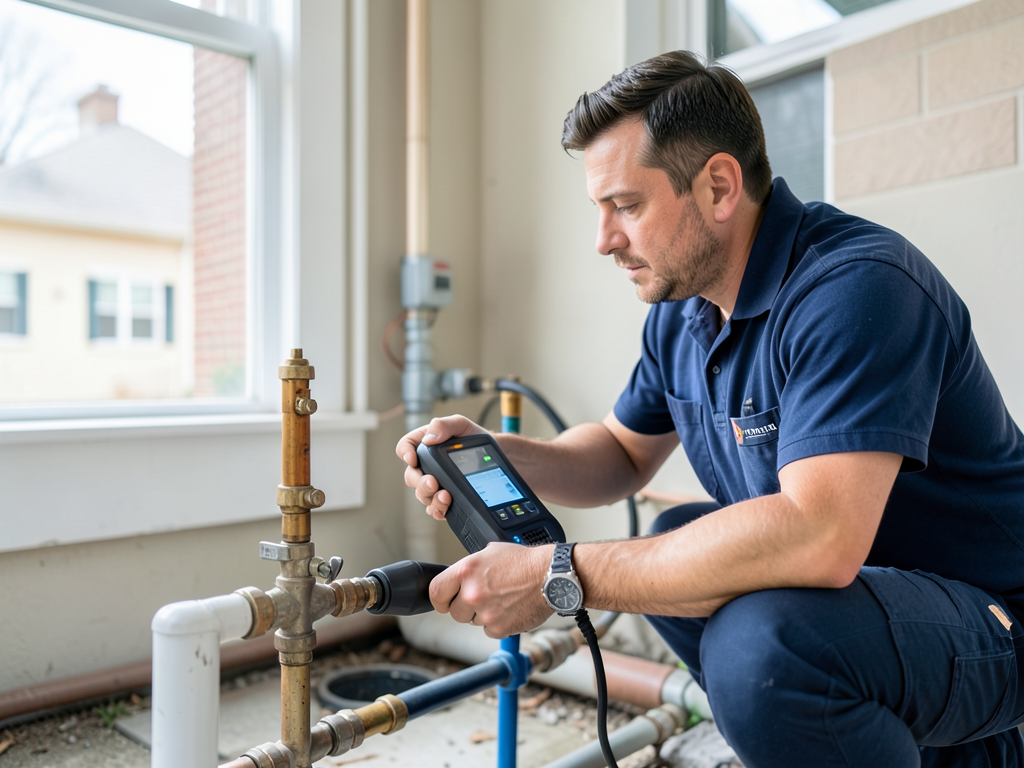
Gas leak detection uses multiple methods including electronic combustible gas detectors, ultrasonic leak detectors, and pressure testing with manometers. Soap bubble solution helps pinpoint exact leak locations on pipe joints and fittings.
Common leak locations include:
- Flexible connector fittings
- Valve stems and packing nuts
- Threaded joints that weren’t properly sealed
- Corroded steel pipe sections
- CSST damage from nails or screws
Repair methods depend on the leak location and pipe material. Steel pipe repairs typically involve cutting out damaged sections and installing new pipe with proper threading and sealing compound. CSST repairs require specialized fittings and careful inspection of the entire line for additional damage.
Gas Line Replacement and Repiping
Older Indianapolis homes often have galvanized steel gas lines that corrode from the inside out. This creates dangerous conditions where the pipe appears sound externally but has severely restricted flow or developing leaks internally.
Replacement involves removing old piping and installing new black steel or approved flexible piping. We coordinate with Citizens Energy Group to ensure proper meter sizing and pressure regulation throughout your system.
Why Hire a Licensed Indianapolis Gas Plumber?
Gas line work falls under Indiana’s strict plumbing regulations. Only licensed plumbers with specific gas line certifications should handle natural gas or propane systems. The risks of improper installation include:
- Explosion hazards from gas accumulation
- Carbon monoxide poisoning from incomplete combustion
- Fire damage from gas ignition
- Property damage from undetected leaks
- Code violations resulting in fines or insurance issues
Indiana Professional Licensing Agency (IPLA) requires gas plumbers to maintain active licenses and carry proper insurance. Licensed technicians understand Indiana Plumbing Commission rules, local building codes, and safety standards that protect your family.
Professional gas line installation includes pressure testing to 1.5 times the working pressure for at least 15 minutes. This verifies system integrity before the gas company will restore service. DIY attempts often skip this critical safety step.
Local Regulations and Permits in Indianapolis
Marion County requires permits for all gas line work beyond simple appliance connections. The permit process ensures your installation meets National Fuel Gas Code (NFPA 54) requirements and local amendments. NFPA 54 National Fuel Gas Code.
Key Indianapolis gas line requirements include:
- Minimum 18-inch burial depth for exterior lines
- Proper bonding and grounding of CSST systems
- Approved shut-off valves within 6 feet of appliances
- Support spacing not exceeding 6 feet for steel pipe
- Protection from corrosion using dielectric fittings
Working with Citizens Energy Group requires coordination for meter access, pressure testing, and final inspection. They maintain records of all gas service locations and can mark buried lines before excavation begins.
Indianapolis building codes require gas line inspections before walls are closed up on new construction or major renovations. Missing these inspections can result in costly rework and delays in obtaining your certificate of occupancy.
Common Gas Line Problems in Indianapolis Homes
Indianapolis’s climate and soil conditions create specific challenges for gas line systems. Understanding these local factors helps prevent problems before they become emergencies.
Freeze-Thaw Cycle Damage
Central Indiana experiences freeze-thaw cycles that cause soil movement around buried gas lines. This shifting can stress pipe connections and create leaks at joints. Homes in areas with heavy clay soil like Franklin and Greenwood face increased risk of this type of damage.
Corrosion Issues
High humidity and temperature swings in Indianapolis accelerate corrosion on unprotected steel pipe. Interior gas lines in unconditioned spaces like crawl spaces or attics face the greatest risk. Signs of corrosion include rust-colored staining, flaking metal, and reduced gas flow to appliances.
Improper DIY Modifications
Previous homeowners often make unsafe modifications to gas systems. Common problems include:
- Using improper thread sealant on pipe joints
- Installing flexible connectors that exceed code limits
- Running gas lines through furnace ducts or other prohibited spaces
- Missing or improperly installed shut-off valves
Gas Line Safety Features and Technology
Modern gas line installations incorporate multiple safety features that protect your home and family. These systems work together to prevent accidents and provide early warning of potential problems.
Automatic Shut-off Valves
Excess flow valves detect sudden pressure drops that indicate a major leak and automatically shut off gas supply. These devices activate within seconds of detecting abnormal flow rates, preventing gas accumulation in your home.
Gas Detectors and Monitors
Residential gas detectors provide early warning of natural gas or propane accumulation. These devices sound alarms when gas concentrations reach 10-20% of the lower explosive limit, giving you time to evacuate before dangerous levels are reached.
Carbon Monoxide Detectors
While not specific to gas lines, CO detectors are essential safety devices for homes with gas appliances. They alert you to incomplete combustion that could indicate a blocked vent, cracked heat exchanger, or other gas system problems.
Cost Factors for Gas Line Services
Gas line installation and repair costs vary based on several factors. Understanding these variables helps you budget appropriately for your project.
Distance from the gas meter significantly impacts cost. Longer runs require more materials and labor. Running a 20-foot line to a new gas fireplace costs less than a 50-foot run to an outdoor kitchen.
Material selection affects both initial cost and long-term reliability. Black steel pipe costs more in materials but lasts longer than flexible options in many applications. CSST offers labor savings but requires proper bonding and may have higher material costs.
Permitting and inspection fees add to project costs but ensure code compliance. Marion County permit fees typically range from $50-200 depending on project scope, with additional inspection fees for final approval.
Emergency service calls after hours or on weekends incur premium rates due to the immediate response required. However, addressing gas leaks promptly prevents much more expensive damage from fires or explosions.
Maintenance and Inspection Recommendations
Regular maintenance extends the life of your gas system and prevents dangerous failures. Annual inspections by qualified technicians can identify problems before they become emergencies.
Visual inspection points include:
- Checking for corrosion on exposed pipe
- Verifying proper operation of shut-off valves
- Inspecting flexible connectors for cracks or deterioration
- Checking appliance burner flames for proper combustion
Pressure testing every 3-5 years verifies system integrity. This test involves isolating your gas system and pressurizing it with air or nitrogen to detect even small leaks that might not produce noticeable gas odors.
Appliance maintenance includes cleaning burner assemblies, checking thermocouple operation, and verifying proper venting. These steps prevent incomplete combustion that could produce carbon monoxide or cause pilot light failures.
Frequently Asked Questions
How do I know if I have a gas leak?
Signs include the smell of rotten eggs (added mercaptan), hissing sounds near pipes, dead vegetation over buried lines, or higher than normal gas bills. If you suspect a leak, evacuate immediately and call emergency services.
Can I install my own gas line in Indianapolis?
Indiana law requires licensed plumbers for most gas line work beyond simple appliance connections. DIY gas work violates building codes and can void insurance coverage. The safety risks far outweigh any potential savings.
How long does gas line installation take?
Simple appliance hookups take 1-2 hours. New line installations typically require 4-8 hours depending on complexity. Complete repiping projects may take 1-2 days with proper permitting and inspection scheduling. Apartment Complex Plumbing.
What’s the difference between natural gas and propane lines?
Natural gas lines operate at lower pressure (typically 7 inches water column) while propane systems use higher pressure (11 inches water column). Equipment must be properly converted for the specific fuel type being used. Benefits of Water Softeners.
Do I need permits for gas line work in Indianapolis?
Yes, Marion County requires permits for most gas line installations and modifications. This ensures code compliance and includes required inspections for safety verification.
Customer Reviews from the Indianapolis Metro Area
John M. from Franklin says: “The technician found a small leak in our 20-year-old gas line that we never would have noticed. They repaired it the same day and explained everything clearly. Very professional service.”
Sarah T. from Greenwood shares: “We needed a gas line run to our new outdoor kitchen. The team handled the permit process, coordinated with Citizens Energy Group, and finished on schedule. The quality of the installation is excellent.”
Mike R. from Indianapolis comments: “Emergency gas leak on a Saturday night. They arrived within an hour, found the problem quickly, and made the repair safely. Worth every penny for the peace of mind.”
Service Areas Throughout Central Indiana
We serve homeowners throughout the Indianapolis metro area including:
- Marion County (46201, 46202, 46203, 46204, 46205, 46206, 46207, 46208, 46209, 46211, 46213, 46214, 46216, 46217, 46218, 46219, 46220, 46221, 46222, 46223, 46224, 46225, 46226, 46227, 46228, 46229, 46230, 46231, 46234, 46235, 46236, 46237, 46239, 46240, 46241, 46242, 46244, 46247, 46249, 46250, 46251, 46253, 46254, 46255, 46256, 46259, 46260, 46262, 46266, 46268, 46274, 46275, 46277, 46278, 46280, 46282, 46283, 46285, 46290, 46291, 46295, 46296, 46298)
- Hamilton County including Fishers and Carmel
- Johnson County including Greenwood and Franklin
- Hendricks County
- Boone County
Trust Your Gas Line Work to Licensed Professionals
Gas line installation and repair requires specialized knowledge, proper tools, and strict adherence to safety codes. Don’t risk your family’s safety with unlicensed work or DIY attempts. Professional installation ensures your system operates safely and efficiently for years to come.
Our licensed technicians carry proper insurance, maintain current certifications, and follow all Indiana plumbing codes. We provide upfront pricing, detailed explanations of recommended work, and stand behind our installations with quality guarantees.
Whether you need emergency leak repair, new appliance installation, or complete gas line repiping, professional service protects your investment and your family’s safety. Contact us today to schedule your gas line service in Indianapolis. Commercial Repiping Services.
Call (317) 688-8848 today to schedule your gas line inspection or emergency repair service. Our licensed technicians are ready to help keep your Indianapolis home safe and comfortable.
Pick up the phone and call (317) 688-8848 before the next storm hits. Don’t wait until a small gas leak becomes a major emergency. Professional service now prevents costly repairs later.
{
“@context”: “https://schema.org”,
“@type”: “BlogPosting”,
“headline”: “Safe Gas Line Installation and Repair Services for Indianapolis Homeowners”,
“description”: “Professional gas line installation and repair in Indianapolis. Licensed plumbers for safe natural gas and propane line work. Call (317) 688-8848 for emergency service.”,
“wordCount”: 2074,
“datePublished”: “2026-02-21T16:14:00.000Z”,
“dateModified”: “2026-02-21T16:14:00.000Z”,
“inLanguage”: “en-US”,
“mainEntityOfPage”: {
“@type”: “WebPage”,
“@id”: “https://keystoneplumbingindianapolis.com”
},
“publisher”: {
“@type”: “LocalBusiness”,
“name”: “Keystone Plumbing Indianapolis”,
“url”: “https://keystoneplumbingindianapolis.com”
},
“author”: {
“@type”: “Organization”,
“name”: “Keystone Plumbing Indianapolis”,
“url”: “https://keystoneplumbingindianapolis.com”
},
“image”: {
“@type”: “ImageObject”,
“url”: “https://keystoneplumbingindianapolis.com/wp-content/uploads/2026/03/safe-gas-line-installation-and-repair-services-for-1.png”
}
}
{
“@context”: “https://schema.org”,
“@type”: “Plumber”,
“name”: “Keystone Plumbing Indianapolis”,
“url”: “https://keystoneplumbingindianapolis.com”,
“address”: {
“@type”: “PostalAddress”,
“addressLocality”: “Indianapolis”
},
“areaServed”: {
“@type”: “City”,
“name”: “Indianapolis”
}
}
{
“@context”: “https://schema.org”,
“@type”: “FAQPage”,
“mainEntity”: [
{
“@type”: “Question”,
“name”: “Why Hire a Licensed Indianapolis Gas Plumber?”,
“acceptedAnswer”: {
“@type”: “Answer”,
“text”: “Gas line work falls under Indiana’s strict plumbing regulations. Only licensed plumbers with specific gas line certifications should handle natural gas or propane systems. The risks of improper installation include:”
}
},
{
“@type”: “Question”,
“name”: “How do I know if I have a gas leak?”,
“acceptedAnswer”: {
“@type”: “Answer”,
“text”: “Signs include the smell of rotten eggs (added mercaptan), hissing sounds near pipes, dead vegetation over buried lines, or higher than normal gas bills. If you suspect a leak, evacuate immediately and call emergency services.”
}
},
{
“@type”: “Question”,
“name”: “Can I install my own gas line in Indianapolis?”,
“acceptedAnswer”: {
“@type”: “Answer”,
“text”: “Indiana law requires licensed plumbers for most gas line work beyond simple appliance connections. DIY gas work violates building codes and can void insurance coverage. The safety risks far outweigh any potential savings.”
}
},
{
“@type”: “Question”,
“name”: “How long does gas line installation take?”,
“acceptedAnswer”: {
“@type”: “Answer”,
“text”: “Simple appliance hookups take 1-2 hours. New line installations typically require 4-8 hours depending on complexity. Complete repiping projects may take 1-2 days with proper permitting and inspection scheduling. Apartment Complex Plumbing.”
}
},
{
“@type”: “Question”,
“name”: “What’s the difference between natural gas and propane lines?”,
“acceptedAnswer”: {
“@type”: “Answer”,
“text”: “Natural gas lines operate at lower pressure (typically 7 inches water column) while propane systems use higher pressure (11 inches water column). Equipment must be properly converted for the specific fuel type being used. Benefits of Water Softeners.”
}
},
{
“@type”: “Question”,
“name”: “Do I need permits for gas line work in Indianapolis?”,
“acceptedAnswer”: {
“@type”: “Answer”,
“text”: “Yes, Marion County requires permits for most gas line installations and modifications. This ensures code compliance and includes required inspections for safety verification.”
}
}
]
}
{
“@context”: “https://schema.org”,
“@type”: “HowTo”,
“name”: “Gas Leak Emergency Response”,
“step”: [
{
“@type”: “HowToStep”,
“position”: 1,
“name”: “Evacuate Immediately”,
“text”: “Leave the building without using electrical switches, phones, or anything that could create a spark.”
},
{
“@type”: “HowToStep”,
“position”: 2,
“name”: “Call Emergency Services”,
“text”: “Dial 911 from a safe location outside your home.”
},
{
“@type”: “HowToStep”,
“position”: 3,
“name”: “Shut Off Gas Supply”,
“text”: “Locate your main gas shut-off valve and turn it clockwise if you can access it safely.”
},
{
“@type”: “HowToStep”,
“position”: 4,
“name”: “Contact Professional Help”,
“text”: “Call (317) 688-8848 for licensed gas line technicians in Indianapolis.”
}
],
“image”: “https://keystoneplumbingindianapolis.com/wp-content/uploads/2026/03/safe-gas-line-installation-and-repair-services-for-1.png”
}
{
“@context”: “https://schema.org”,
“@type”: “BreadcrumbList”,
“itemListElement”: [
{
“@type”: “ListItem”,
“position”: 1,
“name”: “Home”,
“item”: “https://keystoneplumbingindianapolis.com”
},
{
“@type”: “ListItem”,
“position”: 2,
“name”: “Blog”,
“item”: “https://keystoneplumbingindianapolis.com/blog”
},
{
“@type”: “ListItem”,
“position”: 3,
“name”: “Safe Gas Line Installation and Repair Services for Indianapolis Homeowners”
}
]
}
{
“@context”: “https://schema.org”,
“@type”: “Service”,
“serviceType”: “Plumbing”,
“provider”: {
“@type”: “LocalBusiness”,
“name”: “Keystone Plumbing Indianapolis”,
“url”: “https://keystoneplumbingindianapolis.com”
},
“areaServed”: {
“@type”: “City”,
“name”: “Indianapolis”
},
“description”: “Professional gas line installation and repair in Indianapolis. Licensed plumbers for safe natural gas and propane line work. Call (317) 688-8848 for emergency service.”
}