
Safe Water Heater Venting Inspections for Older Homes in SoBro
Carbon monoxide poisoning kills over 400 Americans every year according to the CDC, and faulty water heater venting in Indianapolis’s older SoBro homes creates a serious risk. Many houses built before 1980 have atmospheric venting systems that rely on natural draft to expel combustion gases. When these systems fail due to blocked flues, negative pressure, or deteriorated materials, deadly gases can backdraft into living spaces. The solution is a professional venting inspection that tests for proper draft, checks for code compliance, and identifies early warning signs before they become emergencies. CDC Carbon Monoxide Poisoning Facts.
Common Venting Problems in SoBro’s Historic Homes
SoBro’s architectural charm comes with hidden plumbing vulnerabilities. Many homes along the Virginia Avenue corridor and near Fletcher Place were built with galvanized steel vent pipes that corrode from the inside out. The combination of Indianapolis’s freeze-thaw cycles and high humidity accelerates this deterioration. You might notice rust streaks on your chimney or melted plastic draft hood rings – both signs that combustion gases are leaking into your home.
Another issue unique to SoBro is the proximity of homes to each other. Narrow lots mean vent stacks often run through shared walls or are terminated too close to neighboring windows. This violates modern clearance requirements and can cause backdrafting when wind patterns create negative pressure zones between tightly packed houses.
Testing Your Water Heater Vent for Safety
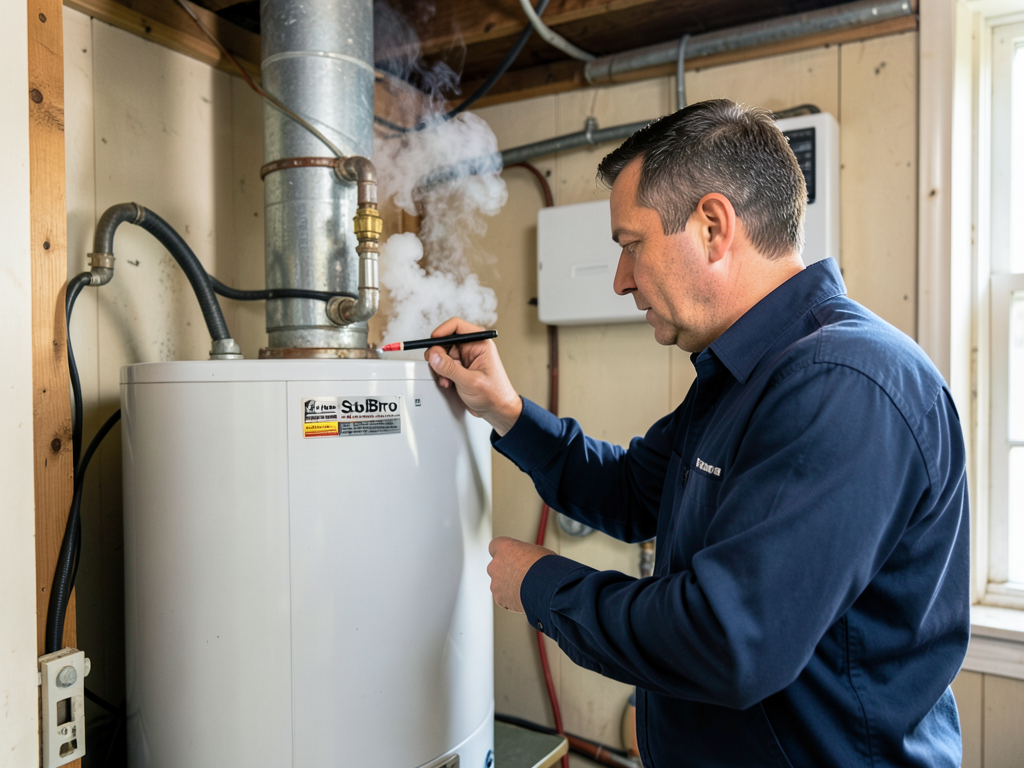
A proper venting inspection uses three diagnostic tools. First, a smoke pencil test reveals whether your vent is drawing properly by showing the direction of airflow. Second, a carbon monoxide detector measures levels near the water heater and throughout the home. Third, a draft gauge quantifies the negative pressure needed to maintain proper venting. Benefits of Water Softeners.
During testing, technicians look for these warning signs: condensation on the vent pipe (indicating cool gases that won’t rise), rust holes in the flue, or a draft hood that’s been damaged by heat. The presence of any of these conditions means your system needs immediate attention.
Indianapolis Code Requirements for Water Heater Venting
The Indianapolis Mechanical Code and Indiana Fuel Gas Code require specific venting standards that many older SoBro homes don’t meet. Section 802.7.1 mandates a minimum vent pipe diameter based on BTU input, while Section 802.11 requires proper clearance from combustible materials. Homes within the 46202 zip code often need permits for venting modifications due to historic district regulations.
Modern high-efficiency water heaters use different venting materials than older units. PVC schedule 40 pipe is approved for condensing units, but only if installed with proper slope and support. B-vent double-wall pipe is required for atmospheric units in certain applications. Using the wrong material creates a fire hazard and violates code.
Power Vent vs. Atmospheric Vent Systems
Atmospheric vents rely on natural convection to carry gases upward, while power vents use a fan to force exhaust through the pipe. Power vents work better in SoBro’s tightly sealed older homes where negative pressure from exhaust fans can interfere with natural draft. They also allow horizontal venting runs when vertical clearance isn’t available.
However, power vents require electrical power and have moving parts that can fail. Atmospheric systems are simpler but more vulnerable to backdrafting. The choice depends on your home’s layout, local wind patterns, and whether you’re willing to run electrical to your water heater location.
Warning Signs Your Venting System is Failing
Carbon monoxide symptoms include headaches, dizziness, and nausea that improve when you leave the house. Physical signs include soot around the water heater, rust on the vent pipe, or a yellow instead of blue burner flame. You might also notice that your water heater pilot light frequently goes out or that you smell exhaust when the unit runs.
Another diagnostic clue is the “dollar bill test” – close all windows and doors, turn on exhaust fans, then hold a dollar bill near the draft hood. If it’s pulled toward the vent, you have adequate draft. If it’s pushed away or flutters randomly, you have a dangerous backdraft condition.
Professional Venting Inspection Process
A thorough inspection starts with checking the vent connector for proper slope – it should rise at least 1/4 inch per foot toward the chimney. Next, technicians examine the chimney liner for cracks or deterioration. Many SoBro homes have unlined chimneys that allow combustion gases to escape into the masonry.
The inspection includes testing combustion air supply. Older homes often lack dedicated combustion air ducts, relying instead on air infiltration through cracks. This works fine until you add insulation or replace windows, then negative pressure problems emerge. A manometer test measures the pressure differential that could cause backdrafting.
Repair Options for Failing Venting Systems
Minor issues like loose vent connectors can be fixed with sheet metal screws and high-temperature sealant. More serious problems require replacing the entire vent run with code-compliant materials. In some cases, installing a power vent kit converts an atmospheric system to a safer configuration without replacing the water heater.
For homes with deteriorated chimneys, relining with stainless steel pipe provides a new vent path. This costs less than rebuilding the entire chimney and meets modern code requirements. Some homeowners opt for tankless water heaters that use sealed combustion and can vent through PVC pipe directly through a wall.
Cost Factors for Venting Repairs in SoBro
Repair costs vary based on the extent of work needed. Simple vent connector replacement might cost $300-500, while chimney relining runs $1,500-3,000. Power vent conversions typically cost $800-1,200 including parts and labor. The age of your home affects pricing since older construction often requires more labor to access concealed vent runs.
Permits add $100-200 to the cost but are required for most venting modifications in Marion County. Some SoBro neighborhoods have additional historic district requirements that can increase both cost and timeline for repairs.
Preventing Future Venting Problems
Annual maintenance prevents most venting failures. This includes checking vent connections, cleaning the burner assembly, and testing draft. Installing carbon monoxide detectors on every level provides early warning of problems. For homes with atmospheric vents, consider adding a backdraft damper to prevent reverse flow.
During home renovations, always consider how changes affect combustion air and venting. Adding a high-powered kitchen exhaust fan without providing make-up air can create backdraft conditions even in a properly vented system.
Why Choose Local SoBro Experts
Water heater venting requires understanding both code requirements and local building patterns. SoBro homes have unique characteristics – from shared party walls to historic district restrictions – that affect venting solutions. Local technicians know which zip codes require permits, which neighborhoods have specific material requirements, and how to work within historic preservation guidelines.
Experience matters when diagnosing venting problems. A technician who’s worked on dozens of SoBro homes recognizes patterns that indicate specific failure modes. They know that homes near the Monon Trail often have different venting issues than those closer to Fountain Square due to varying construction dates and architectural styles.
Emergency Venting Services Available
Venting problems can become emergencies when carbon monoxide levels rise or when a blocked flue causes the water heater to shut down completely. Our emergency service responds within two hours for critical venting issues. We carry common replacement parts on our trucks to complete most repairs the same day.
Signs that require immediate attention include visible soot, melted plastic components, or carbon monoxide detector alarms. Don’t wait for symptoms to worsen – backdrafting conditions can deteriorate rapidly, especially during temperature extremes when heating systems create strong negative pressure.
Frequently Asked Questions
How often should I have my water heater venting inspected?
Annual inspections are recommended for all water heater venting systems, with older atmospheric units requiring more frequent checks. Homes over 20 years old should have professional inspections every six months to catch deterioration before it becomes dangerous.
Can I install a carbon monoxide detector near my water heater?
CO detectors should be installed in hallways outside sleeping areas and on every level of your home, but not directly next to fuel-burning appliances. Place them at least 15 feet from water heaters to avoid false alarms while still providing protection.
What’s the difference between B-vent and PVC venting?
B-vent is double-wall metal pipe for atmospheric gas appliances, while PVC is used for high-efficiency condensing units. B-vent handles higher temperatures and requires specific clearances to combustibles. PVC is cheaper but only suitable for units that produce cool exhaust.
Take Action to Protect Your Family Today
Carbon monoxide from faulty water heater venting poses a serious risk to SoBro families. The symptoms can be subtle at first – headaches, fatigue, or flu-like symptoms that improve when you leave home. Don’t wait for a tragedy to occur. A professional venting inspection costs far less than emergency room visits or worse.
Call (317) 688-8848 today to schedule your comprehensive water heater venting inspection. Our licensed technicians will test for proper draft, check for code compliance, and provide a detailed report of any needed repairs. We serve all SoBro zip codes including 46202, 46205, and surrounding areas.
Pick up the phone and call (317) 688-8848 before the next cold snap hits. Winter puts extra stress on venting systems when homes are sealed tight and heating equipment runs constantly. Don’t let a preventable problem put your family at risk. For more information, visit National Fire Protection Association CO Safety Guidelines.
{
“@context”: “https://schema.org”,
“@type”: “BlogPosting”,
“headline”: “Safe Water Heater Venting Inspections for Older Homes in SoBro”,
“description”: “Protect your SoBro home from carbon monoxide risks. Learn how to spot dangerous venting issues and get professional inspections for older Indianapolis homes.”,
“wordCount”: 1563,
“datePublished”: “2026-04-22T10:37:00.000Z”,
“dateModified”: “2026-04-22T10:37:00.000Z”,
“inLanguage”: “en-US”,
“mainEntityOfPage”: {
“@type”: “WebPage”,
“@id”: “https://keystoneplumbingindianapolis.com”
},
“publisher”: {
“@type”: “LocalBusiness”,
“name”: “Keystone Plumbing Indianapolis”,
“url”: “https://keystoneplumbingindianapolis.com”
},
“author”: {
“@type”: “Organization”,
“name”: “Keystone Plumbing Indianapolis”,
“url”: “https://keystoneplumbingindianapolis.com”
},
“image”: {
“@type”: “ImageObject”,
“url”: “https://keystoneplumbingindianapolis.com/wp-content/uploads/2026/03/safe-water-heater-venting-inspections-for-older-ho-1.png”
}
}
{
“@context”: “https://schema.org”,
“@type”: “Plumber”,
“name”: “Keystone Plumbing Indianapolis”,
“url”: “https://keystoneplumbingindianapolis.com”,
“address”: {
“@type”: “PostalAddress”,
“addressLocality”: “Indianapolis”
},
“areaServed”: {
“@type”: “City”,
“name”: “Indianapolis”
}
}
{
“@context”: “https://schema.org”,
“@type”: “FAQPage”,
“mainEntity”: [
{
“@type”: “Question”,
“name”: “How often should I have my water heater venting inspected?”,
“acceptedAnswer”: {
“@type”: “Answer”,
“text”: “Annual inspections are recommended for all water heater venting systems, with older atmospheric units requiring more frequent checks. Homes over 20 years old should have professional inspections every six months to catch deterioration before it becomes dangerous.”
}
},
{
“@type”: “Question”,
“name”: “Can I install a carbon monoxide detector near my water heater?”,
“acceptedAnswer”: {
“@type”: “Answer”,
“text”: “CO detectors should be installed in hallways outside sleeping areas and on every level of your home, but not directly next to fuel-burning appliances. Place them at least 15 feet from water heaters to avoid false alarms while still providing protection.”
}
},
{
“@type”: “Question”,
“name”: “What’s the difference between B-vent and PVC venting?”,
“acceptedAnswer”: {
“@type”: “Answer”,
“text”: “B-vent is double-wall metal pipe for atmospheric gas appliances, while PVC is used for high-efficiency condensing units. B-vent handles higher temperatures and requires specific clearances to combustibles. PVC is cheaper but only suitable for units that produce cool exhaust.”
}
}
]
}
{
“@context”: “https://schema.org”,
“@type”: “BreadcrumbList”,
“itemListElement”: [
{
“@type”: “ListItem”,
“position”: 1,
“name”: “Home”,
“item”: “https://keystoneplumbingindianapolis.com”
},
{
“@type”: “ListItem”,
“position”: 2,
“name”: “Blog”,
“item”: “https://keystoneplumbingindianapolis.com/blog”
},
{
“@type”: “ListItem”,
“position”: 3,
“name”: “Safe Water Heater Venting Inspections for Older Homes in SoBro”
}
]
}
{
“@context”: “https://schema.org”,
“@type”: “Service”,
“serviceType”: “Plumbing”,
“provider”: {
“@type”: “LocalBusiness”,
“name”: “Keystone Plumbing Indianapolis”,
“url”: “https://keystoneplumbingindianapolis.com”
},
“areaServed”: {
“@type”: “City”,
“name”: “Indianapolis”
},
“description”: “Protect your SoBro home from carbon monoxide risks. Learn how to spot dangerous venting issues and get professional inspections for older Indianapolis homes.”
}