
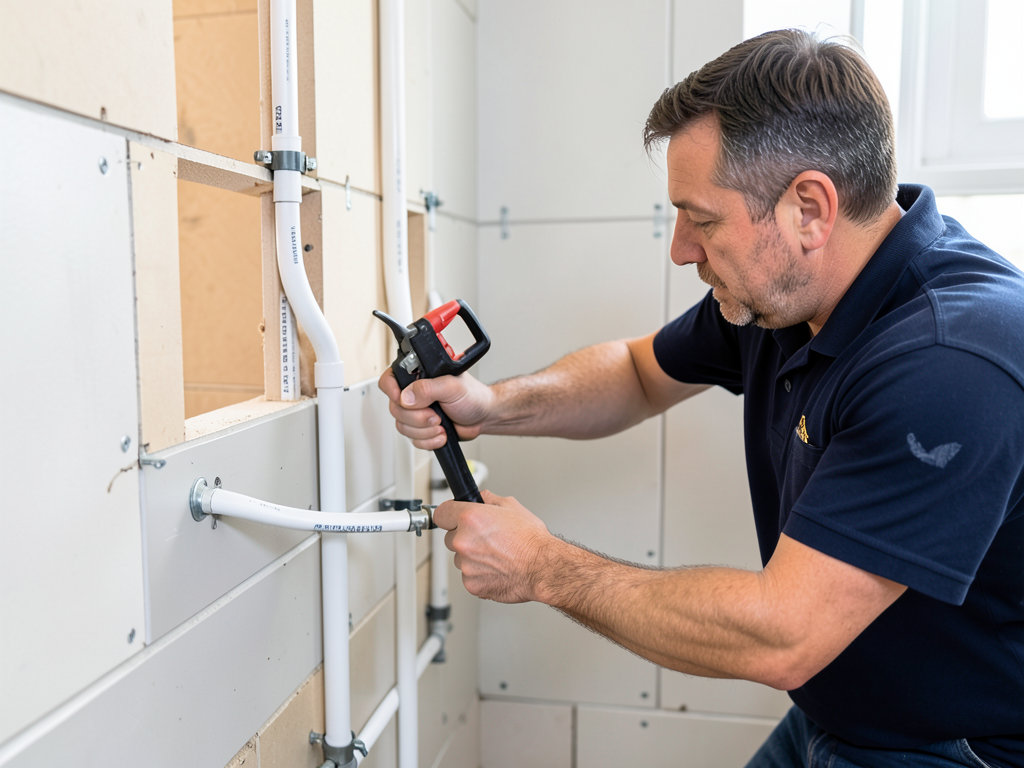
The Plumbing Contractor You Need for Your Zionsville Bathroom Remodel
Planning a bathroom remodel in Zionsville requires more than picking tile and paint colors. The hidden plumbing work determines whether your new bathroom functions flawlessly for decades or develops costly problems within months. A licensed master plumber who understands Zionsville’s specific building codes, water pressure patterns, and historic home challenges becomes your project’s foundation. Benefits of Water Softeners.
Local homes in Zionsville range from century-old properties near the Village area with galvanized steel pipes to newer constructions in developments like Anson that need modern code-compliant rough-ins. Each requires different diagnostic approaches and technical solutions that only experienced local plumbers recognize immediately.
Why Zionsville Bathroom Remodels Need Specialized Plumbing Expertise
Zionsville’s unique water infrastructure creates specific challenges. The municipal water supply from Citizens Energy Group delivers consistent pressure, but older Zionsville homes often have undersized supply lines that cannot support multiple modern fixtures simultaneously. A plumber who has worked in the area knows to check the main line diameter before recommending luxury shower systems.. Read more about Professional Faucet and Fixture Installation for Homeowners in Geist.
The Village district presents another layer of complexity. Historic homes built before 1950 often contain lead service lines or cast iron drain stacks that require careful replacement during remodels. Moving these pipes without proper support can cause immediate failure or create hidden leaks that damage new finishes within months.
Soil conditions in Boone County also affect plumbing decisions. The region’s clay-heavy soil expands and contracts with moisture changes, putting stress on underground connections. A local plumber knows to use flexible couplings and proper bedding materials that prevent pipe separation during seasonal ground movement.
Comprehensive Bathroom Plumbing Services for Zionsville Homes
Professional bathroom remodel plumbing extends far beyond connecting new fixtures. Every project requires systematic evaluation of existing systems, careful planning for new layouts, and precise installation that meets current Indiana plumbing codes. Indiana plumbing code requirements.
Plumbing Rough-In and Pipe Reconfiguration
The rough-in phase determines your bathroom’s long-term performance. This involves removing old pipes, installing new supply lines, and creating proper drainage paths before walls close. In Zionsville remodels, plumbers often discover corroded galvanized pipes that reduce water pressure to unusable levels.
Proper rough-in requires calculating fixture unit loads to ensure adequate water supply. A standard toilet needs 2.5 fixture units, while a luxury shower with multiple heads might require 6-8 units. The plumber must verify your main line can handle the total demand without pressure drops that affect other home fixtures.
Drain line sizing follows strict guidelines. A standard shower drain requires a 2-inch pipe, but adding a whirlpool tub or multiple fixtures might need 3-inch drains to prevent backups. The plumber calculates slope requirements – drains must drop 1/4 inch per foot to maintain proper flow without creating gurgling sounds.
Luxury Shower and Bathtub Installation
Modern showers demand precise waterproofing and drainage systems. The plumber installs pre-sloped shower pans with waterproof membranes that direct water to the drain without allowing moisture penetration into walls or floors. In Zionsville’s humid climate, improper waterproofing causes mold growth within months.
Body spray systems and rain showerheads require dedicated 1/2-inch supply lines with pressure-balancing valves. These valves prevent scalding when other fixtures turn on – a critical safety feature often overlooked in DIY installations. The plumber tests each connection at 80-100 PSI to verify no leaks exist before closing walls. Reliable Sump Pump Installation in Fishers to Keep Your Basement Dry.
Freestanding tubs need reinforced floor supports since filled tubs weigh 800-1200 pounds. The plumber assesses floor joist spacing and may recommend additional blocking to prevent floor deflection that causes grout cracking or fixture misalignment over time.
Custom Vanity and Double-Sink Plumbing
Double-sink installations require careful supply line planning. Each sink needs hot and cold lines with individual shut-off valves. The plumber ensures proper spacing – typically 30-36 inches between drain centers – to accommodate standard vanity tops while maintaining code-required trap arm lengths.
Wall-mounted vanities need precise drain positioning since there’s no cabinet to hide minor misalignments. The plumber uses laser levels to ensure drains sit exactly where the new vanity expects them, preventing costly countertop modifications or visible plumbing connections.
Touchless faucets and smart fixtures require dedicated electrical connections and sometimes water filtration systems. The plumber coordinates with electricians to ensure proper grounding and installs isolation valves for future maintenance without shutting off the entire bathroom’s water supply.
Eco-Friendly and High-Efficiency Fixture Upgrades
WaterSense-certified fixtures reduce consumption by 20% without sacrificing performance. Modern low-flow toilets use 1.28 gallons per flush compared to older models using 3.5-7 gallons. The plumber ensures your home’s drain lines can handle the reduced water volume – older pipes sized for higher flows might not clear waste properly with low-flow fixtures. WaterSense program.
Tankless water heaters provide endless hot water but require proper gas line sizing. A standard 40-gallon tank uses a 1/2-inch gas line, while a tankless unit might need 3/4-inch to meet peak demand. The plumber calculates BTU requirements and verifies your existing gas service can support the upgrade.
Greywater systems capture sink and shower water for toilet flushing, reducing consumption by 30%. These systems require permits and specific installation methods. The plumber installs separate drain lines and pumps that prevent cross-contamination while meeting Boone County health department requirements.
The Zionsville Bathroom Remodel Process: What to Expect
Understanding the remodeling timeline helps you plan around construction disruption. A typical bathroom remodel takes 2-3 weeks from demolition to final inspection, with specific phases requiring different levels of access to your home.
Step 1: Initial Consultation and System Assessment
The plumber begins with a comprehensive evaluation of your existing plumbing. This includes pressure testing supply lines, inspecting drain conditions with cameras, and checking for code violations that must be corrected. In Zionsville homes, plumbers often find polybutylene pipes or improper venting that requires immediate attention. Sewer Camera Inspections in Pike Township to Find the Root of Your Problem.
During this phase, the plumber discusses your fixture preferences and calculates load requirements. They determine if your water heater can handle additional demand or if upgrades are necessary. This prevents the frustration of installing beautiful fixtures that cannot function properly with your existing systems.
Step 2: Permit Acquisition and Code Compliance
Boone County requires permits for all bathroom plumbing work involving new installations or major modifications. The plumber submits detailed plans showing pipe routes, fixture locations, and venting configurations. Zionsville’s inspection department typically reviews permits within 3-5 business days.
Indiana plumbing code mandates specific requirements for bathroom remodels. P-traps must maintain water seals to prevent sewer gas entry. Vent pipes require proper sizing – a bathroom group typically needs a 1.5-inch vent that ties into the main stack. The plumber ensures all installations meet or exceed these standards. Trenchless Sewer Line Replacement in Greenwood without Digging Up Your Yard.
ADA compliance becomes important for universal design remodels. Grab bar installations require backing in walls at specific heights and locations. The plumber installs reinforced blocking during rough-in, preventing costly wall demolition later if accessibility needs change.
Step 3: Demolition and Rough-In Installation
Demolition reveals hidden problems. The plumber removes old fixtures, cuts access holes for new plumbing, and addresses any discovered damage. In Zionsville’s older homes, this often uncovers water damage, mold, or structural issues that must be resolved before proceeding.
Rough-in installation follows a specific sequence. First, the plumber installs new supply lines using PEX or copper, depending on local conditions and client preferences. PEX offers flexibility for tight spaces but requires specific support methods to prevent pipe movement and noise.
Next comes drain installation. The plumber ensures all pipes maintain proper slope and connects to existing sewer lines without creating bottlenecks. They pressure-test all connections at 150 PSI – three times normal operating pressure – to verify leak-free installation before walls close.
Step 4: Fixture Installation and Final Testing
After rough inspection approval, the plumber installs fixtures and connects trim pieces. This includes setting toilets, mounting faucets, and connecting shower valves. Each connection receives thread sealant or tape to prevent leaks at joints.
Final testing involves running all fixtures simultaneously to verify pressure balance and drainage. The plumber checks for leaks at every connection, tests water temperature consistency, and ensures proper drainage without gurgling or slow emptying. They also verify all shut-off valves function correctly for emergency isolation.
The final inspection confirms code compliance. Boone County inspectors check for proper trap seals, adequate venting, and correct fixture installation. The plumber addresses any noted deficiencies immediately to obtain final approval and complete the project.
Specialized Bathroom Remodel Services in Zionsville
Certain bathroom remodels require advanced expertise beyond standard fixture replacement. These specialized services address unique challenges that Zionsville homeowners frequently encounter.
Walk-In Tub and ADA-Compliant Bathroom Conversions
Walk-in tubs provide safe bathing for seniors but require significant plumbing modifications. These units need dedicated 40-60 gallon water heaters since they fill completely before bathing begins. The plumber calculates recovery time to ensure the heater can meet demand without running cold.
ADA bathrooms require specific clearances and fixture heights. Toilets must sit 17-19 inches from floor to seat. Sinks need 29-inch maximum height with clear knee space underneath. The plumber ensures all installations meet these requirements while maintaining aesthetic appeal.
Grab bar installations require proper backing. The plumber installs 2×6 blocking between studs at grab bar locations before drywall installation. This prevents the dangerous failure of bars pulling from walls under load – a common problem when bars mount only to drywall.
Tankless Water Heater Integration
Adding a bathroom might push your existing water heater beyond capacity. Tankless units provide endless hot water but require proper sizing based on simultaneous fixture demand. A standard shower uses 2.5 GPM, while luxury multi-head showers might need 5-7 GPM.
Gas tankless units require proper venting and gas line sizing. The plumber calculates BTU requirements – a typical bathroom group might need 150,000-200,000 BTU input. This often requires upgrading from 1/2-inch to 3/4-inch gas lines, especially in older Zionsville homes with undersized service.
Electric tankless units eliminate gas concerns but might require electrical panel upgrades. A 24kW unit needs a 100-amp dedicated circuit. The plumber coordinates with electricians to ensure your panel can handle the additional load without creating safety hazards.
Steam Shower Installation
Steam showers create spa-like experiences but require specialized plumbing and electrical systems. These units need steam generators typically installed in nearby closets or utility spaces. The plumber runs dedicated water lines with shut-off valves and condensation drains to remove moisture that accumulates during operation.
Steam systems operate at higher pressures than standard showers. The plumber installs pressure relief valves and ensures all connections can handle 3-5 PSI operating pressure without leaking. They also verify proper slope on steam lines to prevent water hammer and ensure even steam distribution.
Control systems for steam showers require low-voltage wiring separate from standard plumbing. The plumber coordinates with control system specialists to ensure proper integration while maintaining all plumbing code requirements for wet locations.
Common Zionsville Bathroom Remodel Challenges and Solutions
Local conditions create specific problems that require experienced solutions. Understanding these challenges helps you avoid costly mistakes and ensures your remodel succeeds the first time.
Hard Water and Fixture Longevity
Zionsville’s municipal water contains high mineral content that causes scale buildup in fixtures and pipes. Standard aerators clog within months, reducing flow rates by 50% or more. The plumber installs scale-resistant fixtures with rubber nozzles that resist mineral accumulation and maintain performance.
Shower valves in hard water areas benefit from ceramic disc cartridges instead of traditional compression valves. These cartridges resist scale buildup and provide smoother operation for years longer than standard valves. The plumber recommends specific brands proven to withstand Zionsville’s water conditions.
Water softeners protect plumbing investments but require proper installation. The plumber ensures adequate drainage for regeneration cycles and installs bypass valves for maintenance without disrupting household water service. They also verify proper sizing – a family of four typically needs a 30,000-grain unit to handle Zionsville’s hardness levels.
Historic Home Plumbing Upgrades
Village district homes built before 1950 present unique challenges. Original plumbing often uses galvanized steel that corrodes internally, creating pressure drops and eventual failure. The plumber replaces these lines with modern materials while preserving historic character where visible.
Lead service lines in historic homes require careful handling during replacement. The plumber follows EPA guidelines for lead abatement, using proper containment and disposal methods. They also install water filtration systems to remove any residual lead particles from the municipal supply.
Balloon framing in historic homes creates irregular stud spacing that complicates modern plumbing installation. The plumber uses flexible PEX tubing that snakes through irregular cavities without requiring extensive reframing, preserving structural integrity while providing modern functionality.
Soil Movement and Pipe Stability
Boone County’s clay soil expands when wet and contracts during dry periods. This movement stresses underground connections, causing leaks at joints. The plumber uses flexible couplings and proper bedding materials that accommodate soil movement without pipe separation.
Exterior drain lines need protection from root intrusion. The plumber installs root barriers and uses schedule 40 PVC for underground applications instead of standard schedule 20 pipe. They also ensure proper slope – minimum 1/4 inch per foot – to prevent standing water that attracts roots.
Foundation movement affects interior plumbing. The plumber installs expansion loops in long pipe runs to accommodate minor building movement without stressing connections. They also use slip joints where pipes pass through walls or floors to prevent stress transfer.
Cost Factors for Zionsville Bathroom Remodel Plumbing
Plumbing costs vary significantly based on project scope, existing conditions, and material choices. Understanding these factors helps you budget accurately and avoid surprises during construction.
Basic fixture replacement – swapping old toilets, sinks, and faucets for new units in existing locations – typically costs $2,000-$4,000. This includes removal of old fixtures, installation of new units, and basic testing.
Complete rough-in remodels where walls open for new plumbing installations range from $5,000-$12,000. Costs increase with the number of fixtures, distance from existing plumbing, and complexity of venting requirements. Moving a toilet across a bathroom might add $1,000-$2,000 due to drain line rerouting.
Luxury installations with steam showers, multiple showerheads, or specialty fixtures can exceed $15,000 in plumbing costs alone. These projects require larger supply lines, upgraded water heaters, and complex control systems that drive up material and labor expenses.
Permit fees in Boone County typically run $100-$300 depending on project scope. Inspection fees add another $75-$150. The plumber handles all permit acquisition and scheduling, ensuring work proceeds without delays from missing documentation.
Why Choose Local Zionsville Plumbing Expertise
Local plumbers understand Zionsville’s specific challenges better than out-of-town contractors. They know which fixture brands perform best in local water conditions, understand inspection requirements, and can recommend solutions proven effective in area homes.
Quick response times matter during remodels. Local plumbers can address issues immediately rather than waiting days for out-of-area contractors to travel. This prevents project delays and keeps your remodel on schedule. Quick Garbage Disposal Repair in Lawrence to Get Your Kitchen Back in Order.
Established relationships with local inspectors and suppliers benefit your project. The plumber knows exactly what inspectors look for and can often expedite permit processing. They also have accounts with local suppliers for immediate material delivery if unexpected issues arise.
Warranty service becomes crucial after project completion. Local plumbers provide prompt service for any issues that develop, often resolving problems within 24 hours rather than requiring multi-day waits for traveling contractors.
Frequently Asked Questions
How long does bathroom remodel plumbing typically take?
Plumbing work during a bathroom remodel usually takes 2-5 days depending on project complexity. Rough-in installation requires 1-2 days, followed by inspection approval before fixture installation can proceed. The entire remodel process typically spans 2-3 weeks from demolition to final inspection.
Do I need permits for bathroom plumbing work in Zionsville?
Yes, Boone County requires permits for all bathroom plumbing modifications including new fixture installations, drain line changes, and water supply alterations. The plumber handles permit acquisition and ensures all work meets Indiana plumbing code requirements. Permit fees typically range from $100-$300.
Can I keep my existing plumbing during a remodel?
You can keep existing plumbing if it’s in good condition and meets current codes. However, many Zionsville homes have galvanized steel pipes that corrode internally and restrict flow. The plumber tests existing systems and recommends replacement if pressure drops or corrosion appear problematic.
What causes bathroom plumbing problems after remodels?
Common post-remodel issues include improper venting causing slow drains, incorrect pipe sizing leading to pressure drops, and poor waterproofing causing water damage. These problems often result from DIY work or inexperienced contractors who don’t understand local code requirements and proper installation techniques.
How do I know if my water pressure is adequate for new fixtures?
The plumber tests your water pressure using a gauge that measures PSI at various fixtures. Ideal pressure ranges from 45-80 PSI. Low pressure might require pressure-boosting pumps or pipe upgrades. High pressure above 80 PSI needs pressure-reducing valves to prevent fixture damage.
What’s the difference between PEX and copper plumbing?
PEX offers flexibility, freeze resistance, and lower cost but cannot be used outside or where exposed to sunlight. Copper provides longevity and reliability but costs more and can corrode in certain water conditions. The plumber recommends materials based on your specific needs and local conditions.
How much should I budget for plumbing in my bathroom remodel?
Plumbing typically represents 10-15% of total bathroom remodel costs. Basic fixture replacement runs $2,000-$4,000, while complete rough-in remodels cost $5,000-$12,000. Luxury installations with multiple showerheads or steam systems can exceed $15,000 in plumbing expenses alone.
Should I upgrade my water heater during a bathroom remodel?
Consider upgrading if your current heater is over 8-10 years old or if you’re adding fixtures that increase hot water demand. Tankless units provide endless hot water but require proper sizing and gas line upgrades. The plumber calculates your household’s hot water needs to recommend appropriate solutions.
What causes drain odors in remodeled bathrooms?
Drain odors typically result from dry P-traps, improper venting, or sewer line problems. P-traps must maintain water seals to block sewer gases. The plumber ensures all traps hold water and vents properly to prevent pressure imbalances that force gases through drains.
How do I prevent mold growth in my new bathroom?
Prevent mold by ensuring proper waterproofing, adequate ventilation, and correct fixture installation. The plumber installs moisture barriers, ensures drain lines slope properly to prevent standing water, and verifies exhaust fans move sufficient air volume to remove humidity after showers.
Ready to Start Your Zionsville Bathroom Remodel?
Don’t let plumbing problems derail your dream bathroom. Professional installation ensures your new space functions perfectly for years while avoiding costly repairs and water damage. Whether you’re updating a historic Village home or creating a luxury retreat in Anson, expert plumbing makes the difference between a successful remodel and an expensive headache.
Call (317) 688-8848 today to schedule your bathroom plumbing consultation. Our licensed master plumbers will evaluate your existing systems, discuss your design goals, and provide detailed proposals that keep your project on time and within budget. Serving Zionsville and all of Boone County with emergency service available 24/7.
Pick up the phone and call (317) 688-8848 before the next storm hits. Don’t wait until plumbing problems cause water damage to your new finishes. Professional evaluation now prevents emergency repairs later and protects your remodeling investment.
{
“@context”: “https://schema.org”,
“@type”: “BlogPosting”,
“headline”: “The Plumbing Contractor You Need for Your Zionsville Bathroom Remodel”,
“description”: “Expert bathroom remodel plumbing in Zionsville, IN. Licensed master plumbers handle rough-ins, fixture installs, and permits for luxury showers, vanities, and ADA upgrades.”,
“wordCount”: 3221,
“datePublished”: “2026-02-28T16:45:00.000Z”,
“dateModified”: “2026-02-28T16:45:00.000Z”,
“inLanguage”: “en-US”,
“mainEntityOfPage”: {
“@type”: “WebPage”,
“@id”: “https://keystoneplumbingindianapolis.com”
},
“publisher”: {
“@type”: “LocalBusiness”,
“name”: “Keystone Plumbing Indianapolis”,
“url”: “https://keystoneplumbingindianapolis.com”
},
“author”: {
“@type”: “Organization”,
“name”: “Keystone Plumbing Indianapolis”,
“url”: “https://keystoneplumbingindianapolis.com”
},
“image”: {
“@type”: “ImageObject”,
“url”: “https://keystoneplumbingindianapolis.com/wp-content/uploads/2026/03/the-plumbing-contractor-you-need-for-your-zionsvil-1.png”
}
}
{
“@context”: “https://schema.org”,
“@type”: “Plumber”,
“name”: “Keystone Plumbing Indianapolis”,
“url”: “https://keystoneplumbingindianapolis.com”,
“address”: {
“@type”: “PostalAddress”,
“addressLocality”: “Indianapolis”
},
“areaServed”: {
“@type”: “City”,
“name”: “Indianapolis”
}
}
{
“@context”: “https://schema.org”,
“@type”: “FAQPage”,
“mainEntity”: [
{
“@type”: “Question”,
“name”: “How long does bathroom remodel plumbing typically take?”,
“acceptedAnswer”: {
“@type”: “Answer”,
“text”: “Plumbing work during a bathroom remodel usually takes 2-5 days depending on project complexity. Rough-in installation requires 1-2 days, followed by inspection approval before fixture installation can proceed. The entire remodel process typically spans 2-3 weeks from demolition to final inspection.”
}
},
{
“@type”: “Question”,
“name”: “Do I need permits for bathroom plumbing work in Zionsville?”,
“acceptedAnswer”: {
“@type”: “Answer”,
“text”: “Yes, Boone County requires permits for all bathroom plumbing modifications including new fixture installations, drain line changes, and water supply alterations. The plumber handles permit acquisition and ensures all work meets Indiana plumbing code requirements. Permit fees typically range from $100-$300.”
}
},
{
“@type”: “Question”,
“name”: “Can I keep my existing plumbing during a remodel?”,
“acceptedAnswer”: {
“@type”: “Answer”,
“text”: “You can keep existing plumbing if it’s in good condition and meets current codes. However, many Zionsville homes have galvanized steel pipes that corrode internally and restrict flow. The plumber tests existing systems and recommends replacement if pressure drops or corrosion appear problematic.”
}
},
{
“@type”: “Question”,
“name”: “What causes bathroom plumbing problems after remodels?”,
“acceptedAnswer”: {
“@type”: “Answer”,
“text”: “Common post-remodel issues include improper venting causing slow drains, incorrect pipe sizing leading to pressure drops, and poor waterproofing causing water damage. These problems often result from DIY work or inexperienced contractors who don’t understand local code requirements and proper installation techniques.”
}
},
{
“@type”: “Question”,
“name”: “How do I know if my water pressure is adequate for new fixtures?”,
“acceptedAnswer”: {
“@type”: “Answer”,
“text”: “The plumber tests your water pressure using a gauge that measures PSI at various fixtures. Ideal pressure ranges from 45-80 PSI. Low pressure might require pressure-boosting pumps or pipe upgrades. High pressure above 80 PSI needs pressure-reducing valves to prevent fixture damage.”
}
},
{
“@type”: “Question”,
“name”: “What’s the difference between PEX and copper plumbing?”,
“acceptedAnswer”: {
“@type”: “Answer”,
“text”: “PEX offers flexibility, freeze resistance, and lower cost but cannot be used outside or where exposed to sunlight. Copper provides longevity and reliability but costs more and can corrode in certain water conditions. The plumber recommends materials based on your specific needs and local conditions.”
}
},
{
“@type”: “Question”,
“name”: “How much should I budget for plumbing in my bathroom remodel?”,
“acceptedAnswer”: {
“@type”: “Answer”,
“text”: “Plumbing typically represents 10-15% of total bathroom remodel costs. Basic fixture replacement runs $2,000-$4,000, while complete rough-in remodels cost $5,000-$12,000. Luxury installations with multiple showerheads or steam systems can exceed $15,000 in plumbing expenses alone.”
}
},
{
“@type”: “Question”,
“name”: “Should I upgrade my water heater during a bathroom remodel?”,
“acceptedAnswer”: {
“@type”: “Answer”,
“text”: “Consider upgrading if your current heater is over 8-10 years old or if you’re adding fixtures that increase hot water demand. Tankless units provide endless hot water but require proper sizing and gas line upgrades. The plumber calculates your household’s hot water needs to recommend appropriate solutions.”
}
},
{
“@type”: “Question”,
“name”: “What causes drain odors in remodeled bathrooms?”,
“acceptedAnswer”: {
“@type”: “Answer”,
“text”: “Drain odors typically result from dry P-traps, improper venting, or sewer line problems. P-traps must maintain water seals to block sewer gases. The plumber ensures all traps hold water and vents properly to prevent pressure imbalances that force gases through drains.”
}
},
{
“@type”: “Question”,
“name”: “How do I prevent mold growth in my new bathroom?”,
“acceptedAnswer”: {
“@type”: “Answer”,
“text”: “Prevent mold by ensuring proper waterproofing, adequate ventilation, and correct fixture installation. The plumber installs moisture barriers, ensures drain lines slope properly to prevent standing water, and verifies exhaust fans move sufficient air volume to remove humidity after showers.”
}
},
{
“@type”: “Question”,
“name”: “Ready to Start Your Zionsville Bathroom Remodel?”,
“acceptedAnswer”: {
“@type”: “Answer”,
“text”: “Don’t let plumbing problems derail your dream bathroom. Professional installation ensures your new space functions perfectly for years while avoiding costly repairs and water damage. Whether you’re updating a historic Village home or creating a luxury retreat in Anson, expert plumbing makes the difference between a successful remodel and an expensive headache.”
}
}
]
}
{
“@context”: “https://schema.org”,
“@type”: “BreadcrumbList”,
“itemListElement”: [
{
“@type”: “ListItem”,
“position”: 1,
“name”: “Home”,
“item”: “https://keystoneplumbingindianapolis.com”
},
{
“@type”: “ListItem”,
“position”: 2,
“name”: “Blog”,
“item”: “https://keystoneplumbingindianapolis.com/blog”
},
{
“@type”: “ListItem”,
“position”: 3,
“name”: “The Plumbing Contractor You Need for Your Zionsville Bathroom Remodel”
}
]
}
{
“@context”: “https://schema.org”,
“@type”: “Service”,
“serviceType”: “Plumbing”,
“provider”: {
“@type”: “LocalBusiness”,
“name”: “Keystone Plumbing Indianapolis”,
“url”: “https://keystoneplumbingindianapolis.com”
},
“areaServed”: {
“@type”: “City”,
“name”: “Indianapolis”
},
“description”: “Expert bathroom remodel plumbing in Zionsville, IN. Licensed master plumbers handle rough-ins, fixture installs, and permits for luxury showers, vanities, and ADA upgrades.”
}