
Understanding the Cold Water Sandwich and Other Tankless Water Heater Quirks in Carmel
Picture this: You step into the shower expecting hot water but instead get a sudden blast of cold followed by hot again. That frustrating pattern is called the cold water sandwich and it happens to thousands of Indianapolis homeowners every winter. This happens when your tankless water heater shuts off between uses and then struggles to re-ignite when you turn the hot water back on. Indiana Department of Environmental Management.
The cold water sandwich is not just annoying. It is a sign that your system is fighting against Carmel’s hard water and the chilly Indiana groundwater temperatures. When you understand what causes these tankless quirks you can stop them for good. Indiana Plumbing Code.
What Exactly is a ‘Cold Water Sandwich’?
The cold water sandwich is that sudden cold burst of water you feel in the middle of what should be a hot shower. It happens because tankless water heaters use flow sensors to detect when you need hot water. When you turn off the tap the burner shuts down but a small amount of cold water remains in the pipes. When you turn the water back on the system must re-ignite and heat that cold water before delivering hot water again. Benefits of Water Softeners.
In Carmel homes this problem is worse because our municipal water has high mineral content. The minerals build up inside the heat exchanger and make the system slower to respond. Add in winter groundwater temperatures that hover around 45 to 50 degrees and you have a perfect recipe for cold surprises.
The Science: How Tankless Systems Trigger This Phenomenon
Tankless water heaters need a minimum flow rate to activate. Most standard units require about 0.5 gallons per minute to trigger the burner. When you turn off the water completely the system shuts down to save energy. The problem starts when you turn the water back on.
The flow sensor detects movement but the heat exchanger is cold. The burner lights but it takes several seconds to heat the water passing through. During those seconds you get cold water from the pipes followed by the hot water once the system catches up. This creates the sandwich effect.
In Indianapolis homes the problem is amplified by our clay soil conditions. Clay soil conducts cold well so underground pipes stay colder longer. When groundwater temperatures drop in winter those cold pipes hold onto that chill making the cold burst even more noticeable.
Why Indianapolis Water Conditions Make the Problem Worse
Indianapolis has some of the hardest water in the Midwest with mineral levels between 15 and 20 grains per gallon. This hard water creates scale buildup inside your tankless unit. The scale acts like insulation on the heat exchanger making it less efficient.
When scale builds up the burner must work harder and longer to heat water. This increases the time between when you turn on the tap and when hot water arrives. The flow sensor may also become less sensitive due to mineral deposits making it harder for the unit to detect low flow rates.
According to the Indiana Department of Environmental Management the average groundwater temperature in Central Indiana ranges from 45 degrees in winter to 55 degrees in summer. That means your tankless unit must heat water by 65 to 70 degrees in winter versus 45 to 50 degrees in summer. The colder the incoming water the longer the heat-up time and the more noticeable the cold sandwich becomes.
4 Proven Ways to Eliminate the Cold Water Sandwich
Stopping the cold water sandwich requires either preventing the system from shutting down completely or reducing the cold water volume in the pipes. Here are four solutions that work in Carmel homes.
1. Installing a Small Buffer Tank
A buffer tank is a small electric water heater that holds about 2 to 4 gallons of hot water. It installs between your tankless unit and the hot water pipes. When the tankless unit shuts down the buffer tank keeps hot water ready to flow.
The buffer tank eliminates the cold burst because it provides immediate hot water while the tankless unit re-ignites. This solution works well for showers and sinks where you need consistent hot water. The buffer tank uses minimal electricity since it only maintains a small volume of water.
2. Recirculation Pump Integration
A recirculation pump keeps hot water moving through your pipes so it is always ready at the tap. The pump can run on a timer or thermostat so it only operates when you need hot water. This eliminates the wait time and the cold sandwich completely.
For Carmel homes with long pipe runs from the tankless unit to bathrooms a recirculation system can save gallons of water every day. The pump costs more to install but pays for itself through water savings and comfort. Many homeowners in the Arts District and Old Meridian have already added this upgrade.
3. Adjusting Flow Rates and Settings
Sometimes the cold sandwich happens because your tankless unit is set to a flow rate that is too high. Lowering the activation threshold can help the system respond faster to small water draws like handwashing or tooth brushing.
Professional plumbers can adjust the flow sensor sensitivity and burner timing through the unit’s control panel. This fine-tuning reduces the delay between water flow and heat production. However this solution works best when combined with scale removal since hard water deposits interfere with sensor accuracy.
4. Upgrading to an Internal Buffer Model
Some newer tankless models include built-in buffer technology. Units from Navien and Rinnai have internal tanks or recirculating pumps that prevent the cold sandwich automatically. These models cost more upfront but eliminate the need for external add-ons.
The Navien NPE-A2 series and Rinnai SENSEI models both feature internal buffer tanks. They maintain a small volume of hot water ready to flow and include smart sensors that predict when you will need hot water based on your usage patterns. For new installations in Carmel these models offer the best long-term solution. Reliable Sump Pump Installation in Fishers to Keep Your Basement Dry.
DIY Fixes vs. When to Call an Indianapolis Plumber
Some cold water sandwich issues have simple fixes you can handle yourself. Start by checking your tankless unit’s manual for flow rate settings. Many units allow you to lower the activation threshold through the digital control panel.
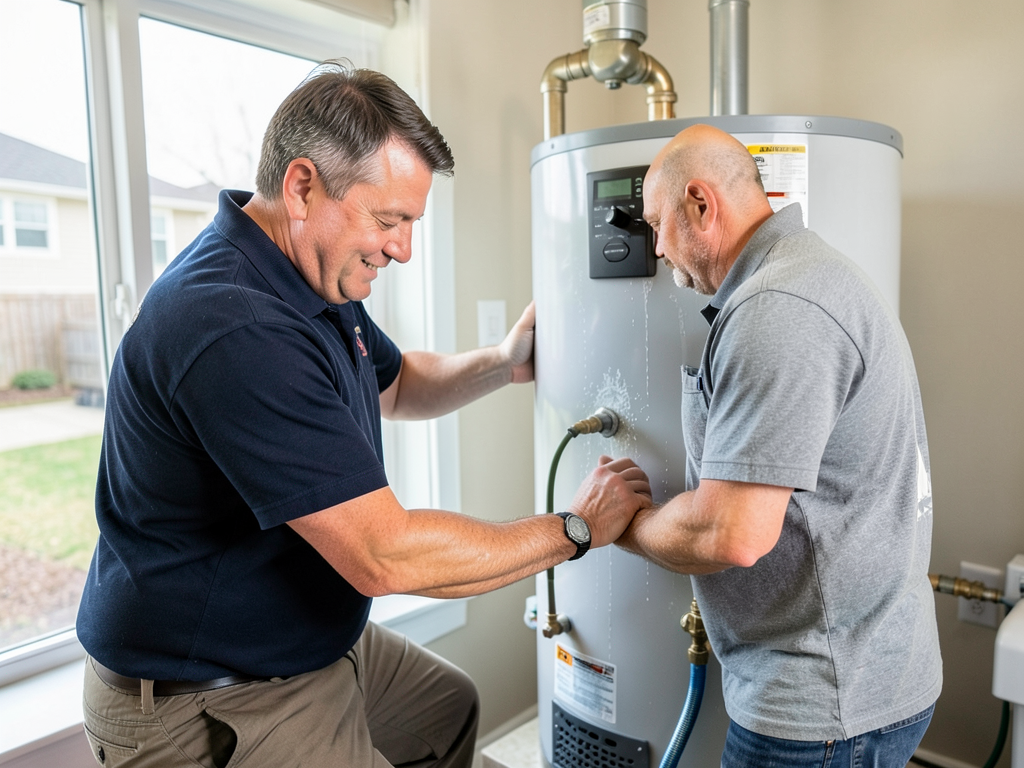
You can also flush your tankless unit with a descaling solution to remove mineral buildup. This process involves connecting a pump to the unit and circulating a vinegar or commercial descaler solution through the heat exchanger. This should be done annually in hard water areas like Carmel.
However if you have tried these steps and still get cold bursts or if your unit is over five years old it is time to call a professional. A licensed Indianapolis plumber can test your flow sensors, check for scale buildup inside the heat exchanger and recommend the right buffer solution for your home.
Professional service also ensures your installation meets Indianapolis plumbing code requirements. According to the Indiana Plumbing Code all tankless water heater installations must include proper venting and gas line sizing. DIY modifications can void your warranty and create safety hazards.
Frequently Asked Questions About Tankless Performance
Why does my tankless water heater work fine in summer but not winter?
Winter groundwater temperatures in Indianapolis drop to around 45 degrees. Your tankless unit must heat water by 65 to 70 degrees instead of 45 to 50 degrees in summer. This longer heat-up time makes the cold sandwich more noticeable and can cause the unit to struggle with multiple simultaneous demands.
How often should I descale my tankless water heater in Carmel?
In areas with hard water like Carmel you should descale your tankless unit every six to twelve months. The high mineral content in Indianapolis water means scale builds up faster than in softer water areas. Regular descaling maintains efficiency and prevents the cold sandwich effect from getting worse.
Can a recirculation pump really save water?
Yes. A recirculation pump can save thousands of gallons per year by eliminating the water you waste waiting for hot water to arrive. In Carmel homes with tankless units this is especially valuable since the cold sandwich often causes people to run water longer waiting for it to heat up.
Will a buffer tank increase my electric bill?
A small buffer tank uses minimal electricity. Most units draw about 15 to 20 watts when maintaining temperature which costs less than five dollars per month. The energy savings from your tankless unit running more efficiently often offsets this small cost.
How do I know if my tankless unit needs professional service?
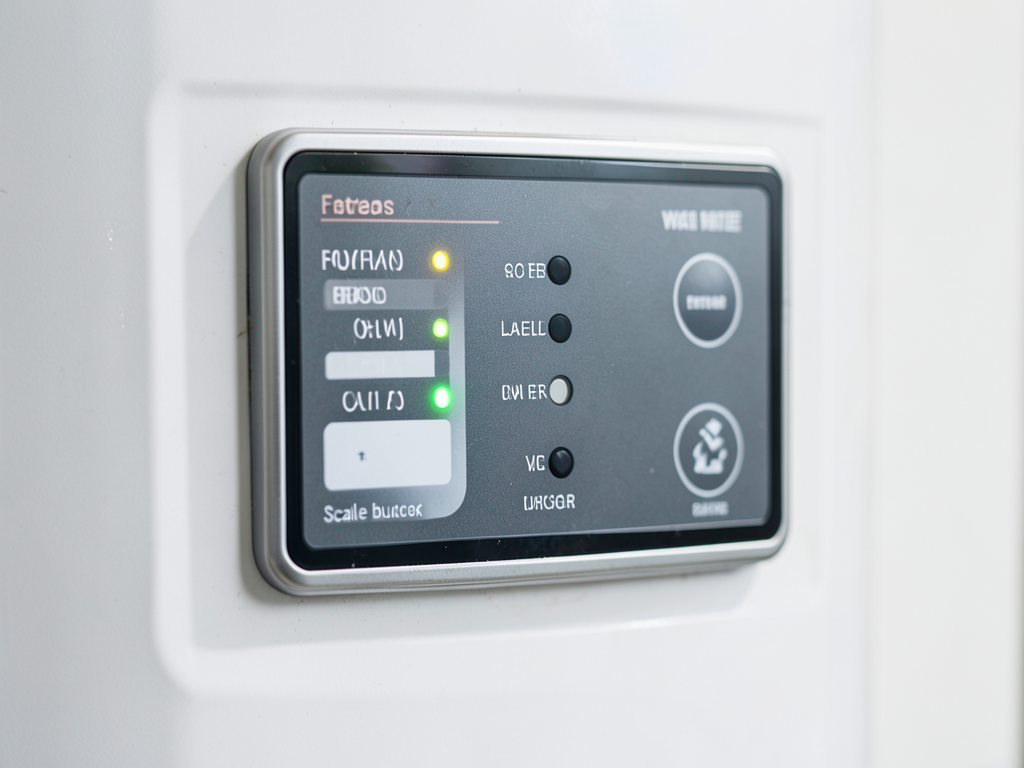
Signs include inconsistent water temperature, longer wait times for hot water, error codes on the display or visible scale buildup around the unit. If your unit is over five years old or you notice these symptoms call a professional plumber to inspect the heat exchanger and flow sensors.
Understanding your tankless water heater’s quirks is the first step to solving them. Carmel’s hard water and cold winters create unique challenges but proven solutions exist. Whether you need a simple adjustment or a complete system upgrade the right fix depends on your home’s specific needs.
Stop letting cold water ruin your morning routine. Call (317) 688-8848 today to schedule your tankless water heater inspection. Our Indianapolis plumbers will diagnose the exact cause of your cold sandwich and recommend the most cost-effective solution. Do not wait until winter makes the problem worse. Pick up the phone and call (317) 688-8848 before the next cold shower catches you by surprise.
Want to learn more about maintaining your tankless system? Check out our guide on detecting and repairing slab leaks in Indianapolis to protect your home from water damage.
{
“@context”: “https://schema.org”,
“@type”: “BlogPosting”,
“headline”: “Understanding the Cold Water Sandwich and Other Tankless Water Heater Quirks in Carmel”,
“description”: “Learn why your tankless water heater gives you cold bursts and how Indianapolis hard water and winter temperatures make it worse. Find proven fixes from local experts.”,
“wordCount”: 1647,
“datePublished”: “2026-06-02T07:51:00.000Z”,
“dateModified”: “2026-06-02T07:51:00.000Z”,
“inLanguage”: “en-US”,
“mainEntityOfPage”: {
“@type”: “WebPage”,
“@id”: “https://keystoneplumbingindianapolis.com”
},
“publisher”: {
“@type”: “LocalBusiness”,
“name”: “Keystone Plumbing Indianapolis”,
“url”: “https://keystoneplumbingindianapolis.com”
},
“author”: {
“@type”: “Organization”,
“name”: “Keystone Plumbing Indianapolis”,
“url”: “https://keystoneplumbingindianapolis.com”
},
“image”: {
“@type”: “ImageObject”,
“url”: “https://keystoneplumbingindianapolis.com/wp-content/uploads/2026/03/understanding-the-cold-water-sandwich-and-other-ta-1.png”
}
}
{
“@context”: “https://schema.org”,
“@type”: “Plumber”,
“name”: “Keystone Plumbing Indianapolis”,
“url”: “https://keystoneplumbingindianapolis.com”,
“address”: {
“@type”: “PostalAddress”,
“addressLocality”: “Indianapolis”
},
“areaServed”: {
“@type”: “City”,
“name”: “Indianapolis”
}
}
{
“@context”: “https://schema.org”,
“@type”: “FAQPage”,
“mainEntity”: [
{
“@type”: “Question”,
“name”: “What Exactly is a ‘Cold Water Sandwich’?”,
“acceptedAnswer”: {
“@type”: “Answer”,
“text”: “The cold water sandwich is that sudden cold burst of water you feel in the middle of what should be a hot shower. It happens because tankless water heaters use flow sensors to detect when you need hot water. When you turn off the tap the burner shuts down but a small amount of cold water remains in the pipes. When you turn the water back on the system must re-ignite and heat that cold water before delivering hot water again. Benefits of Water Softeners.”
}
},
{
“@type”: “Question”,
“name”: “Why does my tankless water heater work fine in summer but not winter?”,
“acceptedAnswer”: {
“@type”: “Answer”,
“text”: “Winter groundwater temperatures in Indianapolis drop to around 45 degrees. Your tankless unit must heat water by 65 to 70 degrees instead of 45 to 50 degrees in summer. This longer heat-up time makes the cold sandwich more noticeable and can cause the unit to struggle with multiple simultaneous demands.”
}
},
{
“@type”: “Question”,
“name”: “How often should I descale my tankless water heater in Carmel?”,
“acceptedAnswer”: {
“@type”: “Answer”,
“text”: “In areas with hard water like Carmel you should descale your tankless unit every six to twelve months. The high mineral content in Indianapolis water means scale builds up faster than in softer water areas. Regular descaling maintains efficiency and prevents the cold sandwich effect from getting worse.”
}
},
{
“@type”: “Question”,
“name”: “Can a recirculation pump really save water?”,
“acceptedAnswer”: {
“@type”: “Answer”,
“text”: “Yes. A recirculation pump can save thousands of gallons per year by eliminating the water you waste waiting for hot water to arrive. In Carmel homes with tankless units this is especially valuable since the cold sandwich often causes people to run water longer waiting for it to heat up.”
}
},
{
“@type”: “Question”,
“name”: “Will a buffer tank increase my electric bill?”,
“acceptedAnswer”: {
“@type”: “Answer”,
“text”: “A small buffer tank uses minimal electricity. Most units draw about 15 to 20 watts when maintaining temperature which costs less than five dollars per month. The energy savings from your tankless unit running more efficiently often offsets this small cost.”
}
},
{
“@type”: “Question”,
“name”: “How do I know if my tankless unit needs professional service?”,
“acceptedAnswer”: {
“@type”: “Answer”,
“text”: “Signs include inconsistent water temperature, longer wait times for hot water, error codes on the display or visible scale buildup around the unit. If your unit is over five years old or you notice these symptoms call a professional plumber to inspect the heat exchanger and flow sensors.”
}
}
]
}
{
“@context”: “https://schema.org”,
“@type”: “BreadcrumbList”,
“itemListElement”: [
{
“@type”: “ListItem”,
“position”: 1,
“name”: “Home”,
“item”: “https://keystoneplumbingindianapolis.com”
},
{
“@type”: “ListItem”,
“position”: 2,
“name”: “Blog”,
“item”: “https://keystoneplumbingindianapolis.com/blog”
},
{
“@type”: “ListItem”,
“position”: 3,
“name”: “Understanding the Cold Water Sandwich and Other Tankless Water Heater Quirks in Carmel”
}
]
}
{
“@context”: “https://schema.org”,
“@type”: “Service”,
“serviceType”: “Plumbing”,
“provider”: {
“@type”: “LocalBusiness”,
“name”: “Keystone Plumbing Indianapolis”,
“url”: “https://keystoneplumbingindianapolis.com”
},
“areaServed”: {
“@type”: “City”,
“name”: “Indianapolis”
},
“description”: “Learn why your tankless water heater gives you cold bursts and how Indianapolis hard water and winter temperatures make it worse. Find proven fixes from local experts.”
}