
Indianapolis Water Quality Makes Reverse Osmosis the Clear Choice
Indianapolis tap water carries a unique profile that leaves many homeowners frustrated. Hard water minerals, chlorine taste, and emerging contaminants like PFAS make basic pitcher filters fall short. A reverse osmosis system delivers bottled water quality directly from your tap, removing up to 99% of dissolved solids and dangerous chemicals that pitcher filters simply cannot touch. Benefits of Water Softeners.
Before you spend another dollar on replacement cartridges or lug home cases of bottled water, consider what’s really in your glass. Marion County water hardness averages 15-20 grains per gallon, creating scale buildup that shortens appliance life and leaves spots on glassware. Combined with chlorine disinfection byproducts and trace industrial chemicals, your water needs more than a carbon filter to be truly clean. Wet Spots in Yard.
Call (317) 688-8848 today to schedule a free water quality test and see exactly what’s flowing through your pipes.
How Pitcher Filters Work Convenience at a Cost
Pitcher filters use activated carbon to reduce chlorine taste and some common odors. Water drips slowly through a cartridge, catching larger particles and improving flavor. But this simple process misses most dissolved contaminants that affect your health.
These systems typically remove less than 10% of total dissolved solids. They cannot filter out lead, fluoride, nitrates, or PFAS chemicals that have been detected in Indianapolis municipal water supplies. The activated carbon also wears out quickly in hard water conditions, requiring frequent cartridge changes every 1-2 months. Quick Garbage Disposal Repair in Lawrence to Get Your Kitchen Back in Order.
Flow rate becomes another frustration. A full pitcher takes 10-15 minutes to filter, and you’re constantly refilling. For a family of four, that means multiple cycles daily just to keep up with drinking water needs.
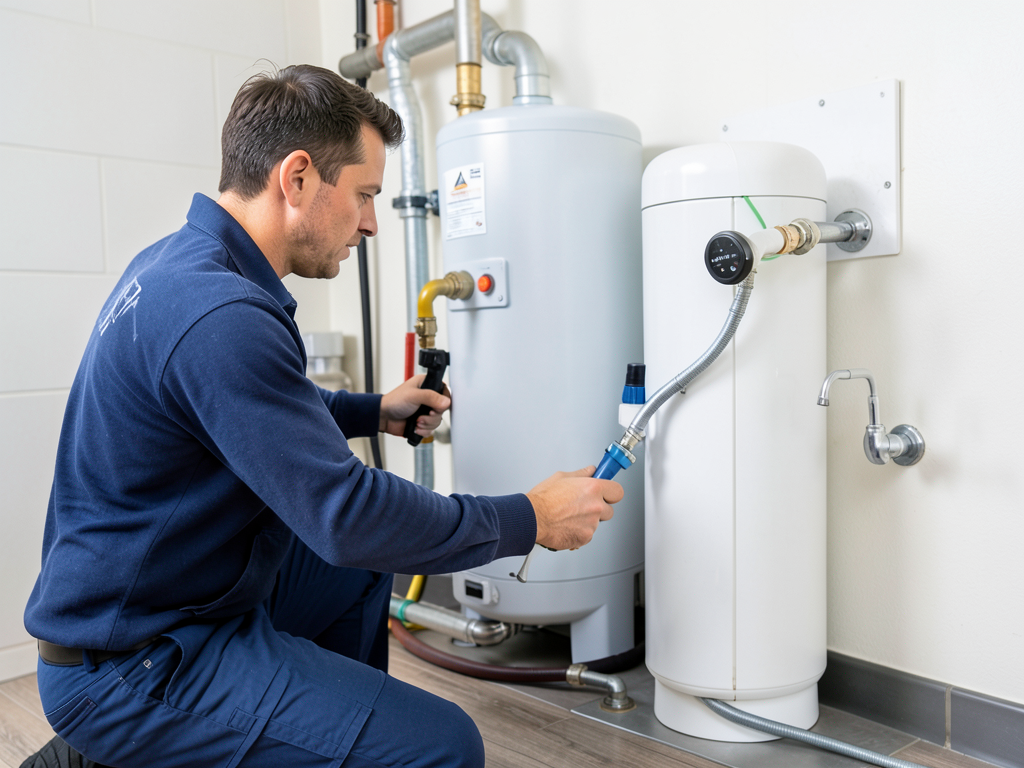
A close-up of activated carbon filter media showing the porous structure that traps larger particles but allows dissolved contaminants to pass through.
The Power of Reverse Osmosis Bottled Water Quality from Your Tap
Reverse osmosis forces water through a semi-permeable membrane with microscopic pores that block contaminants while allowing pure water molecules to pass. This multi-stage process typically includes sediment filtration, carbon pre-filtration, the RO membrane, and a final polishing filter.
The membrane removes particles as small as 0.0001 microns. For comparison, a human hair is about 50 microns wide. This level of filtration eliminates lead, arsenic, fluoride, nitrates, chromium, and emerging contaminants like PFAS that activated carbon cannot touch.
Most Indianapolis-area RO systems reduce total dissolved solids by 90-99%, turning hard mineral-laden water into clean, crisp drinking water. The system installs under your sink with a dedicated faucet, providing unlimited filtered water on demand without the wait or hassle of pitchers.
Modern RO units waste about 3-4 gallons of water for every gallon of purified water produced. While this seems high, it’s comparable to the water used in producing bottled water and eliminates plastic waste entirely.
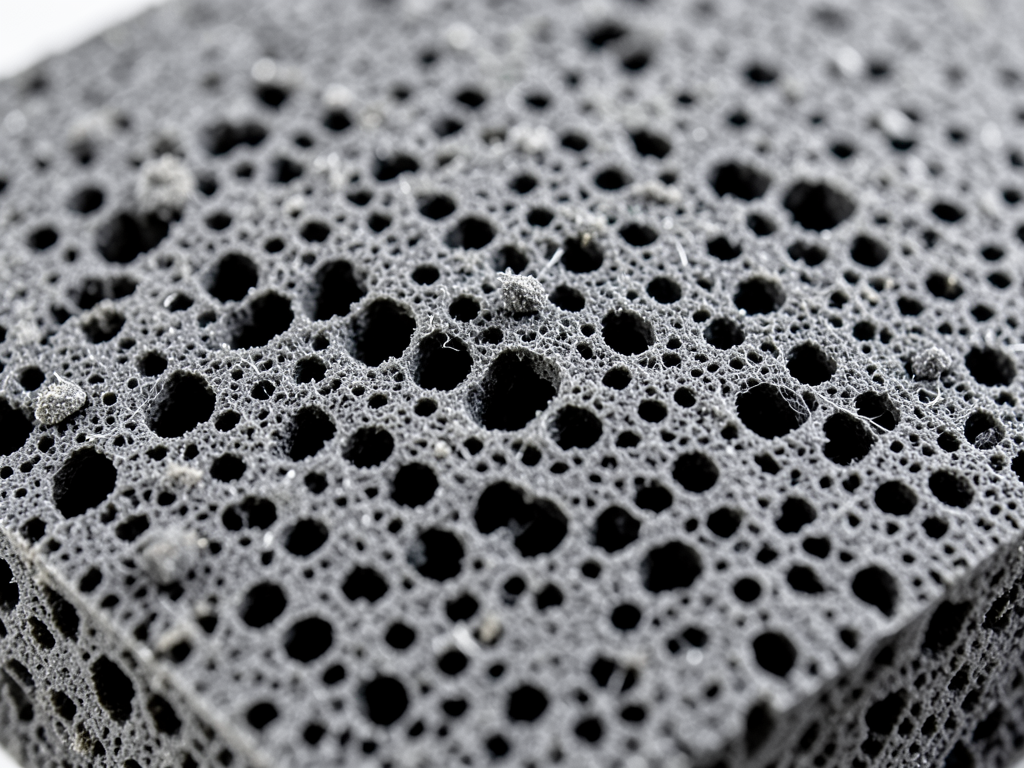
A technician installing an under-sink reverse osmosis system, showing the storage tank, multiple filter housings, and dedicated faucet setup.
Side-by-Side Comparison Filtration Capability Cost and Maintenance
| Feature | Pitcher Filter | Reverse Osmosis |
|---|---|---|
| Total Dissolved Solids Removed | Less than 10% | 90-99% |
| Lead Removal | Minimal to none | 99.9% |
| PFAS Removal | No | Yes |
| Filter Replacement Frequency | Every 1-2 months | Annually for most components |
| Initial Cost | $30-80 | $300-600 installed |
| 5-Year Cost | $300-500 in cartridges | $100-150 in filters |
| Flow Rate | Slow manual process | Instant from dedicated faucet |
Why Indianapolis Water Hardness Matters for Your Choice
Indianapolis sits in a region with notoriously hard water. Citizens Energy Group reports hardness levels between 15-20 grains per gallon across most of Marion County. This mineral content creates several problems that affect filtration performance. Citizens Energy Group water quality reports.
Hard water minerals coat and clog activated carbon filters much faster than soft water would. A pitcher filter that lasts three months in soft water might only last six weeks in Indianapolis. The minerals also interfere with chlorine removal, allowing more chemical taste to pass through.
RO membranes handle hard water better but still require proper pre-filtration. The sediment and carbon pre-filters protect the expensive membrane from mineral scale and chlorine damage. Without these stages, the membrane could fail in months rather than years.
Water hardness also affects the waste water ratio. Harder water requires more pressure to force through the membrane, increasing the amount of reject water. Modern Indianapolis RO systems include automatic shut-off valves and permeate pumps to minimize waste while maintaining performance.
A diagram showing the reverse osmosis process with water molecules passing through the membrane while contaminants are flushed away as waste.
Cost Analysis Initial Investment vs Long-Term Value
The upfront cost of an RO system ranges from $300-600 installed, compared to $30-80 for a quality pitcher filter. But the five-year cost comparison tells a different story.
Pitcher filters require cartridge replacements every 1-2 months at $7-15 each. For a family using 2-3 pitchers daily, that’s 18-36 cartridges annually, totaling $150-500 per year. Over five years, you’ll spend $750-2,500 just on replacement filters.
RO systems need annual maintenance: pre-filter and post-filter changes at $30-50 total, and membrane replacement every 2-3 years at $50-100. Five-year maintenance costs run $150-250 total. The RO system pays for itself through reduced filter costs and eliminated bottled water purchases.
Consider the convenience factor. RO provides instant access to clean water for drinking, cooking, and making ice. No more waiting for pitchers to filter or running out during gatherings. The dedicated faucet also encourages more water consumption, which health experts recommend.
Energy costs are minimal since RO systems use household water pressure. The only electrical component is typically a small permeate pump in high-efficiency models, adding less than $5 annually to your electric bill.
The Verdict Which System Should You Choose
For Indianapolis homeowners concerned about water quality, reverse osmosis clearly outperforms pitcher filters. The superior contaminant removal, convenience, and long-term cost savings make RO the smarter investment for health-conscious families.
Pitcher filters work adequately for improving taste and removing some basic contaminants, but they cannot handle the specific challenges of Indianapolis water. If your primary concern is chlorine taste or you rent your home, a pitcher might suffice. But for serious water quality issues, health concerns about lead or PFAS, or simply wanting the best tasting water, RO is the only choice that delivers.
The installation process is straightforward for qualified plumbers. Most under-sink installations take 1-2 hours and include mounting the storage tank, connecting the filtration stages, and installing the dedicated faucet. Professional installation ensures proper connections to your existing plumbing and optimal system performance. Reliable Sump Pump Installation in Fishers to Keep Your Basement Dry.
Modern RO systems also offer remineralization options that add back beneficial minerals for improved taste and pH balance. This addresses concerns about removing all minerals from your water while maintaining the purity RO provides.
Frequently Asked Questions
How often should I replace filters in a reverse osmosis system?
Pre-filters and post-filters typically need replacement annually. The RO membrane lasts 2-3 years depending on water quality and usage. Hard water may require more frequent pre-filter changes to protect the membrane.
Does reverse osmosis waste a lot of water?
Traditional RO systems waste about 3-4 gallons for every gallon of purified water. Modern high-efficiency systems with permeate pumps reduce this to 1-2 gallons wasted per gallon purified. The waste water is simply tap water that didn’t pass through the membrane.
Can I install a reverse osmosis system myself?
While DIY installation is possible, professional installation ensures proper connections, optimal performance, and warranty protection. Plumbers can also test your water quality and recommend the right system for your specific needs.
What contaminants does reverse osmosis remove that pitcher filters cannot?
RO removes lead, fluoride, nitrates, arsenic, chromium, and emerging contaminants like PFAS that activated carbon cannot filter. It also removes dissolved minerals that cause hard water problems.
Is reverse osmosis water healthy to drink?
Yes. RO water is safe and healthy to drink. Some people prefer to add a remineralization filter to restore beneficial minerals and improve taste, but this is optional.
Take Control of Your Water Quality Today
Don’t let poor water quality affect your family’s health or your home’s appliances. The difference between basic filtration and true purification could impact everything from your morning coffee to your long-term health.
Professional water testing reveals exactly what’s in your water and helps determine the right solution for your home. Our licensed plumbers have installed hundreds of RO systems throughout Indianapolis and understand the specific challenges our local water presents.
Call (317) 688-8848 now to schedule your free water quality test. Our experts will test your water on-site, explain the results in plain language, and recommend the best solution for your home and budget. Stop guessing about your water quality and start enjoying the peace of mind that comes with knowing exactly what you’re drinking.
Pick up the phone and call (317) 688-8848 before the next time you reach for that pitcher and wonder if it’s really doing enough. For more information, visit EPA drinking water regulations.
{
“@context”: “https://schema.org”,
“@type”: “BlogPosting”,
“headline”: “Why an Under-Sink Reverse Osmosis System Is Better Than Filtered Pitchers for Indianapolis Water”,
“description”: “Compare reverse osmosis vs pitcher filters for Indianapolis homes. See how RO systems remove more contaminants from Indy’s hard water. Call (317) 688-8848 for a free water test.”,
“wordCount”: 1508,
“datePublished”: “2026-05-14T08:40:00.000Z”,
“dateModified”: “2026-05-14T08:40:00.000Z”,
“inLanguage”: “en-US”,
“mainEntityOfPage”: {
“@type”: “WebPage”,
“@id”: “https://keystoneplumbingindianapolis.com”
},
“publisher”: {
“@type”: “LocalBusiness”,
“name”: “Keystone Plumbing Indianapolis”,
“url”: “https://keystoneplumbingindianapolis.com”
},
“author”: {
“@type”: “Organization”,
“name”: “Keystone Plumbing Indianapolis”,
“url”: “https://keystoneplumbingindianapolis.com”
},
“image”: {
“@type”: “ImageObject”,
“url”: “https://keystoneplumbingindianapolis.com/wp-content/uploads/2026/03/why-an-under-sink-reverse-osmosis-system-is-better-1.png”
}
}
{
“@context”: “https://schema.org”,
“@type”: “Plumber”,
“name”: “Keystone Plumbing Indianapolis”,
“url”: “https://keystoneplumbingindianapolis.com”,
“address”: {
“@type”: “PostalAddress”,
“addressLocality”: “Indianapolis”
},
“areaServed”: {
“@type”: “City”,
“name”: “Indianapolis”
}
}
{
“@context”: “https://schema.org”,
“@type”: “FAQPage”,
“mainEntity”: [
{
“@type”: “Question”,
“name”: “How often should I replace filters in a reverse osmosis system?”,
“acceptedAnswer”: {
“@type”: “Answer”,
“text”: “Pre-filters and post-filters typically need replacement annually. The RO membrane lasts 2-3 years depending on water quality and usage. Hard water may require more frequent pre-filter changes to protect the membrane.”
}
},
{
“@type”: “Question”,
“name”: “Does reverse osmosis waste a lot of water?”,
“acceptedAnswer”: {
“@type”: “Answer”,
“text”: “Traditional RO systems waste about 3-4 gallons for every gallon of purified water. Modern high-efficiency systems with permeate pumps reduce this to 1-2 gallons wasted per gallon purified. The waste water is simply tap water that didn’t pass through the membrane.”
}
},
{
“@type”: “Question”,
“name”: “Can I install a reverse osmosis system myself?”,
“acceptedAnswer”: {
“@type”: “Answer”,
“text”: “While DIY installation is possible, professional installation ensures proper connections, optimal performance, and warranty protection. Plumbers can also test your water quality and recommend the right system for your specific needs.”
}
},
{
“@type”: “Question”,
“name”: “What contaminants does reverse osmosis remove that pitcher filters cannot?”,
“acceptedAnswer”: {
“@type”: “Answer”,
“text”: “RO removes lead, fluoride, nitrates, arsenic, chromium, and emerging contaminants like PFAS that activated carbon cannot filter. It also removes dissolved minerals that cause hard water problems.”
}
},
{
“@type”: “Question”,
“name”: “Is reverse osmosis water healthy to drink?”,
“acceptedAnswer”: {
“@type”: “Answer”,
“text”: “Yes. RO water is safe and healthy to drink. Some people prefer to add a remineralization filter to restore beneficial minerals and improve taste, but this is optional.”
}
}
]
}
{
“@context”: “https://schema.org”,
“@type”: “BreadcrumbList”,
“itemListElement”: [
{
“@type”: “ListItem”,
“position”: 1,
“name”: “Home”,
“item”: “https://keystoneplumbingindianapolis.com”
},
{
“@type”: “ListItem”,
“position”: 2,
“name”: “Blog”,
“item”: “https://keystoneplumbingindianapolis.com/blog”
},
{
“@type”: “ListItem”,
“position”: 3,
“name”: “Why an Under-Sink Reverse Osmosis System Is Better Than Filtered Pitchers for Indianapolis Water”
}
]
}
{
“@context”: “https://schema.org”,
“@type”: “Service”,
“serviceType”: “Plumbing”,
“provider”: {
“@type”: “LocalBusiness”,
“name”: “Keystone Plumbing Indianapolis”,
“url”: “https://keystoneplumbingindianapolis.com”
},
“areaServed”: {
“@type”: “City”,
“name”: “Indianapolis”
},
“description”: “Compare reverse osmosis vs pitcher filters for Indianapolis homes. See how RO systems remove more contaminants from Indy’s hard water. Call (317) 688-8848 for a free water test.”
}