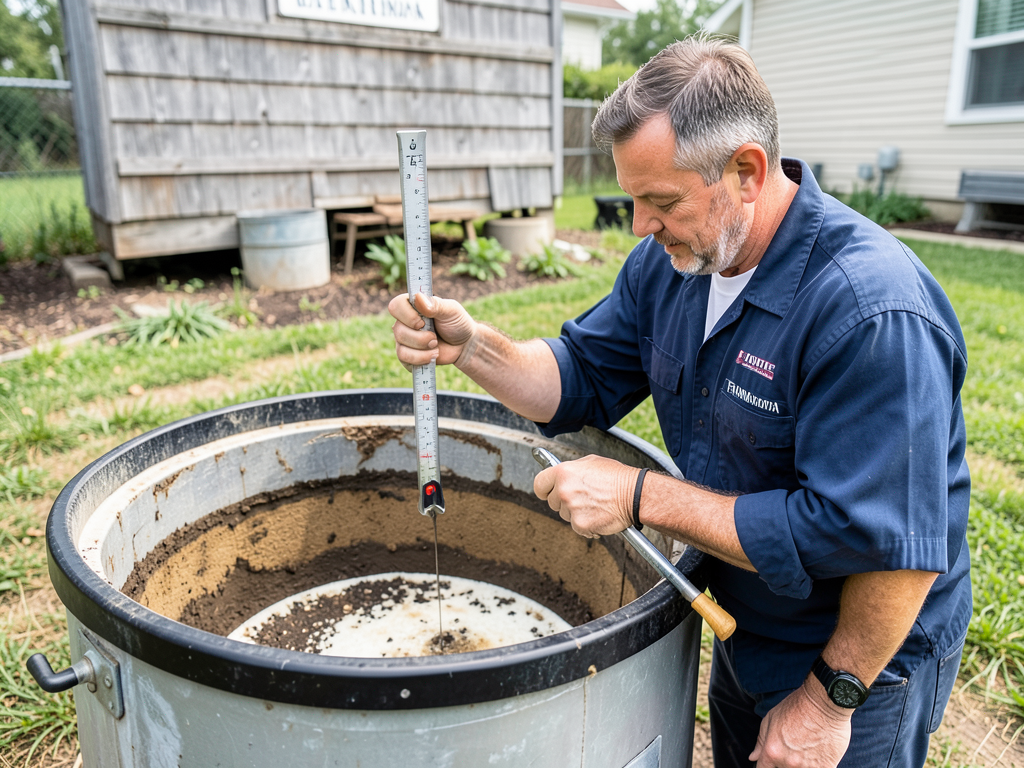


Marion County Health Department conducts unannounced inspections of all food service establishments at least twice per year, with high-risk facilities inspected more frequently. Inspectors specifically check grease trap accumulation levels and require you to produce service records proving regular maintenance. Indianapolis operates under Indiana Administrative Code 410 IAC 7-24, which mandates grease interceptor cleaning when total accumulation reaches 25% of trap capacity. Violations result in immediate point deductions that lower your health inspection grade and can trigger re-inspection fees, mandatory corrective action plans, or temporary closure orders until you prove compliance.
The Department of Public Works actively investigates FOG-related sewer blockages throughout Indianapolis and traces discharge sources back to specific commercial properties. If investigators determine your inadequate grease trap maintenance contributed to municipal sewer problems, you face cleanup costs, fines, and potential civil liability if the blockage caused sanitary sewer overflows. Local expertise matters because Marion County regulations differ from surrounding jurisdictions, and many national pumping chains do not understand the specific documentation and disposal requirements enforced by Indianapolis environmental officers. Choosing a local provider ensures your service meets city standards and protects your business license.