Menu

Plumbing Inspection Checklist for Indianapolis Homes – Catch Problems Before They Cost You Thousands

Your complete residential plumbing checkup list helps you spot leaks, corrosion, and failing fixtures early. Use this home plumbing inspection guide to protect your investment and avoid emergency repairs in Indianapolis.

Slider Image 1
Slider Image 2
Slider Image 3
Slider Image 4
Slider Image 5
Slider Image 7
Slider Image 8
Slider Image 9
Slider Image 10
Slider Image 11

Why Indianapolis Homes Need Regular Plumbing System Inspections

Indianapolis sits on clay soil that shifts with freeze-thaw cycles, and that movement stresses your underground water lines and sewer laterals. When temperatures swing from 20°F in January to 95°F in July, pipes expand and contract. Joints weaken. Connections loosen. Most homeowners in the greater Indianapolis metro discover plumbing failures only after water damage appears on walls or ceilings.

A preventative plumbing maintenance checklist helps you catch these issues before they escalate. The homes in neighborhoods like Broad Ripple and Fountain Square, many built in the early 1900s, carry galvanized steel pipes that corrode from the inside out. You cannot see the rust buildup restricting water flow until pressure drops or a pipe bursts. Hard water common throughout Marion County accelerates this corrosion and deposits mineral scale inside water heaters and fixtures.

Your home plumbing inspection list should address these local conditions. Check for pinhole leaks in copper piping caused by acidic Indianapolis water. Inspect sump pumps before spring rains overwhelm basements. Examine sewer lines for root intrusion from mature trees lining older streets. A residential plumbing checkup list tailored to Indianapolis conditions protects you from the most common failure points in our climate and soil. Regular inspections using a plumbing system inspection guide prevent small issues from becoming catastrophic failures that flood finished basements or destroy drywall.

Why Indianapolis Homes Need Regular Plumbing System Inspections
What a Professional Plumbing Inspection Covers

What a Professional Plumbing Inspection Covers

A thorough plumbing maintenance checklist examines every water supply line, drain line, and fixture in your home. Professionals start at the water main where it enters your foundation, checking the shutoff valve for corrosion and verifying proper operation. We inspect the pressure regulator if your home has one, because Indianapolis municipal water pressure sometimes exceeds 80 PSI and damages fixtures.

Inside the home, we test each fixture for proper drainage and check supply line connections under sinks and toilets for signs of seepage. We examine angle stops for calcium buildup that prevents them from closing completely. We run water through every drain to identify slow-flowing lines that signal partial blockages or venting problems. We inspect exposed piping in basements and crawl spaces for corrosion, improper support spacing, and amateur repairs that violate code.

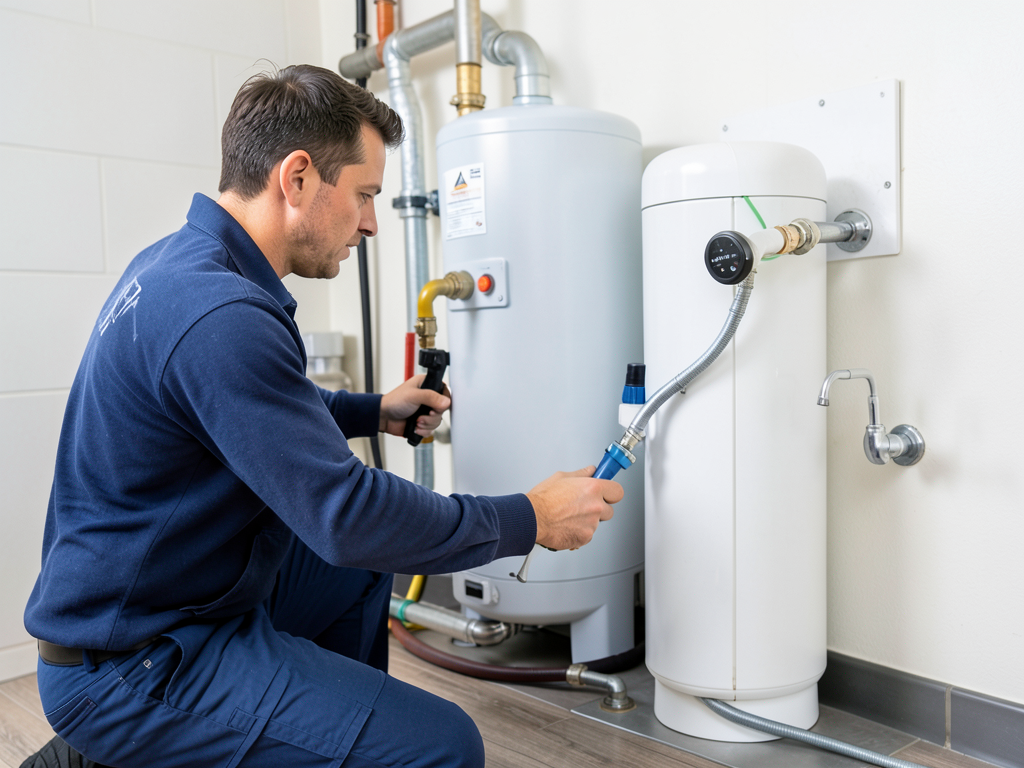
Water heaters receive detailed attention. We check the anode rod for depletion, inspect the temperature and pressure relief valve for proper operation, and examine the flue pipe on gas units for proper draft and corrosion. We test heating elements on electric units and look for sediment buildup in the tank that reduces efficiency. We verify proper clearances and check for active leaks at connections.

The residential plumbing checkup list extends outdoors. We inspect hose bibs for freeze damage, check exterior drainage for proper grade away from the foundation, and examine sump pump discharge lines. We verify backflow preventers function correctly and inspect any irrigation system connections. This systematic approach using a plumbing system inspection guide identifies current problems and predicts which components will fail next.

How to Use Your Home Plumbing Inspection Checklist

Plumbing Inspection Checklist for Indianapolis Homes – Catch Problems Before They Cost You Thousands
01

Document Current Condition

Start your preventative plumbing maintenance checklist by photographing exposed pipes, fixtures, and water-using appliances. Note the installation dates of your water heater, softener, and major fixtures. Record the age of your home and any previous plumbing work. This baseline helps you track changes over time and identify deterioration. Check your basement or crawl space after heavy rain to document any water intrusion or foundation seepage that affects plumbing.
02

Conduct Monthly Inspections

Your home plumbing inspection list should include monthly checks of visible supply lines, drain performance, and water heater operation. Look for moisture around fixtures, test shutoff valves quarterly to prevent them from seizing, and flush the water heater to remove sediment. Check basement floor drains by pouring water down them to maintain trap seals. Run water through rarely used fixtures to prevent trap evaporation that allows sewer gas into your home.
03

Schedule Professional Assessments

Use your residential plumbing checkup list to schedule annual professional inspections that cover areas you cannot easily access. A plumber can camera inspect your sewer line, test water pressure throughout the system, and identify code violations that cause insurance problems. Professional assessments catch hidden issues like failing shut-off valves, corroded galvanized piping behind walls, and improper venting that leads to chronic drainage problems and sewer gas odors.

Why Indianapolis Homeowners Trust Local Plumbing Experts

Plumbing systems in Indianapolis face unique challenges that out-of-town contractors miss. We know that homes in Irvington and Butler-Tarkington often have cast iron drain stacks that corrode from the inside after 60 to 70 years. We recognize the signs of main line backups caused by Channellock fittings that were common in 1950s construction. We understand how Indianapolis winters affect exterior fixtures and irrigation lines.

Local building codes in Marion County require specific backflow prevention devices on irrigation systems and mandate proper venting configurations for drains. Keystone Plumbing Indianapolis works within these regulations daily. We know which permits you need for water heater replacements and when sewer line repairs require city inspection. This familiarity prevents project delays and ensures compliance.

We also understand Indianapolis water quality. The hardness level varies by neighborhood, affecting how quickly water heaters accumulate sediment and how often you should flush them. We know that homes served by wells in the outer townships face different challenges than those on municipal water downtown. Your plumbing maintenance checklist needs to reflect these differences.

Experience with local architecture matters too. We have worked on everything from Victorian homes in the Old Northside Historic District to mid-century ranches in Meridian Hills to new construction in Fishers. Each era brought different plumbing materials and installation methods. We know where to look for problems in each type of home. This expertise makes our plumbing system inspection guide more thorough than generic checklists that ignore local building practices and environmental factors.

What to Expect from a Professional Plumbing Inspection

Inspection Duration and Scheduling

A comprehensive plumbing inspection for an average Indianapolis home takes two to three hours. The timeframe extends for larger homes or properties with additional features like irrigation systems, multiple water heaters, or outdoor kitchens. We schedule inspections during business hours when we can test all fixtures and observe drainage under normal use conditions. You should be present during the inspection so we can show you problem areas directly and explain recommended repairs. We work efficiently to minimize disruption to your day while ensuring every component on the home plumbing inspection list receives proper attention.

Detailed Assessment and Documentation

Your residential plumbing checkup includes written documentation of all findings, photographs of problem areas, and prioritized recommendations for repairs. We test water pressure at multiple fixtures, check for cross-connections that violate backflow prevention rules, and verify proper venting on all drains. We inspect the main sewer line with a camera when needed to identify root intrusion, bellied sections, or deteriorating pipe materials. You receive a detailed report that serves as your ongoing plumbing maintenance checklist, with clear explanations of what needs immediate attention and what you can monitor over time.

Repair Prioritization and Planning

We categorize findings into immediate safety concerns, repairs needed within six months, and items to monitor annually. Active leaks, gas leaks at water heater connections, and failing pressure relief valves require immediate correction. Corroded shutoff valves, aging water heaters near the end of their service life, and slow drains need attention within months. Minor issues like dripping faucets or running toilets can wait but should not be ignored. This prioritization helps you budget for repairs and prevents you from spending money on problems that are not yet urgent while addressing true risks to your home.

Ongoing Maintenance Support

After your initial inspection, we provide a customized preventative plumbing maintenance checklist based on your home's specific conditions and equipment. This includes recommended service intervals for water heater flushing, when to replace fixture shutoff valves before they fail, and seasonal tasks like disconnecting hoses before the first freeze. We offer annual inspection programs that track your plumbing system over time, helping you avoid emergency repairs by catching deterioration early. Regular maintenance extends the life of your plumbing components and reduces the likelihood of water damage that costs thousands to repair.

Frequently Asked Questions

You Have Questions,
We Have Answers

What does a plumbing inspection consist of? +

A plumbing inspection examines your entire water supply and drainage system. Inspectors check water pressure, test fixtures like sinks and toilets, examine pipes for leaks or corrosion, and inspect your water heater for sediment buildup or rust. They evaluate drain lines for blockages, check shut-off valves, and look at venting systems. In Indianapolis, inspectors pay attention to older homes with galvanized pipes and clay sewer lines common in historic neighborhoods. They also check sump pumps, essential for managing high water tables in areas near the White River. The goal is identifying problems before they become expensive emergencies.

What are the 7 steps of the inspection process? +

The inspection process starts with reviewing existing plumbing layouts and permits. Second, inspectors run water through all fixtures to check flow and drainage. Third, they examine visible pipes for damage, leaks, or improper installation. Fourth, they test water pressure at multiple points. Fifth, they inspect water heaters and expansion tanks for code compliance. Sixth, they check drain line slopes and venting. Seventh, they document findings with photos and provide a written report. Indianapolis homes built before 1980 often require extra attention to outdated materials. Each step confirms your system meets current safety standards and functions properly.

What things are big red flags in a home inspection? +

Major red flags include active leaks, water stains on ceilings or walls, and corroded pipes ready to fail. Outdated galvanized piping or polybutylene pipes signal replacement needs. Poor water pressure indicates blockages or undersized lines. Improperly vented drains cause slow drainage and sewer gas problems. Water heaters past their lifespan or showing rust are ticking time bombs. In Indianapolis, inspectors watch for foundation cracks near plumbing penetrations, common with clay soil movement. Signs of previous DIY repairs without permits raise concerns. Sewer line bellies or root intrusion in older neighborhoods mean expensive excavation ahead.

What are the 5 main items you should inspect for at a drain detail? +

At drain details, inspect the trap configuration first to confirm proper water seal and prevent sewer gas. Second, check the slope of horizontal drain lines, which must maintain quarter-inch per foot drop. Third, examine venting connections to ensure adequate air flow prevents siphoning. Fourth, look for signs of blockages like slow drainage or gurgling sounds. Fifth, inspect cleanout access points for proper placement and sealing. Indianapolis homes with mature trees often have root intrusion in clay sewer lines. These five checkpoints reveal whether your drainage system functions correctly or needs intervention before backups occur.

How much should a plumbing inspection cost? +

Plumbing inspections in Indianapolis typically range from $150 to $400, depending on home size and scope. A basic inspection for a standard home runs $200 to $250. Larger homes or properties with multiple bathrooms cost more. Specialized testing like sewer camera inspections add $250 to $500. Older homes in neighborhoods like Irvington or Broad Ripple may need more thorough evaluation due to aging infrastructure. The investment prevents discovering $5,000 pipe replacements after closing. Many buyers include plumbing inspections with general home inspections, but dedicated plumbing professionals catch issues others miss. Price varies with complexity.

What is the first thing an inspector wants to see? +

Inspectors want to see your water meter and main shut-off valve first. This establishes the entry point and gives immediate information about water pressure and flow. They verify the shut-off valve works properly for emergency situations. From there, they trace supply lines throughout your home. In Indianapolis, inspectors check whether older homes have updated their main lines from galvanized to copper or PEX. The main valve location also reveals whether your system meets current code requirements. Starting at the source provides a logical path through your entire plumbing system and quickly identifies major concerns.

What should be included in an inspection checklist? +

A complete inspection checklist covers water supply lines, drain lines, venting systems, fixtures, and water heaters. Include shut-off valve function, water pressure tests, and leak detection. Document pipe materials and age. Check toilet seals, faucet operation, and shower valve function. Examine drain flow and trap integrity. Inspect water heater temperature, pressure relief valve, and anode rod condition. For Indianapolis homes, add sump pump testing and sewer line condition. Include outdoor hose bibs for freeze damage. Note gas line connections if applicable. Your checklist should address both immediate safety concerns and long-term maintenance needs.

What are the 4 types of inspections? +

Four main inspection types serve different purposes. Visual inspections examine accessible pipes, fixtures, and water heaters without invasive testing. Functional inspections test water pressure, drainage speed, and fixture operation under normal use. Diagnostic inspections use cameras, pressure testing, or leak detection equipment to find hidden problems. Code compliance inspections verify new installations meet local building standards and permit requirements. Indianapolis requires code inspections for remodeling projects and new construction. Homebuyers typically get visual and functional inspections. Older homes benefit from diagnostic inspections that reveal problems behind walls or underground. Each type provides specific information.

What's needed to pass an inspection? +

Passing inspection requires proper water pressure between 40 and 80 psi, functioning shut-off valves, and leak-free connections. All fixtures must drain properly without backups. Water heaters need working pressure relief valves and proper venting. Pipes must use approved materials installed to code. Drain lines require proper slope and venting. In Indianapolis, sump pumps must discharge away from foundations. Gas water heaters need adequate combustion air. No cross-connections between potable water and drains. Proper pipe support prevents sagging. Everything must meet current plumbing code standards, though older systems get some allowances if functioning safely.

What items will fail a home inspection? +

Major failures include active leaks, especially at water heaters or supply lines. Sewage backups or improperly vented drains fail immediately. Corroded galvanized pipes ready to burst are deal breakers. Non-functioning main shut-off valves create safety hazards. Improperly installed water heaters without expansion tanks or TPR valves fail code. Cross-connections contaminating drinking water fail health standards. In Indianapolis, abandoned wells without proper sealing fail. Sewer lines with severe root intrusion or collapsed sections need repair before closing. DIY work without permits raises red flags. Any issue threatening property damage or health safety stops the sale.

How Indianapolis Water Quality Affects Your Plumbing Inspection Checklist

Indianapolis municipal water averages 12 to 15 grains of hardness, enough to cause significant mineral buildup in water heaters and on fixture aerators. This hardness accelerates the formation of scale inside pipes and reduces water heater efficiency by insulating heating elements from the water they are supposed to heat. Your plumbing system inspection guide must account for this by including more frequent water heater maintenance than homes in soft water areas require. Hard water also affects fixture performance, reducing flow rates as aerators clog with calcium deposits. Homes in Hamilton County and outer Marion County townships with private wells often face even harder water that requires water softener systems to prevent premature fixture and appliance failure.

Local expertise matters when interpreting inspection results. Keystone Plumbing Indianapolis understands Marion County plumbing code requirements and how they apply to older homes that predate current standards. We know when grandfathered systems need updating and when they can remain as-is. We recognize the difference between acceptable aging and actual code violations that affect insurance coverage or home sales. Our familiarity with Indianapolis construction practices helps us predict which repairs provide the best return on investment and which problems will worsen quickly in our climate. This local knowledge makes our home plumbing inspection list more valuable than generic checklists that ignore regional factors affecting your plumbing system.

Plumbing Services in The Indianapolis Area

While we are proud to serve the entire Indianapolis area, our team is committed to providing prompt and efficient service wherever you are. Use the map below to get a better sense of our service area, or simply give us a call. We're happy to discuss your specific location and how quickly we can get an expert to your home or business to address your plumbing needs.

Address:
Keystone Plumbing Indianapolis, 600 E Ohio St, Indianapolis, IN, 46202

Additional Services We Offer

Our news updates

Latest Articles & News from The Blogs

Is Your High Water Pressure Actually Ruining Your Appliances in Fishers? If your dishwasher leaks during the rinse cycle or…

Is Your High Water Pressure Actually Ruining Your Appliances in Fishers?

Is Your High Water Pressure Actually Ruining Your Appliances in Fishers? If your dishwasher leaks during the rinse cycle or…

Choosing Between a Freestanding and a Built-In Tub for Your Meridian-Kessler Master Bath

Meridian-Kessler Bathroom Remodel: Freestanding vs Built-In Tub Guide Selecting the right tub for your Meridian-Kessler master bath involves more than…

Why an Under-Sink Reverse Osmosis System Is Better Than Filtered Pitchers for Indianapolis Water

Indianapolis Water Quality Makes Reverse Osmosis the Clear Choice Indianapolis tap water carries a unique profile that leaves many homeowners…

Contact Us

Stop guessing about your plumbing system's condition. Call Keystone Plumbing Indianapolis at (317) 688-8848 to schedule your comprehensive inspection. We will provide a detailed assessment and a customized maintenance plan that protects your home from costly water damage.