
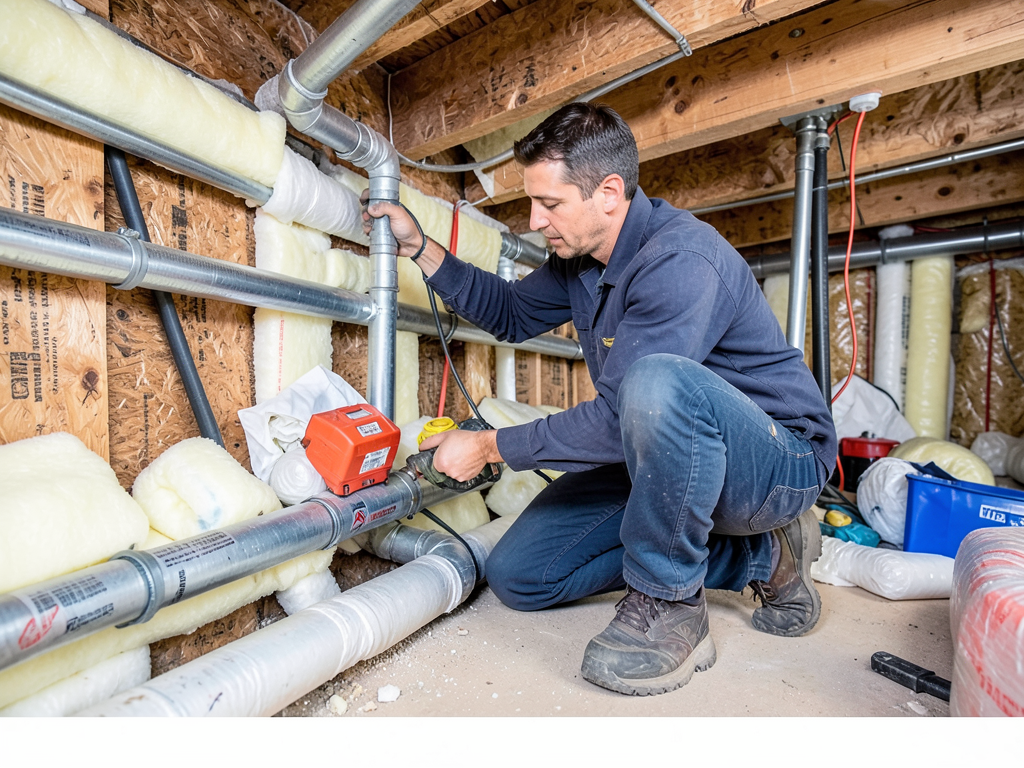
How to Keep Your Pipes from Freezing Before the Next Brownsburg Cold Snap
When the temperature drops below 20°F in Brownsburg, unprotected pipes can freeze within hours. The risk increases dramatically in homes with exposed pipes in crawl spaces, garages, or exterior walls. A single burst pipe can release hundreds of gallons of water per hour, causing thousands of dollars in damage before you even realize there’s a problem. Benefits of Water Softeners.
Indianapolis winters create unique challenges for local plumbing systems. The freeze-thaw cycles common to Hendricks County can cause pipes to expand and contract repeatedly, weakening joints and creating hairline cracks. Homes in older Brownsburg neighborhoods like Hornaday Square and Regency Point often have pipes running through uninsulated exterior walls or crawl spaces with inadequate vapor barriers.. Read more about Dealing with Sweating Pipes and High Humidity in Your Lebanon Basement.
The good news is that most frozen pipe emergencies are preventable with proper preparation. By taking specific steps before the next cold snap hits, you can protect your home’s plumbing infrastructure and avoid the disruption and expense of emergency repairs. This guide covers everything from immediate actions during extreme cold to long-term prevention strategies that work specifically for Brownsburg’s climate and housing stock.. Read more about The Essential Plumbing Maintenance Checklist for New Homeowners in Bargersville.
Why Brownsburg Homes Face Unique Freezing Risks
Brownsburg’s location in the western suburbs of Indianapolis exposes it to some of the harshest winter conditions in the region. The area sits at a slightly higher elevation than downtown Indianapolis, which means it often experiences colder temperatures and stronger winds. The local soil composition, heavy in clay content, creates additional challenges for plumbing systems.
Many homes in Brownsburg were built during the housing boom of the 1990s and early 2000s. While these houses meet modern building standards, they often have design features that create freeze risks. Attached garages with pipes running through them, crawl spaces with inadequate insulation, and plumbing runs along exterior walls are common in these neighborhoods. The International Plumbing Code requires specific freeze protection measures, but many homes were built before these requirements were strictly enforced.
According to data from the National Weather Service, Brownsburg experiences an average of 20 days per year where temperatures drop below 20°F. However, the real danger comes from the wind chill factor, which can make exposed pipes freeze much faster than the actual air temperature would suggest. The combination of cold air and wind can cause pipes to freeze in as little as 2-3 hours when temperatures are in the low 20s with significant wind.
Immediate Steps to Prevent Freezing During a Cold Snap
When the forecast calls for temperatures below 25°F, taking immediate action can prevent frozen pipes. These steps should be implemented as soon as you hear the cold weather warning.
Thermostat Settings That Actually Work
Set your thermostat to at least 55°F even if you plan to be away from home. This temperature maintains enough warmth to keep pipes in interior walls from freezing. Many homeowners make the mistake of turning their heat down to 50°F or lower to save on energy costs, but this small savings can result in thousands of dollars in water damage if pipes freeze and burst.. Read more about How Smart Water Leak Detectors Can Save Your Westfield Home from Expensive Damage.
For homes with multiple heating zones, ensure that all zones maintain at least 55°F. Some homeowners only heat the main living areas and let bedrooms or other zones get colder. This creates freeze risks in those unheated areas where pipes may run through walls or ceilings.
The Drip Method: Which Faucets and Why
Running water through pipes makes it much harder for them to freeze. The moving water creates friction that generates heat, and the constant flow prevents ice from forming. The key is knowing which faucets to drip and how much to let them run.. Read more about How to Locate Your Main Water Shut Off Valve in an Emergency (Tips for SoBro Residents).
Identify the faucets that are farthest from your main water supply line. These faucets have the most pipe to travel through and are therefore the most vulnerable to freezing. If you have a two-story home, the upstairs faucets are typically at higher risk because heat rises and leaves the lower level warmer.
Open both the hot and cold handles slightly so that each produces a steady drip. The drip should be slow enough that you can count the drops, but fast enough that it doesn’t stop. A good rule of thumb is one drip every 2-3 seconds per faucet.
Opening Cabinet Doors for Air Circulation
Pipes that run through cabinets, especially those on exterior walls, are particularly vulnerable to freezing. The cabinet doors create an enclosed space that can become much colder than the rest of the room. Opening these doors allows warm air from your home to circulate around the pipes.
Focus on kitchen sinks, bathroom vanities, and any other cabinets that contain plumbing. If you have young children or pets, remove any hazardous cleaning supplies or chemicals from these cabinets before leaving them open.. Read more about The Best Way to Winterize Your Outdoor Kitchen and Pool House in Carmel.
Identifying and Protecting Vulnerable Pipes
Walk through your home and identify all the areas where pipes might be exposed to cold. Common locations include:
- Crawl spaces with vents that allow cold air to enter
- Garages, especially if they’re not heated
- Attics or basements with minimal insulation
- Pipes running along exterior walls
- Outdoor spigots and hose bibs
Once you’ve identified these areas, take steps to protect them. This might include adding temporary insulation, using heat tape, or even rerouting pipes away from the coldest areas.
Outdoor Maintenance Checklist Before Winter Hits
Many frozen pipe problems start with outdoor plumbing that homeowners forget about during the summer months. Taking care of these outdoor components before winter arrives can prevent major headaches later.
Disconnecting Garden Hoses
Garden hoses left connected to outdoor spigots can trap water inside the faucet and the connected pipe. When this water freezes, it expands and can crack the pipe inside your wall. Even frost-free spigots can be damaged if a hose is left connected.
Disconnect all hoses and drain them completely. Store them in a garage or shed where they won’t be exposed to freezing temperatures. This simple step takes just a few minutes but can prevent expensive repairs.
Shutting Off Interior Valves to Outdoor Spigots
Most homes have a shut-off valve for outdoor spigots located inside the house, usually in a basement or crawl space. Turn these valves off and then open the outdoor spigot to drain any remaining water. This ensures that there’s no water in the pipe that can freeze and cause damage.
If your home doesn’t have individual shut-off valves for outdoor spigots, consider having them installed. This relatively inexpensive upgrade can provide significant protection against frozen pipes.
Insulating Hose Bibs
Hose bibs, also known as outdoor faucets, are particularly vulnerable to freezing because they’re exposed to the elements. While frost-free hose bibs provide some protection, they’re not foolproof, especially in extreme cold.
Install insulated covers over all outdoor spigots. These covers are inexpensive and easy to install, and they provide an extra layer of protection against freezing temperatures. For added protection, wrap the hose bib with heat tape before installing the cover.
Long-term Prevention: Insulation and Upgrades
While emergency measures are important, long-term prevention strategies provide the best protection against frozen pipes. These upgrades may require an initial investment but can save you money and stress in the long run.
Pipe Insulation Options
Several types of pipe insulation are available, each with different benefits and applications. Understanding these options can help you choose the best solution for your home.. Read more about Comparing Different Types of Sump Pump Discharge Layouts for Your Fishers Yard.
Foam Pipe Sleeves
Foam pipe sleeves are the most common type of pipe insulation. They’re made from polyethylene or rubber foam and come in various diameters to fit different pipe sizes. These sleeves are easy to install and provide good insulation for most residential applications.
The Department of Energy recommends foam insulation with a minimum R-value of 3.0 for pipe insulation in cold climates. Higher R-values provide better insulation but also cost more.
Fiberglass Pipe Wrap
Fiberglass pipe wrap provides better insulation than foam sleeves but is more difficult to install. It’s particularly useful for pipes in extremely cold areas or for homeowners who want maximum protection. However, fiberglass can be irritating to the skin, so proper safety equipment is necessary during installation. Reliable Sump Pump Installation in Fishers to Keep Your Basement Dry.
Heat Tape
Heat tape is an electrical heating element that wraps around pipes to keep them warm. It’s controlled by a thermostat that turns the heat on when temperatures drop below a certain point. Heat tape is excellent for pipes in areas that are difficult to insulate or for pipes that have frozen in the past.
When installing heat tape, follow the manufacturer’s instructions carefully. Improper installation can create fire hazards. Also, be aware that heat tape uses electricity, so it will increase your utility bills slightly during cold weather.
Sealing Air Leaks in Foundations
Many frozen pipe problems occur because cold air enters the home through gaps in the foundation or around pipes where they enter the house. These air leaks can make crawl spaces and basements much colder than they need to be.
Inspect your home’s foundation for gaps around pipes, vents, and other penetrations. Use expanding foam or caulk to seal these gaps. Pay special attention to areas where pipes enter the home from outside, as these are common locations for air leaks.
Upgrading to Frost-free Hose Bibs
If your home has older outdoor spigots, consider upgrading to frost-free hose bibs. These spigots are designed so that the water shut-off valve is located inside the home where it’s warmer, rather than outside where it’s exposed to freezing temperatures.
Frost-free hose bibs cost more than standard spigots, but they provide significantly better protection against freezing. They’re especially recommended for homes in Brownsburg where winter temperatures regularly drop below freezing.
What to Do If Your Pipes Are Already Frozen
Despite your best prevention efforts, pipes can still freeze during extreme cold snaps. Knowing how to respond when this happens can minimize damage and get your water flowing again quickly. Quick Garbage Disposal Repair in Lawrence to Get Your Kitchen Back in Order.
Identifying Frozen Pipes
The first sign of frozen pipes is usually reduced or no water flow from faucets. However, other symptoms can also indicate frozen pipes:
- Strange gurgling sounds when you turn on faucets
- Visible frost on exposed pipes
- Unusual odors coming from drains
- Bulging pipes where ice has formed inside
If you suspect frozen pipes, act quickly. The longer pipes remain frozen, the greater the chance they’ll burst when the ice thaws.
Safe Thawing Techniques
If you find frozen pipes, thawing them safely is crucial. Never use an open flame or high-heat devices like blowtorches, as these can damage pipes or create fire hazards.
Hair Dryer Method
A hair dryer is one of the safest and most effective tools for thawing frozen pipes. Start at the faucet end of the pipe and work backward toward the frozen section. Keep the hair dryer moving to avoid concentrating heat in one spot.
Heat Lamp or Space Heater
For pipes in enclosed spaces like crawl spaces or cabinets, a heat lamp or small space heater can provide gentle, consistent heat. Again, keep the heat source moving and never leave it unattended.
Hot Towels
Wrap frozen pipes with towels soaked in hot water. Replace the towels as they cool down. This method works well for pipes in areas where electrical devices aren’t practical.
What to Avoid When Thawing Pipes
Some common thawing methods can actually cause more damage than the frozen pipes themselves. Avoid these dangerous practices:
- Never use a propane torch or any open flame
- Don’t pour boiling water directly on frozen pipes
- Avoid using electrical devices near standing water
- Don’t try to thaw pipes with a vehicle exhaust
These methods can cause pipes to burst, create fire hazards, or result in personal injury.
When to Call a Professional
While many frozen pipe situations can be resolved with DIY methods, some require professional help. Call a plumber if:
- You can’t locate the frozen section
- Pipes are already leaking or have burst
- You’re not comfortable working with plumbing
- The frozen section is behind a wall or in a difficult-to-access area
Professional plumbers have specialized equipment like pipe-thawing machines and thermal imaging cameras that can quickly locate and thaw frozen pipes without causing damage. Sewer Camera Inspections in Pike Township to Find the Root of Your Problem.
Emergency Plumbing Services in Indianapolis
When frozen pipes burst or you need immediate help, having a reliable plumber on call is essential. Emergency plumbing services are available 24/7 to handle burst pipes, frozen water lines, and other winter plumbing emergencies.
Professional plumbers can respond quickly to minimize water damage and get your plumbing system back in working order. They have the tools and expertise to handle everything from simple pipe repairs to complex repiping projects.
If you’re dealing with a plumbing emergency, don’t wait until morning to call for help. Water damage can spread quickly, and every minute counts when it comes to minimizing the destruction to your home.
Cost Comparison: Prevention vs. Emergency Repair
Understanding the costs associated with frozen pipe prevention and repair can help you make informed decisions about protecting your home. The following table compares typical costs for various prevention and repair options.
| Service/Item | Typical Cost Range | Effectiveness | Installation Time |
|---|---|---|---|
| Foam Pipe Insulation | $0.50 – $2.00 per linear foot | Moderate | 1-2 hours per average home |
| Heat Tape Installation | $200 – $500 per installation | High | 2-4 hours |
| Frost-free Hose Bibs | $150 – $300 per spigot | Very High | 1-2 hours per spigot |
| Emergency Pipe Thawing | $150 – $400 per hour | Varies | 1-4 hours |
| Pipe Burst Repair | $500 – $2,000+ | Repair only | 2-8 hours |
| Water Damage Restoration | $1,000 – $10,000+ | N/A | Several days |
As you can see, investing in prevention is significantly less expensive than dealing with emergency repairs and water damage restoration. The cost of preventing frozen pipes is typically 10-20% of what you might spend on emergency repairs and damage cleanup.
Special Considerations for Seasonal Residents
If you’re a snowbird who leaves Brownsburg for warmer climates during the winter months, your home needs special preparation to prevent frozen pipes while you’re away.
Winterizing Your Home
Before leaving for an extended period, take these additional steps:
- Shut off the main water supply to your home
- Drain all water from pipes by opening all faucets
- Drain your water heater
- Flush all toilets to remove water from tanks and bowls
- Consider having your plumbing system professionally winterized
These steps ensure that even if your home loses heat while you’re away, there won’t be any water in the pipes to freeze and cause damage.
Smart Home Monitoring
Consider installing smart home devices that can monitor your home’s temperature and alert you to problems while you’re away. Smart thermostats, water leak detectors, and temperature sensors can provide early warning of issues that could lead to frozen pipes.
Local Building Codes and Requirements
Indianapolis and surrounding communities have specific building code requirements for plumbing systems that affect freeze protection. Understanding these requirements can help ensure your home meets local standards.
The International Residential Code, which is adopted by most Indiana municipalities, requires specific insulation levels for pipes in unconditioned spaces. Section P2603.6 of the code addresses protection against freezing, requiring that water, soil, and waste pipes installed in outside walls, in attics, or in crawl spaces be protected against freezing.
Local amendments to the building code may also affect freeze protection requirements. For example, some communities require specific types of insulation or heat tape for pipes in certain locations. Always check with your local building department to ensure compliance with current requirements.
Creating Your Personal Winterization Plan
Every home is different, and your winterization plan should be tailored to your specific situation. Here’s how to create a plan that works for your Brownsburg home:
Assess Your Risk
Walk through your home and identify all the areas where pipes might be vulnerable to freezing. Consider factors like:
- The age and condition of your plumbing system
- The location of pipes relative to exterior walls
- The quality of insulation in your home
- Your typical thermostat settings during cold weather
Prioritize Actions
Based on your risk assessment, prioritize the prevention steps that will provide the most protection for your specific situation. Focus first on the areas that are most vulnerable and where the potential damage would be greatest.
Schedule Professional Help
Some prevention steps, like installing heat tape or upgrading to frost-free hose bibs, may require professional installation. Schedule these services well before winter arrives, as plumbers are often busiest during the fall months when everyone is preparing for winter.
Create a Cold Weather Action Plan
Develop a specific plan for what to do when extreme cold weather is forecast. This plan should include:
- Which faucets to drip
- Which cabinet doors to open
- Where to place space heaters if needed
- Who to call if you need emergency help
Having this plan ready before you need it can make the difference between a minor inconvenience and a major disaster.
Frequently Asked Questions
How cold does it have to be for pipes to freeze?
Pipes typically begin to freeze when temperatures drop to 20°F or below. However, factors like wind chill, pipe location, and insulation quality can cause freezing to occur at higher temperatures. Pipes in unheated areas like crawl spaces or garages may freeze when temperatures are in the mid-20s.
Should I leave my heat on when I’m away during winter?
Yes, you should leave your heat on when away during winter. Set your thermostat to at least 55°F to prevent pipes from freezing. While this may increase your heating costs slightly, it’s much less expensive than repairing burst pipes and water damage. Detecting and Repairing Slab Leaks in Indianapolis Before They Damage Your Foundation.
How much does it cost to run water to prevent freezing?
The cost of running a small drip from one or two faucets is minimal, typically less than $1-2 per day. This small cost is far less than the potential expense of repairing burst pipes and water damage, which can easily run into thousands of dollars.
Can frozen pipes thaw on their own?
Yes, frozen pipes can thaw on their own when temperatures rise above freezing. However, this isn’t recommended because you can’t control the thawing process, and pipes may burst as the ice inside them expands during thawing. It’s better to thaw pipes gradually using safe methods.
What should I do if a pipe bursts?
If a pipe bursts, immediately shut off the main water supply to your home. This valve is typically located near where the water line enters your house. Then call a professional plumber for emergency repairs. While waiting for help, try to contain the water with buckets and towels to minimize damage.
Are newer homes less likely to have frozen pipes?
Newer homes generally have better insulation and are built to current building codes that require freeze protection for plumbing. However, even new homes can have frozen pipes if they’re not properly winterized or if extreme cold weather occurs. All homes need some level of freeze protection.
How long does it take for pipes to freeze?
Pipes can freeze in as little as 2-6 hours when exposed to temperatures below 20°F, depending on factors like wind exposure, pipe material, and insulation. Pipes in well-insulated areas may take 12-24 hours to freeze in extreme cold.
Should I wrap my pipes in newspaper for insulation?
While newspaper can provide some insulation, it’s not an effective long-term solution for preventing frozen pipes. Commercial pipe insulation products are specifically designed for this purpose and provide much better protection. Newspaper can also become wet and create mold problems.
Take Action Before the Next Cold Snap Hits
Protecting your home from frozen pipes doesn’t have to be complicated or expensive. By taking the right steps now, you can prevent the stress and expense of dealing with burst pipes and water damage later.
Start with the simple, immediate actions like setting your thermostat correctly and opening cabinet doors. Then, as time and budget allow, invest in longer-term solutions like pipe insulation and frost-free hose bibs. Remember that prevention is always less expensive than emergency repairs.
If you’re not sure about the condition of your plumbing system or need help with winterization, don’t hesitate to call a professional. A quick inspection can identify potential problems before they become emergencies.
Don’t wait until the next cold snap is forecast to start thinking about frozen pipes. Take action today to protect your home and your peace of mind. If you need professional help with pipe insulation, heat tape installation, or emergency plumbing services, call (317) 688-8848. Our experienced team is ready to help you keep your pipes safe all winter long.
Remember, a small investment in prevention now can save you thousands of dollars in repairs later. Make your winterization plan today, and enjoy a worry-free winter knowing your home is protected against frozen pipes.
{
“@context”: “https://schema.org”,
“@type”: “BlogPosting”,
“headline”: “How to Keep Your Pipes from Freezing Before the Next Brownsburg Cold Snap”,
“description”: “Protect your Brownsburg home from frozen pipes this winter. Learn emergency prevention steps, local code requirements, and when to call (317) 688-8848 for help.”,
“wordCount”: 3474,
“datePublished”: “2026-03-24T16:37:00.000Z”,
“dateModified”: “2026-03-24T16:37:00.000Z”,
“inLanguage”: “en-US”,
“mainEntityOfPage”: {
“@type”: “WebPage”,
“@id”: “https://keystoneplumbingindianapolis.com”
},
“publisher”: {
“@type”: “LocalBusiness”,
“name”: “Keystone Plumbing Indianapolis”,
“url”: “https://keystoneplumbingindianapolis.com”
},
“author”: {
“@type”: “Organization”,
“name”: “Keystone Plumbing Indianapolis”,
“url”: “https://keystoneplumbingindianapolis.com”
},
“image”: {
“@type”: “ImageObject”,
“url”: “https://keystoneplumbingindianapolis.com/wp-content/uploads/2026/03/how-to-keep-your-pipes-from-freezing-before-the-ne-1.png”
}
}
{
“@context”: “https://schema.org”,
“@type”: “Plumber”,
“name”: “Keystone Plumbing Indianapolis”,
“url”: “https://keystoneplumbingindianapolis.com”,
“address”: {
“@type”: “PostalAddress”,
“addressLocality”: “Indianapolis”
},
“areaServed”: {
“@type”: “City”,
“name”: “Indianapolis”
}
}
{
“@context”: “https://schema.org”,
“@type”: “FAQPage”,
“mainEntity”: [
{
“@type”: “Question”,
“name”: “How cold does it have to be for pipes to freeze?”,
“acceptedAnswer”: {
“@type”: “Answer”,
“text”: “Pipes typically begin to freeze when temperatures drop to 20°F or below. However, factors like wind chill, pipe location, and insulation quality can cause freezing to occur at higher temperatures. Pipes in unheated areas like crawl spaces or garages may freeze when temperatures are in the mid-20s.”
}
},
{
“@type”: “Question”,
“name”: “Should I leave my heat on when I’m away during winter?”,
“acceptedAnswer”: {
“@type”: “Answer”,
“text”: “Yes, you should leave your heat on when away during winter. Set your thermostat to at least 55°F to prevent pipes from freezing. While this may increase your heating costs slightly, it’s much less expensive than repairing burst pipes and water damage. Detecting and Repairing Slab Leaks in Indianapolis Before They Damage Your Foundation.”
}
},
{
“@type”: “Question”,
“name”: “How much does it cost to run water to prevent freezing?”,
“acceptedAnswer”: {
“@type”: “Answer”,
“text”: “The cost of running a small drip from one or two faucets is minimal, typically less than $1-2 per day. This small cost is far less than the potential expense of repairing burst pipes and water damage, which can easily run into thousands of dollars.”
}
},
{
“@type”: “Question”,
“name”: “Can frozen pipes thaw on their own?”,
“acceptedAnswer”: {
“@type”: “Answer”,
“text”: “Yes, frozen pipes can thaw on their own when temperatures rise above freezing. However, this isn’t recommended because you can’t control the thawing process, and pipes may burst as the ice inside them expands during thawing. It’s better to thaw pipes gradually using safe methods.”
}
},
{
“@type”: “Question”,
“name”: “What should I do if a pipe bursts?”,
“acceptedAnswer”: {
“@type”: “Answer”,
“text”: “If a pipe bursts, immediately shut off the main water supply to your home. This valve is typically located near where the water line enters your house. Then call a professional plumber for emergency repairs. While waiting for help, try to contain the water with buckets and towels to minimize damage.”
}
},
{
“@type”: “Question”,
“name”: “Are newer homes less likely to have frozen pipes?”,
“acceptedAnswer”: {
“@type”: “Answer”,
“text”: “Newer homes generally have better insulation and are built to current building codes that require freeze protection for plumbing. However, even new homes can have frozen pipes if they’re not properly winterized or if extreme cold weather occurs. All homes need some level of freeze protection.”
}
},
{
“@type”: “Question”,
“name”: “How long does it take for pipes to freeze?”,
“acceptedAnswer”: {
“@type”: “Answer”,
“text”: “Pipes can freeze in as little as 2-6 hours when exposed to temperatures below 20°F, depending on factors like wind exposure, pipe material, and insulation. Pipes in well-insulated areas may take 12-24 hours to freeze in extreme cold.”
}
},
{
“@type”: “Question”,
“name”: “Should I wrap my pipes in newspaper for insulation?”,
“acceptedAnswer”: {
“@type”: “Answer”,
“text”: “While newspaper can provide some insulation, it’s not an effective long-term solution for preventing frozen pipes. Commercial pipe insulation products are specifically designed for this purpose and provide much better protection. Newspaper can also become wet and create mold problems.”
}
}
]
}
{
“@context”: “https://schema.org”,
“@type”: “BreadcrumbList”,
“itemListElement”: [
{
“@type”: “ListItem”,
“position”: 1,
“name”: “Home”,
“item”: “https://keystoneplumbingindianapolis.com”
},
{
“@type”: “ListItem”,
“position”: 2,
“name”: “Blog”,
“item”: “https://keystoneplumbingindianapolis.com/blog”
},
{
“@type”: “ListItem”,
“position”: 3,
“name”: “How to Keep Your Pipes from Freezing Before the Next Brownsburg Cold Snap”
}
]
}
{
“@context”: “https://schema.org”,
“@type”: “Service”,
“serviceType”: “Plumbing”,
“provider”: {
“@type”: “LocalBusiness”,
“name”: “Keystone Plumbing Indianapolis”,
“url”: “https://keystoneplumbingindianapolis.com”
},
“areaServed”: {
“@type”: “City”,
“name”: “Indianapolis”
},
“description”: “Protect your Brownsburg home from frozen pipes this winter. Learn emergency prevention steps, local code requirements, and when to call (317) 688-8848 for help.”
}