
Adding a Second Bathroom to Your Finished Basement in Westfield
Adding a second bathroom to your finished basement in Westfield requires careful planning and specialized plumbing knowledge. The unique challenges of below-grade installations, Hamilton County building codes, and the need for proper drainage systems make this project more complex than a standard bathroom addition. Whether you’re expanding your home for family needs or increasing property value, understanding the rough-in process and local requirements is essential for a successful installation. Apartment Complex Plumbing.
Westfield’s growing suburban neighborhoods feature many homes with finished basements that homeowners want to maximize. The soil composition in Hamilton County, combined with seasonal water table fluctuations, creates specific challenges for basement bathroom installations that require expert handling. A properly executed rough-in ensures your new bathroom functions reliably for years without costly water damage or code violations. Benefits of Water Softeners.
Understanding Basement Bathroom Plumbing Requirements
Basement bathrooms face unique plumbing challenges because they sit below the main sewer line elevation. Unlike above-grade bathrooms that use gravity to move waste, basement installations often require mechanical assistance through sewage ejector pumps. This fundamental difference affects every aspect of the rough-in process, from pipe sizing to vent placement.. Read more about Plumbing Requirements for Adding a Wet Bar to Your Finished Basement in Westfield.
The Indiana Plumbing Code (IPC) Section 701 specifically addresses below-grade drainage requirements. For Westfield homes, this means meeting both state standards and Hamilton County’s additional inspection requirements. The code mandates specific slope percentages for drain lines, proper venting configurations, and backflow prevention measures that protect your home’s plumbing system. Indiana Plumbing Code.
Soil conditions in Westfield’s residential areas typically consist of clay-heavy earth that affects excavation and drainage. This soil type can hold moisture and expand, potentially shifting pipes over time if not properly bedded. Understanding these local conditions helps prevent future issues like cracked pipes or misaligned fixtures. DIY vs. Professional Drain Cleaning.
Step-by-Step Basement Bathroom Rough-In Process
The rough-in phase establishes all the hidden plumbing infrastructure before walls and flooring go in. This critical stage determines whether your basement bathroom will function properly for decades or develop chronic problems. Here’s the complete process we follow for Westfield basement bathroom installations:
- Initial Layout and Marking
We begin by mapping out all plumbing locations based on your bathroom design. This includes marking where the toilet flange, shower drain, sink drain, and vent pipes will penetrate the concrete slab. We verify measurements multiple times to ensure proper clearances for fixtures and building code compliance.. Read more about The Best Drain Catchers and Strainers to Prevent Hair Clogs in Your Broad Ripple Shower.
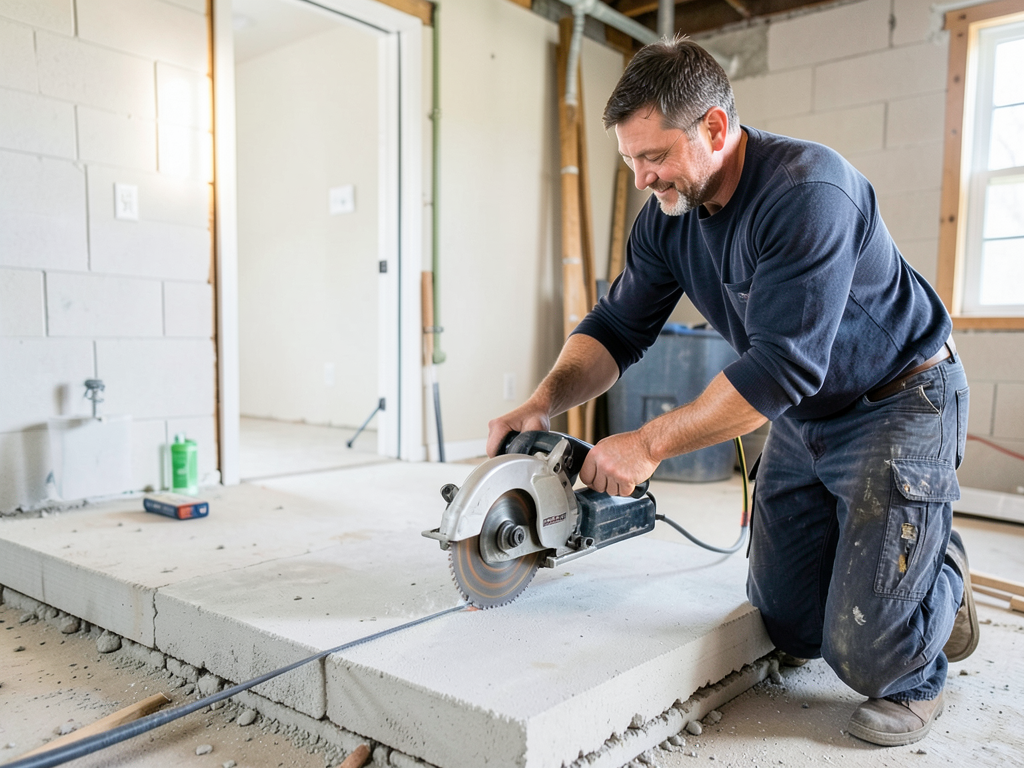
- Concrete Cutting and Excavation
Using specialized concrete saws with diamond blades, we cut precise trenches following the marked layout. The typical trench depth ranges from 12 to 18 inches, depending on pipe sizing and slope requirements. We remove concrete sections carefully to minimize dust and protect existing basement finishes.. Read more about How to Choose the Best Bidet for Your Existing Bathroom in Meridian-Kessler.
- Drain-Waste-Vent (DWV) System Installation
We install Schedule 40 PVC pipes for the drain system, maintaining the minimum 1/4 inch per foot slope required by code. The main waste line connects to a properly sized sewage ejector pit, while individual fixture drains tie into the main line using appropriate fittings and cleanouts. Smelly Drains & Sewer Odors.
- Sewage Ejector Pump Installation
For most Westfield basements, we install a 1/2 HP sewage ejector pump with a sealed basin. The pump sits below floor level and activates automatically when waste water reaches a specific level. We include a check valve and alarm system to prevent backups and alert you to pump failures. Cold Water Sandwich Effect.
- Vent Pipe Configuration
Proper venting prevents trap siphonage and allows the sewage ejector to function correctly. We run vent pipes either through the roof or connect to existing vent stacks, ensuring they meet minimum diameter requirements and maintain proper separation from other plumbing fixtures. EPA Septic Systems Guide.
- Backflow Prevention and Inspection Preparation
We install backwater valves where required and pressure test all drain lines before inspection. This testing phase identifies any leaks or improper connections that could cause problems after walls are closed up.. Read more about Comparing Gas and Electric Water Heaters for Your New Fishers Home.
- Backfill and Concrete Restoration
After passing inspection, we carefully backfill trenches with crushed stone and sand for proper drainage around pipes. We then pour new concrete sections that match existing floor levels, creating smooth transitions and proper slope away from walls.
Throughout this process, we coordinate with Hamilton County inspectors to ensure all work meets local requirements. The typical rough-in for a Westfield basement bathroom takes 2-3 days, with additional time for inspections and concrete curing.
Choosing Between Sewage Ejector Pumps and Gravity Drainage
Not every basement bathroom requires a sewage ejector pump. The decision depends on your home’s specific plumbing configuration and the finished basement’s elevation relative to the main sewer line. Understanding these factors helps you make informed decisions about your project.
Gravity drainage works when your basement floor sits above the sewer line elevation. In this scenario, waste flows naturally through sloped pipes to the main drain without mechanical assistance. Many Westfield homes built on higher ground can utilize gravity systems, reducing installation costs and complexity.
However, most finished basements require ejector pumps because they sit below the sewer line. The pump must handle both solid waste and toilet paper while operating quietly and reliably. We typically recommend 1/2 HP or 3/4 HP pumps depending on the number of fixtures and expected usage patterns.
Key factors influencing pump selection include:
- Number of bathroom fixtures (toilets, sinks, showers)
- Expected daily usage volume
- Distance from the main sewer line
- Available electrical power and backup options
- Noise level considerations for finished living spaces
Proper pump sizing prevents premature failure and ensures adequate capacity during peak usage. Undersized pumps struggle with simultaneous fixture use, while oversized pumps cycle too frequently, reducing lifespan.. Read more about When to Replace Your Sump Pump Discharge Pipe to Prevent Foundation Issues in Westfield.
Westfield Building Department Permit Requirements
Adding a bathroom to your finished basement in Westfield requires specific permits from the Hamilton County Building Department. Understanding these requirements helps you navigate the approval process smoothly and avoid costly delays or rework.
The permit application must include detailed plumbing plans showing:
- Fixture locations and rough-in measurements
- Pipe sizing and material specifications
- Sewage ejector pump specifications
- Vent pipe routing and terminations
- Backflow prevention devices
Hamilton County requires inspections at specific stages:
- Pre-slabs inspection before concrete is poured
- Mid-installation inspection after DWV installation
- Final inspection after all work is complete
The inspection process typically takes 2-3 business days, so factor this into your project timeline. Our team handles all permit applications and scheduling, ensuring your project stays on track without unexpected delays.
Westfield’s building department has specific requirements for finished basements that affect plumbing installations. Finished basements must maintain proper egress routes, and plumbing work cannot obstruct emergency exits. These safety considerations influence fixture placement and pipe routing decisions.. Read more about Why You Should Consider a Steam Shower for Your Geist Primary Suite Remodel.
Common Basement Bathroom Plumbing Issues and Solutions
Even professionally installed basement bathrooms can develop problems over time. Understanding these common issues helps you identify problems early and take preventive action before minor issues become major repairs.
Odor problems often indicate dry traps or improper venting. Basement bathrooms that see infrequent use may develop sewer gas smells when water evaporates from P-traps. We recommend installing trap primers or regularly running water in seldom-used fixtures to maintain the water seal.
Pump failures typically result from power outages, mechanical wear, or improper sizing. Installing a battery backup system provides protection during electrical failures, while regular maintenance extends pump life. Most sewage ejector pumps need replacement every 7-10 years with proper care.
Drain clogs in basement bathrooms often occur due to improper pipe sloping or inadequate cleanouts. We design systems with accessible cleanouts at key points, allowing for easy maintenance and clearing of blockages without major demolition.
Condensation on cold water pipes can create moisture problems in finished basements. Insulating all cold water supply lines prevents condensation drips that can damage flooring and promote mold growth in enclosed spaces.
Cost Factors for Basement Bathroom Rough-In in Westfield
Several factors influence the total cost of adding a bathroom to your finished basement. Understanding these variables helps you budget appropriately and make informed decisions about your project scope.
Primary cost factors include:
- Concrete cutting and removal requirements
- Pipe routing complexity and distance to main sewer
- Sewage ejector pump capacity and features
- Permit fees and inspection costs
- Fixture quality and brand selections
Concrete cutting represents one of the largest variable costs. Basements with thick slabs or extensive reinforcement require more time and specialized equipment. Homes built on slab foundations typically have higher cutting costs than those with basement subfloors.
The distance from your bathroom location to the main sewer line affects both labor and materials. Longer runs require more pipe, fittings, and careful planning to maintain proper slopes. Homes with complicated plumbing layouts may need additional vent runs or pump stations.
Fixture selection impacts both initial costs and long-term performance. Premium fixtures offer better reliability and water efficiency but increase upfront investment. We help you balance quality with budget to find the right solution for your needs.. Read more about How to Choose the Right Diameter for Your New Sewer Line in Avon.
Preparing Your Basement for Bathroom Installation
Proper preparation ensures your basement bathroom installation proceeds smoothly and results in a high-quality finished product. Taking time to plan and prepare can prevent many common problems that arise during basement bathroom projects.
Start by evaluating your basement’s current condition. Look for signs of moisture problems, foundation cracks, or existing plumbing issues that need addressing before adding new fixtures. Addressing these issues upfront prevents complications later in the project.
Consider your electrical needs for the new bathroom. Sewage ejector pumps require dedicated circuits, and bathroom outlets need GFCI protection. Planning electrical work alongside plumbing ensures both systems integrate properly without conflicts.
Think about ventilation requirements for your new bathroom. Proper exhaust fans prevent moisture buildup that can damage finishes and create mold problems. We help you select appropriately sized fans and plan duct routing that works with your basement’s existing structure.
Access considerations are crucial for finished basements. Plan clear pathways for equipment and materials, and consider how construction dust and debris will affect existing finishes. We use dust containment systems and protective coverings to minimize disruption to your finished spaces.
Maintenance Tips for Basement Bathroom Plumbing
Once your basement bathroom is installed, proper maintenance ensures long-term reliability and prevents costly repairs. Following these guidelines helps your new bathroom function properly for years to come.
Regular pump maintenance includes checking the alarm system monthly, listening for unusual noises during operation, and scheduling professional inspections every 1-2 years. These inspections can identify wear patterns or developing problems before they cause system failures.
Preventative drain care helps avoid clogs and backups. Use drain strainers in sinks and showers to catch hair and debris, and avoid flushing anything other than toilet paper and human waste. Even products labeled “flushable” can cause problems in basement plumbing systems.
Monitor for early warning signs of problems. Gurgling sounds from drains, slow draining fixtures, or unusual pump cycling often indicate developing issues. Addressing these symptoms early typically prevents more extensive and expensive repairs.
Seasonal considerations matter for basement bathrooms. During cold weather, ensure the space stays above freezing to prevent pipe freezing. In humid summer months, run exhaust fans longer to remove excess moisture that can damage fixtures and promote mold growth.
Why Choose Professional Basement Bathroom Installation
Basement bathroom installations require specialized knowledge that goes beyond standard plumbing skills. The combination of below-grade drainage, mechanical pumping systems, and complex code requirements makes this work best suited for experienced professionals.
Professional installation provides several key advantages:
- Proper system design that accounts for all code requirements
- Correct pump sizing and installation for reliable operation
- Quality materials and proper installation techniques
- Permit handling and inspection coordination
- Workmanship warranties that protect your investment
DIY or inexperienced installations often result in problems that cost more to fix than professional installation would have cost initially. Common issues include improper pipe sloping, inadequate venting, undersized pumps, and code violations that require costly rework.
Our team brings 15+ years of local experience to every basement bathroom project. We understand Westfield’s specific soil conditions, building department requirements, and common plumbing configurations in local homes. This experience allows us to anticipate and prevent problems that less experienced installers might overlook.
We provide detailed proposals that outline exactly what work will be performed, what materials will be used, and what warranties apply. This transparency helps you make informed decisions and ensures there are no surprises during the installation process.
Ready to Add a Bathroom to Your Finished Basement?
Adding a second bathroom to your finished basement in Westfield is a significant investment that enhances your home’s functionality and value. The key to success lies in proper planning, quality installation, and understanding the unique requirements of below-grade plumbing.
Our team specializes in basement bathroom installations throughout Westfield and the greater Indianapolis area. We handle everything from initial design and permit acquisition through final inspection and testing. Our experience with local building codes, soil conditions, and common Westfield home configurations ensures your project proceeds smoothly from start to finish.
Don’t let the complexity of basement plumbing deter you from expanding your home’s living space. With proper professional installation, your new basement bathroom will provide reliable service for years while adding significant value to your property.
Call (317) 688-8848 today to schedule your basement bathroom consultation. We’ll evaluate your specific situation, explain your options, and provide a detailed proposal for your project. Our team is ready to help you transform your finished basement into a more functional and valuable space.
Frequently Asked Questions
How long does it take to install a basement bathroom?
A typical basement bathroom rough-in takes 2-3 days for the plumbing work, plus additional time for inspections and concrete curing. The complete project, including finishing work, usually takes 2-3 weeks depending on the scope and any unexpected issues that arise.
Do I need a permit for a basement bathroom in Westfield?
Yes, Hamilton County requires permits for all new bathroom installations, including basement bathrooms. The permit process includes plan review, inspections at key stages, and final approval. Our team handles all permit applications and scheduling as part of our service.
How much does a basement bathroom rough-in cost in Westfield?
Costs vary based on factors like concrete cutting requirements, distance to main sewer, and pump specifications. Basic rough-ins typically start around $3,500-4,500, while more complex installations can exceed $8,000. We provide detailed quotes after evaluating your specific situation.
Can I use my existing plumbing for a basement bathroom?
Sometimes existing plumbing can be extended, but basement bathrooms often require new systems due to elevation differences. We evaluate your current plumbing configuration and recommend the most cost-effective approach that meets code requirements.
What happens if the sewage ejector pump fails?
Modern systems include alarm notifications for pump failures. Many homeowners also install battery backup systems to provide limited operation during power outages. Regular maintenance helps prevent unexpected failures, and our service plans include priority response for pump issues.
You may also find this helpful. Rainfall vs Multi-Function Showerheads for Your Fountain Square Bathroom Upgrade.
You may also find this helpful. Why a Backwater Valve Is Essential for Preventing Sewage Backups in Low-Lying Indianapolis Neighborhoods.
You may also find this helpful. How to Decide Between Copper and PEX Piping for Your Carmel Home Remodel.
You may also find this helpful. Choosing Between a Freestanding and a Built-In Tub for Your Meridian-Kessler Master Bath.
{
“@context”: “https://schema.org”,
“@type”: “BlogPosting”,
“headline”: “Adding a Second Bathroom to Your Finished Basement in Westfield”,
“description”: “Planning a basement bathroom in Westfield? Learn the plumbing rough-in process, Hamilton County codes, and sewage ejector pump requirements for below-grade bathrooms.”,
“wordCount”: 2456,
“datePublished”: “2026-05-07T15:05:00.000Z”,
“dateModified”: “2026-05-07T15:05:00.000Z”,
“inLanguage”: “en-US”,
“mainEntityOfPage”: {
“@type”: “WebPage”,
“@id”: “https://keystoneplumbingindianapolis.com”
},
“publisher”: {
“@type”: “LocalBusiness”,
“name”: “Keystone Plumbing Indianapolis”,
“url”: “https://keystoneplumbingindianapolis.com”
},
“author”: {
“@type”: “Organization”,
“name”: “Keystone Plumbing Indianapolis”,
“url”: “https://keystoneplumbingindianapolis.com”
},
“image”: {
“@type”: “ImageObject”,
“url”: “https://keystoneplumbingindianapolis.com/wp-content/uploads/2026/03/adding-a-second-bathroom-to-your-finished-basement-1.png”
}
}
{
“@context”: “https://schema.org”,
“@type”: “Plumber”,
“name”: “Keystone Plumbing Indianapolis”,
“url”: “https://keystoneplumbingindianapolis.com”,
“address”: {
“@type”: “PostalAddress”,
“addressLocality”: “Indianapolis”
},
“areaServed”: {
“@type”: “City”,
“name”: “Indianapolis”
}
}
{
“@context”: “https://schema.org”,
“@type”: “FAQPage”,
“mainEntity”: [
{
“@type”: “Question”,
“name”: “Ready to Add a Bathroom to Your Finished Basement?”,
“acceptedAnswer”: {
“@type”: “Answer”,
“text”: “Adding a second bathroom to your finished basement in Westfield is a significant investment that enhances your home’s functionality and value. The key to success lies in proper planning, quality installation, and understanding the unique requirements of below-grade plumbing.”
}
},
{
“@type”: “Question”,
“name”: “How long does it take to install a basement bathroom?”,
“acceptedAnswer”: {
“@type”: “Answer”,
“text”: “A typical basement bathroom rough-in takes 2-3 days for the plumbing work, plus additional time for inspections and concrete curing. The complete project, including finishing work, usually takes 2-3 weeks depending on the scope and any unexpected issues that arise.”
}
},
{
“@type”: “Question”,
“name”: “Do I need a permit for a basement bathroom in Westfield?”,
“acceptedAnswer”: {
“@type”: “Answer”,
“text”: “Yes, Hamilton County requires permits for all new bathroom installations, including basement bathrooms. The permit process includes plan review, inspections at key stages, and final approval. Our team handles all permit applications and scheduling as part of our service.”
}
},
{
“@type”: “Question”,
“name”: “How much does a basement bathroom rough-in cost in Westfield?”,
“acceptedAnswer”: {
“@type”: “Answer”,
“text”: “Costs vary based on factors like concrete cutting requirements, distance to main sewer, and pump specifications. Basic rough-ins typically start around $3,500-4,500, while more complex installations can exceed $8,000. We provide detailed quotes after evaluating your specific situation.”
}
},
{
“@type”: “Question”,
“name”: “Can I use my existing plumbing for a basement bathroom?”,
“acceptedAnswer”: {
“@type”: “Answer”,
“text”: “Sometimes existing plumbing can be extended, but basement bathrooms often require new systems due to elevation differences. We evaluate your current plumbing configuration and recommend the most cost-effective approach that meets code requirements.”
}
},
{
“@type”: “Question”,
“name”: “What happens if the sewage ejector pump fails?”,
“acceptedAnswer”: {
“@type”: “Answer”,
“text”: “Modern systems include alarm notifications for pump failures. Many homeowners also install battery backup systems to provide limited operation during power outages. Regular maintenance helps prevent unexpected failures, and our service plans include priority response for pump issues.”
}
}
]
}
{
“@context”: “https://schema.org”,
“@type”: “HowTo”,
“name”: “Basement Bathroom Rough-In Process”,
“step”: [
{
“@type”: “HowToStep”,
“position”: 1,
“name”: “Initial Layout and Marking”,
“text”: “We begin by mapping out all plumbing locations based on your bathroom design. This includes marking where the toilet flange, shower drain, sink drain, and vent pipes will penetrate the concrete slab. We verify measurements multiple times to ensure proper clearances for fixtures and building code compliance.”
},
{
“@type”: “HowToStep”,
“position”: 2,
“name”: “Concrete Cutting and Excavation”,
“text”: “Using specialized concrete saws with diamond blades, we cut precise trenches following the marked layout. The typical trench depth ranges from 12 to 18 inches, depending on pipe sizing and slope requirements. We remove concrete sections carefully to minimize dust and protect existing basement finishes.”
},
{
“@type”: “HowToStep”,
“position”: 3,
“name”: “Drain-Waste-Vent (DWV) System Installation”,
“text”: “We install Schedule 40 PVC pipes for the drain system, maintaining the minimum 1/4 inch per foot slope required by code. The main waste line connects to a properly sized sewage ejector pit, while individual fixture drains tie into the main line using appropriate fittings and cleanouts. Smelly Drains & Sewer Odors.”
},
{
“@type”: “HowToStep”,
“position”: 4,
“name”: “Sewage Ejector Pump Installation”,
“text”: “For most Westfield basements, we install a 1/2 HP sewage ejector pump with a sealed basin. The pump sits below floor level and activates automatically when waste water reaches a specific level. We include a check valve and alarm system to prevent backups and alert you to pump failures. Cold Water Sandwich Effect.”
},
{
“@type”: “HowToStep”,
“position”: 5,
“name”: “Vent Pipe Configuration”,
“text”: “Proper venting prevents trap siphonage and allows the sewage ejector to function correctly. We run vent pipes either through the roof or connect to existing vent stacks, ensuring they meet minimum diameter requirements and maintain proper separation from other plumbing fixtures. EPA Septic Systems Guide.”
},
{
“@type”: “HowToStep”,
“position”: 6,
“name”: “Backflow Prevention and Inspection Preparation”,
“text”: “We install backwater valves where required and pressure test all drain lines before inspection. This testing phase identifies any leaks or improper connections that could cause problems after walls are closed up.”
},
{
“@type”: “HowToStep”,
“position”: 7,
“name”: “Backfill and Concrete Restoration”,
“text”: “After passing inspection, we carefully backfill trenches with crushed stone and sand for proper drainage around pipes. We then pour new concrete sections that match existing floor levels, creating smooth transitions and proper slope away from walls.”
}
],
“image”: “https://keystoneplumbingindianapolis.com/wp-content/uploads/2026/03/adding-a-second-bathroom-to-your-finished-basement-1.png”
}
{
“@context”: “https://schema.org”,
“@type”: “BreadcrumbList”,
“itemListElement”: [
{
“@type”: “ListItem”,
“position”: 1,
“name”: “Home”,
“item”: “https://keystoneplumbingindianapolis.com”
},
{
“@type”: “ListItem”,
“position”: 2,
“name”: “Blog”,
“item”: “https://keystoneplumbingindianapolis.com/blog”
},
{
“@type”: “ListItem”,
“position”: 3,
“name”: “Adding a Second Bathroom to Your Finished Basement in Westfield”
}
]
}
{
“@context”: “https://schema.org”,
“@type”: “Service”,
“serviceType”: “Plumbing”,
“provider”: {
“@type”: “LocalBusiness”,
“name”: “Keystone Plumbing Indianapolis”,
“url”: “https://keystoneplumbingindianapolis.com”
},
“areaServed”: {
“@type”: “City”,
“name”: “Indianapolis”
},
“description”: “Planning a basement bathroom in Westfield? Learn the plumbing rough-in process, Hamilton County codes, and sewage ejector pump requirements for below-grade bathrooms.”
}