
Expert Sewer Line Tree Root Removal in Fountain Square, Indianapolis
Historic Fountain Square homes built between 1900 and 1950 often have clay sewer pipes that attract tree roots like magnets. The combination of Indianapolis’s mature tree canopy and aging infrastructure creates a perfect storm for root intrusion that can cause slow drains, sewage backups, and expensive damage. Understanding how roots invade these pipes and what permanent solutions exist is essential for protecting your Fountain Square property. Indiana Code Compliance.
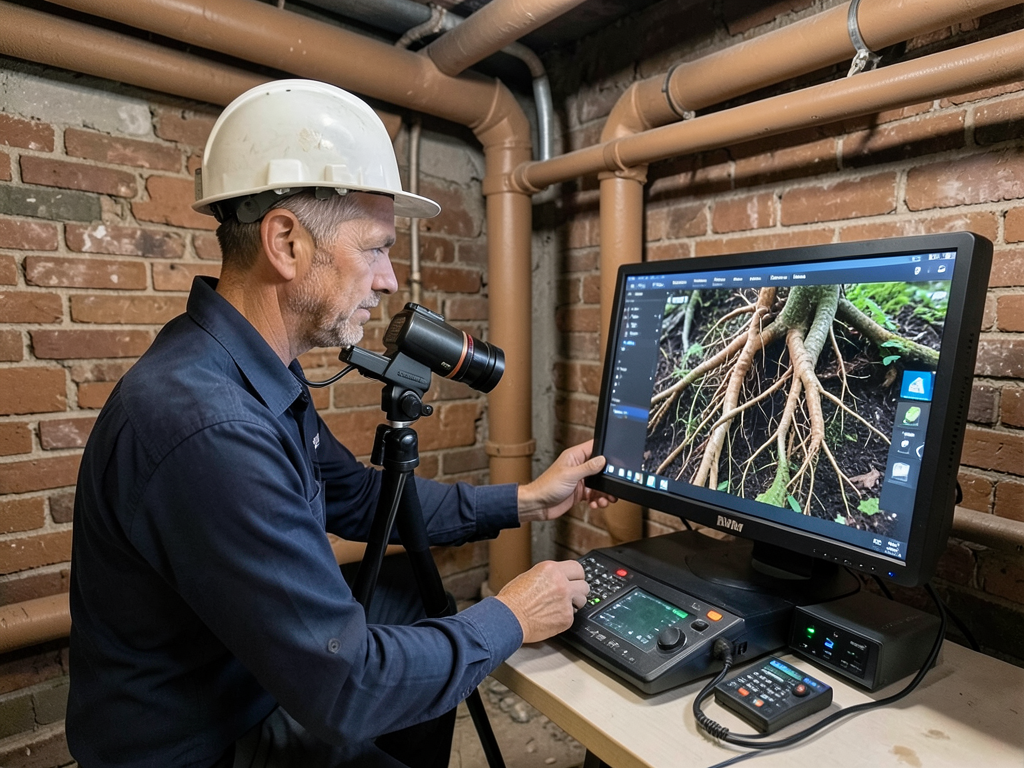
Why Fountain Square’s Historic Trees are a Risk to Your Sewer Line
Fountain Square’s mature trees create the neighborhood’s charm but also pose serious risks to sewer systems. The area’s original clay pipes installed before 1960 have porous joints that release moisture vapor. Tree roots detect this vapor and grow toward the pipes, eventually penetrating through the joints. Once inside, roots thrive on the nutrients in wastewater and expand rapidly. Trenchless Sewer Line Replacement in Greenwood without Digging Up Your Yard.
The soil composition in Fountain Square adds to the problem. Marion County’s heavy clay soil retains moisture and creates pressure against pipes, accelerating joint separation. Combined with Fountain Square’s flat topography, this creates conditions where tree roots can travel significant distances to find water sources. The result is a biological invasion that worsens over time without professional intervention.
Common tree species in Fountain Square that cause the most damage include silver maples, oaks, and elms. These species have aggressive root systems that can extend two to three times the height of the tree. A 50-foot silver maple might have roots spreading 100 to 150 feet underground, easily reaching sewer lines even if the tree appears far from your home. Sewer Camera Inspections in Pike Township to Find the Root of Your Problem.
Signs You Have Tree Roots in Your Sewer Pipes
Recognizing tree root intrusion early can prevent major damage and costly repairs. The first warning sign is usually slow drainage throughout your home. Multiple fixtures backing up simultaneously indicates a main sewer line problem rather than isolated clogs. You might notice gurgling sounds from toilets when other fixtures drain or water backing up into basement floor drains.. Read more about Is Liquid Drain Cleaner Actually Safe for the Older Plumbing in Your Little Flower Home?.
Another telltale sign is recurring clogs that return shortly after clearing. Store-bought drain cleaners provide temporary relief but cannot dissolve established root masses. You may also detect foul odors coming from drains, indicating sewage backup caused by root blockages. In severe cases, you might see actual sewage bubbling up through floor drains or toilets.
Outside your home, tree root intrusion creates visible symptoms. You might notice unusually green or lush patches of grass above your sewer line, caused by sewage fertilizing the soil. Soft, wet spots in your yard that never dry out suggest underground leaks. In extreme cases, you might even see sinkholes forming as roots and sewage erode the soil structure beneath your lawn. Wet Spots in Yard.
Our Professional Root Clearing Process
Professional root removal requires specialized equipment and expertise. Our process begins with a comprehensive assessment to determine the extent of root intrusion and the best removal method. We use high-definition sewer cameras that navigate through pipes, providing real-time video of root locations, pipe condition, and blockage severity. This inspection identifies whether you have clay, cast iron, or newer PVC pipes and locates any structural damage.
The camera inspection reveals critical details like root thickness, pipe joint separation, and potential collapse points. We document everything with digital recordings you can review before any work begins. This transparency helps you understand exactly what’s happening underground and make informed decisions about repair options. The inspection typically takes 30 to 60 minutes and provides the foundation for our root removal strategy.. Read more about Everything You Need to Know About Switching from a Septic Tank to City Sewer in Mooresville.
Step 1: High-Definition Sewer Camera Inspection
Our sewer camera inspection uses a waterproof camera mounted on a flexible cable that extends up to 200 feet through your pipes. The camera transmits high-resolution video to a monitor, allowing us to see roots, cracks, and blockages in real time. We measure pipe diameter, identify material type, and locate cleanout access points. The camera’s LED lights illuminate even the darkest pipe sections, revealing root masses that might appear as simple blockages on the surface.
During inspection, we look for specific root patterns. Fine, hair-like roots indicate early-stage intrusion, while thick, woody roots suggest long-term growth. We also check for pipe deflection, where roots have pushed pipes out of alignment. This information determines whether we can clear the roots mechanically or if pipe replacement becomes necessary. The inspection report includes video footage, still images, and recommendations for immediate action.
Step 2: Hydro Jetting vs. Mechanical Augering
Two primary methods exist for removing tree roots from sewer lines. Hydro jetting uses high-pressure water streams up to 4,000 PSI to cut through roots and flush debris down the line. The process involves feeding a specialized nozzle through the pipe while water jets spin at high velocity, effectively cutting roots like a rotating saw. This method works best for clay pipes and can clear lines up to 10 inches in diameter.
Mechanical augering employs a rotating cutting head attached to a steel cable. The head spins at high speed, chopping through roots and scraping pipe walls clean. This method works well for cast iron pipes and can handle extremely thick root masses. The cutting head comes in various sizes and shapes, allowing us to match the tool to your specific pipe configuration and blockage type.
Hydro jetting provides superior cleaning by removing all root fragments and mineral buildup, while mechanical augering offers more controlled cutting for fragile pipes. We often combine both methods, using mechanical augering to break through heavy root masses followed by hydro jetting to flush remaining debris. The choice depends on pipe material, root density, and pipe condition revealed during our initial inspection.
Permanent Solutions: Trenchless Sewer Lining for Fountain Square Homes
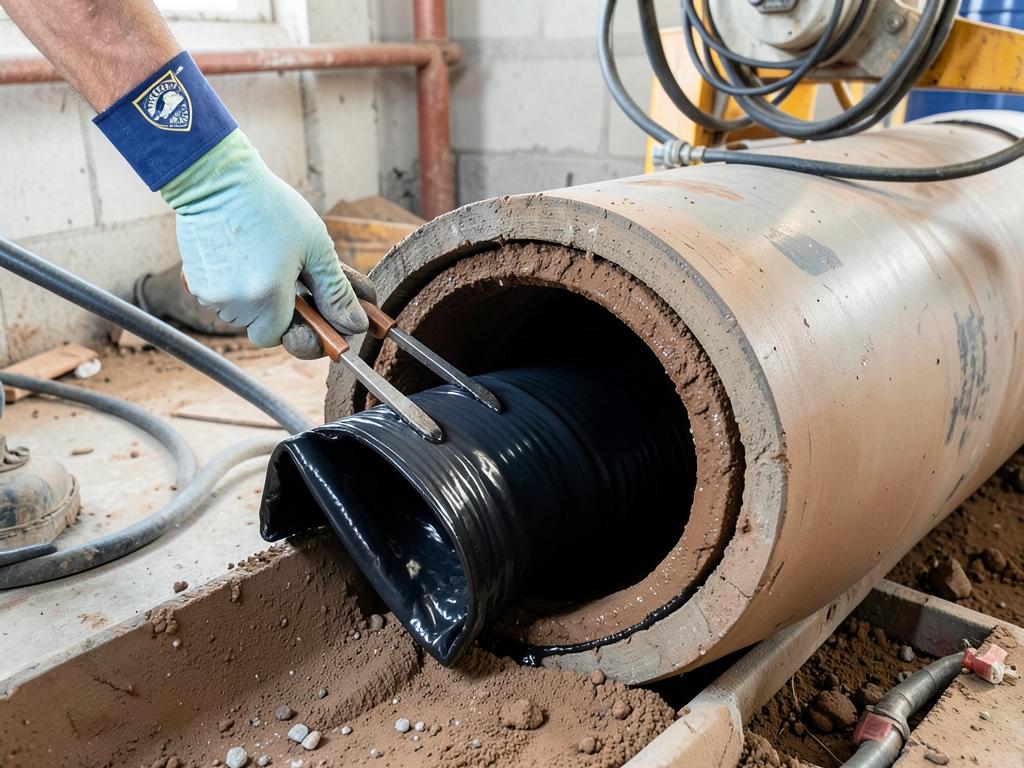
After root removal, preventing future intrusion becomes critical. Trenchless sewer lining offers a permanent solution that preserves your landscaping and historic home’s exterior. This process involves inserting a flexible liner coated with epoxy resin into your existing pipe. We inflate the liner, which conforms to the pipe’s interior shape, then cure it with hot water or UV light. The result is a new pipe within your old pipe, typically lasting 50 years or more.
The Cured-in-Place Pipe (CIPP) lining process begins with thorough pipe cleaning using hydro jetting to remove all debris. We then measure the pipe and fabricate a liner slightly larger than the pipe diameter. A calibration tube keeps the liner expanded during curing. The entire process usually takes one day, compared to several days for traditional excavation methods. You avoid digging up your yard, driveway, or historic landscaping.
Trenchless lining costs less than traditional replacement and causes minimal disruption to your Fountain Square property. The smooth, jointless interior prevents future root intrusion since there are no gaps for roots to penetrate. The epoxy coating also resists corrosion and mineral buildup, improving flow capacity by up to 30 percent. For historic homes, this method preserves original foundations and landscaping while providing modern pipe reliability.
Preventative Maintenance Tips for Indianapolis Homeowners
Preventing tree root intrusion requires ongoing maintenance and awareness. Annual sewer camera inspections can catch root growth before it causes major blockages. We recommend inspections every 12 to 18 months for homes with mature trees within 30 feet of sewer lines. Early detection allows for minor root clearing rather than emergency repairs.
Root growth inhibitors provide another prevention layer. Copper sulfate treatments poured down drains create a chemical barrier that discourages root growth near pipes. However, these treatments work best as maintenance rather than cure for existing root problems. Overusing chemical treatments can damage pipes and harm the environment, so professional guidance ensures proper application.
Strategic landscaping helps prevent future problems. When planting new trees, choose species with less aggressive root systems like dogwoods, redbuds, or Japanese maples. Maintain safe distances between trees and sewer lines based on mature tree size. For existing mature trees, consider installing root barriers made of plastic or metal that redirect root growth away from pipes. These barriers extend 18 to 24 inches deep and should angle away from pipes at 30 degrees.
Regular drain cleaning also prevents root buildup. Professional hydro jetting every two to three years removes early-stage roots before they establish. This maintenance costs significantly less than emergency root removal and extends your sewer system’s lifespan. Combined with proper disposal habits like avoiding grease and non-biodegradable items, these practices keep your sewer system functioning properly.
Indianapolis Permit Requirements and Local Regulations
Sewer line work in Indianapolis requires permits from Citizens Energy Group, the city’s water and sewer utility. For Fountain Square homes, permits typically cost between $150 and $300 depending on project scope. Emergency repairs may qualify for expedited permitting, but scheduled work requires advance approval. Our team handles all permit applications and ensures compliance with local codes. Citizens Energy Group.
Indianapolis Municipal Code Section 36-6-6-1 requires licensed plumbers to perform sewer line repairs and replacements. This code ensures work meets safety standards and protects public health. Additionally, Marion County Health Department regulations govern wastewater handling during repairs. We follow all containment and disposal protocols to prevent environmental contamination.
For historic districts like Fountain Square, additional approvals may be necessary. The Indianapolis Historic Preservation Commission reviews exterior modifications that affect a property’s historic character. While underground sewer repairs typically don’t require historic commission approval, visible changes like access point installations might need review. We coordinate with all relevant agencies to ensure your project proceeds smoothly without regulatory delays. Reliable Sump Pump Installation in Fishers to Keep Your Basement Dry.
Comparing Repair Methods: Trenchless vs. Traditional Excavation
Choosing between trenchless and traditional sewer repair depends on your specific situation. Traditional excavation involves digging trenches to access pipes, replacing damaged sections, and backfilling. This method works well for collapsed pipes or when extensive replacement is needed. However, it destroys landscaping, driveways, and sometimes structural elements. Costs range from $50 to $250 per foot depending on depth and obstacles.
Trenchless methods include pipe lining and pipe bursting. Lining, as described earlier, creates a new pipe within the old one. Pipe bursting involves pulling a new pipe through the old one while simultaneously breaking apart the old pipe. Both methods preserve your property’s surface features. Trenchless repairs typically cost 20 to 30 percent more upfront but save money by avoiding restoration costs.
For Fountain Square’s narrow lots and mature landscaping, trenchless methods often make more sense. The neighborhood’s historic homes have irreplaceable landscaping and architectural details that excavation would damage. Trenchless repairs also complete faster, usually in one day versus several days for excavation. However, if pipes have completely collapsed or have severe structural damage, excavation might be the only viable option.
Consider these factors when choosing your repair method:
| Factor | Trenchless Repair | Traditional Excavation |
|---|---|---|
| Property Impact | Minimal surface disruption | Complete yard destruction |
| Completion Time | 1-2 days | 3-7 days |
| Initial Cost | $80-150 per foot | $50-100 per foot |
| Long-term Value | Higher resale value preservation | Restoration costs reduce savings |
| Best For | Root intrusion, minor damage | Complete pipe collapse |
Emergency Response for Sewer Line Failures
Sewer line emergencies require immediate attention to prevent property damage and health hazards. When sewage backs up into your home, every minute counts. Our emergency response team arrives within two hours of your call, equipped to stop sewage flow and begin repairs. We provide temporary solutions like bypass pumping to restore basic drainage while permanent repairs proceed.
Emergency situations often involve more than just clearing roots. Sewage backup can cause water damage, mold growth, and contamination of living spaces. We coordinate with water damage restoration specialists to ensure complete recovery. Our team also helps document damage for insurance claims, providing detailed reports and photos of the affected areas and repair work.
Preventing emergencies starts with recognizing warning signs early. Don’t wait for complete blockage to call for help. If you notice slow drains, gurgling toilets, or sewage odors, schedule an inspection immediately. Root intrusion typically progresses from minor obstruction to complete blockage over several months, giving you time to address the problem before it becomes an emergency.
Cost Factors for Sewer Line Repairs in Fountain Square
Several factors influence sewer line repair costs in Fountain Square. Pipe material significantly affects pricing since clay pipes require different techniques than cast iron or PVC. Access difficulty also matters; homes with limited yard access or those requiring street excavation cost more due to additional labor and permits. The repair method you choose impacts both initial and long-term costs.
Root removal costs vary based on blockage severity. Simple root clearing might cost $300 to $600, while extensive root masses requiring multiple cleaning methods can exceed $1,500. Trenchless lining for an average Fountain Square home typically ranges from $4,000 to $8,000, including inspection, cleaning, and lining installation. Traditional replacement costs vary widely based on excavation requirements.
Additional costs may include permits, landscaping restoration, and temporary facilities if you cannot use plumbing during repairs. We provide detailed estimates that break down all costs before work begins. Our estimates include potential complications and alternative solutions, so you understand your options and can make informed decisions about your investment in your home’s infrastructure.. Read more about The Challenges of Updating Plumbing in Historic Old Northside Homes.
Why Choose Local Fountain Square Experience
Local experience matters when dealing with Fountain Square’s unique plumbing challenges. Our team has worked in the neighborhood for over 15 years, understanding the specific issues that historic homes face. We know which streets have combined storm and sanitary sewers, which properties have unusual pipe configurations, and which tree species cause the most problems in different areas.
This local knowledge translates to faster diagnosis and more effective solutions. When we arrive at a Fountain Square home, we already understand the likely pipe materials, common failure points, and best repair approaches for that specific area. This expertise means we can often diagnose problems over the phone and arrive prepared with the right equipment and materials.
Our relationships with local agencies also benefit you. We maintain good standing with Citizens Energy Group, the Historic Preservation Commission, and local building departments. These relationships help navigate permit requirements and ensure your project complies with all regulations. When emergencies strike, our established local presence means faster response times and priority service for Fountain Square residents.
Frequently Asked Questions
How do I know if tree roots are causing my sewer problems?
Tree root intrusion typically causes multiple slow drains, recurring clogs, gurgling toilets, and sewage odors. A professional camera inspection provides definitive diagnosis by showing actual roots inside your pipes. If you notice these symptoms, especially in older homes near mature trees, roots are likely the culprit.
How long does trenchless sewer lining last?
Quality trenchless sewer lining typically lasts 50 years or more. The epoxy resin creates a jointless pipe within your existing pipe that resists root intrusion, corrosion, and mineral buildup. Many manufacturers offer 25-year warranties on properly installed lining systems.
Can I prevent tree roots from entering my sewer line?
Prevention involves regular inspections, strategic landscaping, and maintenance treatments. Annual camera inspections catch problems early. When planting trees, choose species with less aggressive roots and maintain safe distances from sewer lines. Root growth inhibitors can discourage nearby root growth, but they work best as maintenance rather than cure.
How much does sewer line repair cost in Fountain Square?
Costs vary based on damage extent, pipe material, and repair method. Simple root clearing starts around $300, while trenchless lining for an average home ranges from $4,000 to $8,000. Traditional excavation costs vary widely based on yard access and depth requirements. We provide detailed estimates before starting any work.
Will my homeowners insurance cover sewer line repairs?
Standard homeowners insurance typically covers sudden, accidental damage but not gradual deterioration or maintenance issues. Tree root intrusion usually falls under maintenance since it develops over time. However, if roots cause sudden pipe collapse or backup damage, some coverage might apply. Check your specific policy or consult your insurance agent.
Take Action Before Your Sewer Line Fails
Tree root intrusion in Fountain Square homes requires immediate attention to prevent costly damage and health hazards. Our experienced team provides comprehensive solutions from diagnosis to permanent repair. We understand the unique challenges of historic homes and offer trenchless options that preserve your property’s character while solving your plumbing problems.
Don’t wait for sewage backup to damage your home. Call (317) 688-8848 today to schedule your professional sewer camera inspection. Our Fountain Square specialists will identify root problems early and recommend the most effective, cost-efficient solution for your specific situation. Protect your home’s plumbing infrastructure and preserve your property’s value with expert care from local professionals who understand Fountain Square’s unique needs.
Pick up the phone and call (317) 688-8848 before the next storm hits. Sewer line problems worsen quickly and can cause thousands in damage if left untreated. Our emergency response team is ready to help Fountain Square homeowners with fast, effective solutions that last. Your home deserves expert care from people who know the neighborhood inside and out. Quick Garbage Disposal Repair in Lawrence to Get Your Kitchen Back in Order.
You may also find this helpful. What to Do When Your Yard Is Soggy But it Hasn’t Rained in New Palestine.
{
“@context”: “https://schema.org”,
“@type”: “BlogPosting”,
“headline”: “Dealing with Tree Roots in the Sewer Lines of Historic Fountain Square Homes”,
“description”: “Expert sewer line tree root removal in Fountain Square. Learn how historic clay pipes attract roots and discover permanent solutions like hydro jetting and trenchless repair.”,
“wordCount”: 2846,
“datePublished”: “2026-03-22T16:17:00.000Z”,
“dateModified”: “2026-03-22T16:17:00.000Z”,
“inLanguage”: “en-US”,
“mainEntityOfPage”: {
“@type”: “WebPage”,
“@id”: “https://keystoneplumbingindianapolis.com”
},
“publisher”: {
“@type”: “LocalBusiness”,
“name”: “Keystone Plumbing Indianapolis”,
“url”: “https://keystoneplumbingindianapolis.com”
},
“author”: {
“@type”: “Organization”,
“name”: “Keystone Plumbing Indianapolis”,
“url”: “https://keystoneplumbingindianapolis.com”
},
“image”: {
“@type”: “ImageObject”,
“url”: “https://keystoneplumbingindianapolis.com/wp-content/uploads/2026/03/dealing-with-tree-roots-in-the-sewer-lines-of-hist-1.png”
}
}
{
“@context”: “https://schema.org”,
“@type”: “Plumber”,
“name”: “Keystone Plumbing Indianapolis”,
“url”: “https://keystoneplumbingindianapolis.com”,
“address”: {
“@type”: “PostalAddress”,
“addressLocality”: “Indianapolis”
},
“areaServed”: {
“@type”: “City”,
“name”: “Indianapolis”
}
}
{
“@context”: “https://schema.org”,
“@type”: “FAQPage”,
“mainEntity”: [
{
“@type”: “Question”,
“name”: “How do I know if tree roots are causing my sewer problems?”,
“acceptedAnswer”: {
“@type”: “Answer”,
“text”: “Tree root intrusion typically causes multiple slow drains, recurring clogs, gurgling toilets, and sewage odors. A professional camera inspection provides definitive diagnosis by showing actual roots inside your pipes. If you notice these symptoms, especially in older homes near mature trees, roots are likely the culprit.”
}
},
{
“@type”: “Question”,
“name”: “How long does trenchless sewer lining last?”,
“acceptedAnswer”: {
“@type”: “Answer”,
“text”: “Quality trenchless sewer lining typically lasts 50 years or more. The epoxy resin creates a jointless pipe within your existing pipe that resists root intrusion, corrosion, and mineral buildup. Many manufacturers offer 25-year warranties on properly installed lining systems.”
}
},
{
“@type”: “Question”,
“name”: “Can I prevent tree roots from entering my sewer line?”,
“acceptedAnswer”: {
“@type”: “Answer”,
“text”: “Prevention involves regular inspections, strategic landscaping, and maintenance treatments. Annual camera inspections catch problems early. When planting trees, choose species with less aggressive roots and maintain safe distances from sewer lines. Root growth inhibitors can discourage nearby root growth, but they work best as maintenance rather than cure.”
}
},
{
“@type”: “Question”,
“name”: “How much does sewer line repair cost in Fountain Square?”,
“acceptedAnswer”: {
“@type”: “Answer”,
“text”: “Costs vary based on damage extent, pipe material, and repair method. Simple root clearing starts around $300, while trenchless lining for an average home ranges from $4,000 to $8,000. Traditional excavation costs vary widely based on yard access and depth requirements. We provide detailed estimates before starting any work.”
}
},
{
“@type”: “Question”,
“name”: “Will my homeowners insurance cover sewer line repairs?”,
“acceptedAnswer”: {
“@type”: “Answer”,
“text”: “Standard homeowners insurance typically covers sudden, accidental damage but not gradual deterioration or maintenance issues. Tree root intrusion usually falls under maintenance since it develops over time. However, if roots cause sudden pipe collapse or backup damage, some coverage might apply. Check your specific policy or consult your insurance agent.”
}
}
]
}
{
“@context”: “https://schema.org”,
“@type”: “BreadcrumbList”,
“itemListElement”: [
{
“@type”: “ListItem”,
“position”: 1,
“name”: “Home”,
“item”: “https://keystoneplumbingindianapolis.com”
},
{
“@type”: “ListItem”,
“position”: 2,
“name”: “Blog”,
“item”: “https://keystoneplumbingindianapolis.com/blog”
},
{
“@type”: “ListItem”,
“position”: 3,
“name”: “Dealing with Tree Roots in the Sewer Lines of Historic Fountain Square Homes”
}
]
}
{
“@context”: “https://schema.org”,
“@type”: “Service”,
“serviceType”: “Plumbing”,
“provider”: {
“@type”: “LocalBusiness”,
“name”: “Keystone Plumbing Indianapolis”,
“url”: “https://keystoneplumbingindianapolis.com”
},
“areaServed”: {
“@type”: “City”,
“name”: “Indianapolis”
},
“description”: “Expert sewer line tree root removal in Fountain Square. Learn how historic clay pipes attract roots and discover permanent solutions like hydro jetting and trenchless repair.”
}