
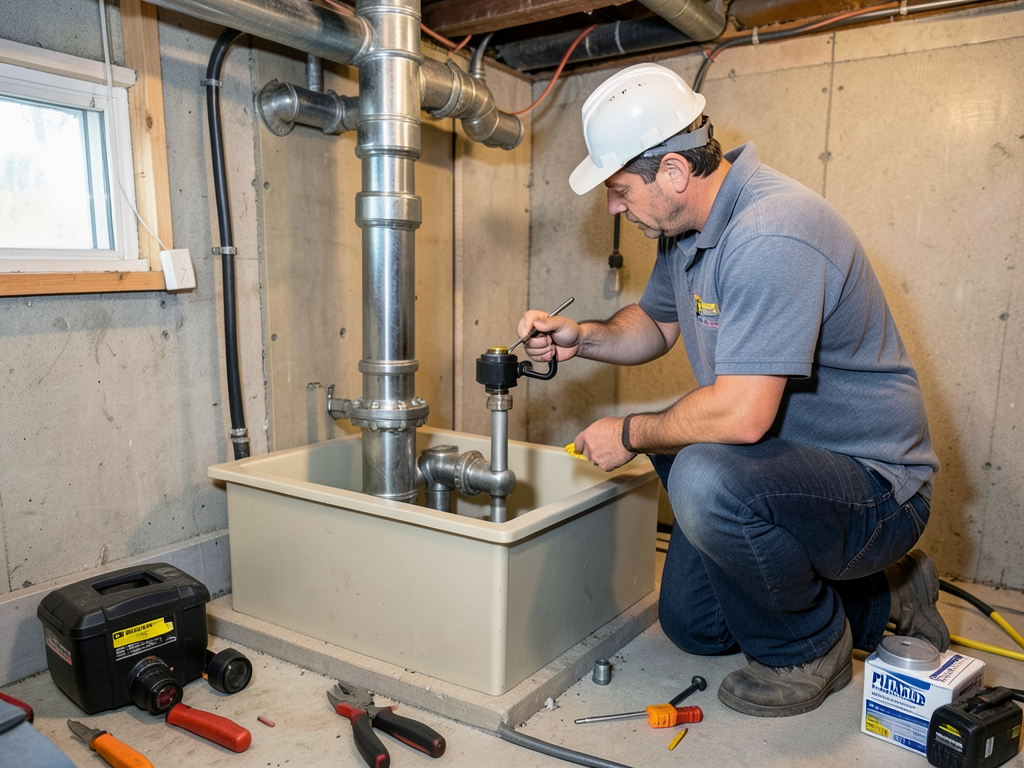
When it comes to managing wastewater in your Plainfield basement, understanding the difference between a sewage pump and a grinder pump is crucial. These two systems handle waste differently and serve distinct purposes depending on your home’s plumbing setup and local requirements. Benefits of Water Softeners.
Plainfield homeowners often encounter these pumps during basement bathroom installations or when dealing with properties where the main sewer line sits above the basement floor level. Choosing the wrong system can lead to frequent clogs, pump failures, and costly repairs. EPA septic system guidelines.
How Sewage Pumps and Grinder Pumps Work
A sewage ejector pump handles raw sewage by moving solid waste through a two-inch discharge pipe. These pumps use powerful impellers to push waste upward without breaking it down. They work best when waste can flow naturally through the pipes.. Read more about When to Replace Your Sump Pump Discharge Pipe to Prevent Foundation Issues in Westfield.
A grinder pump takes a different approach. It contains sharp blades that macerate solid waste into a fine slurry before pumping. This allows the waste to travel through smaller one-and-a-quarter-inch pipes and over longer distances where gravity flow isn’t possible.
The key distinction lies in the maceration process. Grinder pumps literally grind waste into particles small enough to pass through pipes that would clog with larger solids. Sewage pumps simply move the waste as-is.
When to Choose a Sewage Ejector Pump
Sewage ejector pumps work best for basement bathrooms located near the main sewer line. They handle typical household waste including toilet paper and human waste without issues. These pumps excel when: Trenchless Sewer Line Replacement in Greenwood without Digging Up Your Yard.
- Your discharge line runs downhill or only needs minimal lift
- The waste travels a short distance to the main sewer
- You want a system that handles larger solids without grinding
- Installation costs need to stay minimal
In Plainfield’s newer developments, many homes can use sewage ejector pumps because the municipal sewer lines are relatively close to basement installations. The flat Indiana terrain often means shorter discharge runs. Reliable Sump Pump Installation in Fishers to Keep Your Basement Dry.
When a Grinder Pump is Mandatory
Grinder pumps become necessary when you face challenging plumbing conditions. These include:. Read more about Plumbing Requirements for Adding a Wet Bar to Your Finished Basement in Westfield.
- Basement installations far from the main sewer line
- Properties where the sewer line sits above the basement floor level
- Long horizontal runs where waste needs to travel uphill
- Multi-story buildings with basement facilities
Plainfield’s mixed development pattern means some properties require grinder pumps. Homes in areas with longer setbacks from the street or those built on slightly elevated lots often need the grinding capability to move waste effectively.
Cost Comparison Installation and Maintenance in Indiana
Initial installation costs differ significantly between these systems. Sewage ejector pumps typically range from $1,500 to $2,500 installed, while grinder pumps cost $2,500 to $4,500 or more.
The price difference reflects the grinder pump’s more complex macerating mechanism and typically higher horsepower requirements. A standard sewage ejector pump uses about half a horsepower, while grinder pumps often need one to two horsepower motors. Apartment Complex Plumbing.
Maintenance costs also vary. Sewage ejector pumps need cleaning every two to three years and typically last seven to ten years. Grinder pumps require annual maintenance and often last ten to fifteen years due to their more robust construction.
Indiana’s hard water affects both systems differently. The mineral buildup can reduce efficiency in sewage pumps more quickly, while grinder pumps’ macerating action helps prevent some clogging issues common in our area. Quick Garbage Disposal Repair in Lawrence to Get Your Kitchen Back in Order.
Indianapolis Plumbing Codes What Homeowners Need to Know
Marion County and surrounding areas including Plainfield follow specific codes for basement waste systems. The Indiana Plumbing Code requires:. Read more about What to Do When Your Basement Floor Drain Backs Up in Beech Grove.
- Proper venting for all sewage pumps to prevent sewer gas buildup
- Check valves to prevent backflow into the home
- Access panels for maintenance and inspection
- Proper discharge pipe sizing based on pump type
Local code also mandates that all basement sewage systems include alarm systems that alert homeowners to pump failures. This requirement helps prevent basement flooding from waste backup.
The Johnson County Health Department oversees permits for new installations in Plainfield. They require inspections both during installation and upon completion to ensure compliance with all health and safety standards.
Performance Specifications Compared
| Specification | Sewage Ejector Pump | Grinder Pump |
|---|---|---|
| Solid Handling Size | 2-inch spherical solids | Macerated to < 1/2 inch |
| Discharge Pipe Diameter | 2 inches | 1-1/4 inches |
| Typical Head Pressure | 20-30 feet | 30-50+ feet | Power Requirements | 1/2 HP | 1-2 HP |
| Average Lifespan | 7-10 years | 10-15 years |
Installation Considerations for Plainfield Homes
Indiana’s frost line affects pump installation depth. Local codes require burying discharge pipes below the frost line, which reaches about 30 inches in Central Indiana. This depth prevents freezing during our harsh winters.
Plainfield’s soil composition also impacts installation. The area’s clay-heavy soil retains moisture and can shift during freeze-thaw cycles. This requires proper bedding material around pipes and secure anchoring of pump basins.
Noise considerations matter for indoor installations. Grinder pumps typically operate louder than sewage ejector pumps due to their macerating action. This makes location selection crucial for basement installations near living spaces.
Common Failure Patterns and Prevention
Understanding failure patterns helps prevent costly emergency repairs. Sewage ejector pumps commonly fail when:
- Non-flushable items enter the system
- The impeller clogs with debris
- The float switch malfunctions
Grinder pumps face different challenges:
- Blade wear from grinding abrasive materials
- Motor overload from continuous operation
- Seal failure from prolonged use
Regular maintenance prevents most failures. Annual inspections catch issues before they cause basement flooding or complete system shutdown.
Energy Efficiency and Operating Costs
Energy consumption varies between pump types. Sewage ejector pumps typically use 400-800 watts during operation, while grinder pumps consume 1,500-2,500 watts due to their more powerful motors.
However, grinder pumps often run less frequently because they can handle longer discharge runs more efficiently. This can offset their higher power consumption in some installations.
Indiana’s electricity rates average about 14 cents per kilowatt-hour. A sewage ejector pump running 15 minutes daily costs roughly $25-30 annually, while a grinder pump under similar use costs $70-90.
Emergency Response and Backup Systems
Both pump types benefit from backup systems, especially in areas prone to power outages. Options include:
- Battery backup systems that activate during power loss
- Water-powered backups for homes with municipal water
- Portable generators for extended outages
Plainfield experiences occasional severe weather that can knock out power for hours. Having backup protection prevents sewage backup into your basement during these events.
Emergency response also matters. Professional plumbers should be available 24/7 for pump failures, as basement flooding from sewage can cause extensive damage within hours.
Environmental Impact and Regulations
Both systems must comply with EPA regulations regarding wastewater discharge. Grinder pumps produce a finer effluent that some treatment plants handle more efficiently, while sewage pumps move waste with less energy consumption.
Local regulations in Plainfield require proper disposal of any waste removed during pump maintenance. This prevents environmental contamination and ensures compliance with Indiana Department of Environmental Management standards.
Water conservation also plays a role. Modern pumps include water-sensing technology that prevents unnecessary cycling, reducing both water waste and energy consumption.
Making the Right Choice for Your Home
Selecting between a sewage pump and grinder pump depends on several factors:
- Distance from main sewer line
- Required vertical lift
- Expected waste volume
- Local soil conditions
- Budget constraints
A professional assessment considers all these factors. What works for a neighbor might not suit your specific property conditions.
Consider future needs as well. If you plan basement expansion or additional bathroom fixtures, choosing a system with adequate capacity prevents costly upgrades later.. Read more about Adding a Second Bathroom to Your Finished Basement in Westfield.
Professional Installation Benefits
Professional installation ensures code compliance and optimal performance. Licensed plumbers understand:
- Proper basin sizing for your household needs
- Correct pipe sizing and routing
- Optimal pump location for noise and access
- Integration with existing plumbing systems
DIY installations often lead to problems. Common mistakes include undersized basins, improper venting, and incorrect pipe slopes that cause frequent clogs.
Professional installation includes warranty protection and typically comes with maintenance agreements that extend system life and prevent unexpected failures.
Maintenance Schedule Recommendations
Following a proper maintenance schedule prevents most pump failures. For sewage ejector pumps:
- Monthly: Check for unusual noises or odors
- Quarterly: Inspect float switches and alarms
- Annually: Professional cleaning and inspection
Grinder pumps need more frequent attention:
- Monthly: Listen for unusual grinding noises
- Every six months: Check for leaks and proper operation
- Annually: Professional inspection and blade sharpening if needed
Plainfield’s hard water makes descaling important for both systems. Mineral buildup can reduce efficiency and lead to premature failure if not addressed.
Frequently Asked Questions
How long do sewage pumps typically last?
Sewage ejector pumps generally last 7-10 years with proper maintenance. Grinder pumps often last 10-15 years due to their more robust construction. Lifespan depends on usage patterns, maintenance frequency, and local water conditions.
Can I install a sewage pump myself?
While possible, professional installation is strongly recommended. These systems involve complex plumbing, electrical work, and must meet local building codes. Improper installation can lead to code violations, system failures, and potential health hazards.
What size pump do I need for my basement bathroom?
Pump sizing depends on the number of fixtures, required lift height, and discharge distance. A typical basement bathroom with toilet and sink needs at least a half-horsepower sewage ejector pump. Larger installations or longer runs may require one to two horsepower.
How much does it cost to replace a failed pump?
Replacement costs range from $1,200 to $2,500 for sewage ejector pumps and $2,500 to $4,500 for grinder pumps, including installation. Emergency replacements often cost more due to after-hours service charges.
Do I need a permit to install a sewage pump in Plainfield?
Yes, Johnson County requires permits for all basement sewage pump installations. The permit process includes plan review and inspections to ensure compliance with local plumbing codes and health department regulations.
Call for Professional Assessment
Don’t guess about your basement waste system needs. The wrong pump choice leads to constant problems and expensive repairs. Our licensed plumbers understand Plainfield’s specific requirements and can recommend the right system for your situation.. Read more about How to Choose the Right Diameter for Your New Sewer Line in Avon.
We provide free assessments that consider your home’s layout, local codes, and future needs. Our installations include warranty protection and maintenance agreements to keep your system running reliably for years.
Call (317) 688-8848 today to schedule your basement waste system evaluation. Don’t wait until a failure causes costly damage to your home.
Pick up the phone and call (317) 688-8848 before the next storm hits. Our 24/7 emergency service ensures you’re never without protection when you need it most. For more information, visit 2021 International Plumbing Code Chapter 30.
You may also find this helpful. Why a Backwater Valve Is Essential for Preventing Sewage Backups in Low-Lying Indianapolis Neighborhoods.
{
“@context”: “https://schema.org”,
“@type”: “BlogPosting”,
“headline”: “The Difference Between a Sewage Pump and a Grinder Pump for Your Plainfield Basement”,
“description”: “Learn the key differences between sewage pumps and grinder pumps for Plainfield basements. Get expert advice on installation, maintenance, and Indianapolis plumbing codes.”,
“wordCount”: 1771,
“datePublished”: “2026-05-04T09:19:00.000Z”,
“dateModified”: “2026-05-04T09:19:00.000Z”,
“inLanguage”: “en-US”,
“mainEntityOfPage”: {
“@type”: “WebPage”,
“@id”: “https://keystoneplumbingindianapolis.com”
},
“publisher”: {
“@type”: “LocalBusiness”,
“name”: “Keystone Plumbing Indianapolis”,
“url”: “https://keystoneplumbingindianapolis.com”
},
“author”: {
“@type”: “Organization”,
“name”: “Keystone Plumbing Indianapolis”,
“url”: “https://keystoneplumbingindianapolis.com”
},
“image”: {
“@type”: “ImageObject”,
“url”: “https://keystoneplumbingindianapolis.com/wp-content/uploads/2026/03/the-difference-between-a-sewage-pump-and-a-grinder-1.png”
}
}
{
“@context”: “https://schema.org”,
“@type”: “Plumber”,
“name”: “Keystone Plumbing Indianapolis”,
“url”: “https://keystoneplumbingindianapolis.com”,
“address”: {
“@type”: “PostalAddress”,
“addressLocality”: “Indianapolis”
},
“areaServed”: {
“@type”: “City”,
“name”: “Indianapolis”
}
}
{
“@context”: “https://schema.org”,
“@type”: “FAQPage”,
“mainEntity”: [
{
“@type”: “Question”,
“name”: “How long do sewage pumps typically last?”,
“acceptedAnswer”: {
“@type”: “Answer”,
“text”: “Sewage ejector pumps generally last 7-10 years with proper maintenance. Grinder pumps often last 10-15 years due to their more robust construction. Lifespan depends on usage patterns, maintenance frequency, and local water conditions.”
}
},
{
“@type”: “Question”,
“name”: “Can I install a sewage pump myself?”,
“acceptedAnswer”: {
“@type”: “Answer”,
“text”: “While possible, professional installation is strongly recommended. These systems involve complex plumbing, electrical work, and must meet local building codes. Improper installation can lead to code violations, system failures, and potential health hazards.”
}
},
{
“@type”: “Question”,
“name”: “What size pump do I need for my basement bathroom?”,
“acceptedAnswer”: {
“@type”: “Answer”,
“text”: “Pump sizing depends on the number of fixtures, required lift height, and discharge distance. A typical basement bathroom with toilet and sink needs at least a half-horsepower sewage ejector pump. Larger installations or longer runs may require one to two horsepower.”
}
},
{
“@type”: “Question”,
“name”: “How much does it cost to replace a failed pump?”,
“acceptedAnswer”: {
“@type”: “Answer”,
“text”: “Replacement costs range from $1,200 to $2,500 for sewage ejector pumps and $2,500 to $4,500 for grinder pumps, including installation. Emergency replacements often cost more due to after-hours service charges.”
}
},
{
“@type”: “Question”,
“name”: “Do I need a permit to install a sewage pump in Plainfield?”,
“acceptedAnswer”: {
“@type”: “Answer”,
“text”: “Yes, Johnson County requires permits for all basement sewage pump installations. The permit process includes plan review and inspections to ensure compliance with local plumbing codes and health department regulations.”
}
}
]
}
{
“@context”: “https://schema.org”,
“@type”: “BreadcrumbList”,
“itemListElement”: [
{
“@type”: “ListItem”,
“position”: 1,
“name”: “Home”,
“item”: “https://keystoneplumbingindianapolis.com”
},
{
“@type”: “ListItem”,
“position”: 2,
“name”: “Blog”,
“item”: “https://keystoneplumbingindianapolis.com/blog”
},
{
“@type”: “ListItem”,
“position”: 3,
“name”: “The Difference Between a Sewage Pump and a Grinder Pump for Your Plainfield Basement”
}
]
}
{
“@context”: “https://schema.org”,
“@type”: “Service”,
“serviceType”: “Plumbing”,
“provider”: {
“@type”: “LocalBusiness”,
“name”: “Keystone Plumbing Indianapolis”,
“url”: “https://keystoneplumbingindianapolis.com”
},
“areaServed”: {
“@type”: “City”,
“name”: “Indianapolis”
},
“description”: “Learn the key differences between sewage pumps and grinder pumps for Plainfield basements. Get expert advice on installation, maintenance, and Indianapolis plumbing codes.”
}