
What to Do When Your Yard Is Soggy But it Hasn’t Rained in New Palestine
A soggy yard without rain in New Palestine signals a plumbing problem that needs immediate attention. The cause could range from a broken water line to a failing sewer system. Before calling a plumber, you can perform simple tests to narrow down the source. This guide walks you through the process step-by-step. Trenchless Sewer Line Replacement in Greenwood without Digging Up Your Yard.
Common Causes of Unexplained Yard Moisture in New Palestine
New Palestine sits on heavy Indiana clay soil that retains water and can cause pipes to shift over time. The combination of older infrastructure and freeze-thaw cycles common to Hancock County creates conditions where underground plumbing failures often manifest as wet spots in yards. Here are the most frequent culprits: Indiana 811 Call Before You Dig law.
Main Water Line Leak
A break in the pipe bringing fresh water from the street to your home creates a constant flow of water into the surrounding soil. You will notice the area stays wet regardless of weather conditions. The water typically appears clear and odorless. Benefits of Water Softeners.
Sewer Line Belly or Break
When a sewer lateral develops a sag or crack, wastewater collects and creates a soggy, foul-smelling area. The soil becomes saturated with sewage, creating both a health hazard and a persistent wet spot that worsens over time.
Irrigation System Failure
A broken sprinkler line or malfunctioning valve can leak water continuously. This often affects only one zone of your yard and may correlate with your irrigation timer schedule.. Read more about Why Your Water Bill Is Increasing Even Though You Haven’t Changed Your Habits in Avon.
Septic Tank Issues
For homes on septic systems, a full tank or failed drain field can cause wastewater to surface in the yard. This creates a soggy area that smells like sewage and may have visible standing water.
Poor Yard Grading or Drainage
Improper grading causes water to pool in low spots. While this usually responds to rainfall, persistent wet areas may indicate underground springs or poor soil percolation common in New Palestine’s clay-heavy soil. Wet Spots in Yard.
Quick Diagnostic Tests You Can Perform
Before calling a plumber, perform these simple tests to help identify the source of the moisture.
Water Meter Test
Turn off all water-using fixtures in your home. Locate your water meter and watch the flow indicator (usually a small triangle or wheel). If it moves when no water is being used, you likely have a leak in your water service line.
Smell Test
Approach the wet area and note any odors. Clear water from a main line break has no smell. Sewage has a distinct rotten egg or sulfur smell. Stagnant water from poor drainage may have a musty or earthy odor.
Visual Inspection
Check for lush, fast-growing grass in the affected area compared to surrounding lawn. This often indicates a water source underground. Look for sinkholes, depressions, or areas where the ground feels soft or spongy underfoot.
Isolation Test
Turn off the main water valve to your home. If the wet spot dries up within 24-48 hours, the problem likely involves your fresh water supply line. If it remains wet, the issue may be sewer-related or drainage-based. Sewer Camera Inspections in Pike Township to Find the Root of Your Problem.
Why New Palestine Clay Soil Makes Problems Worse
New Palestine sits on dense glacial till with high clay content. This soil type has extremely low permeability, meaning water does not drain quickly. When a pipe leaks underground, the water has nowhere to go and creates a persistent wet area. The clay also expands when wet and contracts when dry, putting pressure on buried pipes and accelerating deterioration. Quick Garbage Disposal Repair in Lawrence to Get Your Kitchen Back in Order.
The Indiana Department of Natural Resources reports that Hancock County soils typically have percolation rates of less than 0.6 inches per hour, compared to 2-3 inches per hour for sandy soils. This means a small leak can create a large wet area that persists for weeks. EPA water conservation guidelines.
When to Call Citizens Energy Group vs. a Private Plumber
In New Palestine, understanding utility boundaries saves time and money. Citizens Energy Group maintains water lines from the main in the street to the curb stop (usually near your property line). The homeowner owns and maintains the line from the curb stop to the house.
If the wet spot appears between the street and your curb stop, Citizens Energy Group may repair it at no cost. If it is between the curb stop and your house, you need a licensed plumber. You can verify this by checking your water meter location and the direction of the pipe run.
Health and Safety Concerns
Standing water in your yard creates multiple hazards. Sewage leaks introduce harmful bacteria including E. coli, coliform, and other pathogens. Even fresh water leaks can breed mosquitoes and create slip hazards. The EPA recommends treating any unexplained yard moisture as a potential health concern and keeping children and pets away from affected areas.
Raw sewage can contaminate groundwater and nearby waterways. In areas near Sugar Creek and other local water bodies, this contamination poses risks to aquatic life and downstream water quality.
Professional Detection Methods
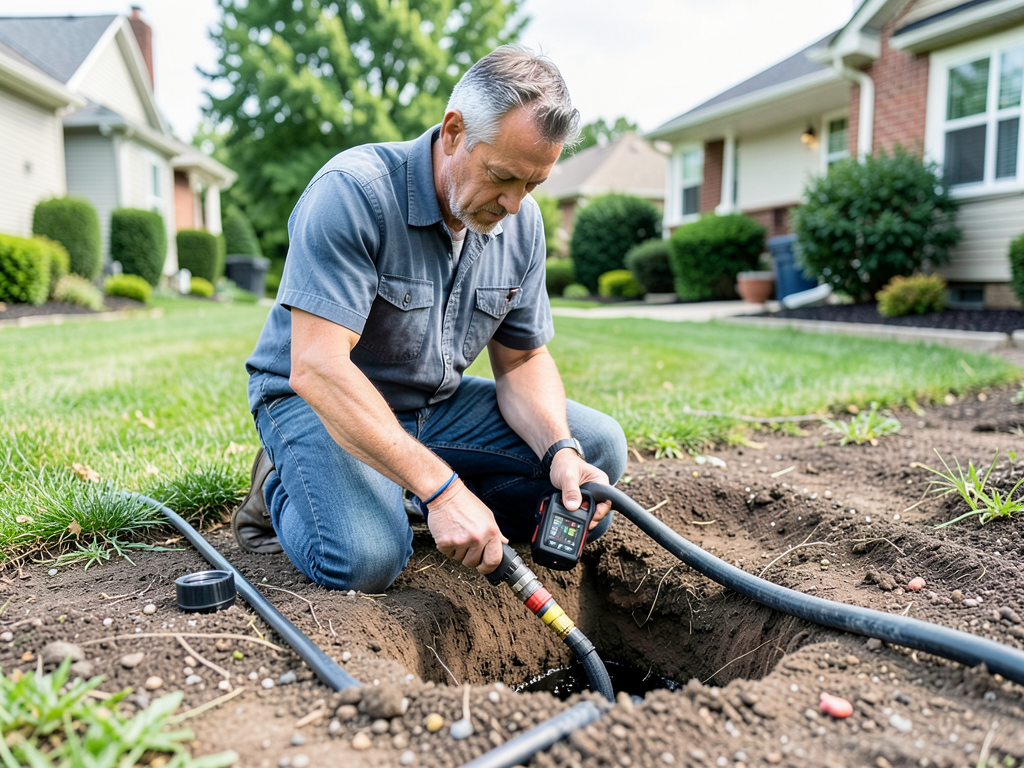
When DIY tests are inconclusive, professional plumbers use specialized equipment to locate leaks without excavation.
Acoustic Leak Detection
Technicians use ground microphones and listening devices to hear the sound of water escaping from pipes underground. Different leak types produce distinct sounds that help identify the problem source.. Read more about The Real Cost of Replacing Cast Iron Pipes in Your Broad Ripple Fixer Upper.
Thermal Imaging
Infrared cameras detect temperature differences in soil caused by leaking water. A main line leak often shows as a warm spot in winter or a cool area in summer compared to surrounding soil.
Video Camera Inspection
For suspected sewer line issues, plumbers insert a camera into the pipe to visually inspect for cracks, bellies, or root intrusion. This eliminates guesswork and shows exactly where repairs are needed.
Pressure Testing
Plumbers isolate sections of pipe and test for pressure drops that indicate leaks. This method works well for both water and sewer lines.. Read more about Why Your Brownsburg Well Pressure Tank Might Be Failing (And What to Do Next).
Repair Options and Considerations
The repair method depends on the leak location, pipe material, and soil conditions.
Trench Repair
Traditional excavation works best for accessible leaks in straight pipe runs. This method allows complete pipe replacement and inspection of surrounding soil conditions.
Trenchless Pipe Lining
Cured-in-place pipe lining creates a new pipe within the old one without digging. This works well for straight runs but cannot fix separated joints or severe damage.
Pipe Bursting
This trenchless method pulls a new pipe through the old one while breaking apart the damaged pipe. It works for replacing entire lines without extensive excavation.
Spot Repairs
For localized damage, plumbers can excavate and replace just the affected section. This costs less than full line replacement but may not address underlying issues.
Prevention Strategies for New Palestine Homeowners
Understanding local conditions helps prevent future problems.
Regular Inspections
Have your plumbing system inspected every 2-3 years, especially if your home is over 20 years old. Early detection prevents costly emergency repairs.
Root Management
Tree roots seek water sources and can infiltrate pipe joints. Keep large trees at least 10 feet from known pipe locations and consider root barriers for problem areas.
Water Pressure Monitoring
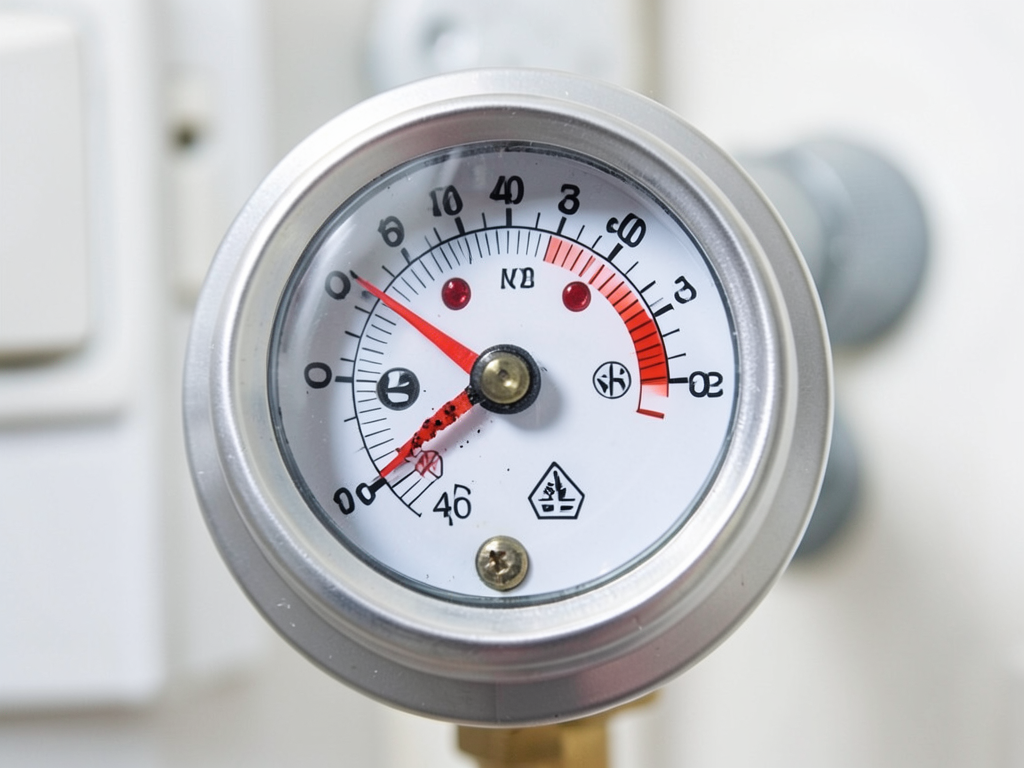
High water pressure stresses pipes and joints. Install a pressure regulator if your pressure exceeds 80 psi, which is common in areas with elevation changes like New Palestine.
Winter Preparation
Insulate exposed pipes and disconnect outdoor hoses before freezing weather. The average frost depth in Hancock County reaches 30 inches, putting shallow pipes at risk.
Cost Factors and Insurance Considerations
Repair costs vary based on the problem type, repair method, and accessibility. Main line repairs typically range from $1,500 to $5,000, while sewer line repairs often cost $2,000 to $7,000.
Check your homeowner’s insurance policy. Some policies cover sudden pipe failures but exclude gradual leaks or maintenance issues. Document the problem with photos and keep records of all communications with utility companies and contractors.
Environmental Impact and Water Conservation
A small leak can waste thousands of gallons monthly. The EPA estimates a 1/8-inch hole in a water line can waste over 10,000 gallons per month. Beyond cost, this waste impacts local water resources and can contribute to foundation problems through soil saturation.
Proper repair restores normal soil moisture levels and prevents secondary damage to your home’s foundation and landscaping.
Frequently Asked Questions
How long can I wait before fixing a yard leak?
Address yard moisture within 48-72 hours. Sewage leaks pose immediate health risks, while fresh water leaks can undermine foundations and waste significant water. The longer you wait, the more extensive and expensive repairs become.
Can I fix a water line leak myself?
Main water line repairs require permits, specialized equipment, and knowledge of local codes. DIY repairs often violate plumbing codes and may void insurance coverage. Always hire a licensed plumber for underground repairs.
Will my water bill show if I have a leak?
Yes. Compare current usage to previous months. A sudden unexplained increase often indicates a leak. Some utilities offer leak detection alerts through online account monitoring.
Do I need to call 811 before investigating a wet spot?
Yes. Indiana law requires calling 811 at least two business days before any digging. This free service marks underground utilities and prevents dangerous accidents. Even small hand digging can damage gas lines or electrical conduits.
Could the wet spot be from a neighbor’s plumbing?
While possible, most plumbing lines run directly from the street to individual homes. However, shared drainage issues or boundary line problems can occur. Document the issue and communicate with neighbors if the problem appears near property lines.
Conclusion
A soggy yard without rain in New Palestine almost always indicates a plumbing problem that requires professional attention. By performing simple diagnostic tests and understanding local conditions, you can identify the likely cause and take appropriate action. Remember that sewage leaks pose health risks and should be treated as emergencies. For any underground plumbing issue, contact a licensed professional who understands local soil conditions and building codes.
Don’t let a small leak become a major problem. Call (317) 688-8848 today to schedule your inspection and protect your home from water damage and health hazards.
You may also find this helpful. Installing a Frost-Proof Yard Hydrant for Large Lots in New Palestine.
[IMAGE_PLACEHOLDER_3>
{
“@context”: “https://schema.org”,
“@type”: “BlogPosting”,
“headline”: “What to Do When Your Yard Is Soggy But it Hasn’t Rained in New Palestine”,
“description”: “Wet yard without rain? Learn to diagnose water line leaks, sewer problems, or drainage issues in New Palestine. Call (317) 688-8848 for expert help.”,
“wordCount”: 1715,
“datePublished”: “2026-04-10T12:08:00.000Z”,
“dateModified”: “2026-04-10T12:08:00.000Z”,
“inLanguage”: “en-US”,
“mainEntityOfPage”: {
“@type”: “WebPage”,
“@id”: “https://keystoneplumbingindianapolis.com”
},
“publisher”: {
“@type”: “LocalBusiness”,
“name”: “Keystone Plumbing Indianapolis”,
“url”: “https://keystoneplumbingindianapolis.com”
},
“author”: {
“@type”: “Organization”,
“name”: “Keystone Plumbing Indianapolis”,
“url”: “https://keystoneplumbingindianapolis.com”
},
“image”: {
“@type”: “ImageObject”,
“url”: “https://keystoneplumbingindianapolis.com/wp-content/uploads/2026/03/what-to-do-when-your-yard-is-soggy-but-it-hasn-t-r-1.png”
}
}
{
“@context”: “https://schema.org”,
“@type”: “Plumber”,
“name”: “Keystone Plumbing Indianapolis”,
“url”: “https://keystoneplumbingindianapolis.com”,
“address”: {
“@type”: “PostalAddress”,
“addressLocality”: “Indianapolis”
},
“areaServed”: {
“@type”: “City”,
“name”: “Indianapolis”
}
}
{
“@context”: “https://schema.org”,
“@type”: “FAQPage”,
“mainEntity”: [
{
“@type”: “Question”,
“name”: “How long can I wait before fixing a yard leak?”,
“acceptedAnswer”: {
“@type”: “Answer”,
“text”: “Address yard moisture within 48-72 hours. Sewage leaks pose immediate health risks, while fresh water leaks can undermine foundations and waste significant water. The longer you wait, the more extensive and expensive repairs become.”
}
},
{
“@type”: “Question”,
“name”: “Can I fix a water line leak myself?”,
“acceptedAnswer”: {
“@type”: “Answer”,
“text”: “Main water line repairs require permits, specialized equipment, and knowledge of local codes. DIY repairs often violate plumbing codes and may void insurance coverage. Always hire a licensed plumber for underground repairs.”
}
},
{
“@type”: “Question”,
“name”: “Will my water bill show if I have a leak?”,
“acceptedAnswer”: {
“@type”: “Answer”,
“text”: “Yes. Compare current usage to previous months. A sudden unexplained increase often indicates a leak. Some utilities offer leak detection alerts through online account monitoring.”
}
},
{
“@type”: “Question”,
“name”: “Do I need to call 811 before investigating a wet spot?”,
“acceptedAnswer”: {
“@type”: “Answer”,
“text”: “Yes. Indiana law requires calling 811 at least two business days before any digging. This free service marks underground utilities and prevents dangerous accidents. Even small hand digging can damage gas lines or electrical conduits.”
}
},
{
“@type”: “Question”,
“name”: “Could the wet spot be from a neighbor’s plumbing?”,
“acceptedAnswer”: {
“@type”: “Answer”,
“text”: “While possible, most plumbing lines run directly from the street to individual homes. However, shared drainage issues or boundary line problems can occur. Document the issue and communicate with neighbors if the problem appears near property lines.”
}
}
]
}
{
“@context”: “https://schema.org”,
“@type”: “BreadcrumbList”,
“itemListElement”: [
{
“@type”: “ListItem”,
“position”: 1,
“name”: “Home”,
“item”: “https://keystoneplumbingindianapolis.com”
},
{
“@type”: “ListItem”,
“position”: 2,
“name”: “Blog”,
“item”: “https://keystoneplumbingindianapolis.com/blog”
},
{
“@type”: “ListItem”,
“position”: 3,
“name”: “What to Do When Your Yard Is Soggy But it Hasn’t Rained in New Palestine”
}
]
}
{
“@context”: “https://schema.org”,
“@type”: “Service”,
“serviceType”: “Plumbing”,
“provider”: {
“@type”: “LocalBusiness”,
“name”: “Keystone Plumbing Indianapolis”,
“url”: “https://keystoneplumbingindianapolis.com”
},
“areaServed”: {
“@type”: “City”,
“name”: “Indianapolis”
},
“description”: “Wet yard without rain? Learn to diagnose water line leaks, sewer problems, or drainage issues in New Palestine. Call (317) 688-8848 for expert help.”
}