
Why a Backwater Valve Is Essential for Preventing Sewage Backups in Low-Lying Indianapolis Neighborhoods
Heavy rains in Indianapolis can overwhelm the city’s aging sewer system causing raw sewage to back up through floor drains and toilets. A backwater valve stops this dangerous contamination before it enters your home. This one-way check valve only allows water to flow out from your property never back in providing critical protection for basements and lower levels in flood-prone neighborhoods. Indiana Office of the State Chemist.
Indianapolis sits in a region where clay soil and combined sewer systems create perfect conditions for backups. When stormwater overwhelms the system pressure builds and sewage seeks the path of least resistance often through your home’s lowest plumbing fixtures. A properly installed backwater valve acts as a barrier preventing thousands of dollars in damage and serious health hazards. Trenchless Sewer Line Replacement in Greenwood without Digging Up Your Yard.
How Indianapolis’s Combined Sewer System Creates Backup Risks
The city’s combined sewer system carries both stormwater and wastewater through the same pipes. During heavy rainfall these pipes can reach capacity causing water levels to rise in the main sewer line. This creates negative pressure that pulls sewage back toward homes especially those in low-lying areas near Fall Creek or the White River. Sewer Camera Inspections in Pike Township to Find the Root of Your Problem.
Marion County plumbing code requires backwater valves in certain flood-prone zones. According to Indianapolis Building Code Section 827.3 any building with plumbing fixtures below the established flood level must have an approved backflow prevention device installed. This protects not just individual homes but the entire neighborhood from contamination spread. Benefits of Water Softeners.
Clay soil common throughout Central Indiana compounds the problem. This dense soil drains poorly causing surface water to accumulate and seep toward foundations. When the ground becomes saturated the water table rises pushing against sewer lines from outside while stormwater overwhelms them from above. This double pressure makes backups more likely in neighborhoods like Broad Ripple and Meridian-Kessler.. Read more about French Drains vs Catch Basins (Which Solution Actually Fixes Your Soggy Zionsville Yard?).
The Science Behind Backwater Valve Protection
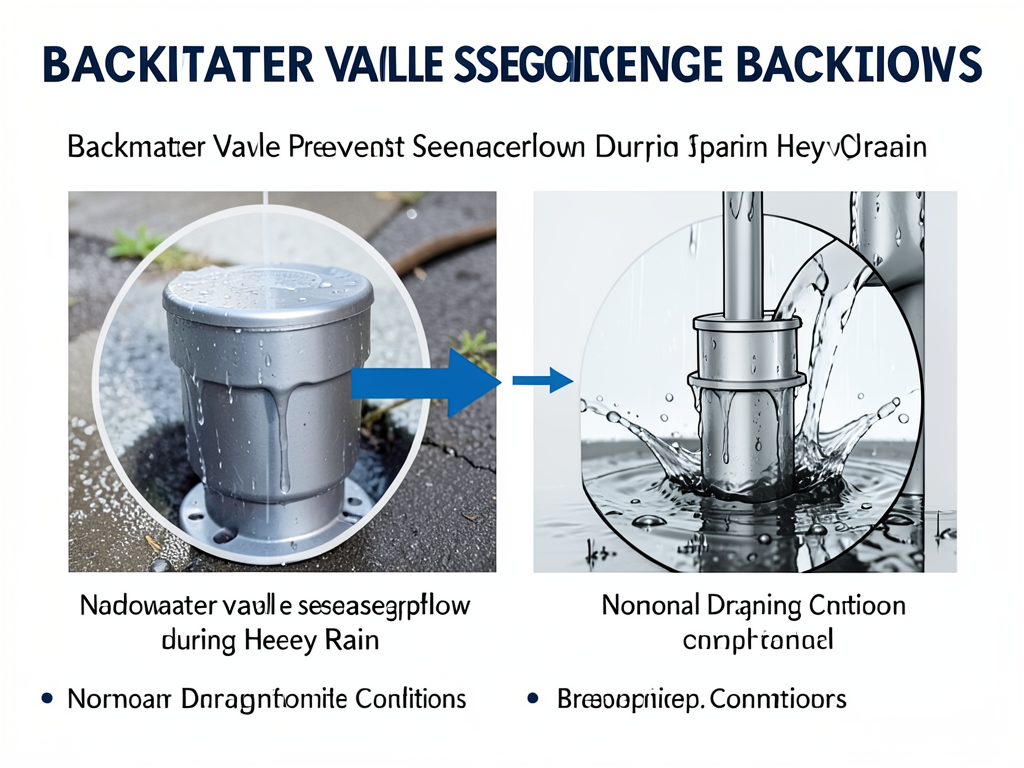
A backwater valve contains a hinged flapper or gate that remains open during normal drainage. When sewage or floodwater attempts to flow backward the flapper closes automatically creating a seal. The valve only reopens when pressure equalizes allowing your home’s wastewater to exit normally.
Professional installation requires cutting into the main sewer line typically in the basement floor. The valve must be positioned correctly to handle the specific flow dynamics of your plumbing system. A licensed master plumber tests the installation by running water through the system and verifying the valve’s automatic closure under simulated backup conditions. Reliable Sump Pump Installation in Fishers to Keep Your Basement Dry.
Maintenance proves critical for long-term protection. The valve’s hinge mechanism can seize from debris buildup or corrosion. Annual testing involves pouring water into the floor drain and confirming the valve closes properly. Homes in areas with heavy sediment like near construction sites may need more frequent cleaning to prevent the flapper from sticking open.
Installation Process: What to Expect
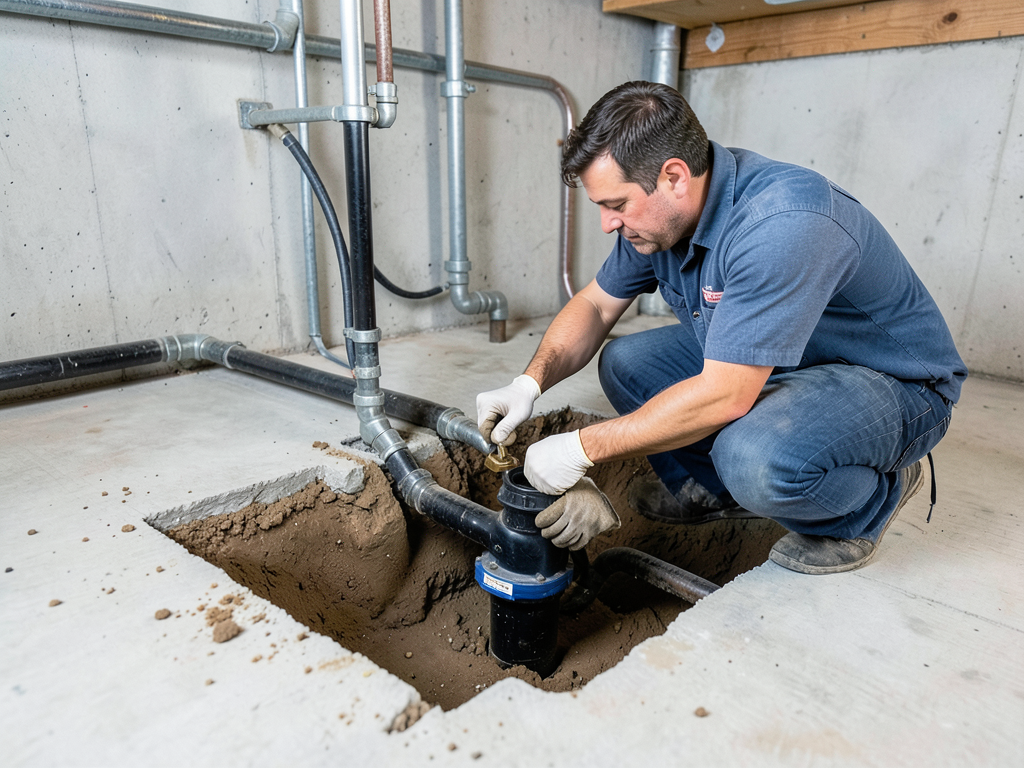
Professional backwater valve installation follows a systematic process that ensures code compliance and reliable operation. The first step involves locating the main sewer line and determining the optimal valve position. This often requires breaking through concrete flooring to access the pipe.
Site assessment determines valve type and size. A typical residential installation uses a 4-inch valve for standard drain lines while larger homes might need 6-inch units. The plumber checks for existing cleanouts and may need to install new access points for future maintenance.
Floor excavation creates the working space needed to cut into the main drain. This process generates dust and noise but typically completes within a day. The plumber installs the valve housing and connects it to both the home’s drain line and the city sewer main.
City inspection follows installation. Marion County requires permits for backwater valve installation and mandates final inspection before covering the work. The inspector verifies proper valve orientation flow direction and access for maintenance. This step ensures your installation meets all local code requirements.
Cost Factors and Local Permit Requirements
Backwater valve installation costs vary based on several factors specific to Indianapolis homes. Basic installations start around $1,500 while complex jobs with difficult access or unusual plumbing configurations can exceed $3,000. The depth of your sewer line affects excavation costs with deeper lines requiring more labor and equipment. Apartment Complex Plumbing.
Marion County requires a plumbing permit for backwater valve installation. The permit process includes plan review and final inspection ensuring compliance with local codes. Permit fees typically range from $75 to $150 depending on project scope. Your plumber handles permit acquisition as part of the installation service.
Floor type impacts installation complexity and cost. Concrete slab removal requires jackhammering and dust control measures. Homes with finished basements need additional protection for existing finishes. Some installations require temporary relocation of water heaters or HVAC equipment to access the main drain line.
Additional costs may include upgrading old cast iron or clay sewer pipes that cannot properly support modern valve installation. Homes built before 1970 often need these upgrades to meet current code requirements. The plumber provides a detailed estimate after completing the site assessment.
Maintenance and Annual Testing Requirements
Backwater valves require minimal maintenance but annual testing ensures reliable operation when needed most. The testing process involves pouring several gallons of water into the floor drain and observing valve closure. A properly functioning valve will close completely preventing water from backing up into the drain.
Cleaning frequency depends on your home’s location and surrounding conditions. Homes near construction sites or areas with heavy leaf fall may need quarterly cleaning to prevent debris from interfering with valve operation. The cleaning process involves removing the valve cover and manually clearing any obstructions from the flapper mechanism.
Warning signs indicate when maintenance becomes necessary. Slow draining sinks or gurgling sounds from floor drains suggest the valve may be partially obstructed. Visible water stains around the valve cover indicate potential leaks that require immediate attention. Any signs of sewage odor near the valve demand professional inspection.
Professional maintenance includes lubrication of moving parts and verification of seal integrity. The plumber checks for corrosion on metal components and ensures all access points remain secure. This service typically costs $100 to $200 annually but prevents catastrophic failure during a major storm event.
Backwater Valve vs. Sump Pump: Understanding the Difference
Many homeowners confuse backwater valves with sump pumps but these devices serve different purposes. A sump pump removes groundwater that accumulates in a basement’s sump pit while a backwater valve prevents sewage from entering through the plumbing system. Both may be necessary for comprehensive flood protection.
Sump pumps activate automatically when water reaches a certain level in the pit. They pump water out and away from the foundation typically to a storm drain or dry well. This protects against groundwater intrusion but cannot stop sewage backup through floor drains or toilets.
Backwater valves work passively without power or moving parts beyond the flapper mechanism. They provide continuous protection against sewage backup regardless of weather conditions. However they cannot remove water that enters through foundation cracks or basement windows.
Combined protection often proves most effective. Homes in areas with both high water tables and combined sewer systems benefit from both devices. The sump pump handles groundwater while the backwater valve stops sewage contamination. This dual approach provides comprehensive protection against all types of basement flooding.
Frequently Asked Questions
Does homeowners insurance cover sewage backup damage?
Standard homeowners policies typically exclude sewage backup damage. You need separate sewage backup coverage which costs $50 to $100 annually. This coverage often requires proof of backwater valve installation for coverage approval. EPA NPDES Program.
Can I install a backwater valve myself?
DIY installation violates Marion County plumbing codes and risks improper function. Professional installation ensures correct valve orientation, proper sealing, and code compliance. Improper installation can cause more problems than it solves including blocked drainage and code violations.
How long does installation take?
Most residential installations complete in one day. Complex jobs requiring pipe replacement or extensive excavation may take two days. The plumber provides a timeline after assessing your specific situation.
Will a backwater valve affect my plumbing performance?
When properly installed a backwater valve has minimal impact on normal drainage. You might notice slightly slower drainage during heavy water usage but this rarely causes issues. The valve only affects flow when attempting to prevent backup.
How do I know if I need a backwater valve?
Consider installation if your home sits in a flood-prone area, experiences slow drainage during heavy rains, or has a history of sewer backups. Homes built before 1970 in older Indianapolis neighborhoods face higher risk due to aging infrastructure.
Take Action Before the Next Storm Hits
Indianapolis’s clay soil and combined sewer system create conditions where sewage backups become inevitable during major storms. A backwater valve provides the only reliable protection against this contamination. The cost of installation pales compared to potential damage from even a single backup event.
Professional installation ensures your valve meets all code requirements and functions properly when needed. The process includes site assessment, proper permitting, expert installation, and final inspection. This comprehensive approach guarantees protection that DIY solutions cannot match.
Don’t wait for the next heavy rain to discover your home’s vulnerability. Call (317) 688-8848 today to schedule your backwater valve inspection and protect your family from sewage contamination. Our licensed master plumbers serve all Indianapolis neighborhoods with the expertise needed to keep your home safe and dry.
Pick up the phone and call (317) 688-8848 before the next storm hits. We’ll assess your specific needs and provide a detailed plan for protecting your home from sewage backup. Your family’s health and safety deserve professional protection that only comes from proper backwater valve installation.
{
“@context”: “https://schema.org”,
“@type”: “BlogPosting”,
“headline”: “Why a Backwater Valve Is Essential for Preventing Sewage Backups in Low-Lying Indianapolis Neighborhoods”,
“description”: “Protect your Indianapolis home from sewage backups with professional backwater valve installation. Learn how this device works and why it’s critical for flood-prone areas.”,
“wordCount”: 1647,
“datePublished”: “2026-05-21T09:17:00.000Z”,
“dateModified”: “2026-05-21T09:17:00.000Z”,
“inLanguage”: “en-US”,
“mainEntityOfPage”: {
“@type”: “WebPage”,
“@id”: “https://keystoneplumbingindianapolis.com”
},
“publisher”: {
“@type”: “LocalBusiness”,
“name”: “Keystone Plumbing Indianapolis”,
“url”: “https://keystoneplumbingindianapolis.com”
},
“author”: {
“@type”: “Organization”,
“name”: “Keystone Plumbing Indianapolis”,
“url”: “https://keystoneplumbingindianapolis.com”
},
“image”: {
“@type”: “ImageObject”,
“url”: “https://keystoneplumbingindianapolis.com/wp-content/uploads/2026/03/why-a-backwater-valve-is-essential-for-preventing-1.png”
}
}
{
“@context”: “https://schema.org”,
“@type”: “Plumber”,
“name”: “Keystone Plumbing Indianapolis”,
“url”: “https://keystoneplumbingindianapolis.com”,
“address”: {
“@type”: “PostalAddress”,
“addressLocality”: “Indianapolis”
},
“areaServed”: {
“@type”: “City”,
“name”: “Indianapolis”
}
}
{
“@context”: “https://schema.org”,
“@type”: “FAQPage”,
“mainEntity”: [
{
“@type”: “Question”,
“name”: “Does homeowners insurance cover sewage backup damage?”,
“acceptedAnswer”: {
“@type”: “Answer”,
“text”: “Standard homeowners policies typically exclude sewage backup damage. You need separate sewage backup coverage which costs $50 to $100 annually. This coverage often requires proof of backwater valve installation for coverage approval. EPA NPDES Program.”
}
},
{
“@type”: “Question”,
“name”: “Can I install a backwater valve myself?”,
“acceptedAnswer”: {
“@type”: “Answer”,
“text”: “DIY installation violates Marion County plumbing codes and risks improper function. Professional installation ensures correct valve orientation, proper sealing, and code compliance. Improper installation can cause more problems than it solves including blocked drainage and code violations.”
}
},
{
“@type”: “Question”,
“name”: “How long does installation take?”,
“acceptedAnswer”: {
“@type”: “Answer”,
“text”: “Most residential installations complete in one day. Complex jobs requiring pipe replacement or extensive excavation may take two days. The plumber provides a timeline after assessing your specific situation.”
}
},
{
“@type”: “Question”,
“name”: “Will a backwater valve affect my plumbing performance?”,
“acceptedAnswer”: {
“@type”: “Answer”,
“text”: “When properly installed a backwater valve has minimal impact on normal drainage. You might notice slightly slower drainage during heavy water usage but this rarely causes issues. The valve only affects flow when attempting to prevent backup.”
}
},
{
“@type”: “Question”,
“name”: “How do I know if I need a backwater valve?”,
“acceptedAnswer”: {
“@type”: “Answer”,
“text”: “Consider installation if your home sits in a flood-prone area, experiences slow drainage during heavy rains, or has a history of sewer backups. Homes built before 1970 in older Indianapolis neighborhoods face higher risk due to aging infrastructure.”
}
}
]
}
{
“@context”: “https://schema.org”,
“@type”: “BreadcrumbList”,
“itemListElement”: [
{
“@type”: “ListItem”,
“position”: 1,
“name”: “Home”,
“item”: “https://keystoneplumbingindianapolis.com”
},
{
“@type”: “ListItem”,
“position”: 2,
“name”: “Blog”,
“item”: “https://keystoneplumbingindianapolis.com/blog”
},
{
“@type”: “ListItem”,
“position”: 3,
“name”: “Why a Backwater Valve Is Essential for Preventing Sewage Backups in Low-Lying Indianapolis Neighborhoods”
}
]
}
{
“@context”: “https://schema.org”,
“@type”: “Service”,
“serviceType”: “Plumbing”,
“provider”: {
“@type”: “LocalBusiness”,
“name”: “Keystone Plumbing Indianapolis”,
“url”: “https://keystoneplumbingindianapolis.com”
},
“areaServed”: {
“@type”: “City”,
“name”: “Indianapolis”
},
“description”: “Protect your Indianapolis home from sewage backups with professional backwater valve installation. Learn how this device works and why it’s critical for flood-prone areas.”
}